Traction or grip
Remember – the tires are the only contact your vehicle has with the road, so their grip plays an essential role in your safety. Your ability to brake, to turn, to accelerate or to stay stable at higher speeds all depend on your tire’s grip. Each type of tire is designed to provide grip in specific types of weather and road conditions. That’s why it’s so important to think about how and where you will be driving and what type of grip you’ll need when you choose your tires.
Longevity
How long a tire lasts before wearing out its tread is an important element to ensure you are getting the best value for your money. There can be huge differences in the tire mileage you will receive based on the tire's design and quality of the tire. High performance tires tend to have lower tread life than standard passenger car tires because the focus of the design is grip and performance instead of longevity. How and where you drive and whether or not you take care of your tires will also impact how long they last. (See tire safety tips on proper tire maintenance).
Fuel efficiency
Did you know that 1 out of every 5 tanks of a vehicle’s fuel is used up by the tires’ friction on the road? Tires can have a big impact on your vehicle’s fuel consumption. Some tires have specific construction and materials that help to reduce the friction with the road (called rolling resistance). Buying fuel efficient tires that offer low rolling resistance can help you save on fuel – another way to give you good value for money.
Handling
Handling is how your vehicle responds to the demands of the driver (such as steering, accelerating, braking) and to road conditions. Great handling tires can enhance safety – by keeping the vehicle stable and the driver in control – as well as driving pleasure.
The tire plays a very important role in handling:
It transmits the driver’s instructions from the wheel to the ground. In general, sporty high-performance tires are designed to maximize handling performance and deliver precise steering and cornering.
Comfort and Noise
Driving comfort refers to how the tire cushions the driver from the irregularities of the road. Tires that are optimized for better comfort have specially designed construction to help absorb bumps and provide a smooth ride.
Another important element for an enjoyable drive is a quiet ride. This is determined by a tire’s tread design – the amount of grooves in the tire and their positions. In general, the more aggressive a design looks, the higher the probability that it may generate noise. But remember that the grooves have an important role to play in delivering grip – decide if that additional traction is worth a little more road noise.
Robustness
Tires need to be able to resist whatever the road brings. A tire’s robustness, or toughness, is its ability to overcome everyday road hazards. If you often drive on damaged or unpaved roads, look for tires with reinforced construction.


Find tire dealers near you in seconds
Search among our dealers to find where your tire is available
FAQ
Read our Frequently Asked Questions.
Performance tires prioritize handling precision, dry and wet grip, and high-speed stability over comfort and tread longevity. Key features include wider tread footprints for maximum road contact, stiffer sidewalls that resist flex in corners, softer rubber compounds for more aggressive grip, larger shoulder tread blocks for lateral stability, and a solid center rib for quick steering response. The trade-off is a firmer ride, more road noise, and faster tread wear compared to touring or all-season tires.
UHP summer tires use a compound built for temperatures above 45°F. They deliver maximum grip but become dangerously stiff in cold weather. UHP all-season tires give up a small margin of dry performance to stay safe across a wider temperature range, including light snow. If you're in a warm climate or run a separate winter set, summer UHP tires will get the most from your car. For a single year-round tire, UHP all-season is the practical choice for most US drivers.
The factory tires are a reliable starting point. A vehicle that came equipped with a V, W, or Y speed-rated tire was engineered around performance-grade rubber. Swapping to a lower-rated touring tire often makes the car feel softer and less responsive than it was designed to be. If you want to preserve the driving experience of a sport or luxury vehicle, match or exceed the original speed rating and performance category.
Yes. The softer compound that makes a performance tire feel sharp also wears faster, particularly with aggressive driving. To get more life out of them: rotate every 5,000 to 7,000 miles, keep pressure at the correct spec (even a few PSI low accelerates wear noticeably), maintain proper alignment, and avoid hard acceleration or braking on cold tires before they've reached operating temperature.
UTQG stands for Uniform Tire Quality Grading, a US Department of Transportation standard. The treadwear number (such as 200, 400, or 600) is a relative index — a 400-rated tire is expected to last roughly twice as long as a 200-rated tire under controlled test conditions. High-performance summer tires commonly fall in the 200 to 300 range; touring tires can reach 700 or higher. The Traction grade (AA, A, B, C) rates wet braking — aim for A or AA. The Temperature grade (A, B, C) rates heat dissipation — choose A for any sustained highway driving.
Related articles
-
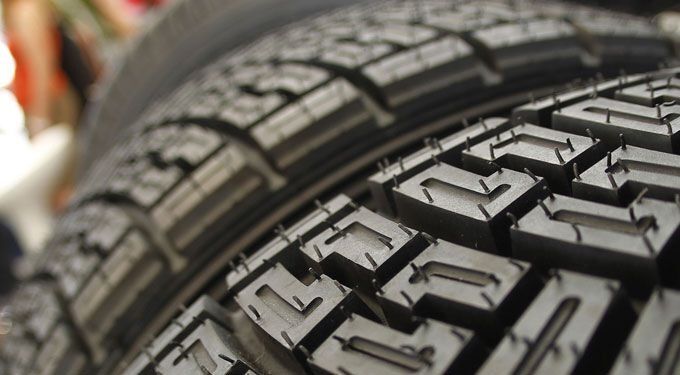
How Tires Are Made
Your tire is built from more than 200 individual materials, including natural rubber, synthetic rubber, steel wire, and textile cords. These layers are assembled and then cured under heat and pressure in a mold, bonding everything into a single structure capable of carrying vehicle weight, managing heat at speed, and maintaining grip across thousands of miles. Understanding this process helps explain why correct pressure, avoiding overloading, and replacing worn tires matter as much as they do.View more -

How to Drive Safely
Your driving habits affect your tires just as much as your tires affect your driving. Smooth acceleration, progressive braking, and speed appropriate to the conditions reduce the stress on the tire's contact patch and keep the vehicle predictable when you need it most. This page translates core safety principles into practical habits you can apply on every journey.View more -

Tire Safety: How to Maintain, Inspect, and Care for Your Tires
Your car's safety depends on your tires, which must be properly maintained in order for them to perform as intended. Treadwear, load limitations, inflation pressure, and installation are some of the variables that might affect the longevity and reliability of tires. By following specified safety rules and doing routine maintenance, drivers can reduce their risk of tire issues and be prepared for the road ahead.View more -

Run-Flat Tires: How They Work, Benefits, and Proper Care
After a tire loses air pressure, run-flat tires are designed to help drivers keep control and continue driving for a limited distance. By reducing the need for quick roadside tire changes, this added mobility enhances convenience and safety.
Like all tires, run-flat tires require proper maintenance, inspection, and servicing to perform as intended. Understanding how run-flat tires work and how they should be cared for helps drivers make informed decisions and protect long-term tire performance.View more -
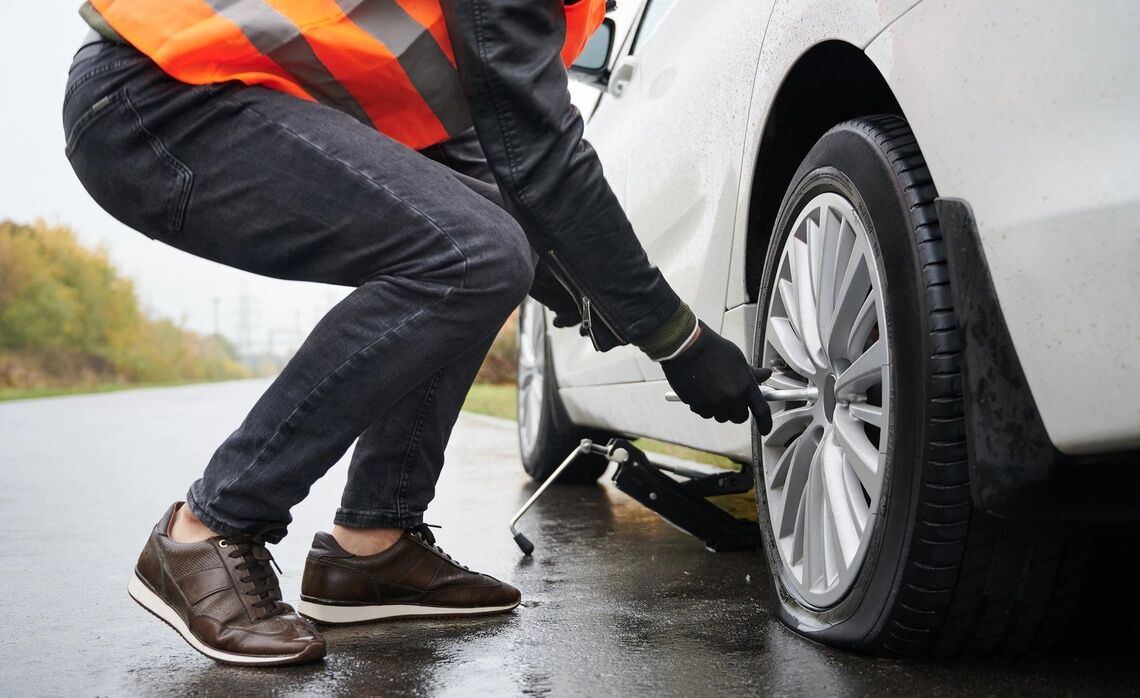
Driving on a Spare Tire
A compact temporary spare has strict limits: lower maximum speed and a short maximum distance before it must be replaced with a proper tire. Exceeding these limits risks damage to the spare, the rim, and potentially the vehicle. This page covers how to use your spare correctly, what checks to do before fitting it, and why reaching a tire center promptly matters more than it might seem.View more -
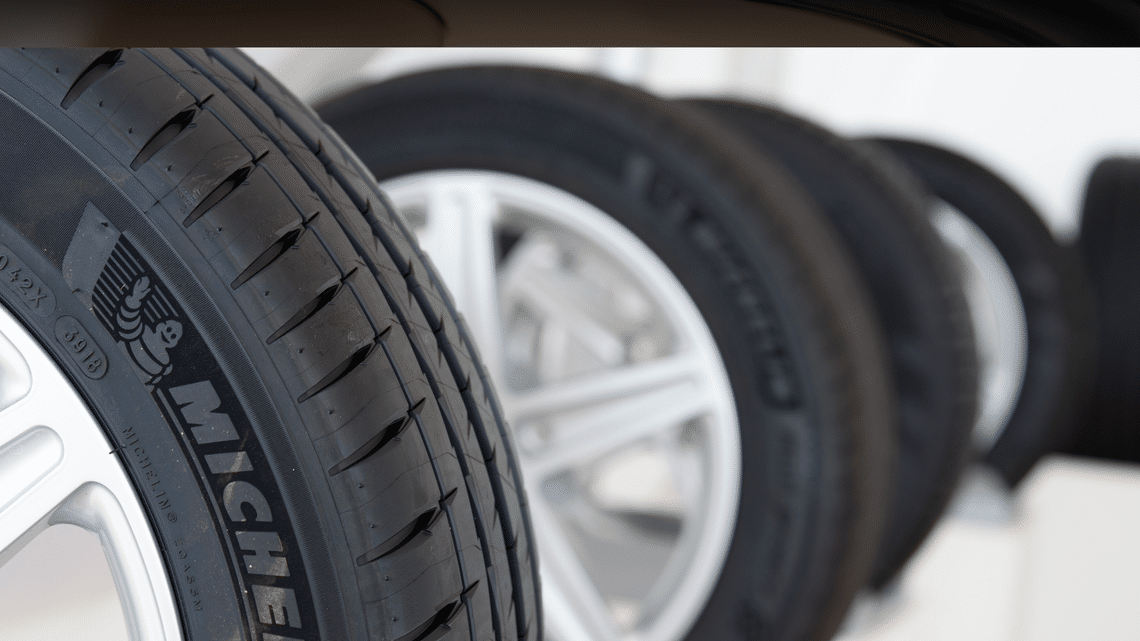
Understanding Tire Load Rating and Speed Rating
Standardized tire markings define a tire’s load rating and speed rating, two critical indicators of safe tire performance. When properly inflated and loaded, these ratings identify the maximum weight a tire can carry and the maximum speed it can safely sustain. Understanding and respecting these ratings when replacing tires helps ensure your vehicle continues to operate as intended.View more -
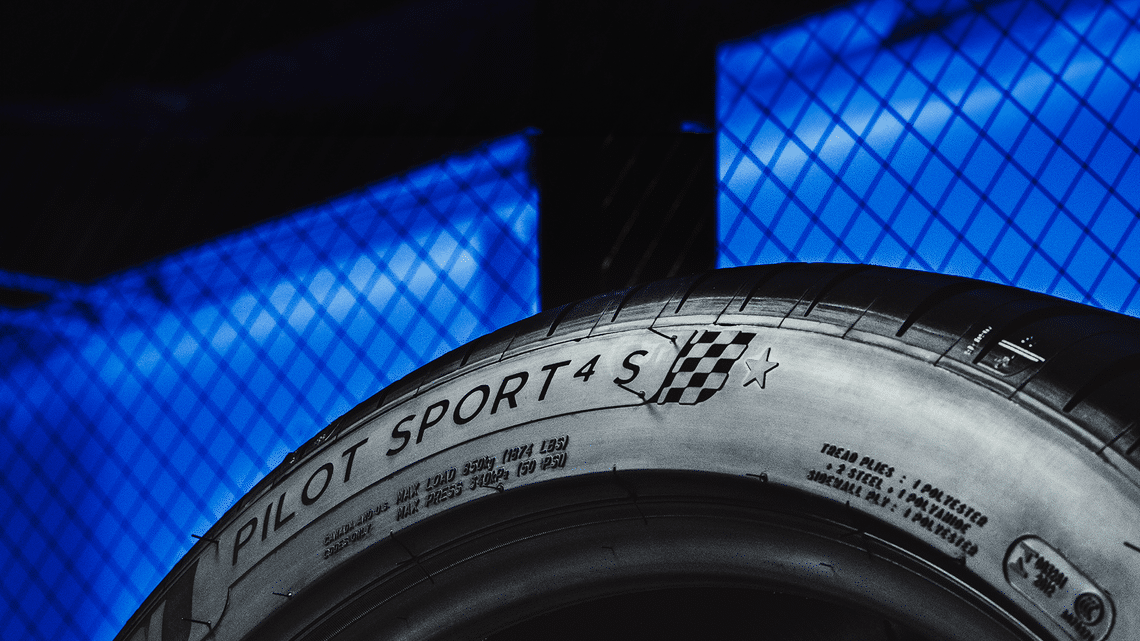
Tire Markings Explained: How to Read a Tire
A tire size is represented by a sequence of numbers and letters that describe the tire’s dimensions and construction. Additional letters may also appear to indicate the intended application or load capacity.View more -
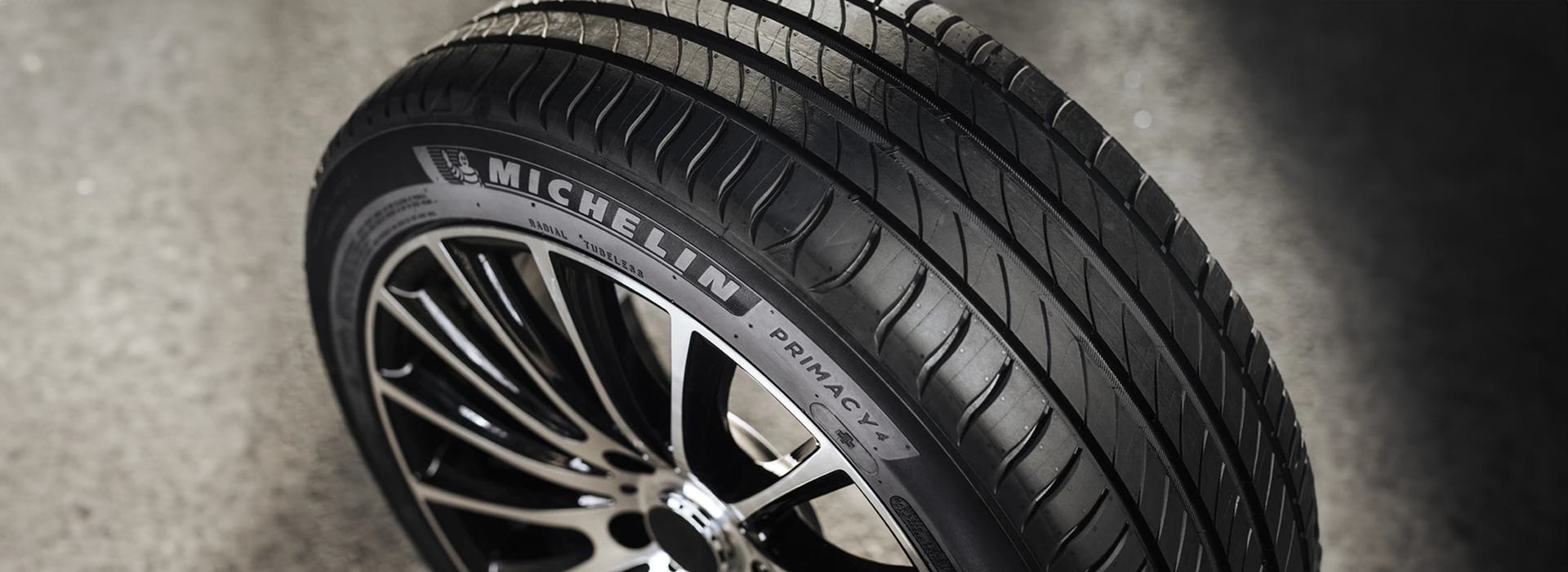
Tire Tread Depth: Legal Limits and What to Know
A tire is designed to meet performance requirements. But beyond a certain level of wear, it needs to be changed. What is the role of the tread? Up to what level of wear does the tire remain effective? And what is the legal minimum tread depth for changing your tires? Find out the answers to all your questions.View more