Why Does Michelin Develop Marked Tires?
Every vehicle is designed with specific performance targets for handling, ride comfort, noise, and efficiency. Because tires are the only point of contact between the vehicle and the road, manufacturers often require tires that are optimized for their models.
Michelin engineers work closely with automakers such as Mercedes-AMG, Porsche, Tesla, and BMW throughout the tire development process. This collaboration includes design selection, testing, validation, and fine-tuning to ensure the tire meets the manufacturer’s performance objectives. Once approved, the tire receives a manufacturer-specific marking on the sidewall, indicating it was developed for that vehicle.
These markings are part of standardized tire markings that help identify a tire’s intended application and compatibility.
What Are OE (Original Equipment) Tires?
OE (Original Equipment) tires are the tires installed on a vehicle when it leaves the factory. These tires are selected and approved by the vehicle manufacturer and meet all regulatory requirements, as well as the manufacturer’s internal performance standards.
OE tires may feature specific markings that indicate they were developed for a particular brand or vehicle model.
What Does a Michelin-Developed Marking Mean?
A Michelin-developed marking indicates that a tire was designed and approved for a specific vehicle manufacturer or model. Examples include N-marked Michelin tires for Porsche, K-marked Michelin tires for Ferrari, and T-marked Michelin tires for Tesla.
These markings confirm that the tire meets the vehicle manufacturer’s requirements based on joint development, testing, and validation.
To help maintain the vehicle’s intended performance characteristics, Michelin recommends replacing tires with the same approved marking originally specified for the vehicle whenever possible.
Type-Approved, Marked, and OE Tires: What’s the Difference?
All tires sold must comply with regulatory requirements in the region where they are marketed. Regulatory approval and manufacturer approval are not the same.
Type-approved tires meet regional regulatory standards
Manufacturer-approved (marked) tires are developed and validated for a specific vehicle or model
OE tires are manufacturer-approved tires fitted at the factory
Manufacturer approval is not legally required, but it reflects additional development and testing performed to match the tire to the vehicle’s performance targets.
How to Identify Manufacturer Markings on a Tire
Manufacturer markings appear on the tire sidewall as letters, symbols, or codes. These markings identify the vehicle brand, and sometimes the specific model, for which the tire was developed.
A reference table of common OE markings by manufacturer can help identify the correct specification.
OE MARKING TABLE
| Manufacturer | Original Equipment Marking |
|---|---|
| ALFA ROMEO | AR |
| ALPINE | ^A^ - A - R |
| ASTON MARTIN | AML |
| AUDI | AO - AO1 - AO2 - AOE - RO1 - RO2 - RO3 |
| AUDI QUATTRO | RO1 - RO2 - RO3 - AO - AO1 - AO2 |
| BENTLEY | B1 |
| BMW | ★ / , I, II*, III*, * MO, * MOE |
| BMW M | ★ / , I, II*, III* |
| BRIGHTDROP | TPC |
| BUGATTI | BG |
| BUICK | TPC |
| CADILLAC | TPC |
| CHEVROLET | TPC |
| CHRYSLER | S1 - C1 |
| CITROËN | S1 |
| CORVETTE | TPC |
| CUPRA | VW - C+ |
| DAEWOO | TPC |
| DODGE | S1 |
| DS | S1 |
| FERRARI | K1 - K2 - K3 |
| FORD PERFORMANCE | FP |
| FORD RACING | FR |
| GAZOO RACING | GT |
| GENESIS | GOE |
| GMC | TPC |
| HOLDEN | TPC |
| HONDA | HO |
| HYUNDAI | HN |
| JAGUAR | J - JLR |
| JEEP | S1 |
| LANCIA | S1 |
| LAND ROVER | LR - JLR |
| LIXIANG / LI AUTO | LA |
| LOTUS | LTS |
| LUCID | LM - LM1 - LM2 |
| MASERATI | MGT |
| MERCEDES AMG | MO - MO1 - MO2 - MO1-A - MO1-B - MO1-C - MO1-D - MO-S |
| MERCEDES BENZ | MO - MOE - MO-S - MO-V - MO-W - * MO - * MOE |
| MINI | ★ - * - I* - II* - III* |
| NIO | I |
| OPEL | S1 |
| PEUGEOT | S1 |
| POLESTAR | POL |
| PONTIAC | TPC |
| PORSCHE | Nx NAx - NBx - NCx - NDx - NEx - NFx - NG0 - NG1 - NH0 - NI0 - NI1 - NI2 |
| RAM | S1 |
| RENAULT | R |
| RIVIAN | RIV |
| SEAT | VW - C+ |
| SKODA | VW - C+ |
| TESLA | T0 - T1 - T2 - T3 |
| VOLKSWAGEN | VW - VO - C+ |
| VOLVO | VOL |
| VOLVO + POLESTAR | VOL POL |
| XIAOMI | XM-E |
| ZEEKR | ZK |
Why Replacing Marked Tires Matters
Marked tires are engineered to meet specific requirements for handling, ride comfort, noise levels, rolling resistance, and in some cases, vehicle software integration. Replacing them with a non-approved version may alter how the vehicle performs or feels.
When replacing tires, it is important to follow the manufacturer-approved specification, including load and speed ratings, to help ensure proper compatibility.
For this reason, Michelin recommends replacing OE-marked tires with tires carrying the same approved marking whenever applicable.
Why Automakers Choose Michelin Tires
Automakers around the world rely on Michelin-developed marked tires to achieve demanding performance goals.
The Mercedes-AMG GT Black Series set a lap record using MICHELIN Pilot Sport Cup 2 R MO1A tires.
These examples highlight the importance of tires that are precisely engineered for the vehicle.
Looking Ahead
Michelin continues to collaborate with vehicle manufacturers on future mobility solutions, including innovative concepts such as Uptis, an airless tire concept developed in partnership with General Motors.
Where Can I Buy Manufacturer-Marked Tires?
Manufacturer-approved tires are available through authorized Michelin dealers and specialty tire retailers.
A Michelin professional can help you select the appropriate marked tire based on your vehicle model, driving needs, and manufacturer specifications.
FAQ
Read our Frequently Asked Questions.
An OE (Original Equipment) marking on the tire sidewall indicates that tire was developed and approved specifically for a particular vehicle manufacturer. For example, MO indicates approval by Mercedes-Benz, AO by Audi, and N0 by Porsche. These tires went through a joint development and validation process between Michelin and the automaker, tuned to the specific weight, suspension, and performance characteristics of that vehicle. The marking is part of the standardized sidewall coding system.
Because the tire is tuned to work with that vehicle's specific engineering. Every vehicle has a unique combination of weight distribution, suspension geometry, power output, and braking system. A tire developed in close collaboration with the automaker can be optimized for noise at the frequencies that car's chassis amplifies, for rolling resistance targets set by the drivetrain, or for the load distribution of a particular battery pack. A standard tire in the same size meets regulatory requirements; a marked OE tire goes further to match the manufacturer's internal performance targets.
It's what Michelin recommends wherever possible. Replacing an OE-marked tire with one carrying the same marking helps preserve the vehicle's intended performance characteristics in handling, noise, comfort, and efficiency. The OE marking is not a legal requirement — a tire of the correct size, load rating, and speed rating will fit and meet regulatory standards — but it does represent additional development work specific to that vehicle. Where an exact match is unavailable, consult with an authorized Michelin dealer.
Look at the sidewall of your current tires. OE markings appear as letters, symbols, or short codes molded into the rubber near the size marking — typically MO, AO, T0, T1, N0, N1, ND0, or similar. If you're unsure what a marking means, a Michelin dealer or the vehicle manufacturer's documentation can identify it. The vehicle owner's manual may also note whether OE-specific tires were fitted at the factory.
They're available for purchase as replacement tires through authorized Michelin dealers and specialist tire retailers. The same tire fitted at the factory can be bought and installed when replacing worn tires, which is why the OE marking on the sidewall is worth checking before purchasing replacements — it maintains continuity with what the vehicle was originally designed around.
Yes — fitting a tire with a higher speed rating than the OE specification is permitted. A higher speed rating indicates a more robustly built tire at that performance level. However, choosing a higher-rated tire can sometimes affect ride comfort or tread life, since the compound may be optimized for different priorities. Fitting a tire with a lower speed rating than the OE specification is not recommended, as it may limit the vehicle's safe operating capability.
Related articles
-

When to Replace Tires
There is no single rule that determines how long a tire will last. Tire lifespan depends on a combination of factors, including tire design, driving habits, climate, road conditions, and how well the tires are maintained.
Rather than relying on mileage alone, Michelin recommends regular inspections and paying attention to both visible signs and changes in performance that may indicate a tire needs to be replaced.View more -

How to Choose the Right Tires
Start with your vehicle's door jamb placard, which lists the required tire size and load index. Then factor in your driving environment: frequent highway miles, city stop-and-go, rain, or winter conditions each point toward different tire priorities. This guide walks through each decision point so the right tire becomes clear before you set foot in a shop, and you are not relying solely on a salesperson's recommendation.View more -

How to Prepare for a Tire Dealer Visit
Easily prepare for your visit to the dealer with Michelin's guide. Be sure to ask your tire dealer these 5 questions to ensure you get everything you need.View more -
Can You Mix Tires? What to Know Before You Do
Maintaining your car in the configuration set by the manufacturer is the safest approach for tire replacement. This means following the tire specifications outlined on your car's placard, in the owner's manual, and in any OE (original equipment) technical bulletins. This is essential, as these documents take into consideration how the car was built to manage load, steering, braking, and stability, especially when replacing just one or two tires.View more -

Choosing the Right Tire Size for Your Vehicle
Selecting the correct tire size is essential for proper fitment, performance, and safety. Tire size information is defined by standardized tire markings and can be found on the tire sidewall, in your vehicle owner’s manual, or on the vehicle tire information placard. Knowing where to locate this information and how to interpret it helps ensure replacement tires meet your vehicle manufacturer’s specifications.View more -
How to compare tires?
On what basis should you compare tires to select the one that will give you complete satisfaction? This article is about the main performance criteria to consider, the decision aids you can use and Michelin's best advice. We will discuss how to select the one you need within the same tire line and provide you with decision aids, such as independent tire tests, labelling and tire comparison sites. Finally, we will discuss another important criterion: long-term performance.View more -
Do I Need Seasonal Tires?
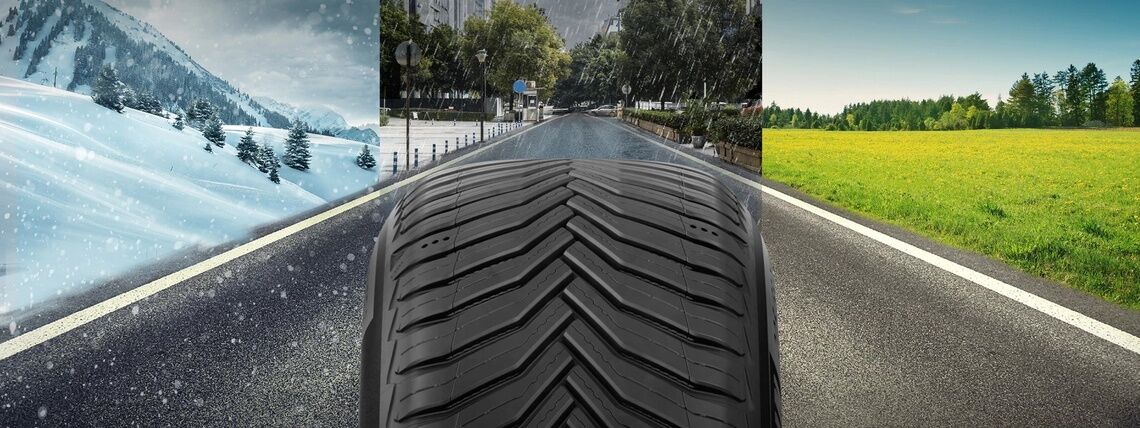
All-season tire rubber begins stiffening below 45 degrees Fahrenheit, reducing grip on cold, dry roads before any snow appears. Summer tires are even more temperature-sensitive. Winter tires use compounds formulated to stay flexible and grippy through the full cold season. This page explains what each category is actually designed for, what it compromises, and which one matches your climate.View more -

Winter Tire Buying Guide
Whether you are a first-time car owner, new to winter driving, or simply looking to make the safest choice for your vehicle, this guide covers everything you need to know about buying winter tires. From understanding the difference between winter, all-season, and summer tires to recognizing important tire symbols and studded options, here is how to stay safe through the coldest months of the year.View more -
Summer vs. Winter vs. All-Season Tires
Choosing the right tire depends on where you live, the time of year, and how you use your vehicle. Each tire type, summer, all-season, or winter, has unique strengths and limitations. Knowing when to switch helps you stay safe and maintain peak performance throughout the year.View more