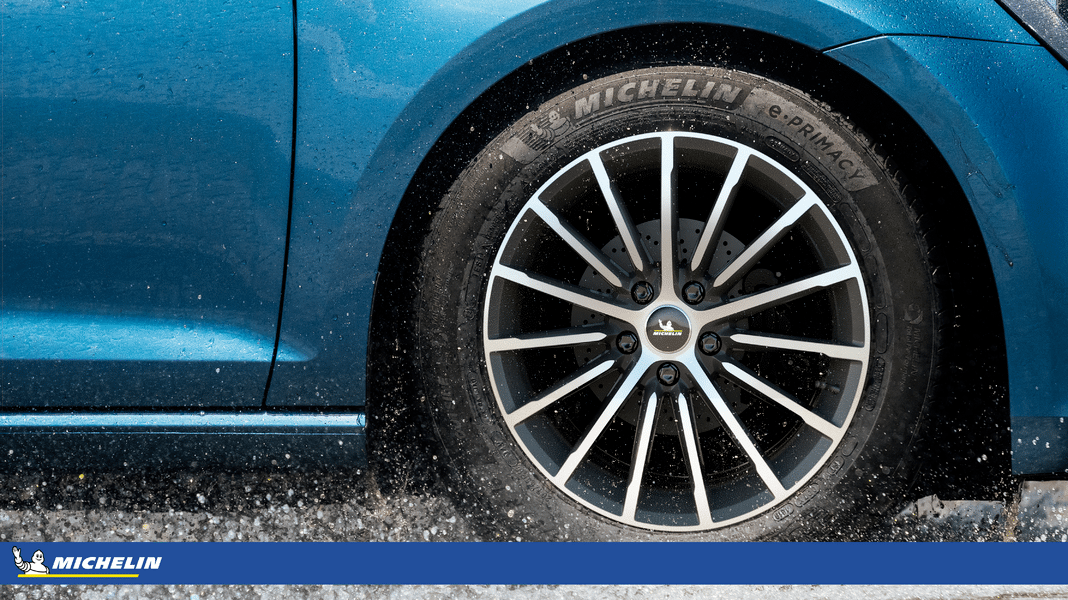
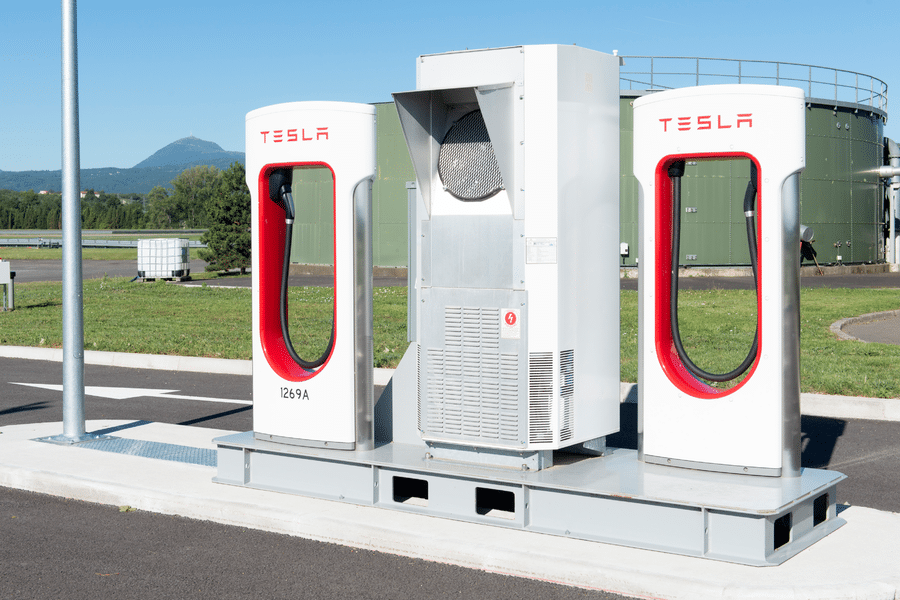
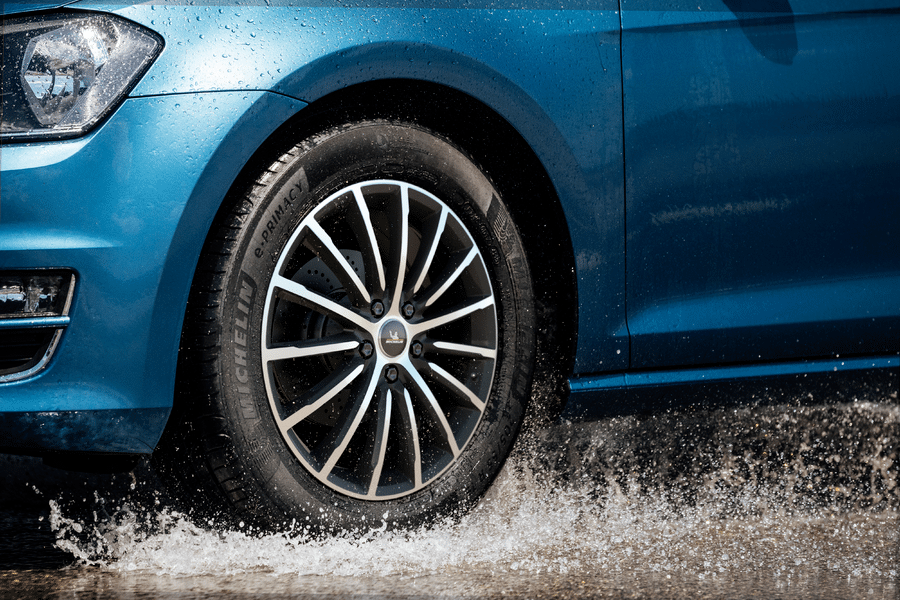
- Driving an EV changes your tire priorities in specific ways. This hub covers everything EV and PHEV owners need to know about choosing the right tire, maintaining it correctly, and using tire management to extend range.
-

Understanding EV Tires
EV tires are not standard tires with a badge. They are engineered for three specific challenges: the added weight of battery packs (which may require XL or HL load ratings not needed on equivalent combustion vehicles), the tread wear caused by instant electric torque delivery during acceleration, and the cabin noise that becomes prominent when engine sound is absent. This page explains each challenge and what to look for when choosing a replacement tire for your EV.View more -

Winter Tire Guide for Hybrid and Electric Cars
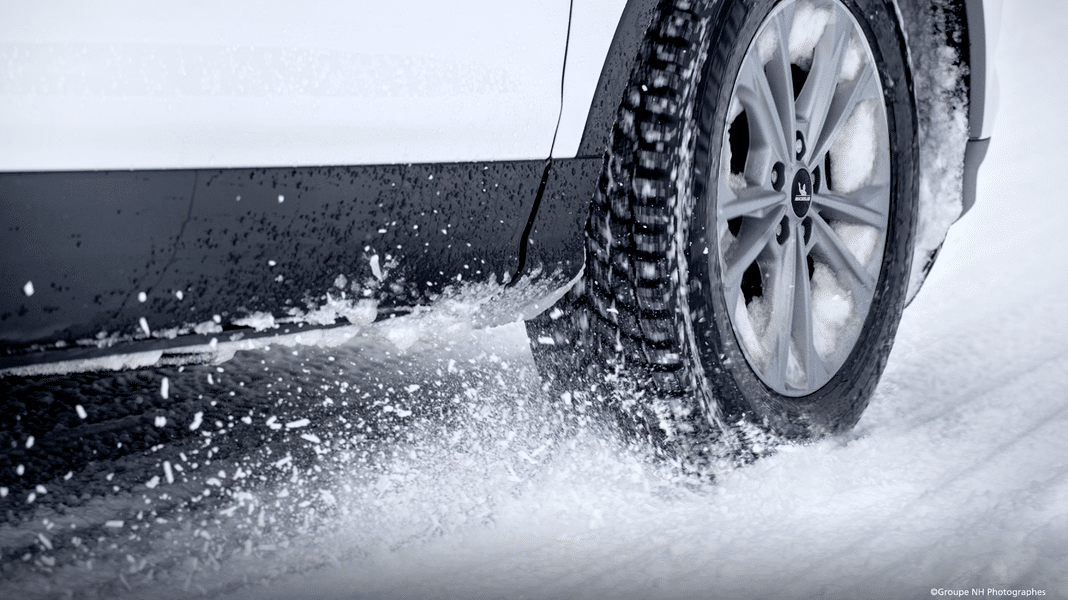
Your EV or hybrid brakes on ice the same way any vehicle brakes on the same tires: the drivetrain does not help stopping. Because EVs are heavier than comparable combustion vehicles, their stopping distances on slippery surfaces are longer. Winter tires developed specifically for electric vehicles address this through cold-weather compounds for grip, combined with low-rolling-resistance construction to protect the battery range you are already managing carefully in cold temperatures.View more -

EV Winter Driving With Carl Nadeau
Professional driver Carl Nadeau explains three critical differences for EV drivers in winter: battery weight extends braking distances beyond a comparable combustion vehicle on the same tires; instant torque makes abrupt acceleration far more likely to cause wheelspin on slippery surfaces; and aggressive regenerative braking can cause rear wheel instability on ice. His specific guidance on pressure management, smooth throttle technique, and cold-weather range expectations applies uniquely to electric vehicles.View more -

What are High Load capacity tires?
If your EV came from the factory with tires marked HL on the sidewall, every replacement must also be HL-rated. HL (High Load) tires are engineered to carry more weight than XL tires at the same inflation pressure, developed specifically because some EV battery packs push vehicle weight beyond what existing tire standards covered. Fitting a standard or XL tire where HL is specified means operating the tire beyond its safe load capacity.View more -

Car noise: are electric cars quieter than gas cars?
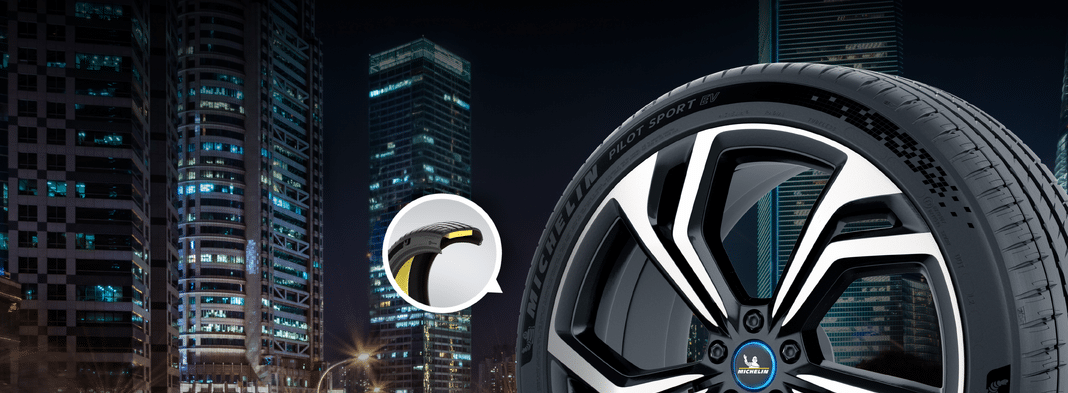
Your EV removes engine noise but adds nothing to replace it. Tire noise, which you barely notice in a combustion vehicle, becomes the primary sound in the cabin at most speeds. Two sources dominate: tread pattern resonance (sound from air moving through the grooves) and cavity resonance (a low-frequency hum from air vibrating inside the tire itself). Acoustic foam bonded to the inside of the tire is the most effective solution specifically for cavity resonance, the type EV drivers notice most.View more -

How tires impact your electric vehicle’s range
Every PSI below your vehicle's recommended tire pressure increases rolling resistance, which pulls more energy from the battery and reduces your range. This is one of the most direct and controllable factors in real-world EV efficiency. Tires with low-rolling-resistance compounds extend range further. Keeping tires at correct pressure and rotating regularly to maintain even wear are the two tire habits with the greatest consistent impact on how far your EV travels on each charge.View more -

How to Reduce Tire Wear
EVs wear tires faster than comparable combustion vehicles for two specific reasons: battery weight increases the load on every tire with every mile, and instant torque delivery puts higher torsional stress on the driven tires during acceleration. Rotating tires more frequently than the standard interval, maintaining correct pressure, using smooth progressive throttle inputs rather than hard launches, and choosing tires with compounds developed for EV use all reduce wear rate in measurable ways.View more -

EV Tire Pressure and Maintenance
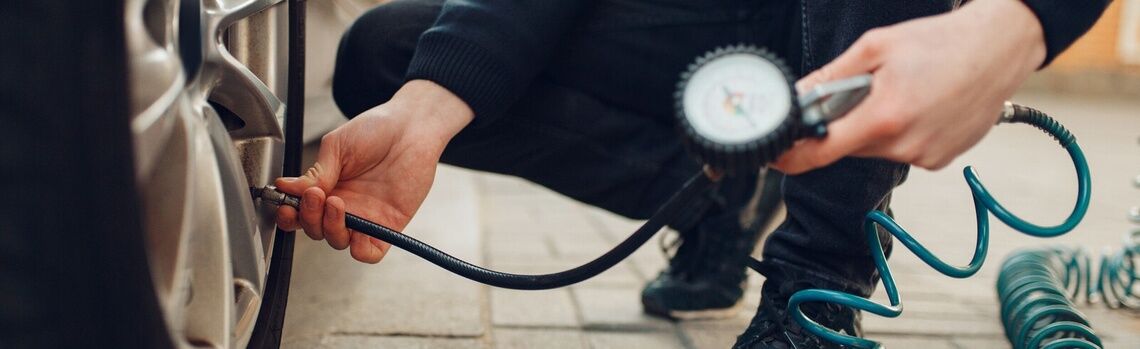
Do not rely on TPMS to manage your EV's tire pressure. TPMS only alerts when pressure has dropped significantly below the recommended level, not when it has dropped enough to affect range and handling noticeably. Cold weather reduces tire pressure, and underinflated tires on an EV drain the battery faster while accelerating tread wear simultaneously. Check pressure manually at least monthly using the PSI on your door jamb sticker, not the maximum printed on the tire sidewall.View more -

The advantages of using winter tires on an EV
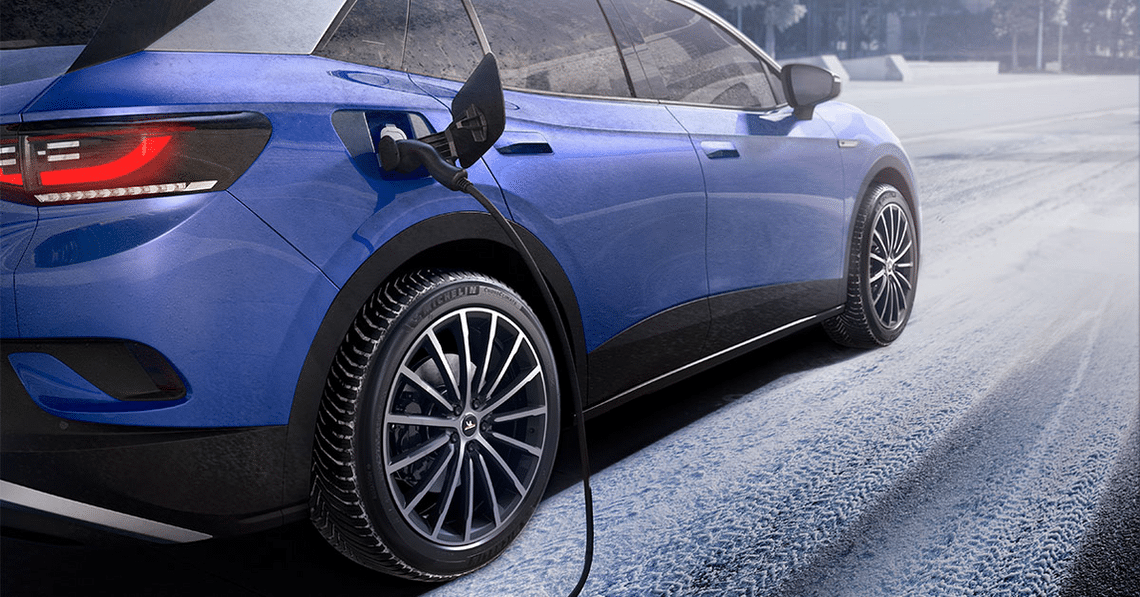
Fit winter tires on your EV when temperatures consistently approach 45 degrees Fahrenheit, the threshold where all-season compounds begin losing grip regardless of whether there is snow or ice present. EV-specific winter tires balance the cold-weather grip of a dedicated winter compound with low-rolling-resistance construction, reducing the range penalty that standard winter tires can introduce. The heavier weight of an EV makes the braking advantage of winter tires proportionally more significant.View more -

Quiet and Comfortable Ride with EV Tires
The dominant source of tire noise in an EV cabin is cavity resonance: air vibrating inside the tire at a low frequency that transmits through the wheel, axle, and body structure into the cabin. A ring of polyurethane acoustic foam bonded to the inside of the tire absorbs this resonance before it reaches the cabin. Correct inflation also reduces noise: an underinflated tire deforms more, transmits more road vibration, and generates more noise than one correctly inflated.View more -

EV Tire Buying Guide
Start with your door jamb sticker. If it specifies XL or HL, any replacement must carry the same designation. From there, choose based on the priorities that matter most for your driving: range (prioritize low rolling resistance), noise reduction (look for acoustic foam or noise-optimized tread design), or tread longevity (prioritize a durable compound developed for EV use). No single tire maximizes all three equally; know which matters most before comparing options.View more -

Optimize your EV with tires rated for a higher load capacity
Some EVs require HL (High Load) tires because their battery weight pushes the vehicle beyond what XL tires can safely support at normal inflation pressures. HL tires carry more load at the same pressure through reinforced internal construction. If your vehicle's door jamb sticker or current sidewalls show HL markings, the designation on replacements must match, not just the size. A standard load tire in the correct size does not solve a load capacity requirement.View more -

Plug-In Hybrid Vehicle
Your PHEV has the same tire challenges as a full EV in electric-only mode: battery weight, instant motor torque, and rolling resistance that draws from the battery. In hybrid mode, combustion characteristics add different demands. Low rolling resistance tires extend both electric-only range and fuel efficiency in hybrid mode. Check whether your PHEV specifies XL tires: many do because of battery weight, and replacements must carry that same designation.View more -

EV in Various Weather Conditions
Cold weather reduces your EV's battery capacity and your tire pressure at the same time: two compounding effects that both shorten range and reduce safety margin. Check pressure more frequently in winter and expect shorter range from the battery. Hot weather raises tire pressure; always check cold and never deflate based on a post-drive reading. Rain matters more on a heavier EV because greater vehicle weight extends braking distances, which makes adequate tread depth more critical than on a lighter combustion car.View more
Related topics
FAQ
Read our Frequently Asked Questions.
EVs don't require entirely different tires, but they do require tires that can handle specific challenges standard passenger car tires weren't always designed for. EVs are heavier than comparable combustion vehicles due to battery weight, they deliver torque more immediately than combustion engines, and they're significantly quieter — making tire noise more perceptible in the cabin. Tires designed or evaluated for EV use address these factors through load capacity, compound durability, and noise reduction technology.
You need a tire that meets your vehicle's load index and speed rating requirements, which are found on the door jamb sticker and may be higher than comparable combustion vehicle specifications due to battery weight. Beyond meeting those minimums, EV-optimized tires offer advantages in range (through lower rolling resistance) and comfort (through noise reduction). Tires that don't meet the load index are a safety concern; tires that meet it but aren't optimized for EVs will work but may leave efficiency on the table.
Two main reasons: weight and torque delivery. EVs are heavier because of their battery packs, which increases the load on each tire and accelerates tread wear. They also deliver torque instantly and powerfully, which puts more stress on the tires during acceleration. Both factors mean EV owners should expect somewhat shorter tire life than they might be used to from combustion vehicles and should monitor tread depth more frequently.
A significant one. Rolling resistance — the energy a tire consumes as it deforms and recovers with each rotation — directly drains the battery. Tires engineered to minimize rolling resistance allow the vehicle to travel further on the same charge. Unlike combustion engines, which lose most of their energy to heat through friction and exhaust, EVs have a more efficient power delivery that makes rolling resistance a proportionally more important factor in overall efficiency.
The basic maintenance is the same: correct inflation checked monthly, regular tread depth checks, visual inspection, and rotation on schedule. However, because EVs wear tires faster and because underinflation has a more direct impact on range (as well as safety and wear), pressure checks are particularly important. Many EV owners also rotate more frequently than the standard interval to compensate for accelerated wear rates.
Check that the load index meets or exceeds your vehicle's specification — the door jamb sticker lists the required rating. If your vehicle came with XL (Extra Load) or HL (High Load) tires, replacements must match those designations. The OE marking (if any) on your original tires identifies whether the manufacturer specified a particular tire for your vehicle — matching it preserves the intended performance characteristics.