MOST POPULAR TIPS & ADVICE
-
Bike Tire Sizes explained: our complete guide
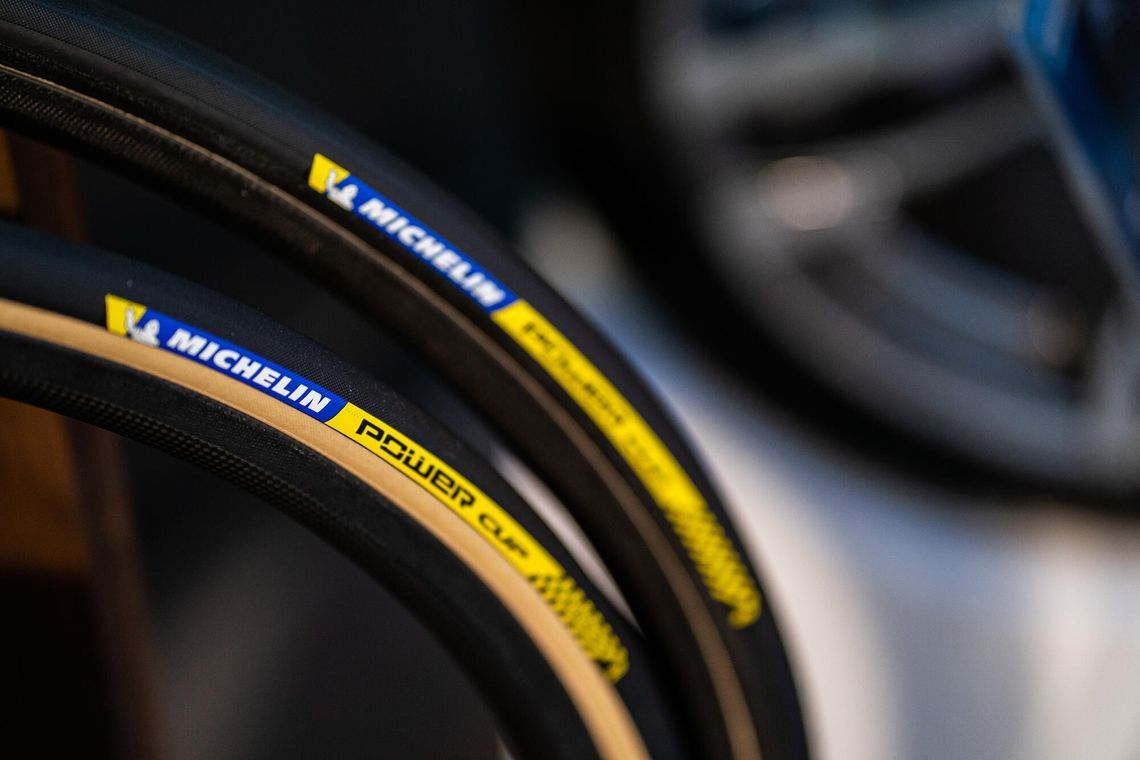
Bicycle tire sizes are expressed in three different systems: ETRTO (e.g. 25-622, the most precise format), metric (e.g. 700x25C), and imperial (e.g. 29x2.0). The ETRTO bead seat diameter (the second number) must match exactly between tire and rim. A 700c road tire and a 29-inch mountain bike tire share the same 622mm bead seat diameter but very different widths and clearances. Michelin's size chart at michelinman.com converts between all three systems.Learn more -

How to improve bike puncture resistance
Three types of punctures affect bicycle tires differently and require different prevention strategies. Perforation punctures from glass, nails, and thorns are reduced by tighter casing construction and thicker tread rubber. Pinch flats from low pressure combined with a hard impact are eliminated entirely by switching to a tubeless setup. Rim-side punctures from damaged rim tape are prevented by replacing the rim tape every time you replace the tire. Each type has a specific and practical prevention.Learn more -
How to store bike tires properly
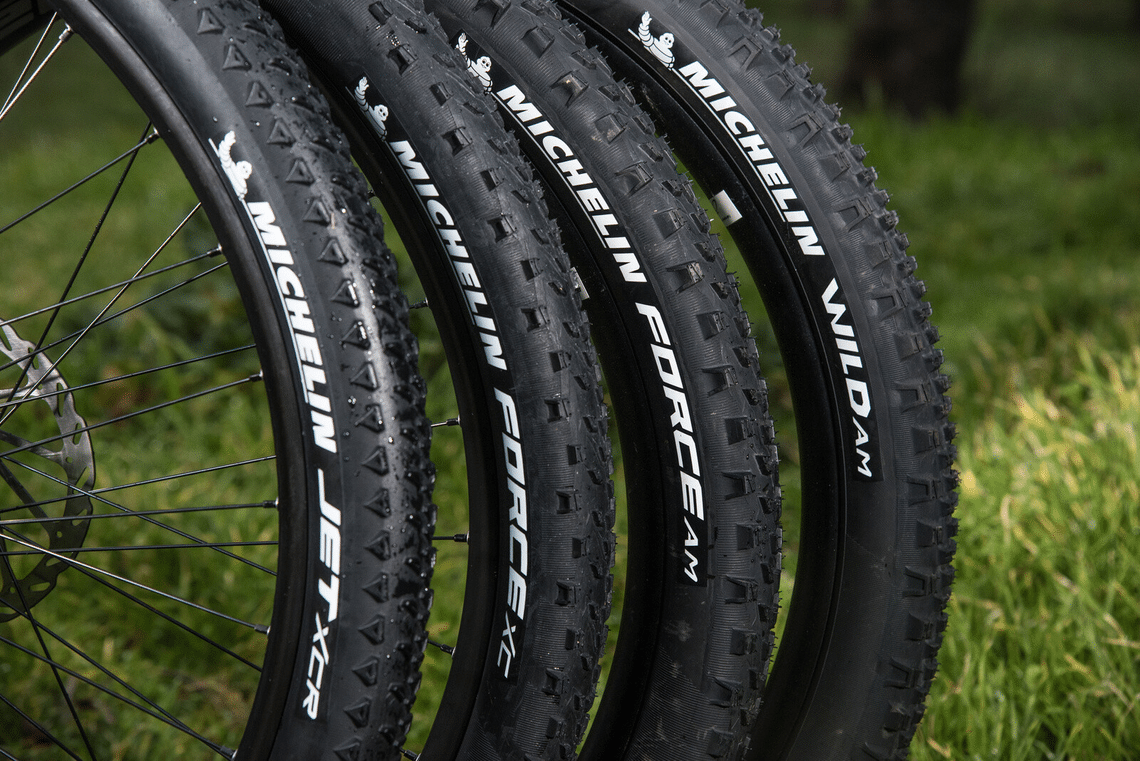
Storing your tires (mounted or dismounted) may sometimes be necessary. What special precautions should you take for bike tire storage to preserve them as much as possible? Should tires be stored differently depending on whether they are tubeless, tubed or tubular? You'll find out all you need to know after reading our experts' recommendations in this article.Learn more -
How to choose your bike tire?
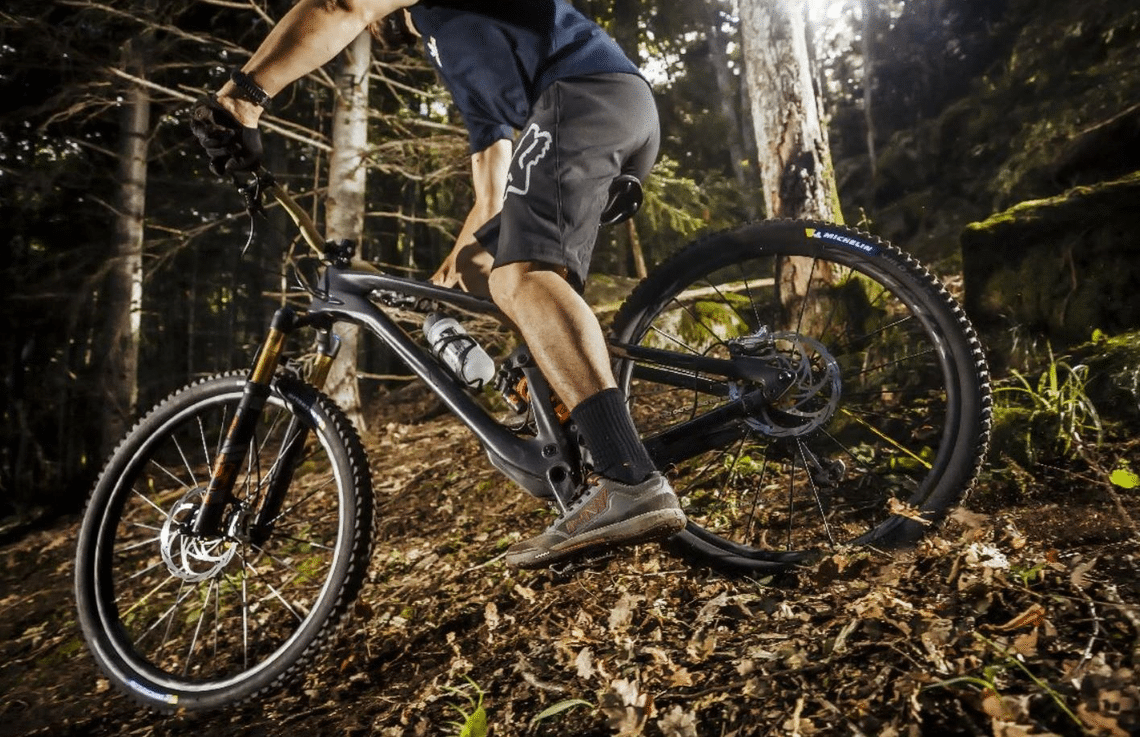
Start by identifying your riding category: road and performance, city and commuting, or mountain biking. Each has different requirements for tread, casing, width, and construction. Within your category, identify the surfaces you ride most and whether your primary priority is speed, durability, or puncture protection. Confirm what your bike can fit in terms of tire width, and decide between tube-type, tubeless ready, and tubular setups based on how much flat protection you want versus installation simplicity.Learn more -
Which inner tube for your bike and how to fit it?
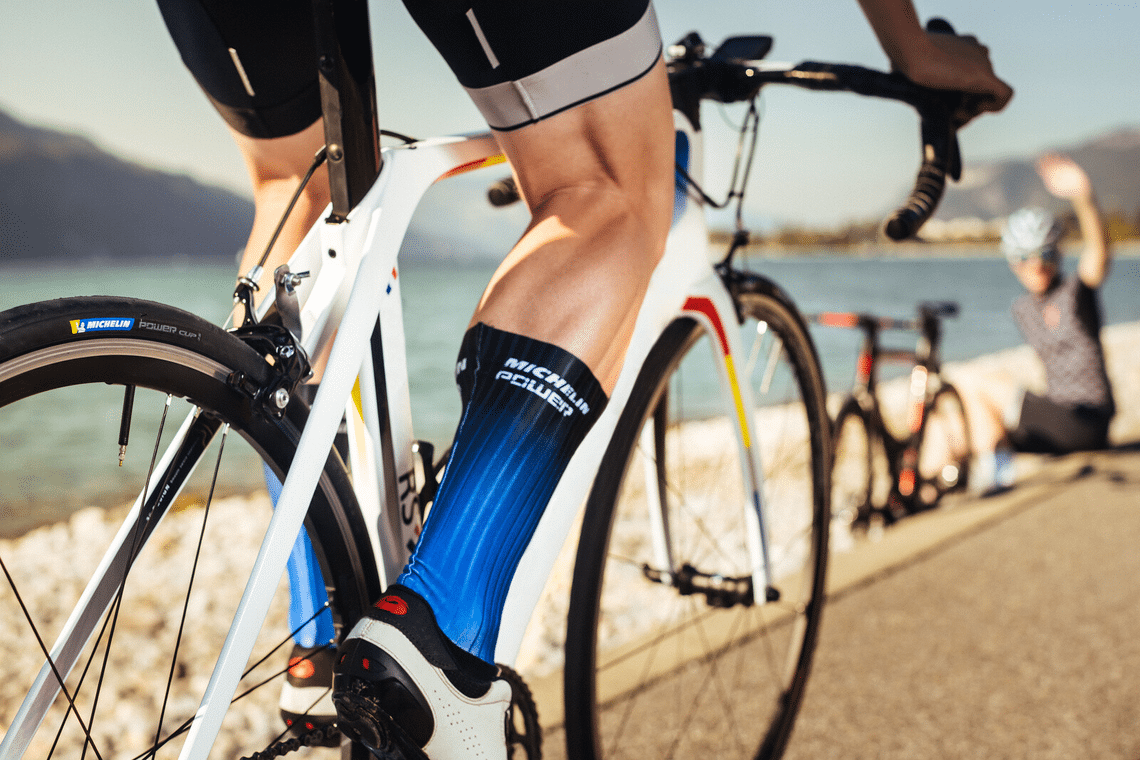
Your inner tube must match three things: the wheel diameter, the tire width range, and the valve type. Find your tire size on the sidewall in ETRTO format (e.g. 25-622), metric (e.g. 700x25C), or imperial (e.g. 29x2.0). Choose Presta for road and most performance bikes; Schrader for mountain bikes and commuters. For deep-section rims, confirm the valve stem length is long enough to clear the rim height. Replace the rim tape every time you replace the tire.Learn more -
How to change a bike tire
Before fitting a replacement tube, find and remove what caused the puncture by running your fingers slowly along the inside of the tire tread. This is the step most cyclists skip, and it is why repeated flats on a new tube are so common. Inflate the replacement tube just enough to give it shape before inserting it inside the tire. Seat the second bead without levers if possible, starting at the opposite side from the valve. Inflate slowly and check the bead line before reaching full pressure.Learn more -

How to fit tubular tires
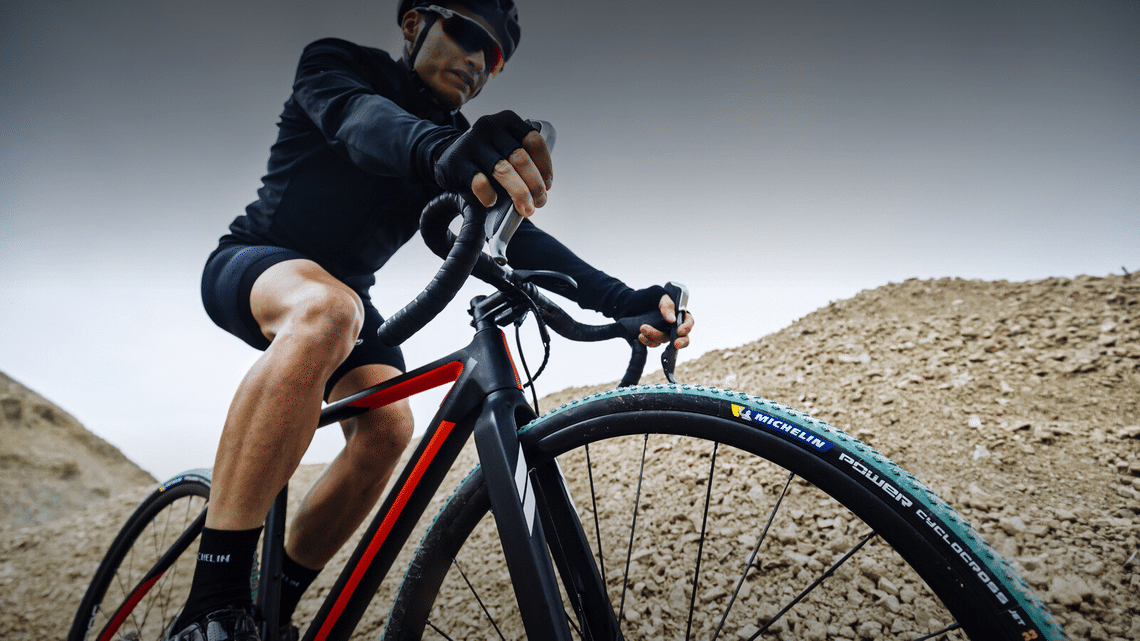
Compared to the other types of tire (Tubetype and Tubeless Ready), the tubular tire has a number of differences that make it more time-consuming and complicated to fit. Not only is it glued to the rim, but it is also sewn directly around the inner tube, which means that replacing it means changing the whole assembly. Fortunately, our experts are here to guide you. In this article, they will take you step-by-step through the process of fitting a tubular tire.
Before you start, note that this instruction guide applies to both road and cyclocross tubular tires.Learn more -
The Michelin tire pressure guide for your bicycle
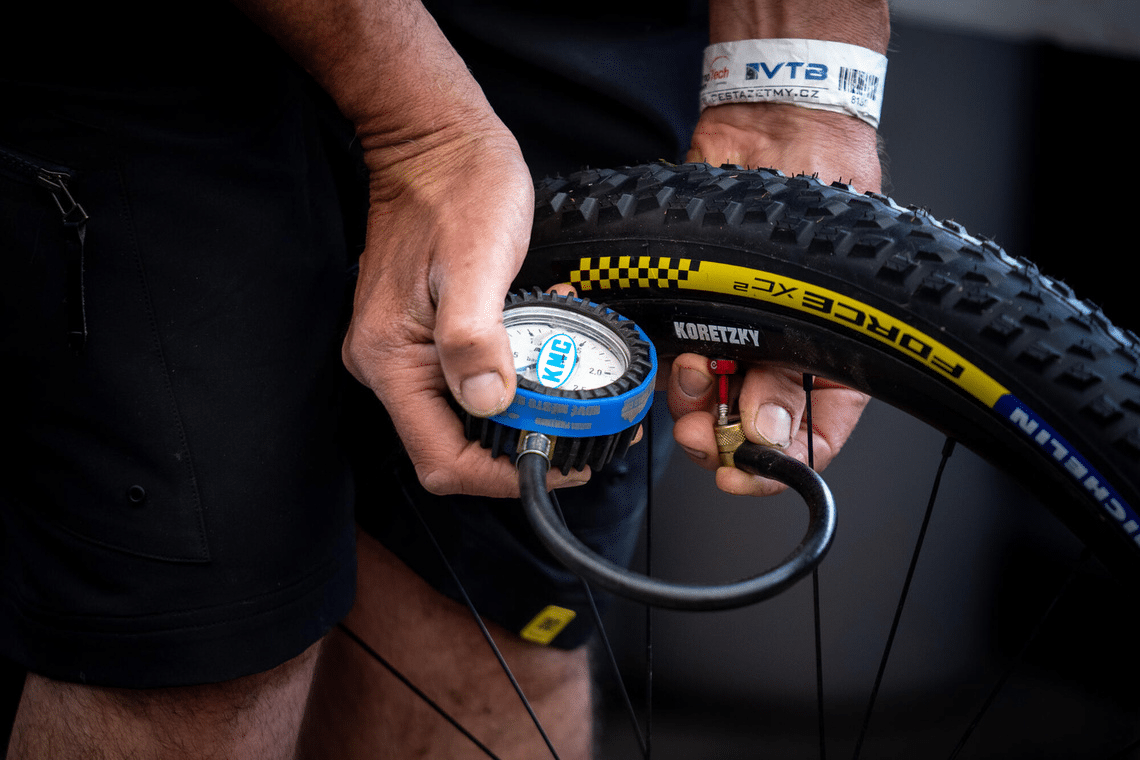
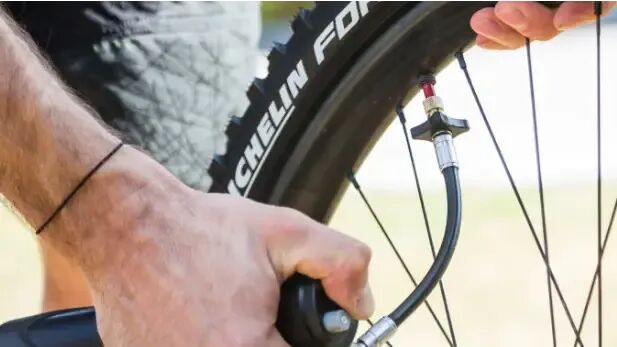
Michelin's pressure guide provides specific PSI and BAR recommendations cross-referenced by rider weight and tire width, for road, gravel and cyclocross, and mountain bike setups. Front and rear recommendations are separate, reflecting the different weight distribution across each wheel. Tubeless setups are accounted for with lower pressure ranges that reflect the absence of pinch flat risk. Use the guide as a starting point, then adjust slightly based on your specific surface: rougher terrain benefits from slightly lower pressure within the recommended range.Learn more -
What are the different types of bike tire valves?
Presta valves are standard on road bikes and most performance mountain bikes. They require a smaller hole in the rim (6.5mm vs 8.5mm for Schrader), which matters on narrow road rims where structural integrity is important. Schrader valves are the same format as car tire valves, compatible with any pump including gas station compressors, and more robust. Your rim determines which valve you need: the valve hole size is fixed and cannot be changed without a reducer adapter.Learn more -

Technical glossary
This glossary defines the specific terms used in Michelin's bicycle tire specifications. ETRTO: the standardized European size format expressed as width-bead seat diameter in mm. TPI: threads per inch in the casing (higher means lighter and more supple). TLR (Tubeless Ready): requires sealant to seal the casing and become airtight. Flexible bead (FB): aramid fiber, can be folded for storage. Wire bead (WB): steel, cannot be folded. Gum-X: Michelin compound optimizing grip and rolling speed. Magi-X: Michelin compound prioritizing maximum grip.Learn more
TIPS & ADVICE SORTED BY TOPICS
Fitting a Tubeless Tire
Find out how to properly fit tubeless tires and enjoy a smoother, more efficient ride with Michelin's tips and advice.