- Release the gas pedal gently.
- Steer the car in the direction where the back of the car is sliding.
- Shift to a lower gear quickly and use the engine to slow down.
- Turn on hazard lights as quickly as you can until you regain control.
- Apply hand brake if necessary.
Find tire dealers near you in seconds
Search among our dealers to find where your tire is available
FAQ
Read our Frequently Asked Questions.
The most common tire-related causes are a blowout or rapid pressure loss, which pulls the vehicle sharply toward the affected side, and a skid where the front tires lose grip. Non-tire causes include a broken tie rod, a seized steering component, or hydroplaning — where the tire rides up on a film of water and temporarily loses road contact. Each situation calls for a slightly different response, but the first priority is always the same: hold the wheel firmly and keep the vehicle moving in as straight a line as possible.
Look and steer toward where you want to go, not where the vehicle is currently going. Ease off the accelerator — do not brake hard, as this locks the wheels and removes steering control. If the front is sliding (understeer), ease off and let the front tires recover grip before steering. If the rear is sliding (oversteer), steer gently in the direction the rear is moving to realign the vehicle. Smooth, deliberate corrections work; sharp overcorrections usually make things worse.
Grip the wheel firmly — a front blowout will pull the vehicle sharply toward the side of the failure. Resist the pull with firm, controlled steering. Keep your foot off the brake and maintain speed briefly to stabilize the vehicle before gradually easing off the accelerator. Only once the vehicle is tracking straighter and speed has reduced naturally should you brake gently to bring it to a stop. Steer toward the shoulder as the speed drops.
A rear blowout typically causes the vehicle to swerve or fishtail rather than pull sharply. Grip the wheel firmly and keep both hands on it. Don't brake — allow the vehicle to slow naturally while you steer straight. Once it's stable and slowing, guide it carefully toward a safe stopping point on the shoulder. Rear blowouts are generally easier to manage than front ones because the front wheels still have full steering capability.
Sharp, sudden corrections. When the vehicle is already in an unstable state — sliding, pulling, or yawing — a large steering input in the opposite direction can cause a secondary loss of control that's harder to recover from than the original problem. The instinct to jerk the wheel is understandable but usually counterproductive. Small, smooth, progressive corrections give the tires a better chance to find grip and bring the vehicle back under control.
Significantly. A tire with good tread depth maintains the grip needed for steering corrections to work. An underinflated tire has a softer, less responsive sidewall that reacts sluggishly to steering inputs. A worn tire on wet roads may not have enough grip to respond to corrections at all. Maintaining tires in correct condition means that when an emergency steering input is needed, the tires are capable of delivering the response.
Related articles
-
Regaining Steering Wheel Control
If a front tire blows out, your instinct will be to brake hard. That instinct is wrong and will make the situation significantly worse. The correct response is to grip the wheel firmly, hold the accelerator briefly to stabilize the vehicle, then ease off gradually and steer toward the shoulder as speed drops naturally. This page explains the specific counterintuitive technique for blowouts, skids, and hydroplaning, each of which requires a different but deliberate response.View more -
Brake Problems
If your brakes suddenly feel soft or lose pressure while driving, pump the pedal rapidly to try to build hydraulic pressure, look for a safe exit from the road immediately, and apply the parking brake gradually only as a last resort. This page also covers the warning signs to watch for before brake problems become critical: a spongy pedal, grinding noise, pulling to one side during braking, and a pedal that sits closer to the floor than usual.View more -
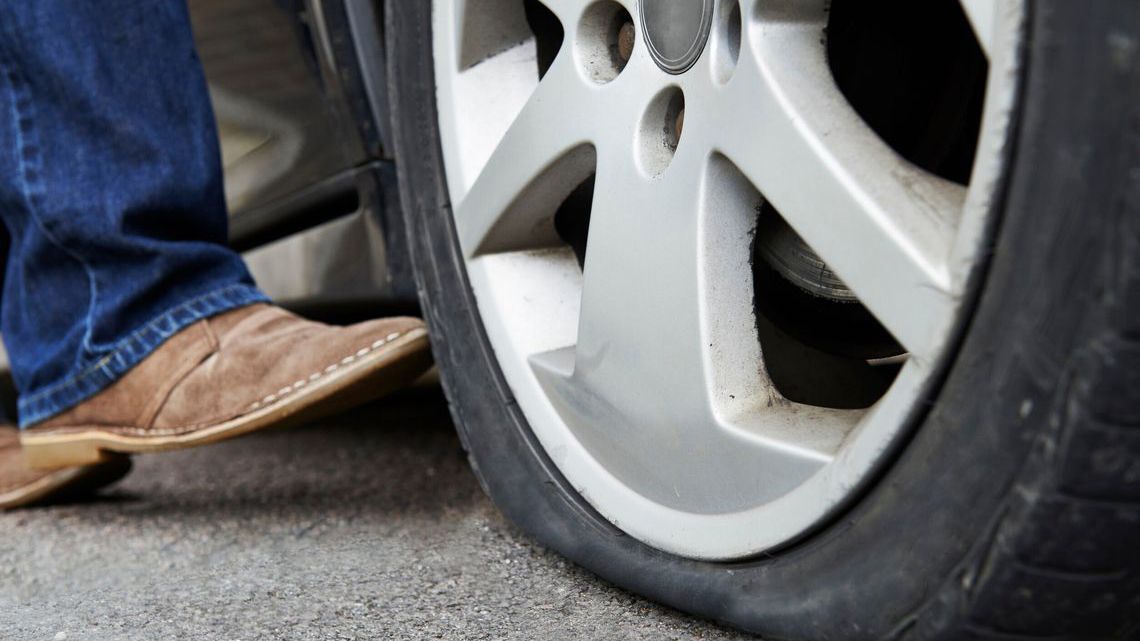
Tire Blowout
Do not brake hard during a blowout. The sudden pull toward the failed side combined with hard braking can cause a spin or roll. The correct response: grip the wheel firmly, maintain your speed briefly to stabilize, ease off the throttle gradually, and steer progressively toward the shoulder as speed drops naturally. This page explains why this approach works, the causes most responsible for blowouts, and the maintenance habits that significantly reduce your risk.View more -
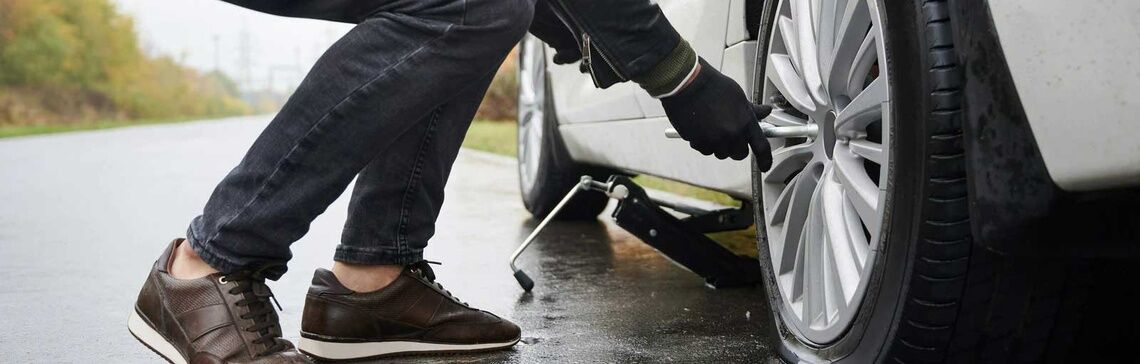
Car Emergency Kit
Your emergency kit needs to answer three questions: Can you be seen by approaching vehicles? Can you stay warm if stranded? Can you move the vehicle or call for help? The core items are warning triangles or reflective flares, a thermal blanket, a portable jump starter or jumper cables, a flashlight with spare batteries, a small shovel, traction aids, and roadside assistance contact details written on paper. For winter travel, add warm spare clothing and extra traction materials.View more