Inspecting the Tire Before Installation
Before mounting a new tire, carefully inspect it for any damage that may have occurred during shipping or storage, such as cuts, cracks, bulges, or deformities that could impact safety or performance.
For tires that have been previously mounted, inspection becomes even more vital. Clean the interior of the tire and remove any debris, residue, or old lubricant. Examine the inner liner for internal damage and signs of prior repairs. Any repairs must meet approved industry repair guidelines and be limited in number, type, and location.
Complete the inspection by examining the tire's surface for any signs of uneven wear, impact marks, or visible damage. Tires showing structural damage or faulty repairs should not be installed, as these issues can lead to air loss, vibrations, or complete tire failure.
Inspecting the Rim and Tire Beads
The wheel should be evaluated for any cracks, bends, corrosion, or damage, particularly around the bead seat and flange areas. Damage in these regions can prevent correct bead seating and result in air leaks or vibrations.
Examine the tire beads for cuts, tears, and deformities. Bead damage can occur from previous tire installation or demounting, which may compromise the tire's ability to form a proper seal on the wheel.
Pre-Mounting Preparation: Tire and Wheel Compatibility
Before mounting, make sure the tire and wheel are compatible by ensuring they have the same diameter and the wheel width meets the manufacturer's recommendations.
Verify the wheel’s maximum load rating and cold inflation limits to ensure they align with the specifications provided by the wheel manufacturer.
Check for any specific tire requirements:
Directional tires have arrows indicating the correct rotation direction.
Asymmetric tires indicate which side must face outward.
Incorrect sizing or improper placement can negatively impact bead seating, traction, handling, and wear. For more comprehensive tire maintenance guidance, refer to the Tire Maintenance section on Michelin USA.
Proper Lubrication for Safe Mounting
Sufficient lubrication is essential for effective and safe tire installation. Both tire beads and rim flanges should receive a coating of an approved tire mounting lubricant. Adequate lubrication minimizes friction, helps avoid bead damage, and ensures the tire seats evenly on the rim.
Avoid using excessive lubrication, as too much moisture within the tire can cause balance issues. The lubricant must be rubber-compatible and should dry after the mounting process. Do not use petroleum-based products, solvents, or non-approved substances, as they can harm the tire.
Proper lubrication supports correct bead seating, which helps maintain a uniform tire shape and reduces the risk of vibration.


Find tire dealers near you in seconds
Search among our dealers to find where your tire is available
FAQ
Read our Frequently Asked Questions.
Park on a flat surface in good light. Walk around the vehicle and look at each tire from the side and from behind the wheel. Check the tread surface for embedded objects, uneven wear, and depth. Look at both sidewalls — inner and outer — for cuts, cracks, bulges, or bubbling. Check the valve stem for cracks or damage. Then check the pressure with a gauge. The whole process takes under five minutes and is worth doing monthly.
Three things: cuts or gashes (particularly any that expose the underlying cords), cracks in the rubber (which can signal age-related degradation or ozone damage), and bulges or bubbles. Shallow scuffs from light curb contact are usually cosmetic. Cuts deep enough to show the fabric layer beneath, or any visible bulge, mean the tire needs professional inspection immediately and most likely replacement. Sidewall damage cannot be repaired.
Indentations — slight depressions in the sidewall — are normal on radial tires. They occur where the internal cord layers overlap in the construction and have no effect on performance. Bulges are the opposite: they indicate that air has forced its way between damaged cords in the internal structure. A bulge is a safety issue that needs immediate attention. A straightforward way to remember it: indentations are normal, bulges are not.
Look for the built-in treadwear indicator bars, which sit in the main grooves at the legal minimum depth. On Michelin tires, a small Michelin Man symbol on the sidewall marks where the indicators are located. If the tread surface is level with those bars in any groove, the tire is at the wear limit and should be replaced. For a more accurate reading, a tread depth gauge inserted at several points across the tire's width shows how evenly the tread is wearing.
Yes, and do it a few days before you leave rather than in the parking lot as you pull out. That gives you time to act on anything you find. Check pressure on all four tires and the spare when cold, inspect the sidewalls and tread on each tire, look for embedded debris in the tread grooves, and confirm the spare is inflated and in good condition. If tread depth is close to the wear limit, replace before the trip rather than managing a tire issue on the road.
No. A thorough visual inspection catches surface damage and obvious tread wear, but internal damage from an impact — a broken belt, a compromised carcass — is invisible from the outside. A tire that looks fine can have structural damage that only shows up when it's removed from the wheel and inspected from the inside. Visual checks are essential and should be done regularly, but they work alongside professional inspections, not in place of them.
Related articles
-

How to Properly Inflate Your Car Tires
Tire inflation is an important factor to ensure your safety and that of your passengers. If your tire pressure is incorrect, it can also impact your vehicle's operating costs through premature tire wear and higher-than-normal fuel consumption.
In this article, you will learn when you should check your tire pressure and how to inflate tires in 3 simple steps. You will see that tire inflation has to be done differently depending on whether your tires are cold or warm and that the spare wheel should also be checked regularly, although not as often as the other tires.
We will also address the question of the portable tire inflation compressor as an alternative to gas stations and help you decide if you should inflate tires with nitrogen.View more -
Tire Rotation: Why It Matters and How to Do It
Interchanging tires on a regular basis is an important step in tire maintenance, as it increases tire life, maintains balanced vehicle control, and promotes even tread wear. Tires wear differently depending on where they are mounted on the vehicle; therefore, adhering to specified rotation schedules helps distribute wear more evenly across all four tires over time. Tire rotation, paired with proper tire inflation, wheel alignment, and wheel balancing, helps ensure predictable vehicle performance.View more -
Can My Tire be Repaired?
A nail in the tread that has not gone all the way through may be repairable. A nail in the sidewall never is. The qualifying criteria for a safe repair are specific: the puncture must be confined to the tread area, be no larger than 1/4 inch (6mm), and be assessed by a professional with the tire off the wheel. Sidewall damage, run-flat damage, and any tire that was driven flat require replacement, not repair.View more -
Wheel Alignment and Balancing: Why They Matter
Wheel alignment and wheel balancing are important yet often misinterpreted services that impact tire performance. While these services are frequently recommended together, each addresses distinct issues that significantly influence tire wear, vehicle handling, and operational efficiency.
Understanding how alignment, balancing, mounting, and wheel fitment work together can help you protect your tires, improve driving comfort, and avoid unnecessary wear.View more -
Routine Tire Care Tips
Four habits protect your tires and your safety: check pressure monthly with a gauge, rotate every 6,000 to 8,000 miles, get alignment checked annually or after any significant impact, and keep tires clean by rinsing with water after exposure to road salt or chemicals. None of these require specialist skills or expensive equipment. This page lays them out so you can incorporate them into your regular vehicle routine.View more -
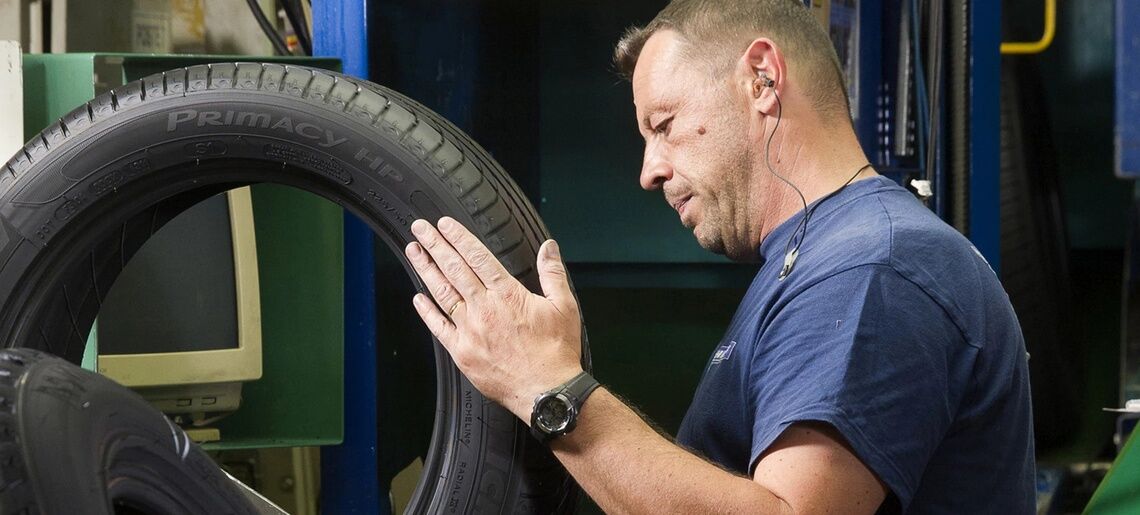
Why is tire maintenance important?
Tires lose air naturally, around one PSI per month, even without a puncture. Running a few PSI below the recommended pressure consistently shortens tire life, increases fuel consumption, and in severe cases can lead to a structural failure at highway speed. This page explains the specific consequences of neglected tire maintenance so the case for regular checks is clear and concrete.View more -
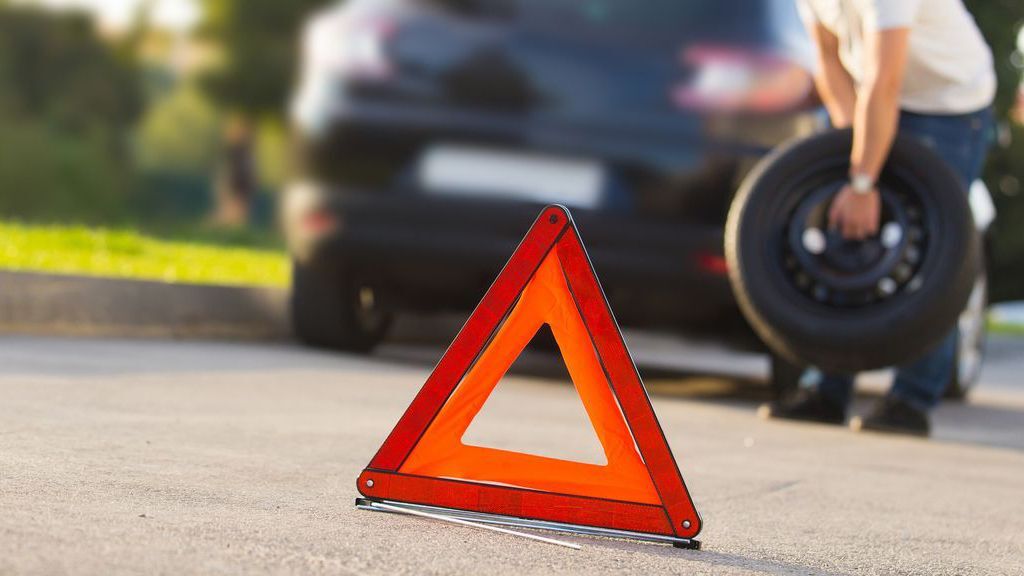
How to Change a Car Tire?
Changing a flat tire on the roadside takes about 20 minutes when you have practiced beforehand. Before you need to do it at night on a busy road, confirm your spare is in the trunk and inflated, find your jack, and know how to use both. This step-by-step guide covers vehicle positioning, safe jacking, lug nut sequence, and what to check before driving away on the spare.View more