Find Dealers

Related topics

FAQ

Read our Frequently Asked Questions.

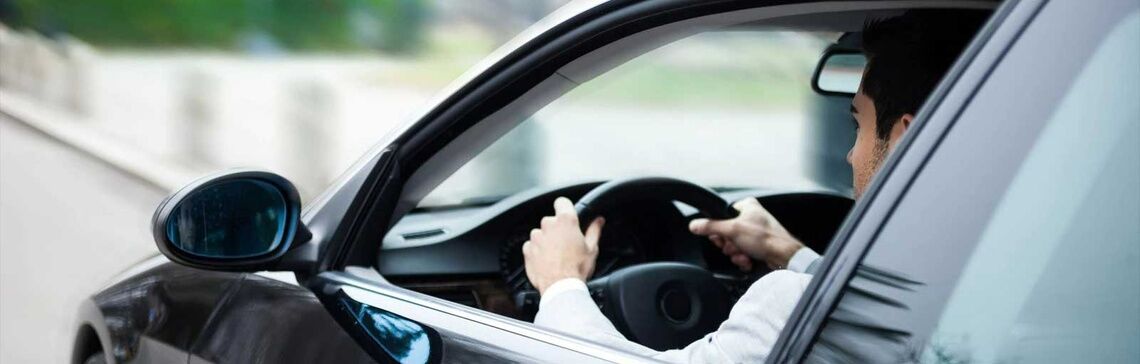
Stay as calm as possible and take one action at a time. Panic leads to overcorrection — sharp steering inputs, sudden hard braking, or erratic acceleration — which can turn a manageable situation into a crash. Grip the wheel firmly, ease off the accelerator, look toward where you want the vehicle to go, and move progressively toward a safe place to stop. Activate your hazard lights so other drivers know something is wrong.

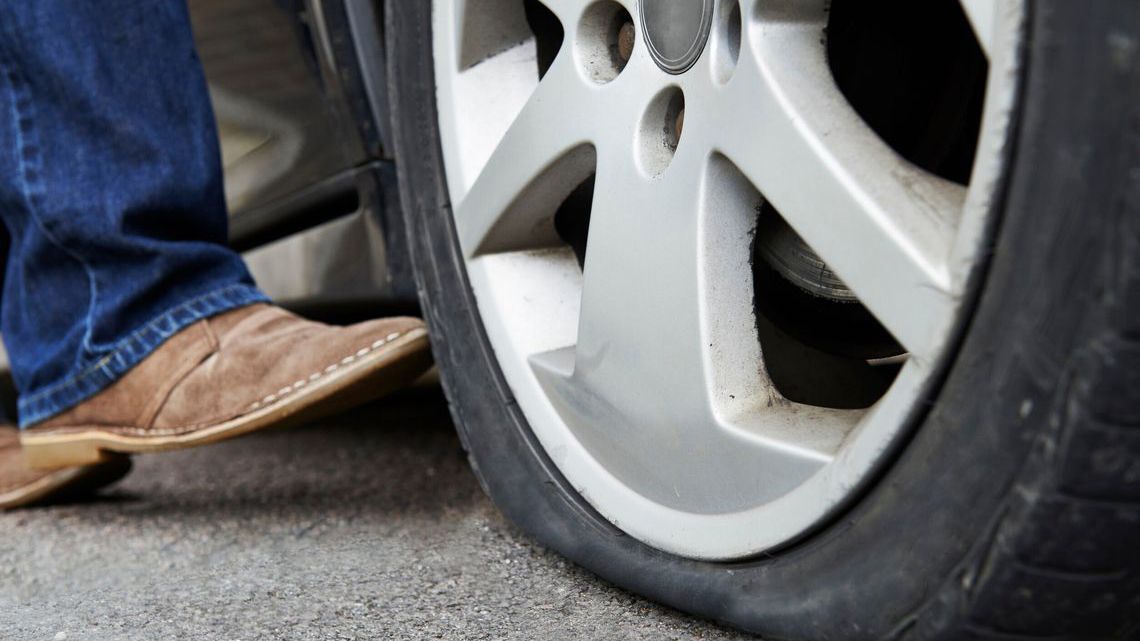
The three most common tire emergencies are a sudden blowout (rapid air loss), a slow puncture that causes gradual handling changes, and a flat discovered when you return to the vehicle. Of these, a blowout at speed is the most dangerous because it happens without warning and can immediately affect steering. The good news is that proper tire maintenance — correct inflation, adequate tread, and no unrepaired damage — significantly reduces the likelihood of all three.

Whenever continuing is unsafe or the situation is beyond what you can handle reliably. If the emergency happens in heavy traffic, on a busy highway with no safe shoulder, at night on an unlit road, or involves a vehicle fault you can't diagnose, waiting for professional help is the right call. A flat on a safe shoulder is manageable; the same flat in a tunnel or at the crest of a hill is not. Roadside assistance is part of the safety plan, not a last resort.

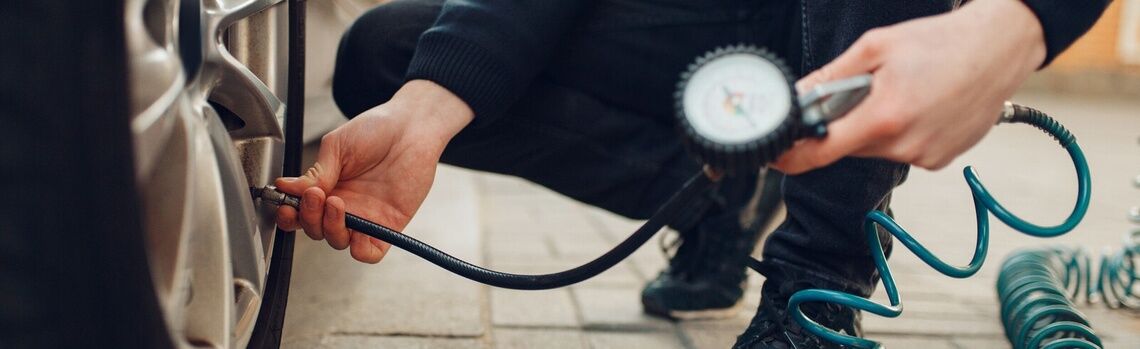
Regular vehicle checks, particularly tire pressure and tread depth. Most tire-related driving emergencies — blowouts, flat tires, handling failures — can be traced back to a tire that was already compromised before the journey started. A monthly pressure check and a quick visual inspection every time you approach the car are the simplest, most effective ways to catch problems before they become emergencies.

Directly — higher speed means more kinetic energy, less reaction time, and more severe consequences if control is lost. A tire blowout at low speed is a nuisance; the same failure at highway speed is potentially life-threatening. An emergency stop that works cleanly in a parking lot may not work on a wet highway. This is why reducing speed when conditions or vehicle behavior feel uncertain is always the correct first response.

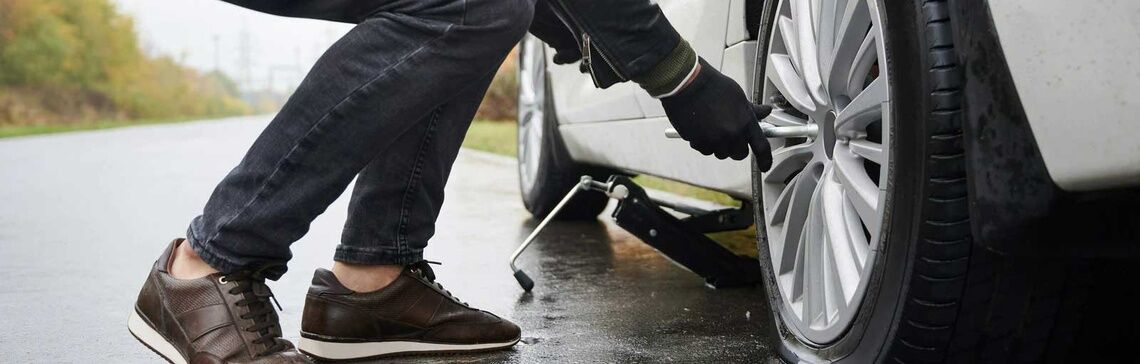
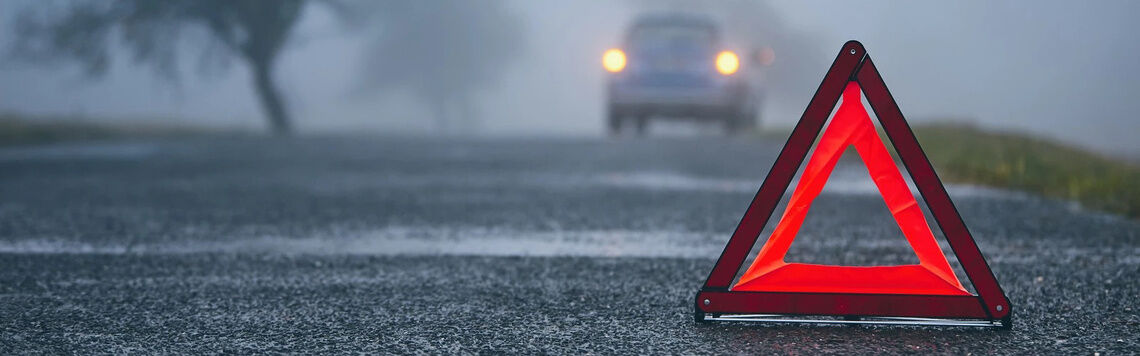
At minimum: a serviceable spare tire with correct inflation, a jack, and a lug wrench. Beyond those basics, a warning triangle or reflective flares, a flashlight, a basic first aid kit, a high-visibility vest, a phone charger, and roadside assistance contact details. In cold climates, add a blanket, ice scraper, and small shovel. These items don't prevent emergencies but they significantly improve your options when one happens.