- Tire gauge to measure the pressure of your tires
- Spare tire and jack
- Motor oil
- Jumper cables
- Flashlight
- Roadside flares
- Blankets and gloves
- First aid kit
- Bottles of water, snack bars and nonperishable food


Find tire dealers near you in seconds
Search among our dealers to find where your tire is available
FAQ
Read our Frequently Asked Questions.
The core items that cover the most likely roadside situations:
Serviceable spare tire, jack, and lug wrench
Warning triangle or reflective road flares
High-visibility vest
Flashlight with spare batteries or a rechargeable one
First aid kit
Jumper cables or a portable jump starter
Phone charger (power bank or in-car adapter)
Basic tools (screwdrivers, pliers, adjustable wrench)
For cold-weather journeys, expand the kit with:
A warm blanket and spare warm clothing
Ice scraper and snow brush
A small folding shovel
Traction mats or sand for getting unstuck
Winter washer fluid in a small container
High-energy snacks and water
A candle and lighter for emergency heat if stranded in severe cold
In the trunk or cargo area, in a bag or container that keeps everything together and accessible. Place it so it won't slide around and so you can reach it quickly in the dark. Know where it is before you need it — searching for a flashlight while standing on a dark roadside is not ideal. Review the kit contents at least once a year to replace anything used, expired, or degraded.
Yes — the spare tire is the most important emergency item most vehicles carry. But it only helps if it's in usable condition when you need it. Check the spare's inflation pressure at least once a year. The correct pressure is printed on the spare's sidewall. Inspect it for cracking or damage. A spare that's been sitting uninflated or has aged beyond its usable life is a placeholder that won't help when it matters.
Both are useful supplements for tread punctures — not substitutes for a proper spare. A portable inflator can reinflate a tire that lost pressure slowly, and a plug kit can temporarily seal a small tread puncture to allow driving to a service center. Neither handles a blowout or sidewall damage, and a plug-only repair is not considered a permanent fix. Treat them as tools for buying time to reach a professional, not as complete solutions.
At least once a year — a good time is when you swap tires seasonally or before a long trip. Check that the flashlight works, jumper cables are undamaged, the first aid kit is stocked, and the spare tire is inflated correctly. Replace anything that has been used or that has deteriorated. The kit that was complete two years ago may have gaps that developed since.
Related articles
-
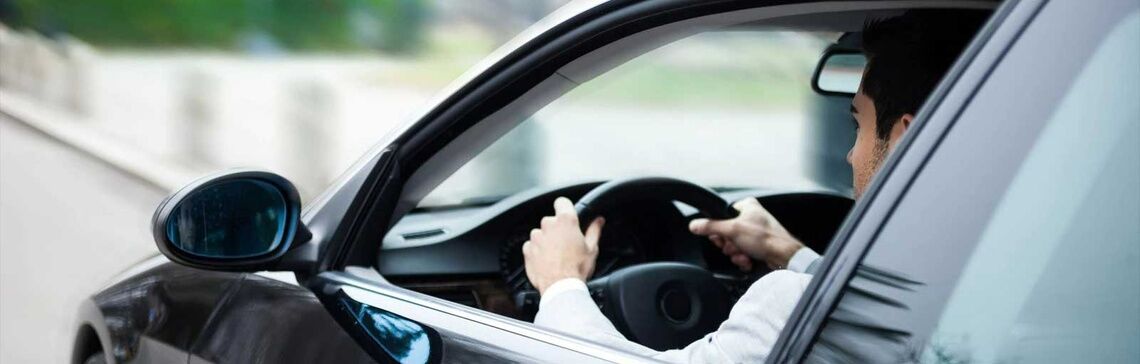
Regaining Steering Wheel Control
If a front tire blows out, your instinct will be to brake hard. That instinct is wrong and will make the situation significantly worse. The correct response is to grip the wheel firmly, hold the accelerator briefly to stabilize the vehicle, then ease off gradually and steer toward the shoulder as speed drops naturally. This page explains the specific counterintuitive technique for blowouts, skids, and hydroplaning, each of which requires a different but deliberate response.View more -

Brake Problems
If your brakes suddenly feel soft or lose pressure while driving, pump the pedal rapidly to try to build hydraulic pressure, look for a safe exit from the road immediately, and apply the parking brake gradually only as a last resort. This page also covers the warning signs to watch for before brake problems become critical: a spongy pedal, grinding noise, pulling to one side during braking, and a pedal that sits closer to the floor than usual.View more -
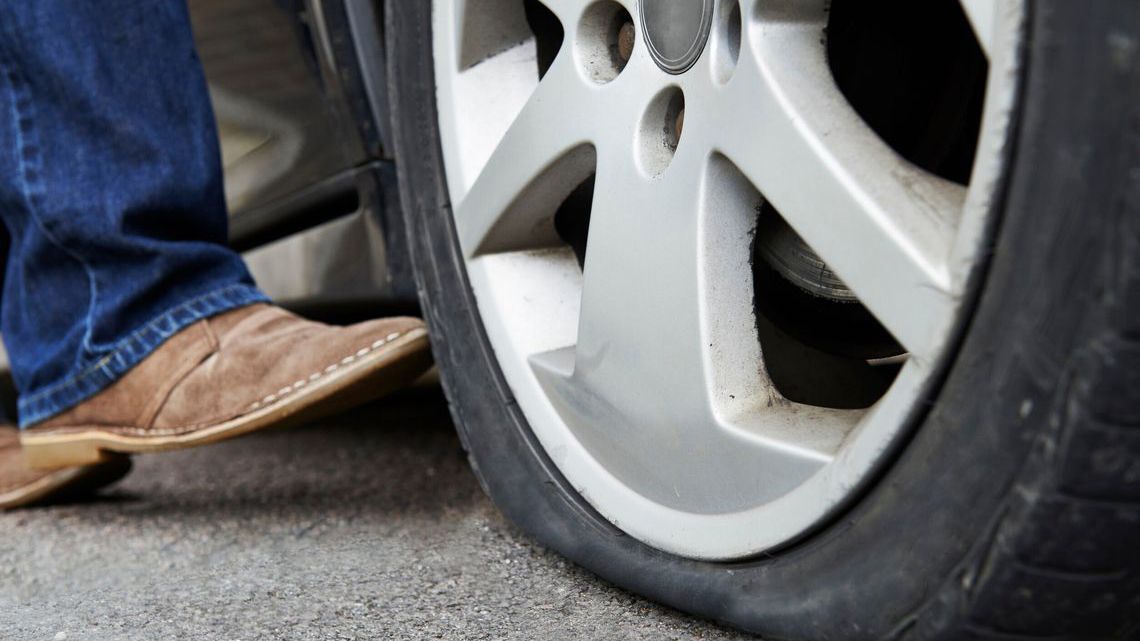
Tire Blowout
Do not brake hard during a blowout. The sudden pull toward the failed side combined with hard braking can cause a spin or roll. The correct response: grip the wheel firmly, maintain your speed briefly to stabilize, ease off the throttle gradually, and steer progressively toward the shoulder as speed drops naturally. This page explains why this approach works, the causes most responsible for blowouts, and the maintenance habits that significantly reduce your risk.View more -
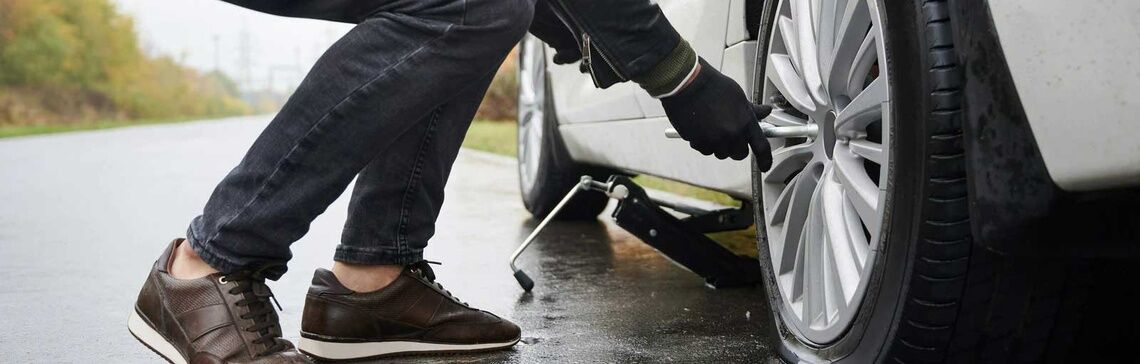
Car Emergency Kit
Your emergency kit needs to answer three questions: Can you be seen by approaching vehicles? Can you stay warm if stranded? Can you move the vehicle or call for help? The core items are warning triangles or reflective flares, a thermal blanket, a portable jump starter or jumper cables, a flashlight with spare batteries, a small shovel, traction aids, and roadside assistance contact details written on paper. For winter travel, add warm spare clothing and extra traction materials.View more