Find Dealers

Related topics

FAQ

Read our Frequently Asked Questions.

Because tires are the only part of the car in contact with the road. Brakes stop the wheels from turning, but it's the tires that convert that into actual stopping force. The same applies to steering and acceleration. A driver with the right skills on the wrong tires — or worn, underinflated ones — is working against the vehicle rather than with it. Michelin's driving tips start from that foundation: good technique and good tires work together.

A few consistent habits cover most situations:

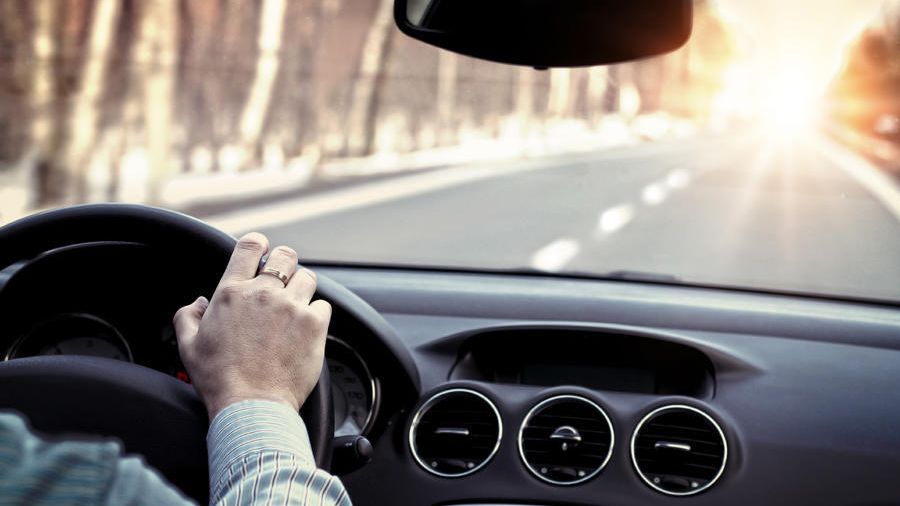
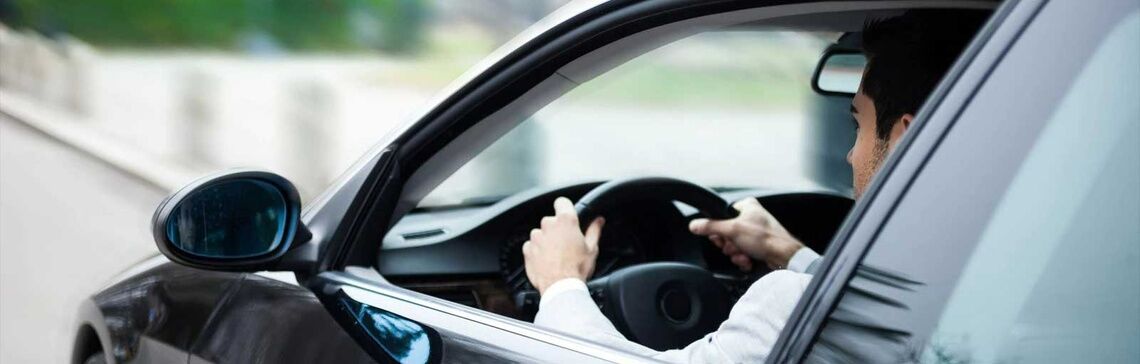
  • Keep both hands on the wheel and eyes scanning well ahead, not fixed on the car in front

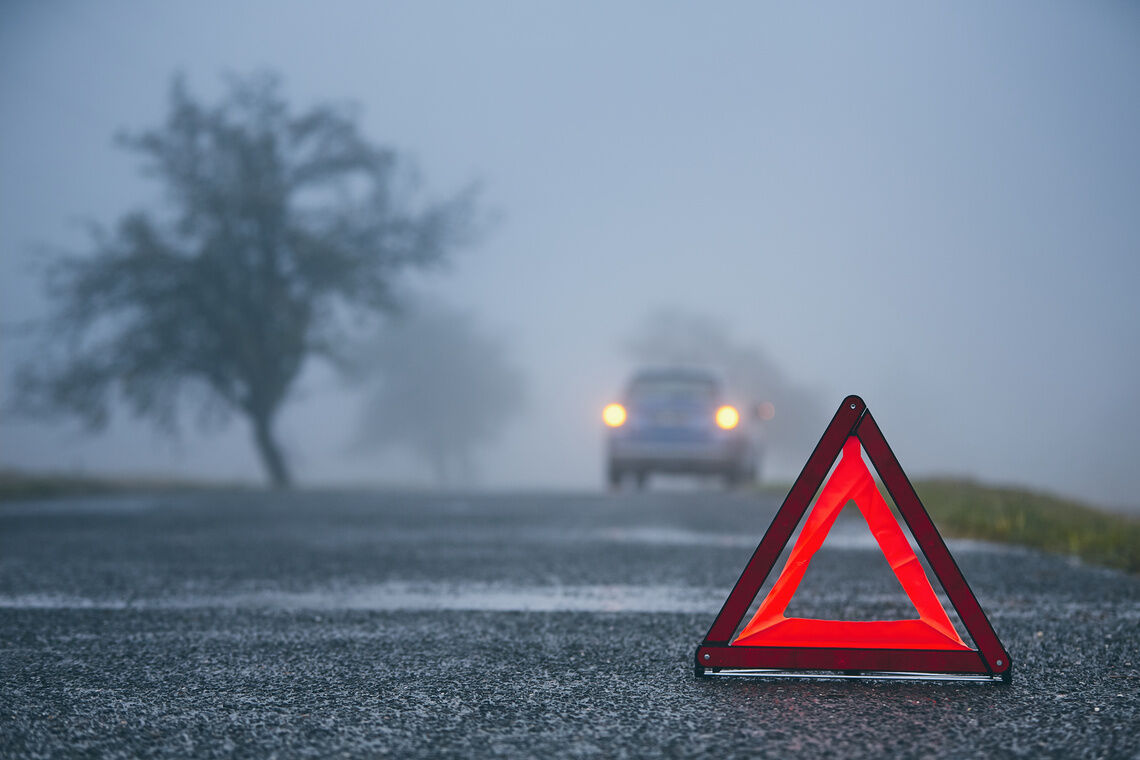
  • Adjust following distance to conditions — more space in wet, night, or low-visibility situations

  • Brake, accelerate, and steer smoothly — sudden inputs reduce control on any surface

  • Check mirrors frequently and signal well before any lane change or turn

  • Never drive when fatigued or distracted — reaction time drops significantly even with minor impairment

Yes. A tire at or near the legal tread depth limit has less ability to channel water and grip the road, so the safe following distance in wet conditions increases. An underinflated tire responds less precisely to steering inputs. A vehicle on summer tires in cold temperatures needs more space and gentler inputs than the same car on winter tires. The right driving technique always starts with knowing the limits of your current equipment.

Slow down before you reach the changed surface, not on it. Increasing speed takes a moment; reducing it on a slippery or unfamiliar surface can cause a skid. If you feel the vehicle react differently — a steering pull, less braking bite, rear movement — don't overcorrect. Ease off inputs, maintain a straight line where possible, and look further ahead to give yourself more reaction time. Gradual, deliberate inputs recover control more reliably than sharp corrections.

The transition points are where incidents are most common — the first rain after a dry spell (oil and rubber residue on the road makes it slippery before water washes it clear), the first cold snap before winter tires are fitted, the first few minutes after entering dense fog or heavy rain, and night driving on unfamiliar roads. In each case the conditions changed but the driver's habits didn't adjust immediately. Recognizing that conditions have shifted — and slowing down before problems arise — is the core of adaptive driving.

A significant one. Tires with low rolling resistance require less engine effort to maintain speed, which reduces fuel consumption directly. Underinflated tires increase rolling resistance, making the engine work harder regardless of driving style. Beyond tire choice, smooth driving — steady speeds, gentle acceleration, early braking — reduces the energy the engine needs to supply. Both tire condition and driving technique contribute to how efficiently the vehicle uses fuel.