When Are Winter Tires Really Necessary?
If you often drive in snow, ice, or freezing temperatures, winter tires are essential. Even with 4WD or AWD, you need winter tires on all four wheels for balanced traction and control. Winter tires stay flexible below 45°F, where summer and all-season tires begin to harden and lose grip. This flexibility means shorter braking distances, improved cornering, and better stability on icy or slushy winter roads.
Comparing Summer, Winter, and All-Season Tires
Summer Tires
Designed for warm, dry, or wet roads.
Provide excellent cornering and braking above 45°F.
Unsafe on snow and ice; rubber hardens in cold temperatures.
All-Season Tires
Work year-round in moderate climates.
Perform well in rain and light snow but not in heavy snow or on icy roads.
Often marked with M+S (Mud and Snow), which does not mean winter certification.
Winter Tires
Built for cold conditions including snow, slush, black ice, and freezing rain.
Stay flexible below 45°F for maximum traction.
Marked with the 3PMSF (Three-Peak Mountain Snowflake) symbol, and sometimes the Ice Grip symbol for enhanced braking on ice.
Understanding Tire Markings
3PMSF: The official winter standard, guaranteeing traction in severe snow.
Ice Grip: Indicates added performance on ice braking (a newer certification).
M+S: Stands for mud and snow, common on all-season tires but not a substitute for 3PMSF certification.
Seasonal Timing in the U.S.
The best time to switch to winter tires is when average daily temperatures fall below 45°F, typically in late fall, depending on your region. In spring, switch back to summer or all-season tires once temperatures consistently stay above that point.
For more details on timing and how cold weather affects tire pressure, see our guide on winter tire timing and air pressure tips.
What About Studded Tires?
Studded tires have small metal pins in the tread to provide extra grip on icy roads. While helpful in extreme conditions, they are not ideal on dry pavement because they increase noise, wear, and braking distances.
Rules for studded tires vary by state. In some states, they are restricted or only permitted during the winter season. To learn more about whether studded tires are right for your area, visit our winter tire buying guide.


Find tire dealers near you in seconds
Search among our dealers to find where your tire is available
FAQ
Read our Frequently Asked Questions.
Think of them as optimized for different temperature ranges. Summer tires are designed for warm conditions — above 45°F — and deliver the best grip and handling on dry and wet roads in that range. All-season tires cover a wider range, handling most conditions in moderate climates reasonably well but making compromises at both temperature extremes. Winter tires are built specifically for conditions at or below 45°F — their compound stays flexible in the cold, and their tread is designed for snow, slush, and ice. Each is the right tool for a specific job; none does all three jobs equally well.
Their rubber compound hardens as temperatures fall below 45°F, reducing grip on every surface — not just in snow. Even on a cold, dry road, summer tires provide less traction than a properly rated tire because the compound is no longer in its optimal state. In snow or ice, the reduction in grip is severe. Summer tires are not designed for winter use and should be removed before sustained cold weather arrives.
In mild winters with occasional cold days and light frost, all-season tires are workable. In climates where temperatures regularly fall below freezing, with snow and ice on the roads, they are not sufficient. All-season tires carry the M+S marking but not the 3PMSF certification — they haven't been tested against a standard for severe snow traction. In genuinely cold conditions, their compound stiffens and their winter capability diminishes. For real winters, dedicated winter tires or 3PMSF-rated all-weather tires are the safer choice.
No. Mixing tire types across axles or within the same axle creates handling inconsistencies that are difficult to predict. The two axles will respond differently to braking, acceleration, and cornering inputs. For safe, predictable vehicle behavior, all four tires should be the same type. This applies to mixing summer and all-season tires just as much as mixing any other combination.
Not necessarily. Winter tires can be mounted on your existing wheels, but many drivers purchase a separate, typically less expensive set of wheels for winter. This makes seasonal changes a simple wheel swap rather than a remounting service, and it avoids repeated bead seating on your primary wheels. The manufacturer does not require separate wheels for winter tires as long as the winter tire size matches the summer or all-season size. If the sizes differ, different wheels may be needed.
The practical threshold is how severe your winters are. If temperatures regularly fall below 45°F, with ice or meaningful snow accumulation, two sets — winter and all-season or summer — is the safer approach. If your winters are mild, with occasional cold days and light frost but rarely sustained freezing temperatures, a quality all-season tire may be sufficient. All-weather tires (3PMSF-rated) offer a middle ground for drivers who want certified cold-weather performance without managing two seasonal sets.
Related articles
-

When to Replace Tires
There is no single rule that determines how long a tire will last. Tire lifespan depends on a combination of factors, including tire design, driving habits, climate, road conditions, and how well the tires are maintained.
Rather than relying on mileage alone, Michelin recommends regular inspections and paying attention to both visible signs and changes in performance that may indicate a tire needs to be replaced.View more -

How to Choose the Right Tires
Start with your vehicle's door jamb placard, which lists the required tire size and load index. Then factor in your driving environment: frequent highway miles, city stop-and-go, rain, or winter conditions each point toward different tire priorities. This guide walks through each decision point so the right tire becomes clear before you set foot in a shop, and you are not relying solely on a salesperson's recommendation.View more -

How to Prepare for a Tire Dealer Visit
Easily prepare for your visit to the dealer with Michelin's guide. Be sure to ask your tire dealer these 5 questions to ensure you get everything you need.View more -
Can You Mix Tires? What to Know Before You Do
Maintaining your car in the configuration set by the manufacturer is the safest approach for tire replacement. This means following the tire specifications outlined on your car's placard, in the owner's manual, and in any OE (original equipment) technical bulletins. This is essential, as these documents take into consideration how the car was built to manage load, steering, braking, and stability, especially when replacing just one or two tires.View more -
How to compare tires?
On what basis should you compare tires to select the one that will give you complete satisfaction? This article is about the main performance criteria to consider, the decision aids you can use and Michelin's best advice. We will discuss how to select the one you need within the same tire line and provide you with decision aids, such as independent tire tests, labelling and tire comparison sites. Finally, we will discuss another important criterion: long-term performance.View more -

Winter Tire Buying Guide
Whether you are a first-time car owner, new to winter driving, or simply looking to make the safest choice for your vehicle, this guide covers everything you need to know about buying winter tires. From understanding the difference between winter, all-season, and summer tires to recognizing important tire symbols and studded options, here is how to stay safe through the coldest months of the year.View more -
Michelin-Developed Marked Tires
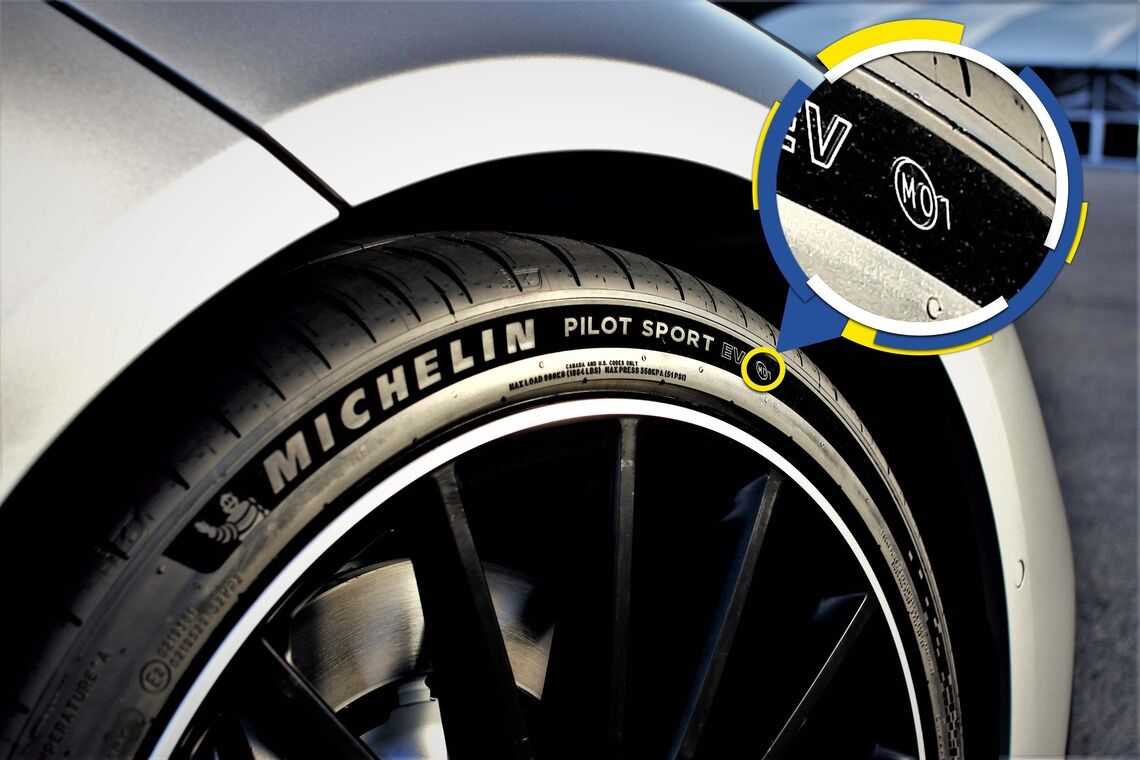
Michelin believes that close collaboration with vehicle manufacturers is essential when developing high-performance tires. Every vehicle has unique characteristics that influence how a tire should perform, including weight distribution, power output, chassis design, and suspension tuning.
Michelin-developed marked tires are engineered to match these vehicle-specific requirements. Designed and approved jointly by Michelin and the automaker, these tires are tuned to help ensure the tire performs as intended on the vehicle for which it was developed.View more -

Choosing the Right Tire Size for Your Vehicle
Selecting the correct tire size is essential for proper fitment, performance, and safety. Tire size information is defined by standardized tire markings and can be found on the tire sidewall, in your vehicle owner’s manual, or on the vehicle tire information placard. Knowing where to locate this information and how to interpret it helps ensure replacement tires meet your vehicle manufacturer’s specifications.View more -
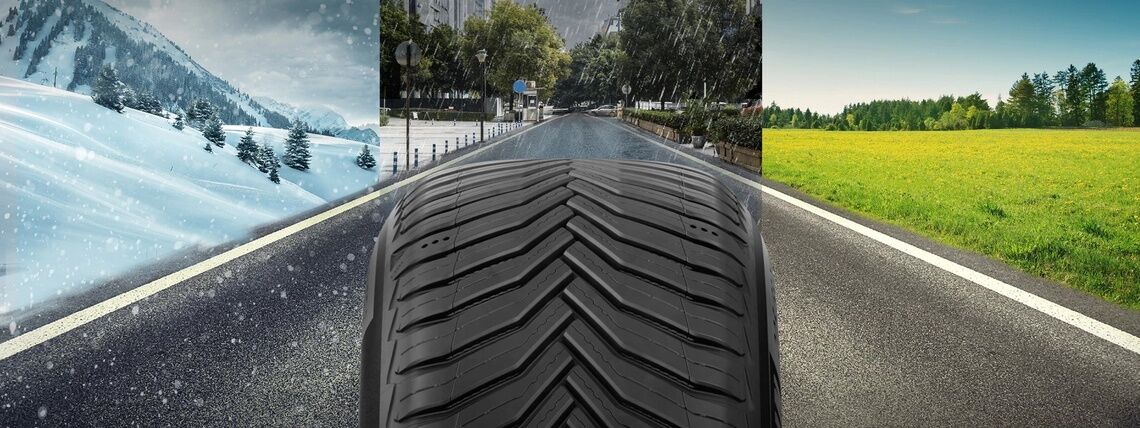
Do I Need Seasonal Tires?
All-season tire rubber begins stiffening below 45 degrees Fahrenheit, reducing grip on cold, dry roads before any snow appears. Summer tires are even more temperature-sensitive. Winter tires use compounds formulated to stay flexible and grippy through the full cold season. This page explains what each category is actually designed for, what it compromises, and which one matches your climate.View more