Note on the video:
The footage is shot at a professional course with a professional driver and tire-explosive testing equipment.
The loud noise will surprise you but try to stay calm.
Always keep both hands on the steering wheel and grip firmly. This may save your life in case of a sudden rapid deflation.
Don’t slam the brakes, keep your foot on the gas to maintain the momentum of the vehicle.
Keep the direction of the car as straight as possible.
Brake slowly to maintain control of the vehicle and lower the speed.
Bring the car to a stop in a safe place.

Find tire dealers near you in seconds
Search among our dealers to find where your tire is available
FAQ
Read our Frequently Asked Questions.
Hold the steering wheel firmly with both hands — a blowout creates an immediate pull toward the affected side. Do not slam the brakes. Keep your foot on the accelerator briefly to maintain momentum and stabilize the vehicle, then ease off gradually. Look ahead toward the shoulder and steer there progressively as speed drops. Apply gentle braking only once the vehicle is traveling slowly and tracking straight. Activate hazard lights.
Hard braking during a blowout can cause the vehicle to spin or veer sharply out of control. The blowout has already upset the balance of forces acting on the vehicle. Adding sudden, heavy braking — particularly if the damaged tire locks — multiplies the instability. Allowing speed to reduce naturally through reduced throttle and the drag of the flat tire gives you more time to steer and stabilize before braking gently.
A blowout is sudden and dramatic — a loud bang or explosive sound, an immediate strong pull to one side, and vibration through the vehicle. A slow flat develops gradually: subtle handling changes, the vehicle drifting slightly, and increasing vibration as the tire deflates. TPMS helps identify both, but a blowout is felt instantly through the wheel and body of the vehicle, while a slow flat may only trigger the TPMS light after some time.
The most common causes are sustained underinflation (which causes the tire to overheat and fail structurally), overloading the vehicle beyond tire and vehicle ratings, impact damage from potholes or road hazards, and driving on a tire with pre-existing damage. Regular pressure checks, staying within load limits, avoiding road hazards where possible, and having tires professionally inspected after hard impacts all reduce blowout risk significantly.
Often not. A blowout involves structural failure of the tire — broken cords, severe sidewall damage, or carcass failure — rather than a simple puncture. Even if the damage appears localized, the tire must be removed from the wheel and inspected by a professional before any decision is made. Running a tire flat even for a short distance typically causes damage beyond repair. In most blowout cases, replacement is necessary.
Run-flat tires are designed with reinforced sidewalls that support the vehicle's weight after pressure is lost, allowing limited driving to a service location. In a pressure loss event — which may be more gradual than a traditional blowout — a run-flat allows the driver to maintain control and reach safety without needing to change the tire immediately. The vehicle's TPMS is essential with run-flats, as the tire looks and feels nearly normal even when deflated.
Related articles
-
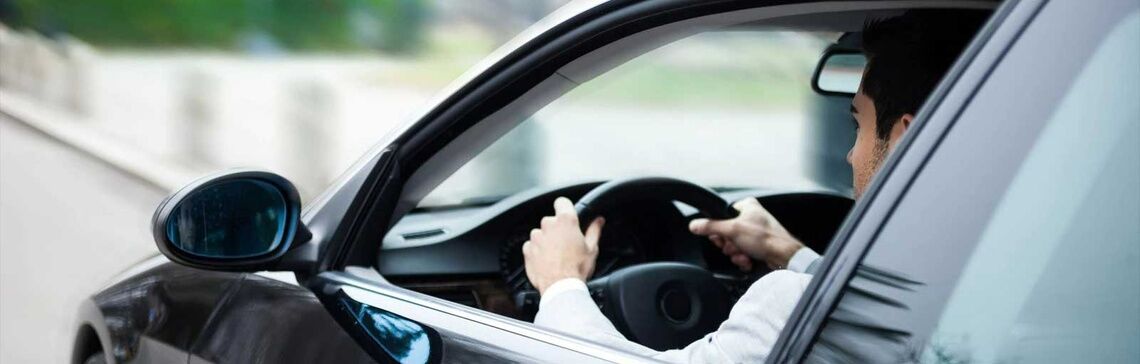
Regaining Steering Wheel Control
If a front tire blows out, your instinct will be to brake hard. That instinct is wrong and will make the situation significantly worse. The correct response is to grip the wheel firmly, hold the accelerator briefly to stabilize the vehicle, then ease off gradually and steer toward the shoulder as speed drops naturally. This page explains the specific counterintuitive technique for blowouts, skids, and hydroplaning, each of which requires a different but deliberate response.View more -
Brake Problems
If your brakes suddenly feel soft or lose pressure while driving, pump the pedal rapidly to try to build hydraulic pressure, look for a safe exit from the road immediately, and apply the parking brake gradually only as a last resort. This page also covers the warning signs to watch for before brake problems become critical: a spongy pedal, grinding noise, pulling to one side during braking, and a pedal that sits closer to the floor than usual.View more -
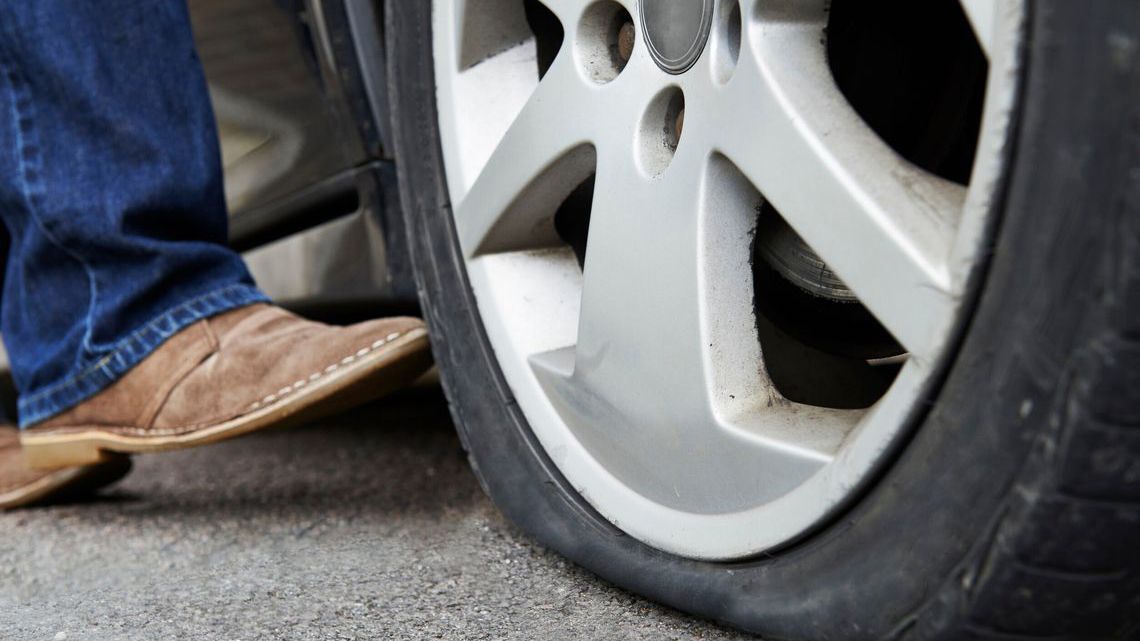
Tire Blowout
Do not brake hard during a blowout. The sudden pull toward the failed side combined with hard braking can cause a spin or roll. The correct response: grip the wheel firmly, maintain your speed briefly to stabilize, ease off the throttle gradually, and steer progressively toward the shoulder as speed drops naturally. This page explains why this approach works, the causes most responsible for blowouts, and the maintenance habits that significantly reduce your risk.View more -
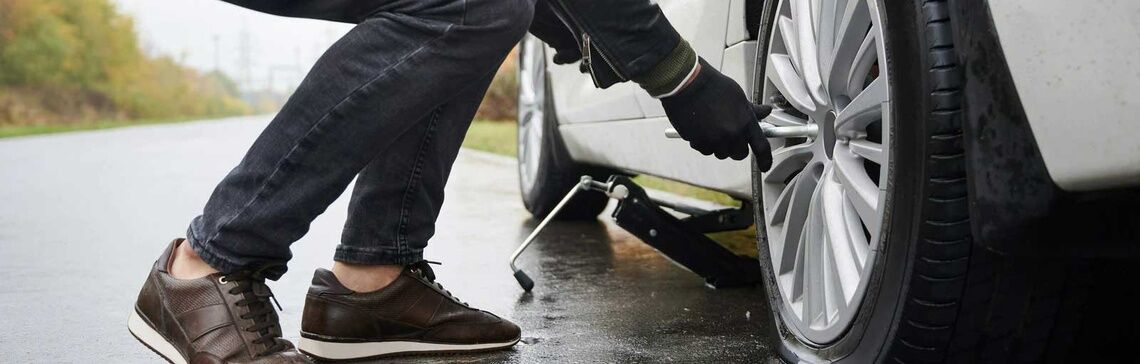
Car Emergency Kit
Your emergency kit needs to answer three questions: Can you be seen by approaching vehicles? Can you stay warm if stranded? Can you move the vehicle or call for help? The core items are warning triangles or reflective flares, a thermal blanket, a portable jump starter or jumper cables, a flashlight with spare batteries, a small shovel, traction aids, and roadside assistance contact details written on paper. For winter travel, add warm spare clothing and extra traction materials.View more