Everything you need to know for electric cars in winter with driving expert Carl Nadeau
This winter, feel more prepared than ever with former racecar driver Carl Nadeau's driving tips! Learn how to master the roads with your electric vehicle. With the best winter driving advice, you can get to and from your destination with peace of mind, every single time.
Why Choose Michelin Winter Tires for your Electric Car
Wondering why you should choose Michelin winter tires for your electric car? Look no further. Learn all about Michelin's high-performing winter tires that are compatible with regular ICE cars, as well as hybrid and electric cars.
Discover the many reasons why Michelin winter tires are the best option for your EV with professional former racecar driver and driving expert Carl Nadeau. With improved treadwear, reduced noise, and increased range, Michelin tires are undoubtedly the best choice when it comes to winter tires for hybrid and electric cars.
For more information, check out our Winter Tire Guide for Hybrid & Electric Cars.
Winter Tires VS. All-Season Tires for Electric Vehicles
When it comes to winter tires, whether you drive an ICE, hybrid, or electric vehicle, the need is the same. Though you may wonder, what is the difference between winter tires and all-season tires? Overall, winter tires provide better traction than all-season tires. Michelin winter tires not only provide shorter stopping distances than all-season tires, but they are also designed to perform in all winter conditions, whether that be slush, snow, or ice. Rest assured that you can rely on Michelin winter tires to get you and your family to your destination safe and sound, every single time.
If you want more help to choose winter tires, take a look at our Guide to Find the Best Winter Tires for Your Vehicle.
Improved Rolling Resistance for Electric Vehicles
Since the 1970s, Michelin has been innovating to create energy-efficient tires. One of the main concerns when it comes to energy efficiency is range. Michelin winter tires are designed to provide improved rolling resistance, allowing you to consume less energy in your electric vehicle and drive longer distances. At the same time, they provide traction, durability, and a quiet ride. Watch the video below for more details.
Noise Reduction Technology for Electric Vehicles
One of the main concerns of electric vehicle owners when it comes to winter driving is noise. When driving on winter tires with an electric car, tire noise is more noticeable. However, Michelin has created tires that are designed with Piano Acoustic Tuning. This technology reduces vibrations, in turn lowering cabin noise. Keep your family safe while also enjoying a peaceful ride with Michelin winter tires.
Electric Vehicle Winter Driving Tips
With Michelin's high-performing winter tires, you can drive with peace of mind. Discover everything you need to know when it comes to winter driving in an electric car. Carl Nadeau provides his top recommendations and tips for winter driving in your EV. As electric vehicles are heavier than ICE vehicles due to the battery, the experience is quite different. Nadeau explains the best practices when it comes to tire pressure, stopping distance, accelerating, turning, and more.
The Difference Between ICE Vehicles & Electric Vehicles
Discover the differences between ICE cars and electric cars when it comes to winter driving. Electric vehicles are known to be heavier, so the driving experience is quite different. Nadeau tackles various concerns such as braking, accelerating, cornering, range, and more.


Find tire dealers near you in seconds
Search among our dealers to find where your tire is available
FAQ
Read our Frequently Asked Questions.
The two most important: fit the right tires (winter-rated, with the correct load capacity for your EV) and drive smoothly. Smooth acceleration matters particularly for EVs in winter because instant torque delivered abruptly causes the driven wheels to spin on slippery surfaces. Gradual, progressive throttle inputs give the tires time to find grip. Smooth braking uses the tires efficiently — the regenerative braking system alone may not provide enough stopping force on ice.
Yes. Regenerative braking applies deceleration force through the motor, which creates a deceleration effect similar to engine braking. On slippery surfaces, applying full regenerative braking can cause rear wheels to lock on rear-drive or AWD EVs, similar to hard braking in a combustion vehicle. In very slippery conditions, reducing the regenerative braking intensity through the vehicle's settings may provide more progressive and controllable deceleration — check your vehicle's manual for how to adjust this.
Cold temperatures reduce battery capacity and energy density, which reduces driving range independent of any tire factor. Tires with lower rolling resistance and correct inflation pressure help offset some of this reduction by requiring less battery energy to maintain speed. But the primary range reduction in winter is battery chemistry, not tire performance — managing expectations and planning routes with charging in mind is the most reliable approach.
The principles are the same — smooth inputs, reduced speed, increased following distance — but an EV's instant torque delivery makes smooth acceleration even more important. On snow or ice, applying throttle abruptly causes wheelspin before the traction control can react. Building speed progressively from standstill avoids this. The weight of an EV also means stopping distances on slippery surfaces are longer, reinforcing the need for increased following distance.
Four priority checks: tire pressure (cold, using the door jamb specification), tread depth (confirm adequate depth for winter conditions), tire type (confirm winter-rated tires are fitted if temperatures are consistently below 45°F), and battery charge level (cold weather reduces range — start with a full or high charge for any extended winter journey). Also confirm that the defroster, heated seats, and lights are functioning — heating systems draw from the battery and affect range.
EVs have some handling characteristics that require attention in winter: their weight increases braking distance on slippery surfaces compared to lighter combustion vehicles, and their instant torque can cause wheelspin if throttle is applied abruptly. However, EVs with well-designed traction control systems and winter tires fitted to the correct specification are fully manageable in winter conditions. The tire choice and smooth driving technique are the most critical factors.
Related articles
-
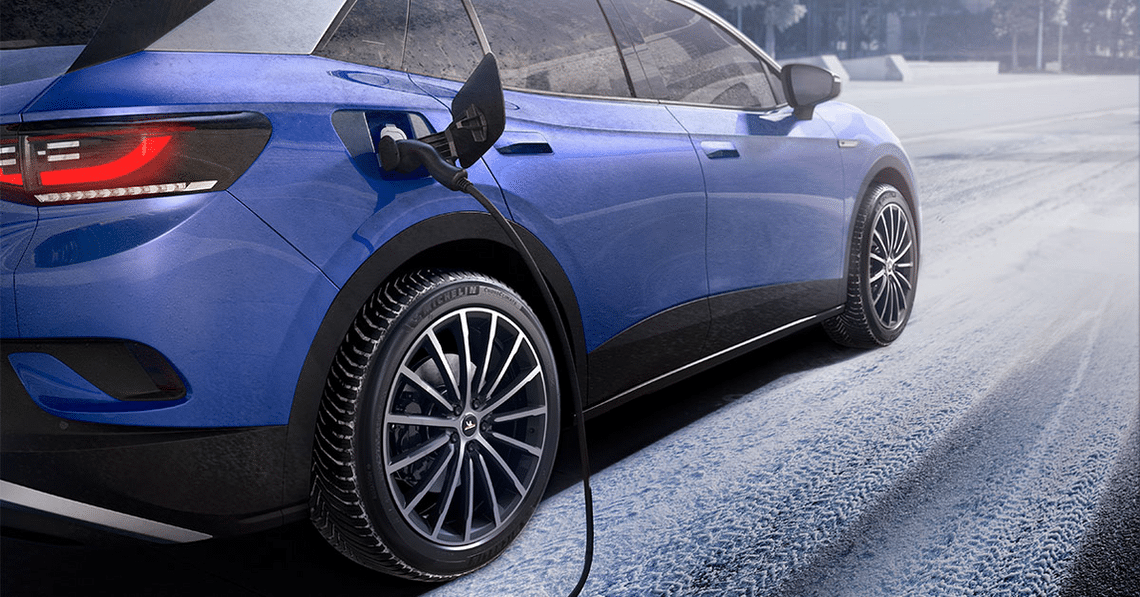
Winter Tire Guide for Hybrid and Electric Cars
Your EV or hybrid brakes on ice the same way any vehicle brakes on the same tires: the drivetrain does not help stopping. Because EVs are heavier than comparable combustion vehicles, their stopping distances on slippery surfaces are longer. Winter tires developed specifically for electric vehicles address this through cold-weather compounds for grip, combined with low-rolling-resistance construction to protect the battery range you are already managing carefully in cold temperatures.View more -

Winter Tire Buying Guide
Whether you are a first-time car owner, new to winter driving, or simply looking to make the safest choice for your vehicle, this guide covers everything you need to know about buying winter tires. From understanding the difference between winter, all-season, and summer tires to recognizing important tire symbols and studded options, here is how to stay safe through the coldest months of the year.View more -
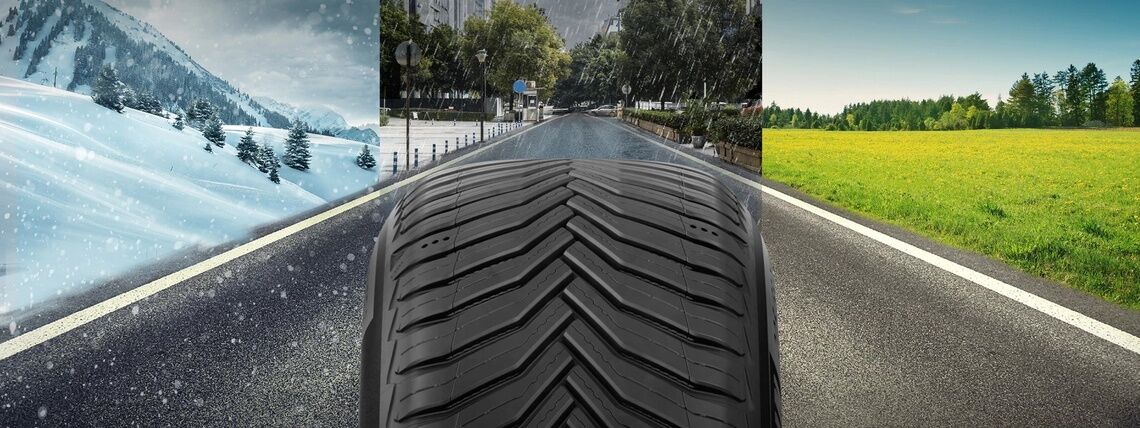
Do I Need Seasonal Tires?
All-season tire rubber begins stiffening below 45 degrees Fahrenheit, reducing grip on cold, dry roads before any snow appears. Summer tires are even more temperature-sensitive. Winter tires use compounds formulated to stay flexible and grippy through the full cold season. This page explains what each category is actually designed for, what it compromises, and which one matches your climate.View more -
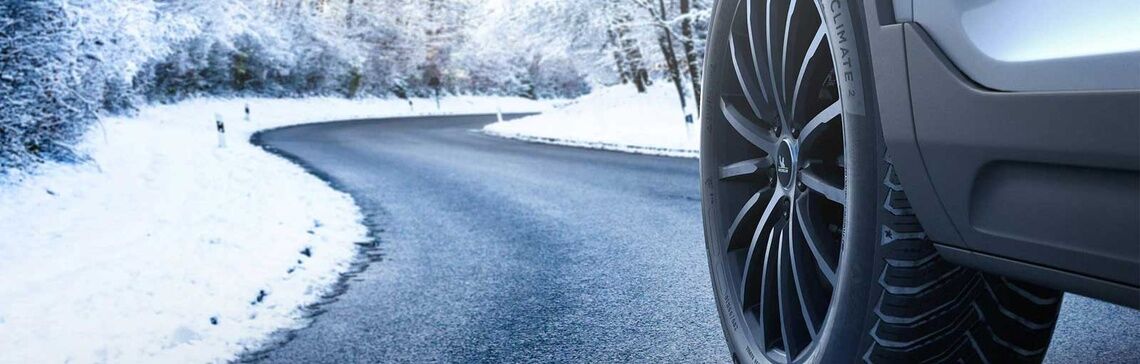
Tips for Safe Driving on Ice & Snow from the Experts
Winter driving requires patience, preparation, and skill. Mastering a few key techniques can make all the difference, helping you stay in control on unpredictable snowy and icy roads. These expert tips from Michelin will help you drive safely and confidently all winter long.View more -

Preparing for Winter: How Cold Affects Tire Pressure and When to Switch Tires
Your vehicle is only as safe as its tires. Even the best winter tires cannot perform properly if they are installed too late or are underinflated in cold weather. Understanding how temperature changes affect tire pressure, and knowing when to make the seasonal switch, are key to staying safe and confident on winter roads.View more -
How to Drive Safely in Winter
Three adjustments prevent the majority of winter accidents: reduce speed before situations demand it rather than during them, brake in a straight line before entering corners, and leave at least 8 to 10 seconds of following distance. These give winter tires the space and time to do their job. Without these adjustments, even the best winter tires cannot compensate for the physics of a late, urgent response on reduced-traction surfaces.View more -

Driving for Fuel Economy
Correct tire pressure is one of the most accessible fuel efficiency improvements available to any driver. Underinflated tires increase rolling resistance, requiring the engine to work harder to maintain the same speed. Beyond pressure, smooth acceleration and early, gradual braking reduce the energy wasted in repeated hard stops and sharp starts. Both habits extend tire life as a secondary benefit, making fuel economy driving one of the most practical forms of tire care.View more