What Do the Numbers on Tires Mean?
Tire markings are molded into the sidewall and provide key technical details about the tire. They identify the tire type, size, construction, load rating, speed rating, and other performance or regulatory information.
When replacing tires, understanding these markings helps ensure the new tire meets the specifications recommended by the vehicle manufacturer.
"How to Read a Tire" at a glance: Quick Summary
Pressed for time? Watch this quick video overview for the key information covered on this page.
How to Read a Tire Size
A tire size is represented by a sequence of numbers and letters that describe the tire’s dimensions and construction. Additional letters may also appear to indicate the intended application or load capacity.
Common Tire Type Prefixes
P – Passenger car
LT – Light truck
C – Commercial van tire
XL / HL / Reinforced – Tires designed to carry higher loads than standard tires of the same size
T – Temporary spare tire
Tires with reinforced or special load markings should always be replaced with an equivalent specification.
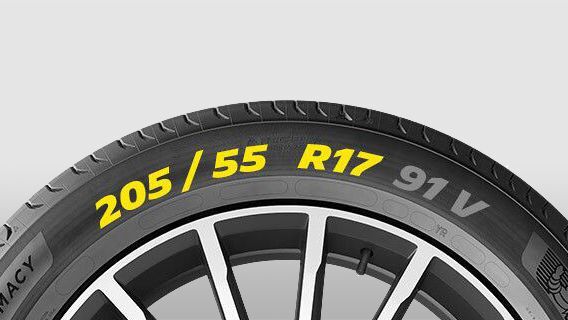
How to Read Tire Width and Aspect Ratio
Example: 205 / 55
205 – Nominal section width of the tire, measured in millimeters
55 – Aspect ratio, representing sidewall height as a percentage of the tire’s width
These values help ensure proper fitment on the wheel and adequate clearance within the vehicle’s wheel well.
How to Read Tire Construction Type and Wheel Diameter
Example: R 17
R – Radial construction
17 – Wheel diameter, measured in inches
Michelin pioneered radial tire construction, which combines flexible sidewalls with a rigid tread structure. This design supports durability, comfort, and reduced rolling resistance.
How to Read the Load and Speed Ratings
Example: 91 V
A number followed by a letter on the tire sidewall represents the tire’s service description.
Load rating (91): The maximum weight a single tire can carry when properly inflated
Speed rating (V): The maximum speed at which the tire can carry that load under specified conditions
These ratings are standardized and must meet or exceed the specifications set by the vehicle manufacturer.
Learn more in our guide to tire load rating and speed rating.
How to Identify the Brand and Tire Line
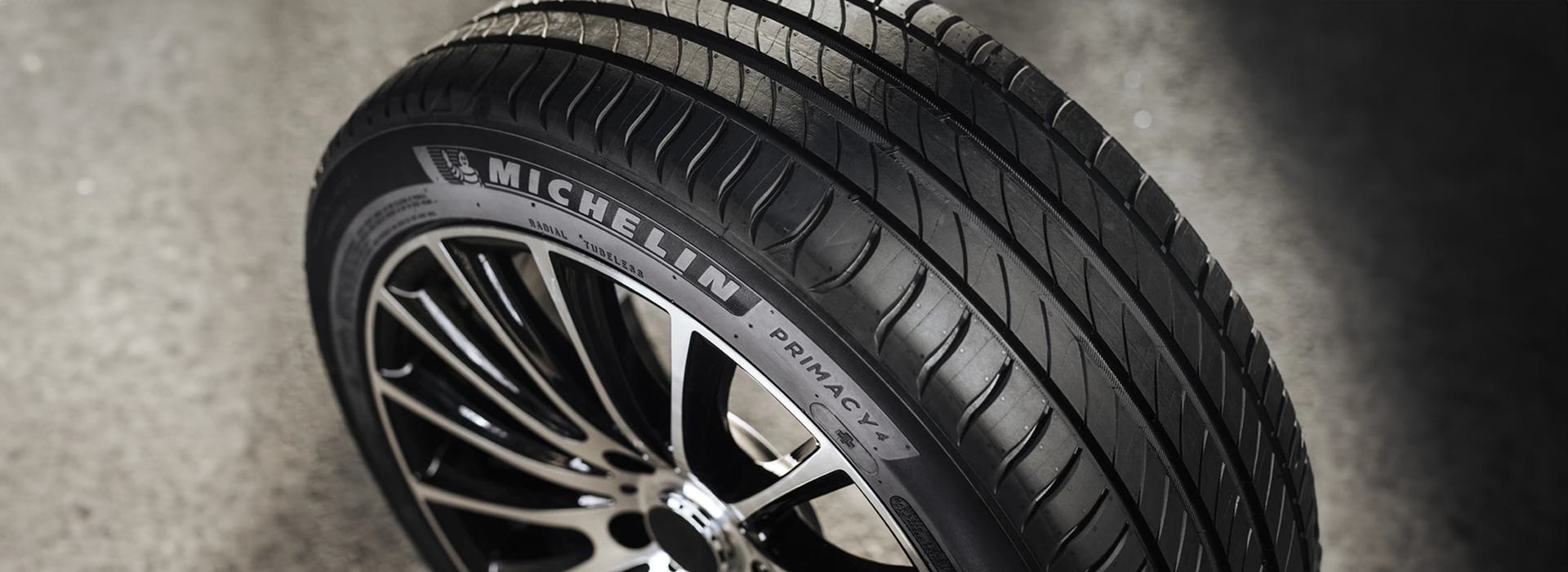
The tire sidewall always displays the manufacturer’s brand name and the tire line or range.
For example, MICHELIN identifies the brand, while a name such as Pilot Sport 4 S identifies the specific tire line. This information helps distinguish performance characteristics within a manufacturer’s product lineup.
How to Identify Tire Type (Tubeless or Tube Type)
TUBELESS: Indicates that the tire does not require an inner tube
TUBE TYPE: Indicates that an inner tube is required
How to Read Tire Pressure Markings
Sidewall markings such as MAX LOAD and MAX PRESS indicate the maximum load and maximum inflation pressure the tire is designed to withstand. These values are not the recommended operating pressure for your vehicle.
Always refer to the vehicle owner’s manual or the vehicle tire placard to find the recommended inflation pressure specified by the vehicle manufacturer.
How to Read a Tire Date Code
The tire date code is part of the DOT (Department of Transportation) marking on the tire sidewall.
The first two digits indicate the week of manufacture
The last two digits indicate the year of manufacture
For example, 4714 means the tire was manufactured during the 47th week of 2014. Tire age alone does not determine whether a tire is usable; tread wear and overall condition are also critical factors.
How to Tell If a Tire Has Reached Maximum Wear
Tires include built-in treadwear indicators, raised bars located within the tread grooves. When the tread surface wears down to the level of these indicators, the tire has reached the minimum tread depth of 2/32 inch (1.6 mm).
On Michelin tires, treadwear indicators are marked by the Michelin Man symbol on the sidewall to make them easier to locate.
Snow and All-Season Tire Markings: 3PMSF and M+S
3PMSF (Three-Peak Mountain Snowflake) – Indicates the tire has met standardized testing requirements for verified winter performance and is approved for use in regulated winter conditions.
M+S (Mud and Snow) – Indicates the tire is designed for mud and snow conditions based on the manufacturer’s criteria, but does not require standardized winter performance testing.
Only tires marked with the 3PMSF symbol provide verified winter performance.
OE (Original Equipment) Markings
Some vehicles are equipped with tires specifically developed for a particular make or model. OE markings indicate that the tire was designed and approved for original equipment use.
OE tires may be optimized for factors such as handling, ride comfort, noise, rolling resistance, or system compatibility. When applicable, Michelin recommends replacing OE-marked tires with tires that carry the same OE designation.


Find tire dealers near you in seconds
Search among our dealers to find where your tire is available
FAQ
Read our Frequently Asked Questions.
Each section of the code refers to a specific measurement or characteristic:
225 — Section width in millimeters (the tire's widest point)
65 — Aspect ratio (the sidewall height is 65% of the section width)
R — Radial construction (standard on all modern passenger tires)
17 — Rim diameter in inches (must match your wheel exactly)
102 — Load index (maximum weight capacity per tire)
H — Speed rating (maximum sustained speed the tire is rated for)
The M+S (Mud and Snow) marking appears on most all-season tires. It's based on the manufacturer's own tread geometry criteria and doesn't involve standardized performance testing. The Three-Peak Mountain Snowflake (3PMSF) symbol requires the tire to pass a specific traction test on medium-packed snow. Only tires carrying the 3PMSF symbol have verified winter performance. In snowy climates, 3PMSF is the marking that counts.
The DOT code on the sidewall ends with a four-digit sequence. The first two digits are the week of manufacture; the last two are the year. For example, 2524 means the 25th week of 2024. Check this when buying used vehicles or tires that may have been in storage. Michelin recommends a close inspection after five years and replacement by ten years from that date, regardless of tread depth.
A P prefix (like P225/65R17) identifies a passenger tire built for cars, minivans, SUVs, and light-duty trucks used mainly for carrying people. An LT prefix identifies a Light Truck tire with a stiffer carcass and higher load capacity, designed for towing, heavy payloads, and applications that need more structural strength. If your truck or SUV's factory tires are LT-rated, fitting P-metric tires of the same size will leave you short on load capacity — which is a safety issue.
Nearly all modern passenger car tires are tubeless, meaning they seal directly against the wheel rim without an inner tube. Tubeless tires deflate more gradually when punctured, giving the driver more time to respond compared to tube-type tires, which can fail rapidly. The corresponding tubeless wheel rim is essential for the seal to hold correctly.
These are Original Equipment (OE) designations showing the tire was developed for a specific automaker: MO for Mercedes-Benz, AO for Audi, T0 and T1 for Tesla. OE tires are engineered to match the handling, noise characteristics, and load requirements that automaker specified for the model. They may include a unique compound, internal construction, or acoustic foam not present in the standard version of the same tire. Replacing OE-marked tires with non-OE versions of the same model can produce subtle differences in ride quality or handling.
Related articles
-
How Tires Are Made
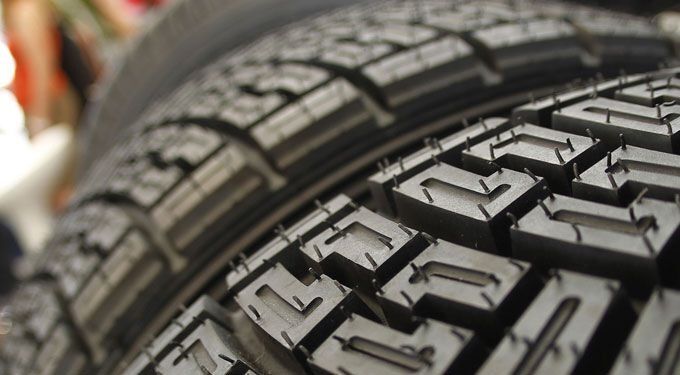
Your tire is built from more than 200 individual materials, including natural rubber, synthetic rubber, steel wire, and textile cords. These layers are assembled and then cured under heat and pressure in a mold, bonding everything into a single structure capable of carrying vehicle weight, managing heat at speed, and maintaining grip across thousands of miles. Understanding this process helps explain why correct pressure, avoiding overloading, and replacing worn tires matter as much as they do.View more -

How to Drive Safely
Your driving habits affect your tires just as much as your tires affect your driving. Smooth acceleration, progressive braking, and speed appropriate to the conditions reduce the stress on the tire's contact patch and keep the vehicle predictable when you need it most. This page translates core safety principles into practical habits you can apply on every journey.View more -

Tire Safety: How to Maintain, Inspect, and Care for Your Tires
Your car's safety depends on your tires, which must be properly maintained in order for them to perform as intended. Treadwear, load limitations, inflation pressure, and installation are some of the variables that might affect the longevity and reliability of tires. By following specified safety rules and doing routine maintenance, drivers can reduce their risk of tire issues and be prepared for the road ahead.View more -

Understanding Tire Performance Characteristics
Performance tires grip harder and respond faster than standard tires, but they make specific trade-offs to deliver that. Their softer compounds wear faster, perform less effectively in cold temperatures, and are less forgiving on rough or potholed roads. If you drive a performance vehicle or want sharper handling, this page explains exactly what you gain and what you give up so you can choose with confidence.View more -

Run-Flat Tires: How They Work, Benefits, and Proper Care
After a tire loses air pressure, run-flat tires are designed to help drivers keep control and continue driving for a limited distance. By reducing the need for quick roadside tire changes, this added mobility enhances convenience and safety.
Like all tires, run-flat tires require proper maintenance, inspection, and servicing to perform as intended. Understanding how run-flat tires work and how they should be cared for helps drivers make informed decisions and protect long-term tire performance.View more -
Driving on a Spare Tire
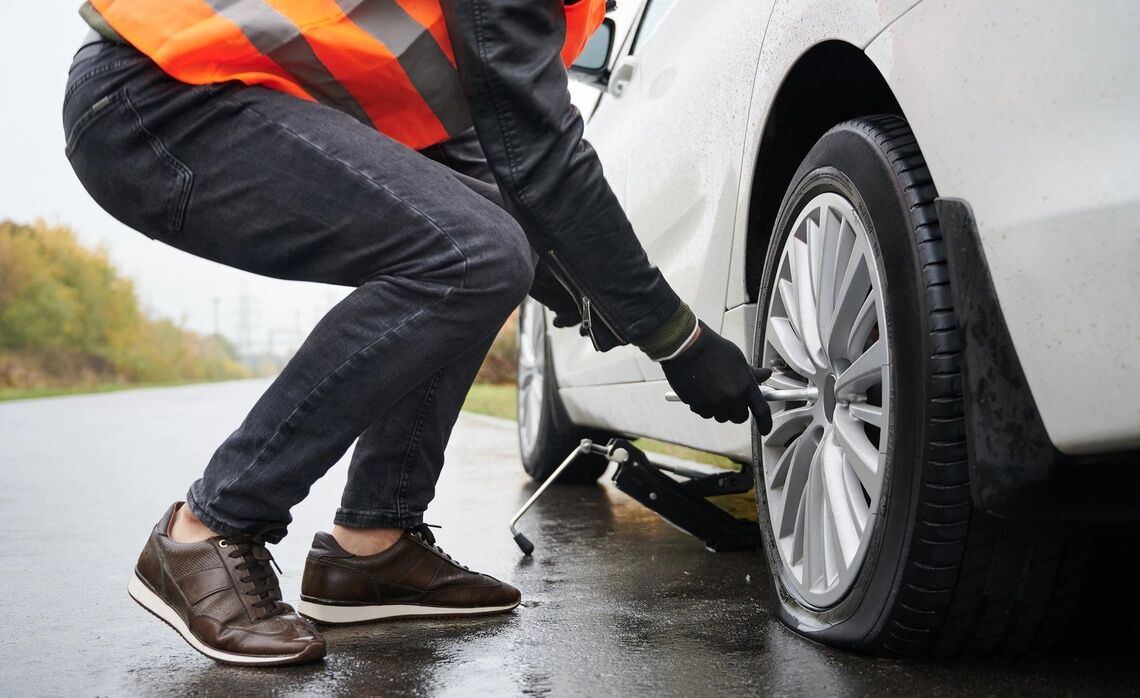
A compact temporary spare has strict limits: lower maximum speed and a short maximum distance before it must be replaced with a proper tire. Exceeding these limits risks damage to the spare, the rim, and potentially the vehicle. This page covers how to use your spare correctly, what checks to do before fitting it, and why reaching a tire center promptly matters more than it might seem.View more -
Understanding Tire Load Rating and Speed Rating
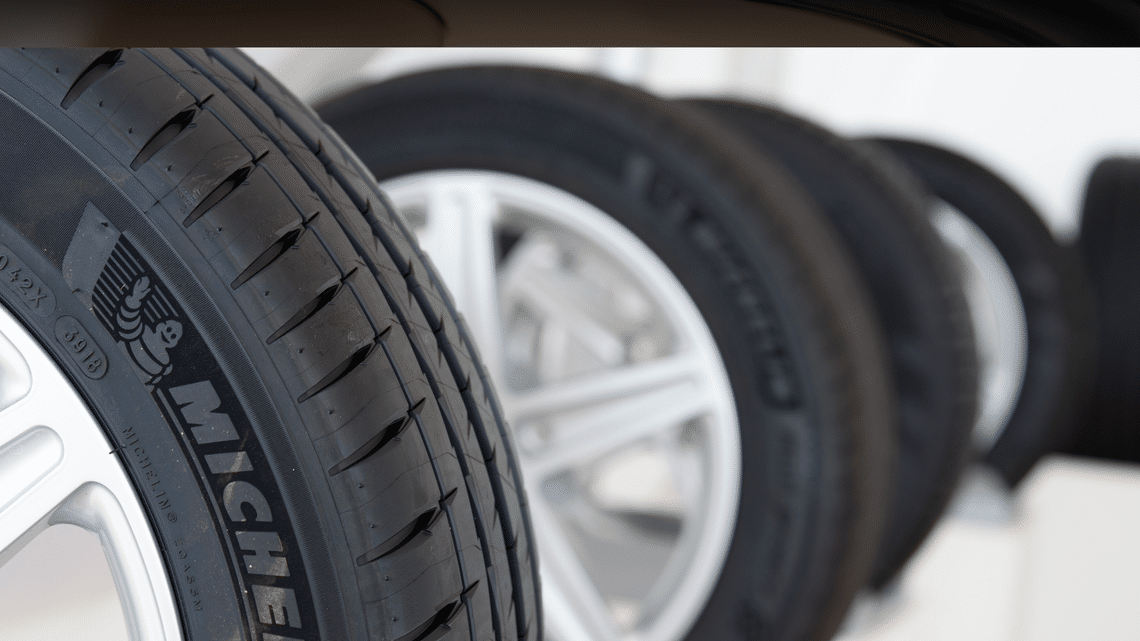
Standardized tire markings define a tire’s load rating and speed rating, two critical indicators of safe tire performance. When properly inflated and loaded, these ratings identify the maximum weight a tire can carry and the maximum speed it can safely sustain. Understanding and respecting these ratings when replacing tires helps ensure your vehicle continues to operate as intended.View more -
Tire Tread Depth: Legal Limits and What to Know
A tire is designed to meet performance requirements. But beyond a certain level of wear, it needs to be changed. What is the role of the tread? Up to what level of wear does the tire remain effective? And what is the legal minimum tread depth for changing your tires? Find out the answers to all your questions.View more