How do I inspect tire?
1.Check your air pressure
See Air pressure: what should I know?
It’s quick and can prevent many problems
Do it once a month
2. Check the tread wear with one of the three methods:
With a tread depth gauge
With the tread wear indicators
With the penny test
One easy way to check for wear is by using the penny test. All you have to do is grab your spare change and follow 3 easy steps.Take a penny and hold Abe's body between your thumb and forefinger.
Select a point on your tire where tread appears the lowest and place Lincoln's head into one of the grooves.
If any part of Abe Lincoln's head is covered by the tread, you're driving with the legal and safe amount of tread. If your tread gets below that (approximately 2/32 of an inch), your car's ability to grip the road in adverse conditions is greatly reduced.
3. Inspect your tires for wear and damage problems
We’ve created an easy-to-use online tool to help you identify issues and learn how to fix them.When should I inspect my tires?
When should I inspect my tires?
Once every month
Before you go on a long road trip.
Next steps :
Any visible perforation, cut or deformation must be checked thoroughly by a tire professional.
Only a tire professional can tell you if your tire can be repaired or has to be changed.


Find tire dealers near you in seconds
Search among our dealers to find where your tire is available
FAQ
Read our Frequently Asked Questions.
Yes, and tires are often the first place to look. Common tire-related causes of changed handling include: significant tread wear on one or more tires, uneven wear creating different grip levels across the axles, incorrect or uneven inflation pressure, a tire that has developed internal damage from an impact, and misalignment caused by the same impact that damaged the tire. Any of these can change the way the vehicle responds to steering, braking, and acceleration.
Tires can cause: pulling to one side (pressure difference or alignment issue), vibration at speed (imbalance or flat spot), reduced response to steering inputs (worn tread or low pressure), increased stopping distances (worn or wrong tires for conditions), instability in corners (low tread or low pressure), and unusual noise. Each symptom points to a different potential cause, which is why describing what you feel precisely helps a technician diagnose correctly.
Yes. A significantly different tire on one corner — worn differently, inflated differently, or damaged — creates an asymmetric contact patch that the whole vehicle's handling system has to work around. The most noticeable effects are usually a pull toward the side with the weaker tire, vibration transmitted through the steering or floor, and uneven braking. Matching all four tires and keeping them in consistent condition maintains symmetrical handling.
Alignment determines the angle at which each tire meets the road. Misaligned wheels cause the tire to scrub sideways with each rotation — wearing the edge faster, generating a pull toward the affected side, and reducing steering precision. The connection to tires is direct: a significant pothole or curb impact can misalign the wheels and damage the tire simultaneously. An alignment check is appropriate whenever a handling change is noticed after an impact.
Directly. An underinflated tire has a larger, softer contact patch that responds less precisely to steering inputs and creates more rolling resistance. An overinflated tire has a smaller, harder contact patch that transmits more road imperfections through the vehicle and has less grip area for braking. Either condition changes the handling from what the manufacturer designed. Tires at the correct pressure handle as intended; pressure deviations change the dynamics in ways that matter most in emergency situations.
Immediately, if the handling change makes the vehicle feel unsafe — particularly unexpected pulling, a steering wheel that doesn't return to center, severe vibration, or the rear of the car feeling unstable. These symptoms suggest the vehicle is not responding predictably, which matters most in emergency situations. Drive to a service center as soon as safely possible, at reduced speed, rather than deferring the inspection.
Related articles
-

Car Handling Problems
If your car has started steering differently, pulling, vibrating, or responding less precisely than before, check the tires first. A pressure difference between the left and right front tires causes pulling. Significant uneven tread wear changes grip and steering response. Internal damage from a hard impact alters how the tire contacts the road. Start with a pressure check using a gauge; if the problem persists, have the tires and alignment inspected by a professional.View more -
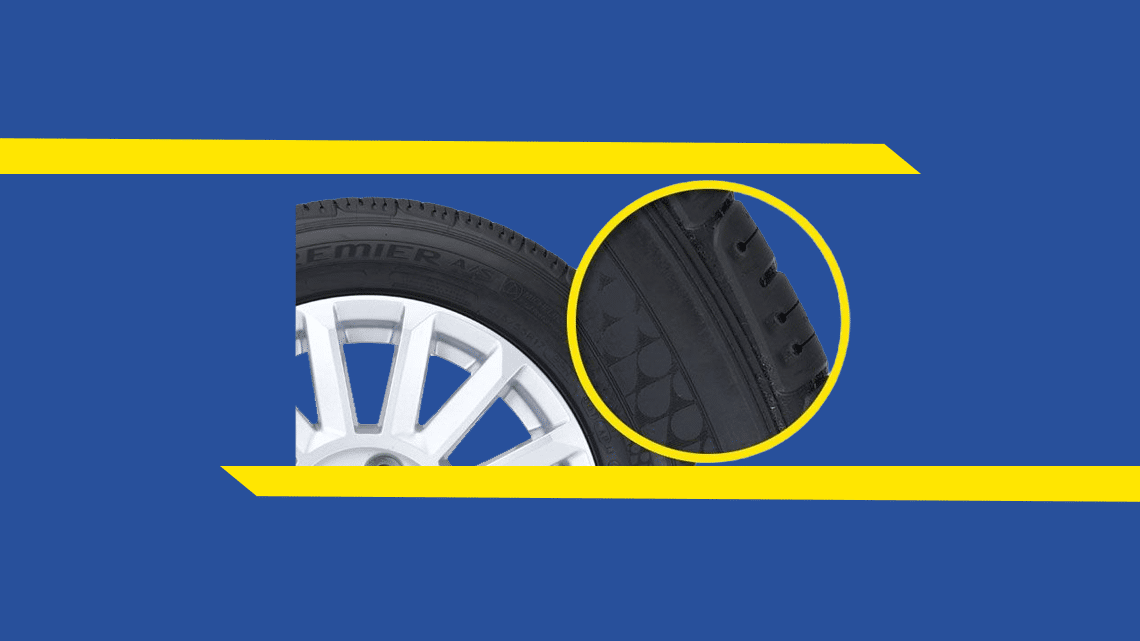
Symptom: Worn
View more -
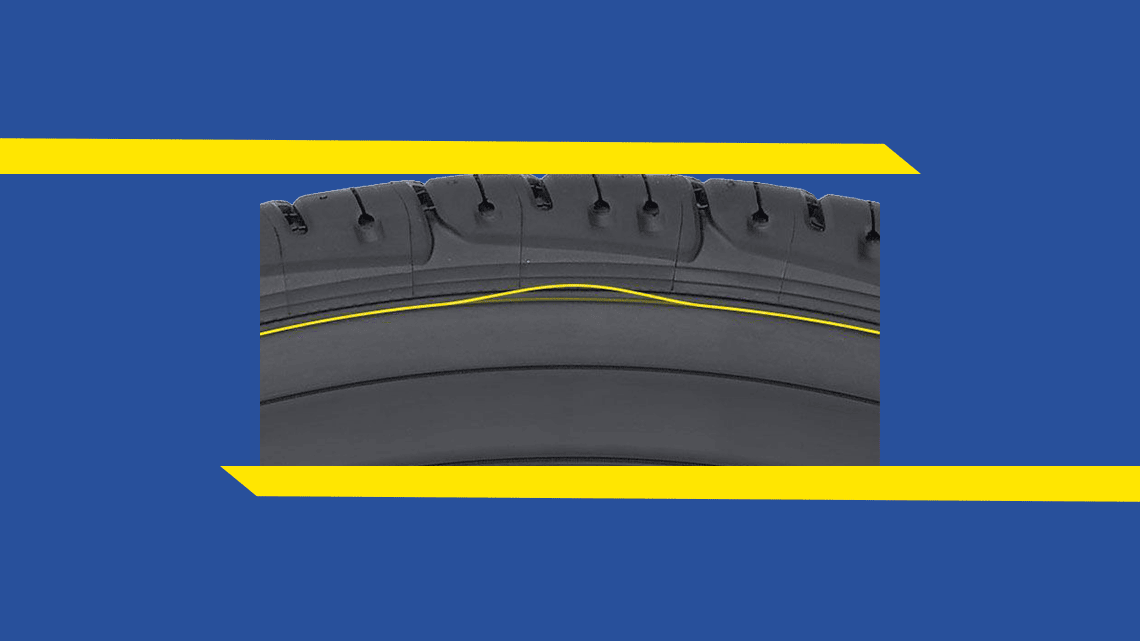
Symptom: Indentation
View more -
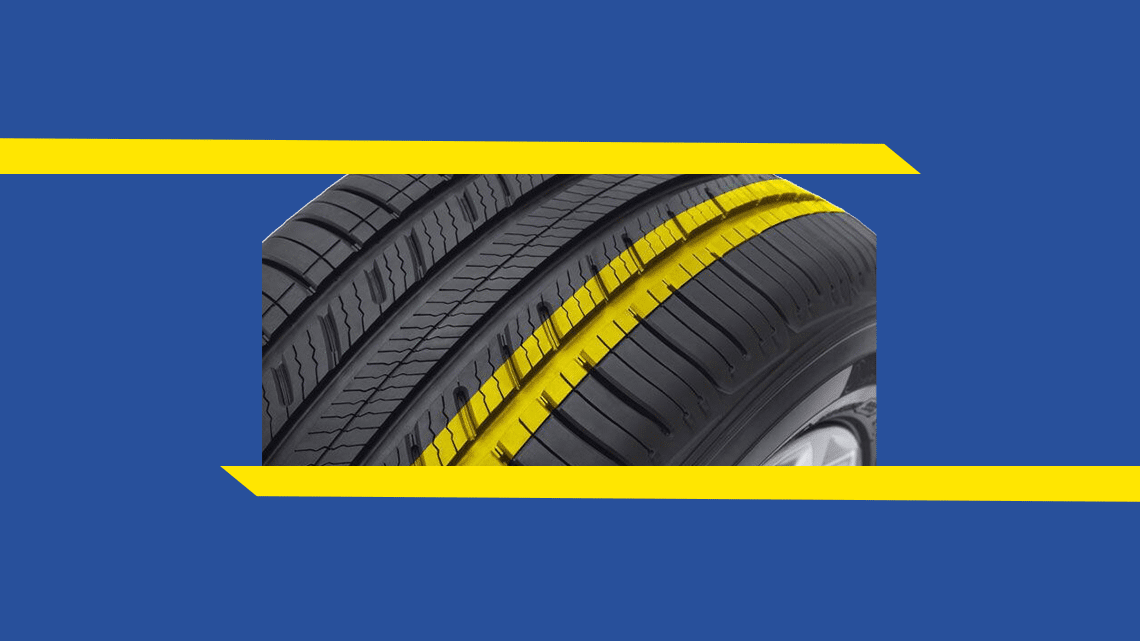
Symptom: Poor Alignment
View more -

Symptom: Wear on Both Edges
View more -
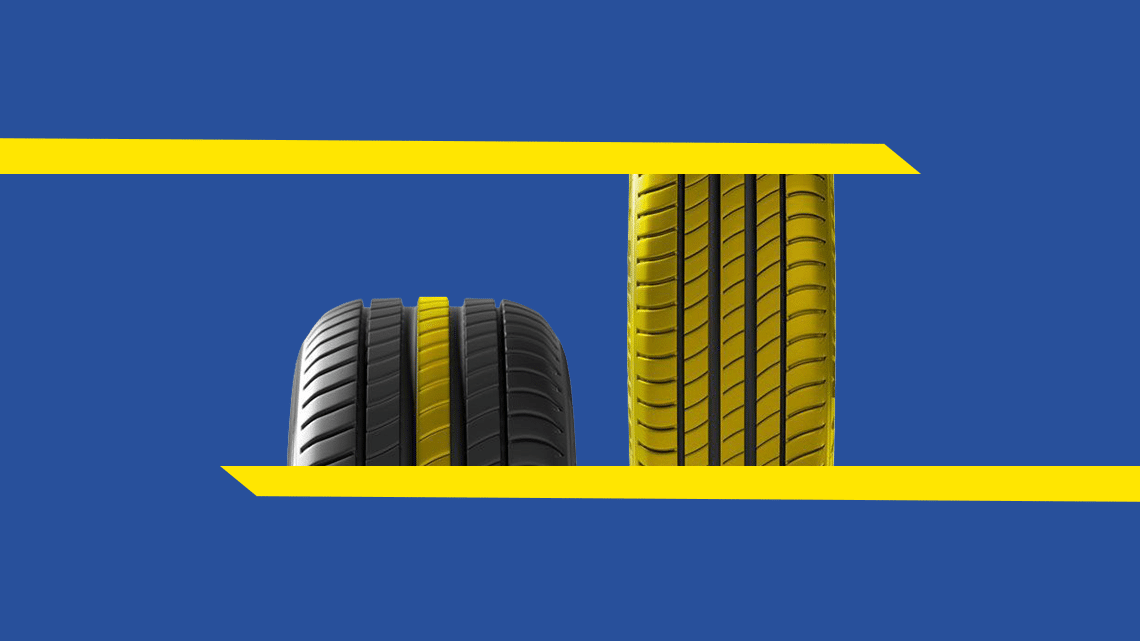
Symptom: Wear in Center
View more -

Symptom: Vibration
View more -

Symptom: Pulling to One Side
View more -
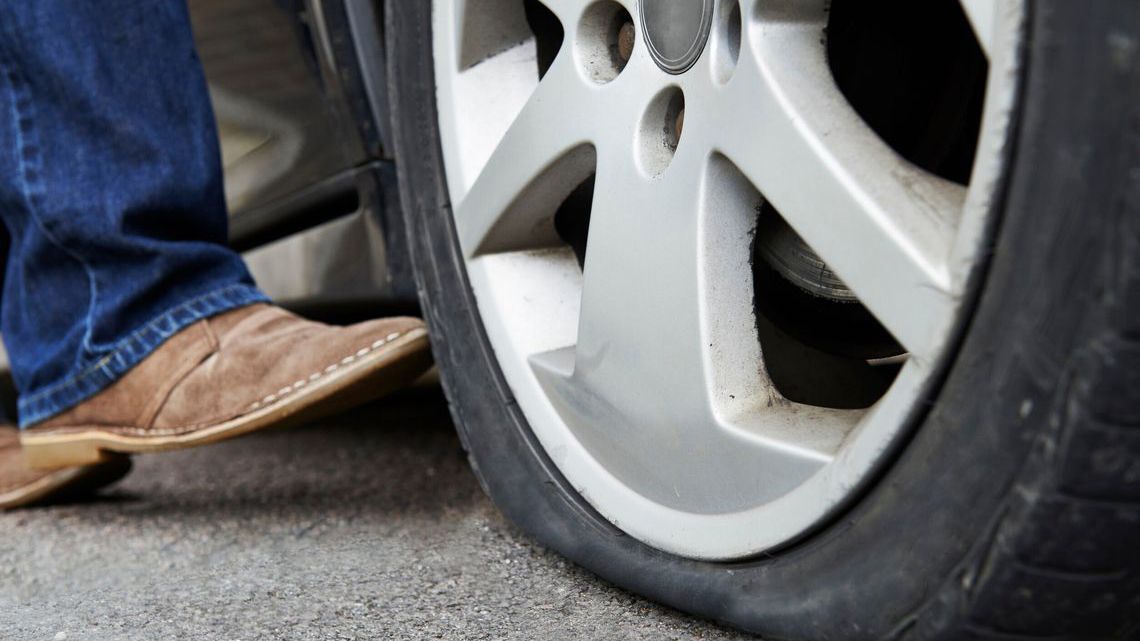
Tire Flat Spotting
If your car vibrates on cold mornings but settles down after a few minutes of driving, your tires are temporarily flat-spotting from sitting overnight. This is normal, particularly in cold weather, and does not indicate a problem with the tires. If the vibration does not resolve with driving, or appeared after a hard braking event that locked the wheels, the flat spot may be more significant and warrants a professional inspection.View more -
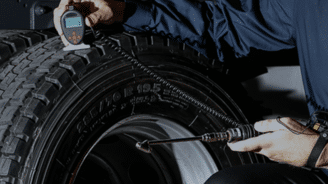
Wear Problems
Wear concentrated in the center of the tread means the tire has been chronically overinflated. Wear on both outer edges means chronic underinflation. Wear on one edge only points to an alignment problem. Cupping or scalloping across the tread surface suggests a balance or suspension issue. Each pattern identifies a specific, fixable cause, and addressing the cause before replacing the tire prevents the same pattern from destroying the replacement.View more -
Handling Problems
Describe your handling symptom to Michelin's Inspector Tool and it narrows the likely cause systematically. Speed-specific vibration points to imbalance. A consistent pull after pressure has been equalized points to alignment. A pull that occurs only during braking points to the braking system. The tool asks the diagnostic questions that distinguish between tire issues and mechanical ones, so you can book the right service appointment rather than a general inspection.View more -
Sidewall Problems
Use Michelin's Sidewall Inspector to identify what you are looking at before deciding whether to drive the vehicle. An indentation where cords overlap inside the tire is a normal manufacturing feature and completely harmless. A protrusion or bubble indicates an internal structural failure and means the tire must be replaced immediately. The tool provides a clear, specific recommendation based on your description, including when to pull over without driving further.View more -
Tread Problems
The Tread Inspector module helps you interpret what you see on your tread surface. Center wear confirms chronic overinflation. Edge wear on both sides confirms chronic underinflation. One-sided wear confirms an alignment problem. If you find a nail, the tool will tell you what not to do: do not pull it out yourself. Drive carefully to a professional, have the tire removed from the wheel, and have a proper internal inspection and patch-and-plug repair performed.View more