Winter driving tips
Driving safely in winter conditions requires knowledge, skill and four winter tires with proper tread.
You don’t have to live in Iceland to benefit from winter tires. If you frequently encounter snow or ice, or if the temperature is consistently near freezing, your tires need the extra grip and turning capabilities that only winter tires can deliver. Even if you have 4-wheel drive or all-wheel drive, you still need winter tires on the front and back to conquer the elements and help you stay safe.
Turning safely
Turning in bad weather requires extra attention.
Before turning, slow down while traveling in a straight line. While turning, maintain a slow and regular speed. If you accelerate suddenly, your tires could lose traction. While turning, don’t make any sudden steering wheel movements.
Braking in winter weather
Try to avoid sudden braking in winter weather.
Only brake in a straight line before the turn, and do so gradually. Do not brake during the turn. Increase your following distance from other cars significantly. If your wheels lock and slide, release the brake pedal to recover traction, then slowly brake again.
Driving with care
Keep this checklist in mind as you navigate the winter weather.
Drive with two hands. Always. Try to avoid changing lanes in slush. It’s safer to change lanes when slush is not on the road. If using chains, check for proper clearance between the tire and the vehicle, as well as the clearance between dual tires.


Find tire dealers near you in seconds
Search among our dealers to find where your tire is available
FAQ
Read our Frequently Asked Questions.
Slow down and extend your following distance. Winter conditions — cold temperatures, ice, snow, and reduced visibility — all reduce the margin for error. A lower speed means more time to respond to what's ahead, and more following distance means more space to stop if the vehicle ahead brakes. Every other winter driving technique (smooth inputs, gentle braking, careful cornering) is more effective when you've already reduced speed to a level appropriate for the conditions.
Black ice is a thin, nearly transparent layer of ice on the road surface — it looks like wet pavement, which is why it catches drivers off guard. It forms when temperatures drop to or below freezing on a wet road surface, most commonly overnight, in the early morning, or in shaded sections of road (under bridges, in tunnels, on north-facing stretches). The road will appear shiny in a way that doesn't look like normal wet road reflection. If the road ahead looks unusually smooth and reflective, treat it as ice until you can confirm otherwise.
Overconfidence based on AWD or 4WD. These systems help with acceleration traction but not with braking or cornering on ice — mistakes there are entirely a function of the tires, which are the same on any vehicle. Other common errors: braking while turning (which reduces control significantly on slippery surfaces), following too closely when stopping distances are much longer, and not slowing before reaching icy sections like bridges and shaded roads where ice forms first.
Yes — more gently. Hard acceleration causes the driven wheels to spin on slippery surfaces, which loses traction rather than gaining it. Smooth, gradual acceleration gives the tires time to find grip. On an uphill in snow, maintaining steady momentum is often more effective than stopping and trying to restart on the slope. If your wheels start to spin, ease off the accelerator until traction returns, then apply power again more gradually.
Michelin recommends fitting winter tires when average daily temperatures consistently fall below 45°F. The reason is the rubber compound, not just the tread pattern. All-season and summer tire compounds begin to stiffen as temperatures drop, reducing grip on any surface — dry, wet, or snowy. Winter tire compounds are formulated to stay more pliable in the cold, which maintains their grip and braking effectiveness. The 45°F threshold is the point where that difference in compound behavior starts to matter for safety.
Stay as calm as possible, ease off the accelerator, and steer toward where you want to go. Don't brake hard — it locks the wheels and removes steering control. If the rear of the vehicle is sliding out (oversteer), steer gently in the direction the rear is sliding to straighten the vehicle. If the front isn't turning (understeer), ease off the accelerator and allow the front wheels to regain grip before steering. Recovery is easier the earlier you respond and the smoother your inputs are.
Related articles
-

Driving At Night
Your headlights at normal speed illuminate less road ahead than the distance you need to stop if something appears in that range. Reduce speed so you can stop within what you can see. At night, clean headlights, correctly inflated tires for maximum braking grip, and adequate tread depth for shorter stopping distances are the three vehicle-side factors with the most direct impact on nighttime safety.View more -
Driving in Fog
High beams in fog make visibility worse, not better: the light bounces off the water droplets and back into your eyes. Use low beams or dedicated fog lights, reduce speed significantly beyond what feels necessary, and leave following distance based on time rather than visual estimation of distance. Navigate by road markings rather than by the tail lights of the vehicle ahead, which can lead you too close without realizing it.View more -
Driving in High Winds
On exposed roads or bridges in high wind, keep both hands firmly on the wheel and avoid sharp steering corrections in response to gusts. Overcorrecting after a crosswind gust causes as much instability as the gust itself. Tires at correct pressure maintain better lateral contact stability in crosswinds than underinflated tires. If conditions are severe, reduce speed and maintain extra lateral distance from large vehicles, which create turbulence that amplifies crosswind effects.View more -
Tips for Safe Driving on Ice & Snow from the Experts
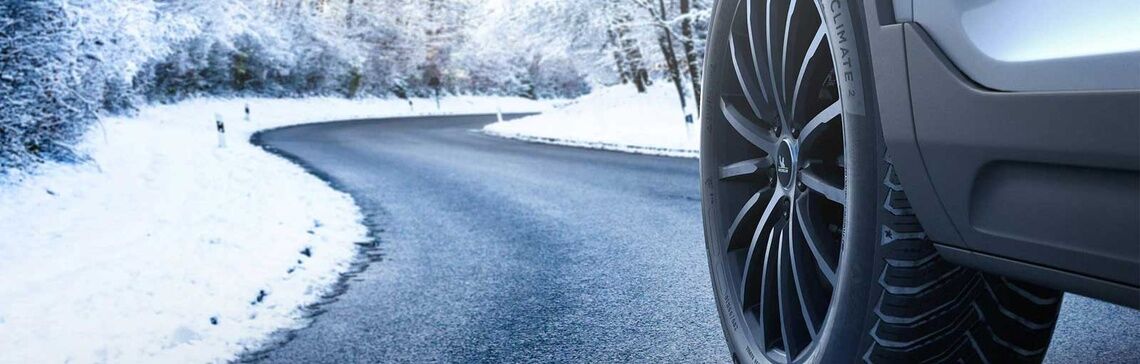
Winter driving requires patience, preparation, and skill. Mastering a few key techniques can make all the difference, helping you stay in control on unpredictable snowy and icy roads. These expert tips from Michelin will help you drive safely and confidently all winter long.View more -

Driving in Mud
The key to driving through mud is maintaining momentum without spinning the wheels. Spinning digs you in faster than anything else. If stuck, do not spin: place traction aids under the driven wheels, attempt a gentle rocking motion forward and back, and try to move on the first attempt with smooth, progressive throttle. This page covers both the specific driving technique for muddy surfaces and the tire tread characteristics that provide the best traction in soft conditions.View more -

Driving in the Mountains
On long mountain descents, use engine braking by downshifting to a lower gear rather than riding the foot brake continuously. Brake fade from overheated brakes is a real risk on repeated descents, and engine braking reduces the load on the brakes significantly. Temperatures drop with altitude; if you are driving into a mountain area where conditions will be substantially colder than where you departed, confirm your tires are appropriate for those lower temperatures.View more -

Preparing for Winter: How Cold Affects Tire Pressure and When to Switch Tires
Your vehicle is only as safe as its tires. Even the best winter tires cannot perform properly if they are installed too late or are underinflated in cold weather. Understanding how temperature changes affect tire pressure, and knowing when to make the seasonal switch, are key to staying safe and confident on winter roads.View more -
Fatigue Driving
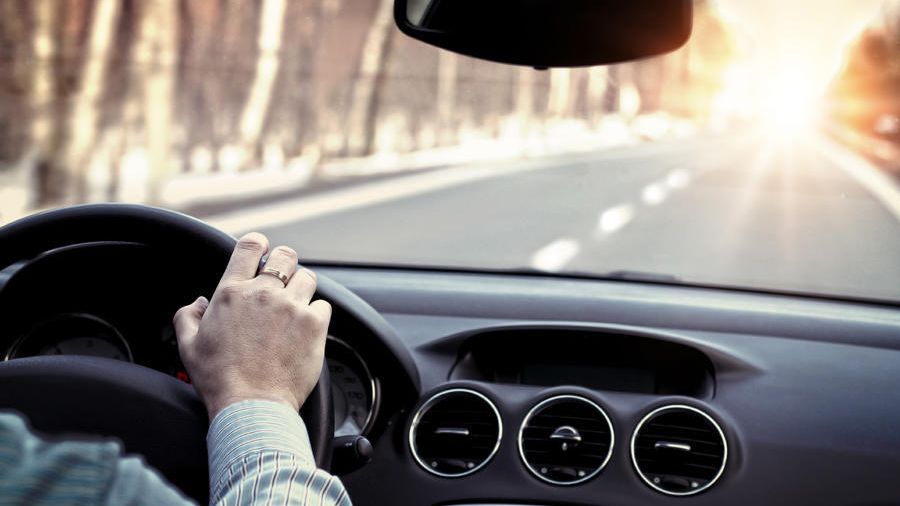
At measurable fatigue levels, driving impairment is comparable to impairment from alcohol. Coffee and fresh air delay the onset of fatigue but do not cure it. The only effective remedy is rest. On journeys over two hours, plan a stop regardless of how alert you feel: fatigue onset is gradual and drivers consistently underestimate how impaired they have become. Warning signs include drifting between lanes, missing exits, and difficulty keeping your focus on the road.View more -

Safety Precautions While Driving
View more -

Road Trip Tips
Before a long trip, check all four tires and the spare: inflation, tread depth, and a visual inspection for sidewall damage. A tire problem at mile 300 of a 500-mile journey is a very different situation from one that occurs near home. Pack a portable tire inflator, a pressure gauge, and your roadside assistance contact details. Schedule rest stops every two hours regardless of schedule pressure; fatigue-related incidents increase sharply beyond two hours of continuous driving.View more -
Driving for Fuel Economy
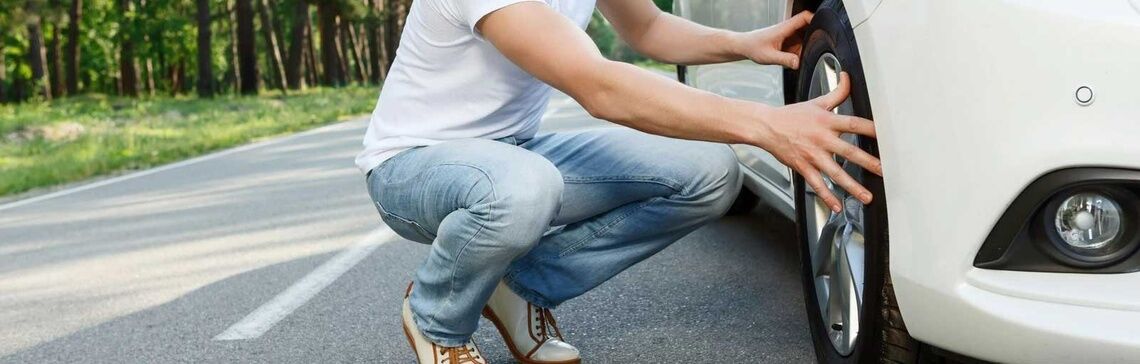
Correct tire pressure is one of the most accessible fuel efficiency improvements available to any driver. Underinflated tires increase rolling resistance, requiring the engine to work harder to maintain the same speed. Beyond pressure, smooth acceleration and early, gradual braking reduce the energy wasted in repeated hard stops and sharp starts. Both habits extend tire life as a secondary benefit, making fuel economy driving one of the most practical forms of tire care.View more