How do I know if my flat tire is caused by a tire puncture?
A flat tire may have suffered a tire puncture. The puncture may have been caused by a nail, a sharp foreign object that you drove over, an impact to the sidewall or a leaking valve.
Signs that you may have a tire puncture:
Sluggish or heavy steering
Apparent drag in the car when rolling slowly
A constant pull in one direction
Increased noise from one tire whilst cornering
Warning from tire pressure monitoring system
The car not sitting level as you approach it
A more deformed-looking tire as it sits on the ground
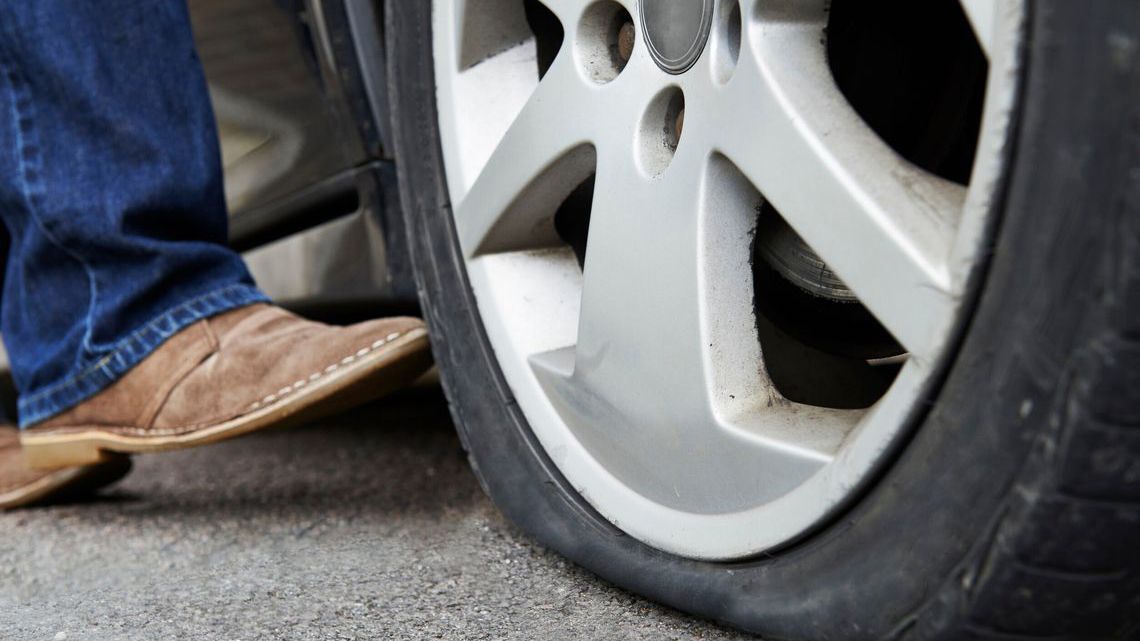
In this case, it is recommended that you change your tire (or have your tire changed) and show your punctured tire to a professional.
Is driving with a flat tire safe?
No. Any tire puncture, no matter the size, must be checked by a qualified professional. It is not safe to reinflate a damaged tire because you risk rupturing the tire and an associated rapid deflation whilst you are close to it. Driving on a damaged tire may put yourself, your passengers and other road users at risk because the car may not handle normally and the tire may rupture.
Tire sidewall damage
Minor tread damage, away from the shoulders and sidewall of the tire, is often repairable.
But when a puncture or tear occurs anywhere close to or on the sidewall, minor repairs cannot be conducted. In such situations, to ensure that the tire is serviceable, a repair to the sidewall, referred to as a Major repair, must be used, to ensure that the sidewall is sufficiently reinforced but remains flexible. Often this kind of repair is not economical for a car tire and not many tire dealers have the necessary equipment. Therefore, it might be preferable to replace your tire with a new one.
Car tire repairs should only be completed by competent technicians. The repairer may refuse to repair your tires for a number of reasons such as if they suspect the car has driven on the tire in an underinflated condition.
There are a number of additional reasons for which a tire may not be repairable. If you spot any of these your tire isn’t suitable for repair and needs replacing instead:
Less than 1.6 mm tread depth in the central ¾ of the tread width
Bead or structural damage or weakness, including internal corrosion caused by moisture entering via cuts.
Aged rubber
Multiple previous punctures
I have a flat tire that is not punctured nor damaged
In this case, there may be a leaking valve or wheel or it could be that your tires require more regular maintenance. It is natural for tires to lose a little inflation pressure over time. As part of regular monitoring, inflation pressure can be topped up periodically, provided the pressure has not fallen enough to cause damage to the tire.
It is recommended that tire inflation pressures should be checked at least monthly and before any long journeys. Such monitoring also identifies if there is a change in the rate of inflation pressure loss which might require investigation.
However, if not managed, pressure loss can eventually lead to significant under-inflation, which presents several risks:
Under-inflation shortens the life of the tread by increasing the wear rate in general but in particular on the outer edges (or shoulders) of the tire.
Under-inflation can also cause over-flexing and overheating, which increases rubber wear rates but also weakens the tire structure.
Under-inflation can affect handling and performance, for example under heavy braking, especially in wet weather.
Under-inflation increases fuel consumption by increasing tire rolling resistance, which means more frequent stops at service stations and higher fuel costs.
To avoid these problems, it is important to check the pressure of your tires regularly, regardless of the type of vehicle you drive.
What tires can prevent puncture?
Michelin tires with Selfseal® Technology avoid pressure loss from punctures in the tread and immediately seal tread penetrations less than 6mm in diameter. This protects the tire for a limited period until the puncture can be repaired.
Michelin ZP tires are identified by the ZP logo on the sidewall. They have a reinforced sidewall to support load for a limited period in the event of a loss of inflation pressure.
With a Michelin ZP tire you can continue driving, but at a maximum speed of 50mph for a maximum distance of 50 miles, to allow you to find a dealer to repair or replace the tire. If more than one tire is punctured, you should not continue driving.
Learn more about runflat tires.


Find tire dealers near you in seconds
Search among our dealers to find where your tire is available
FAQ
Read our Frequently Asked Questions.
If you're driving and feel a flat developing — the vehicle pulling, a thumping noise, the steering becoming heavier — slow down gradually, activate hazard lights, and steer to a safe place off the road. Do not continue driving on a flat — even a short distance can cause damage to the rim and render the tire irreparable. Once safely stopped, assess whether you have a spare and the tools to change it, or whether you need roadside assistance.
Driving even a short distance on a flat tire can cause damage to the rim and destroy the tire internally, making repair impossible. If you have a spare, fit it and drive to the shop on the spare. If you don't have a spare, call roadside assistance rather than driving on the flat. The cost of a new tire is significantly less than a damaged rim, and a tire that drove flat is almost never repairable.
The main causes: tread puncture from a nail, screw, or sharp debris (partially preventable — avoid driving over debris); sidewall damage from a pothole or curb impact (reduce risk by maintaining pressure and driving carefully); a leaking valve stem (preventable through regular inspection and valve cap maintenance); and bead or rim seal issues from rim damage or corrosion. Natural pressure loss from permeation isn't a flat tire — it's a gradual process that regular pressure checks catch before it becomes one.
A flat tire is a gradual or sudden loss of air pressure that results in the tire going flat. It may happen slowly (a small tread puncture) or more rapidly (a valve failure or larger damage). A blowout is a sudden and catastrophic failure — the tire loses air pressure explosively, often with an audible bang, causing an immediate and dramatic handling event. A slow flat gives the driver more time to respond; a blowout requires immediate, calm management as described in the Tire Blowout guidance.
Only if a tire mobility kit (sealant and inflator) is being used as a temporary measure to reach a service center. Do not reinflate a tire that has been damaged until a professional has assessed whether it is safe to do so — a puncture that allowed significant pressure loss may have allowed the inner liner to fold and crease. Reinflating a damaged tire without inspection can result in a failure at speed. The correct approach is to use the spare or call for assistance.
Three things: inflation pressure (correct pressure maintained monthly reduces the risk of blowouts from underinflation), tread condition and depth (adequate tread reduces puncture vulnerability and maintains structural integrity), and visual inspection for embedded objects or sidewall damage (catching a nail before it fully penetrates, or identifying a damaged section before it fails, prevents the flat from happening). These checks take under five minutes monthly.
Related articles
-
Car Handling Problems
If your car has started steering differently, pulling, vibrating, or responding less precisely than before, check the tires first. A pressure difference between the left and right front tires causes pulling. Significant uneven tread wear changes grip and steering response. Internal damage from a hard impact alters how the tire contacts the road. Start with a pressure check using a gauge; if the problem persists, have the tires and alignment inspected by a professional.View more -
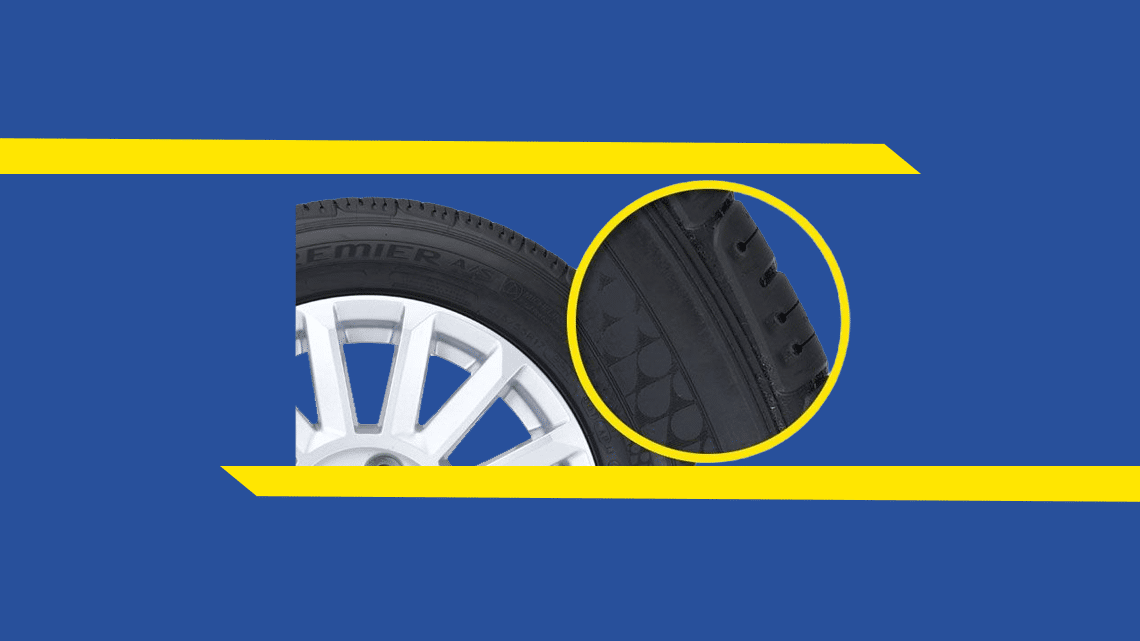
Symptom: Worn
View more -
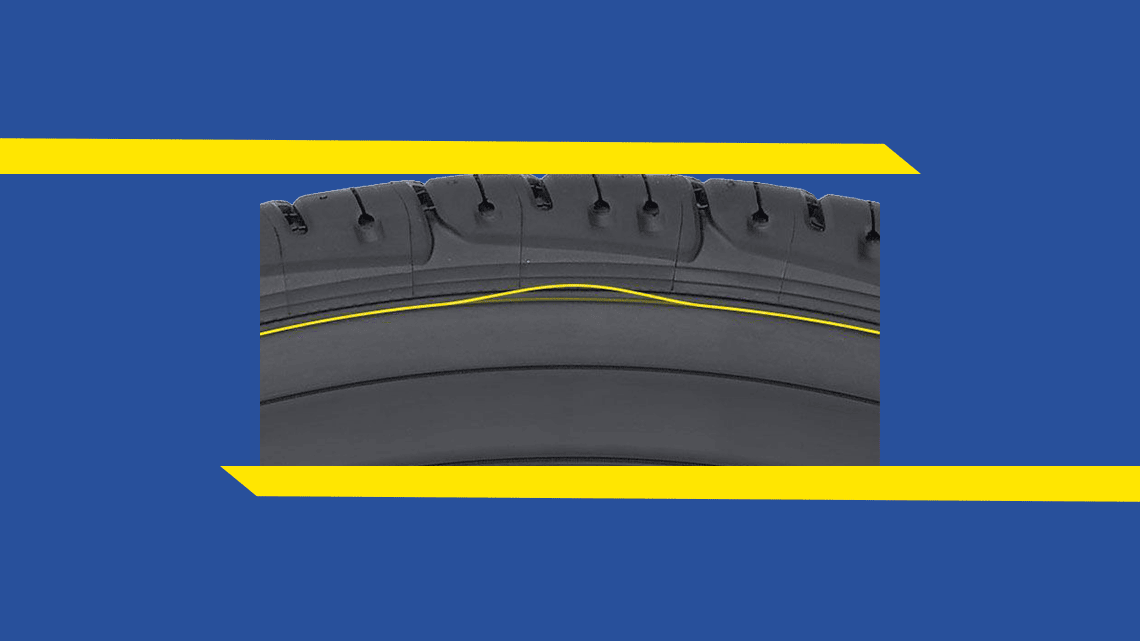
Symptom: Indentation
View more -
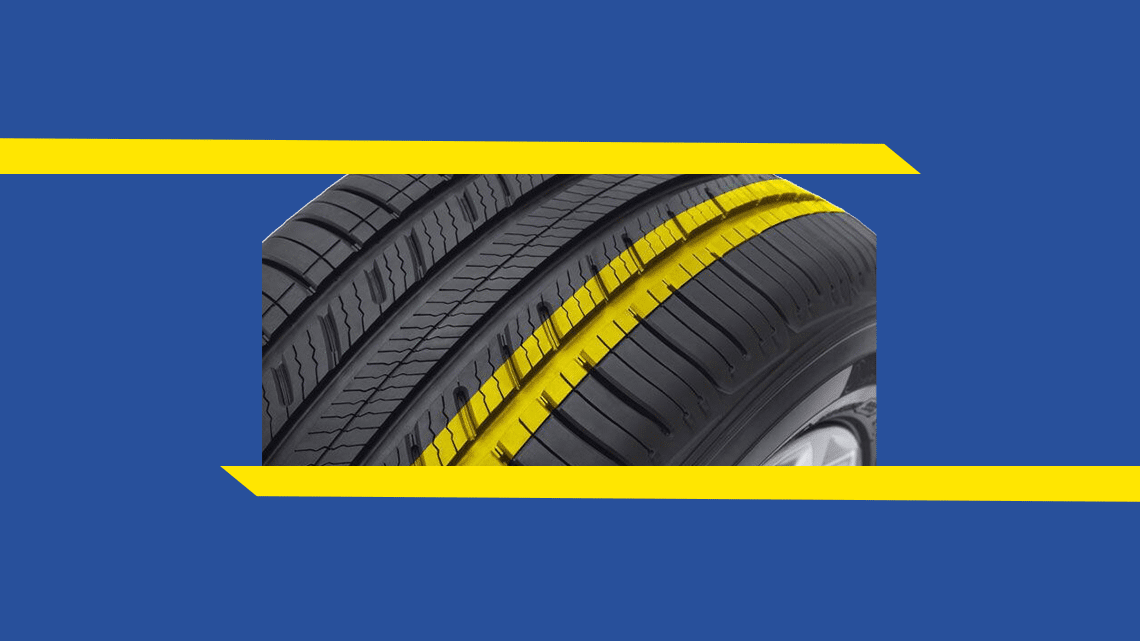
Symptom: Poor Alignment
View more -

Symptom: Wear on Both Edges
View more -
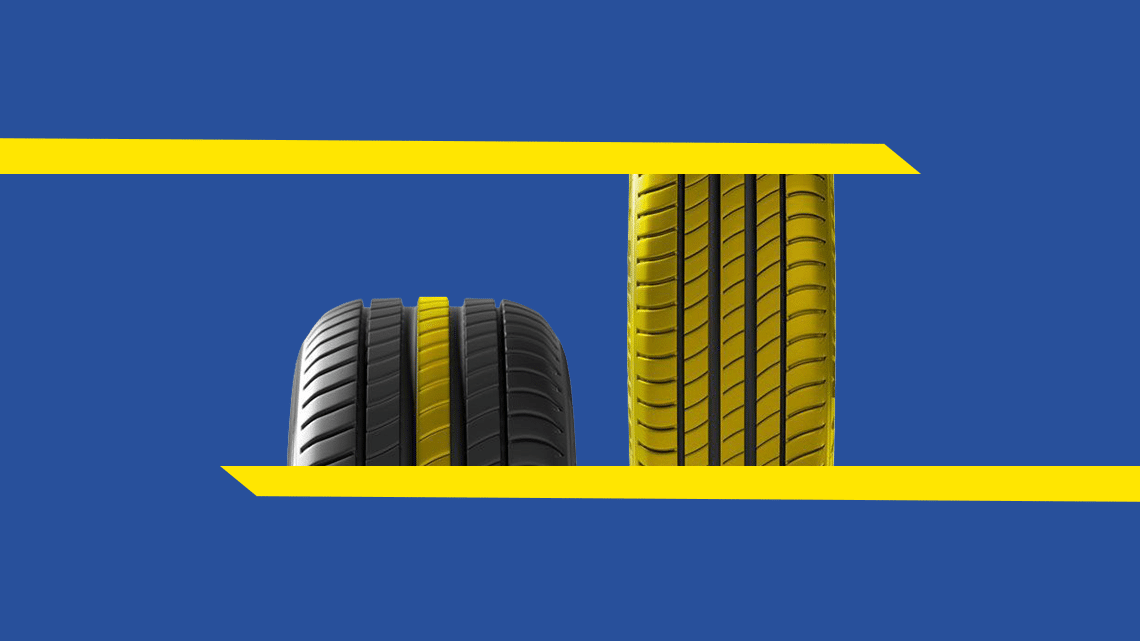
Symptom: Wear in Center
View more -

Symptom: Vibration
View more -

Symptom: Pulling to One Side
View more -
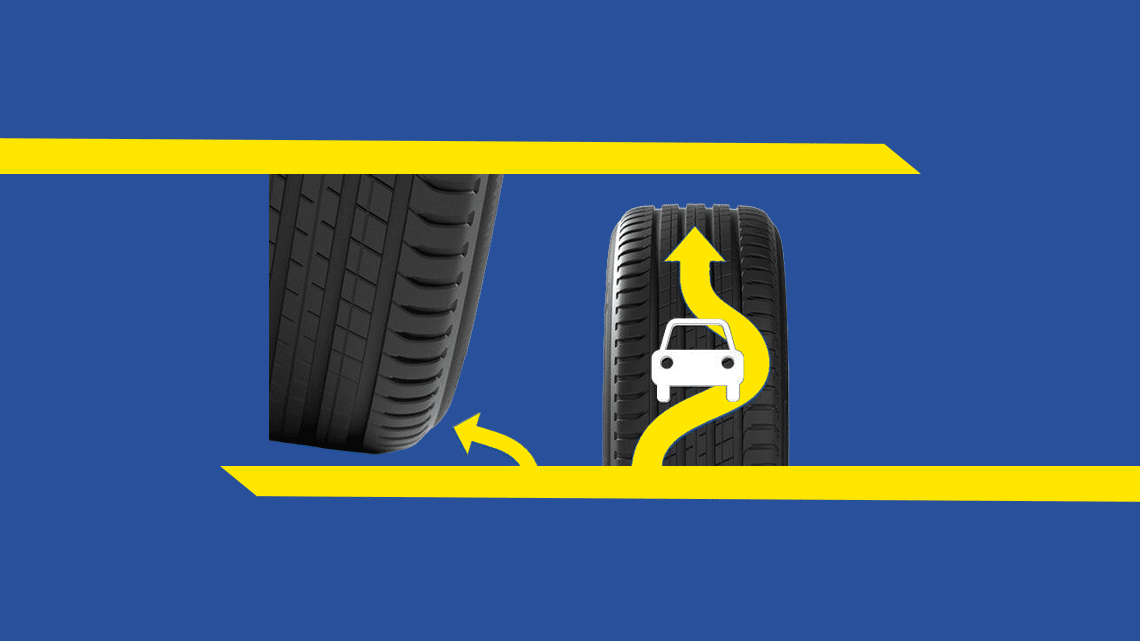
Symptom: Steering Problems
View more -
Wear Problems
Wear concentrated in the center of the tread means the tire has been chronically overinflated. Wear on both outer edges means chronic underinflation. Wear on one edge only points to an alignment problem. Cupping or scalloping across the tread surface suggests a balance or suspension issue. Each pattern identifies a specific, fixable cause, and addressing the cause before replacing the tire prevents the same pattern from destroying the replacement.View more -
Handling Problems
Describe your handling symptom to Michelin's Inspector Tool and it narrows the likely cause systematically. Speed-specific vibration points to imbalance. A consistent pull after pressure has been equalized points to alignment. A pull that occurs only during braking points to the braking system. The tool asks the diagnostic questions that distinguish between tire issues and mechanical ones, so you can book the right service appointment rather than a general inspection.View more -
Sidewall Problems
Use Michelin's Sidewall Inspector to identify what you are looking at before deciding whether to drive the vehicle. An indentation where cords overlap inside the tire is a normal manufacturing feature and completely harmless. A protrusion or bubble indicates an internal structural failure and means the tire must be replaced immediately. The tool provides a clear, specific recommendation based on your description, including when to pull over without driving further.View more -
Tread Problems
The Tread Inspector module helps you interpret what you see on your tread surface. Center wear confirms chronic overinflation. Edge wear on both sides confirms chronic underinflation. One-sided wear confirms an alignment problem. If you find a nail, the tool will tell you what not to do: do not pull it out yourself. Drive carefully to a professional, have the tire removed from the wheel, and have a proper internal inspection and patch-and-plug repair performed.View more -
Tire Flat Spotting
If your car vibrates on cold mornings but settles down after a few minutes of driving, your tires are temporarily flat-spotting from sitting overnight. This is normal, particularly in cold weather, and does not indicate a problem with the tires. If the vibration does not resolve with driving, or appeared after a hard braking event that locked the wheels, the flat spot may be more significant and warrants a professional inspection.View more