- Regular tire maintenance is the most cost-effective thing you can do to extend tire life and avoid unexpected failures. This hub covers every maintenance action that matters: pressure checks, rotation, alignment, repair decisions, visual inspection, and correct seasonal storage. Each linked guide is specific and actionable.
-

Why is tire maintenance important?
Tires lose air naturally, around one PSI per month, even without a puncture. Running a few PSI below the recommended pressure consistently shortens tire life, increases fuel consumption, and in severe cases can lead to a structural failure at highway speed. This page explains the specific consequences of neglected tire maintenance so the case for regular checks is clear and concrete.View more -

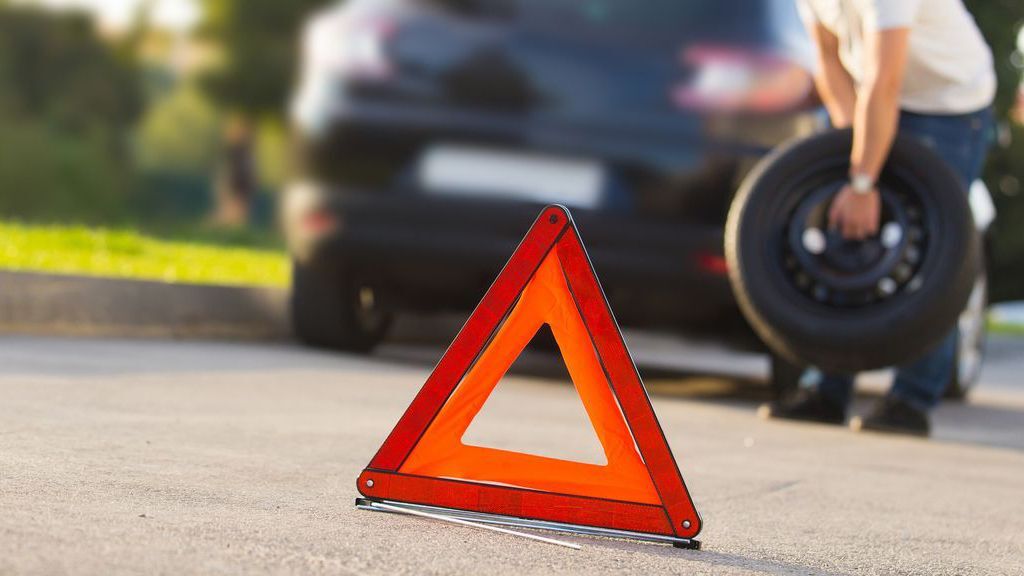
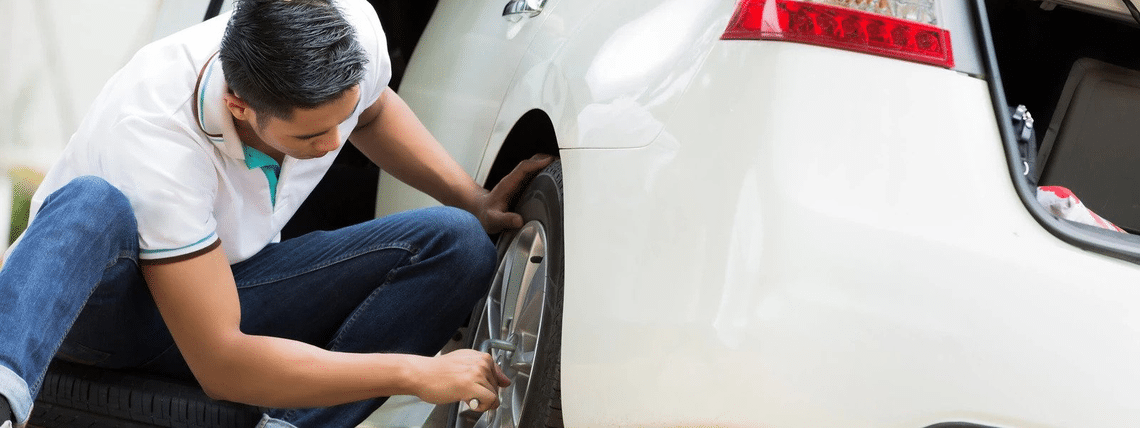
How to Change a Car Tire?
Changing a flat tire on the roadside takes about 20 minutes when you have practiced beforehand. Before you need to do it at night on a busy road, confirm your spare is in the trunk and inflated, find your jack, and know how to use both. This step-by-step guide covers vehicle positioning, safe jacking, lug nut sequence, and what to check before driving away on the spare.View more -

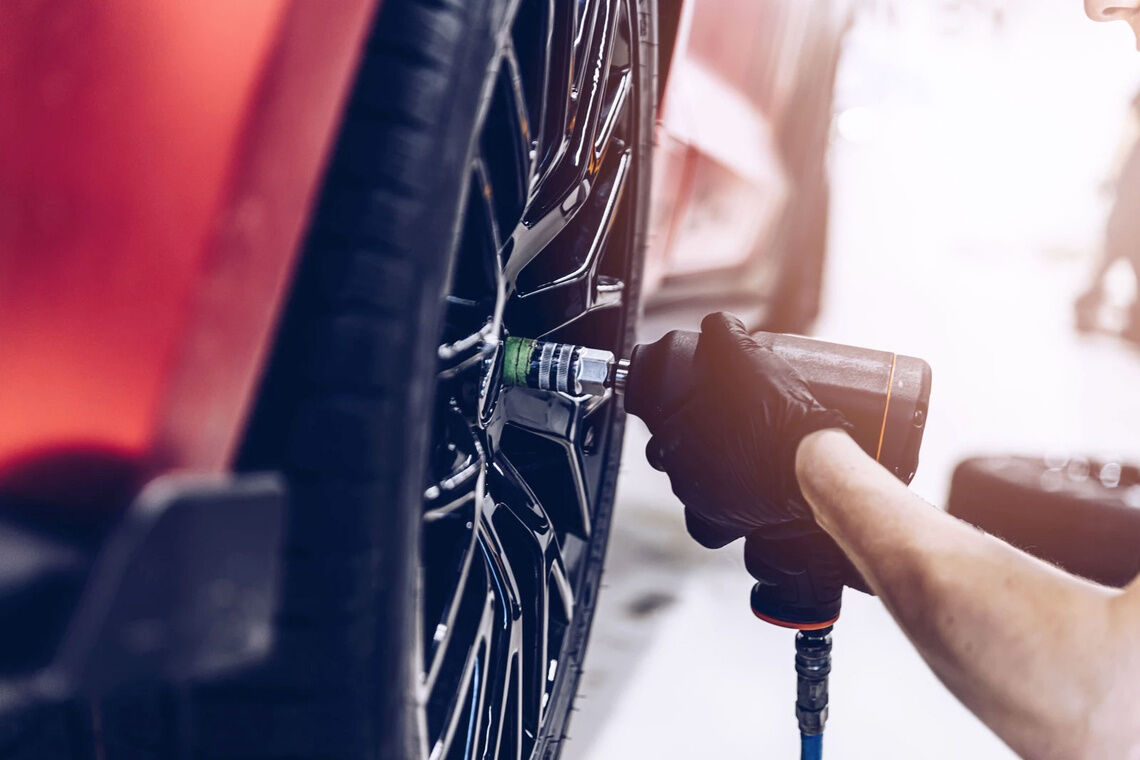
Tire Rotation: Why It Matters and How to Do It
Interchanging tires on a regular basis is an important step in tire maintenance, as it increases tire life, maintains balanced vehicle control, and promotes even tread wear. Tires wear differently depending on where they are mounted on the vehicle; therefore, adhering to specified rotation schedules helps distribute wear more evenly across all four tires over time. Tire rotation, paired with proper tire inflation, wheel alignment, and wheel balancing, helps ensure predictable vehicle performance.View more -

Can My Tire be Repaired?
A nail in the tread that has not gone all the way through may be repairable. A nail in the sidewall never is. The qualifying criteria for a safe repair are specific: the puncture must be confined to the tread area, be no larger than 1/4 inch (6mm), and be assessed by a professional with the tire off the wheel. Sidewall damage, run-flat damage, and any tire that was driven flat require replacement, not repair.View more -

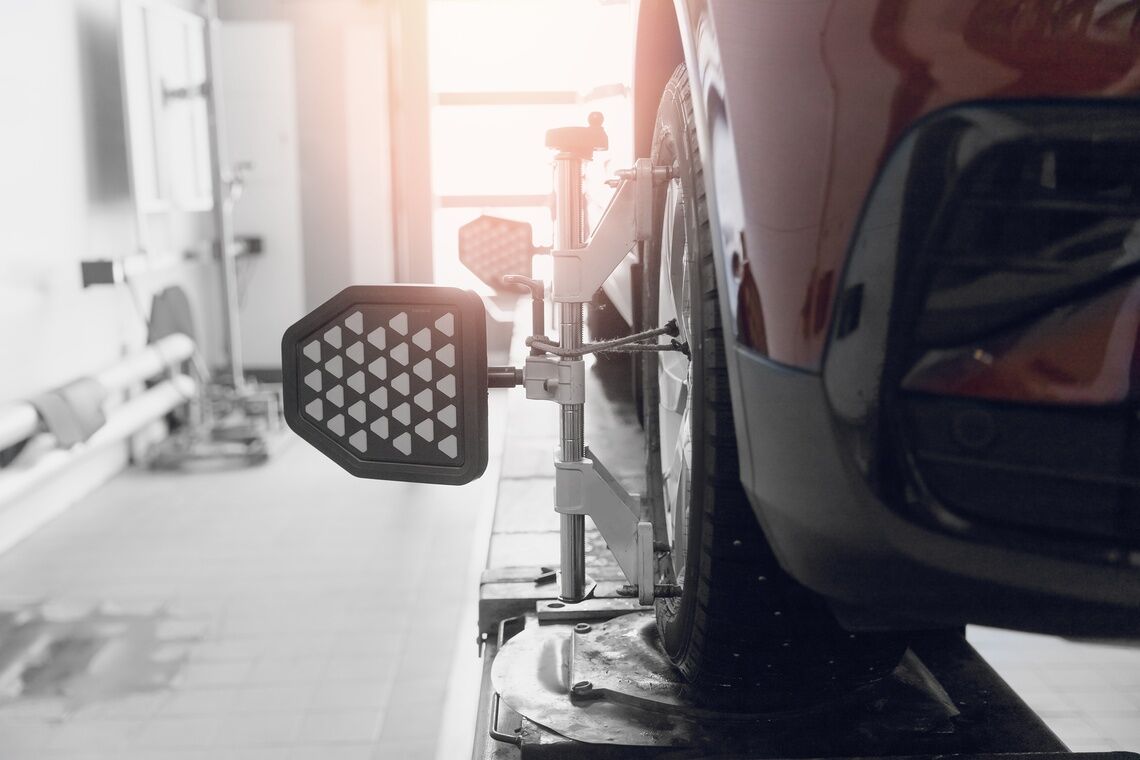
Wheel Alignment and Balancing: Why They Matter
Wheel alignment and wheel balancing are important yet often misinterpreted services that impact tire performance. While these services are frequently recommended together, each addresses distinct issues that significantly influence tire wear, vehicle handling, and operational efficiency.
Understanding how alignment, balancing, mounting, and wheel fitment work together can help you protect your tires, improve driving comfort, and avoid unnecessary wear.View more -

Visual Tire Inspection Before Installation
Before installing new or used tires, perform a thorough visual check. This step ensures proper mounting and supports optimal tire performance. Skipping or hurrying through this phase may result in vibrations, air loss, handling issues, or premature tire wear after installation.View more -

Routine Tire Care Tips
Four habits protect your tires and your safety: check pressure monthly with a gauge, rotate every 6,000 to 8,000 miles, get alignment checked annually or after any significant impact, and keep tires clean by rinsing with water after exposure to road salt or chemicals. None of these require specialist skills or expensive equipment. This page lays them out so you can incorporate them into your regular vehicle routine.View more -

Storing my tires
Storing tires next to an electric motor or against a sunny wall can cause sidewall cracking within weeks. Ozone from electrical equipment and UV from sunlight are among the most damaging things a stored tire can encounter. Store in a cool, dark, dry location away from any electrical equipment, in sealed plastic bags if possible, with correct inflation maintained throughout the storage period.View more -

Tire pressure
All you need to know about checking tire pressureView more
Related topics
FAQ
Read our Frequently Asked Questions.
Tire maintenance covers the standard checks and services that keep your tires safe and performing as they should. The main areas are inflation pressure, tread depth, visual condition, rotation, wheel alignment, and wheel balancing. None of these tasks is complicated on its own, but skipping any of them consistently tends to show up as premature wear, unpredictable handling, or an unexpected failure at the worst time.
Tire pressure should be checked at least once a month and before any long trip. Visual inspections — a quick look around each tire for cuts, bulges, or embedded objects — are worth doing every time you walk to your car. Tread depth should be checked monthly alongside pressure. Rotation, alignment, and balancing follow a schedule set by your vehicle manufacturer, typically every 6,000 to 8,000 miles for rotation.
Yes, in a few ways. A tire running significantly under its recommended pressure can wear out sooner than it should, cutting into the life you paid for. Misalignment eats through tread on one edge while the rest of the tire still has life left. Skipped rotations create uneven wear across all four tires, meaning you replace the set earlier than necessary. The maintenance itself costs far less than replacing tires ahead of schedule.
Build two habits: check pressure and do a visual inspection on the first of every month, and book rotation at every oil change or every 6,000 to 8,000 miles. Most tire shops will check alignment and balance during rotation, so you don't need separate appointments. Setting a recurring reminder on your phone takes about ten seconds and removes the guesswork.
Directly. Tires running low on pressure increase rolling resistance, which makes the engine work harder to move the car. Even a moderate pressure shortfall across all four tires can push fuel consumption up noticeably. Properly inflated, correctly aligned tires with even tread let the vehicle roll with less effort, which shows up at the pump — and for EV drivers, in range.
A few things should prompt an immediate inspection:
The vehicle pulling consistently to one side on a straight, level road
Steering wheel vibration at highway speeds
A visible bulge, bubble, or crack on any sidewall
Tread that looks visibly lower on one edge than the other
The TPMS warning light coming on
Pressure dropping faster than the normal slow seep over time