For 135 years, Michelin has been innovating for a better life in motion. And now, our legacy as pioneers continues in the next revolution with EV Ready tires designed for performance so you don't have to think about tires at all. That's why 8 out of 10 electric vehicle manufacturers use Michelin tires.*
Michelin offers a range of tires engineered to optimize range, noise, and wear. Our combined portfolio is developed to provide products with the right balance to meet your needs. By choosing Michelin EV Ready tires, you're choosing performance, comfort, and a brand dedicated to constantly improving tires for electric vehicles.
Enjoy Life’s Greatest Moments with Michelin’s EV Ready Tires.
Whether you’re embarking on a thrilling road trip or simply cruising around town, our tires are built EV ready so you can spend less time thinking about them and more on making new unforgettable memories.
michelin
Find Charging Stations Near you in Seconds
EV Charging Map Station
Loading alternative fueling station locator...
Check out Essential Tire and Driving Tips
-
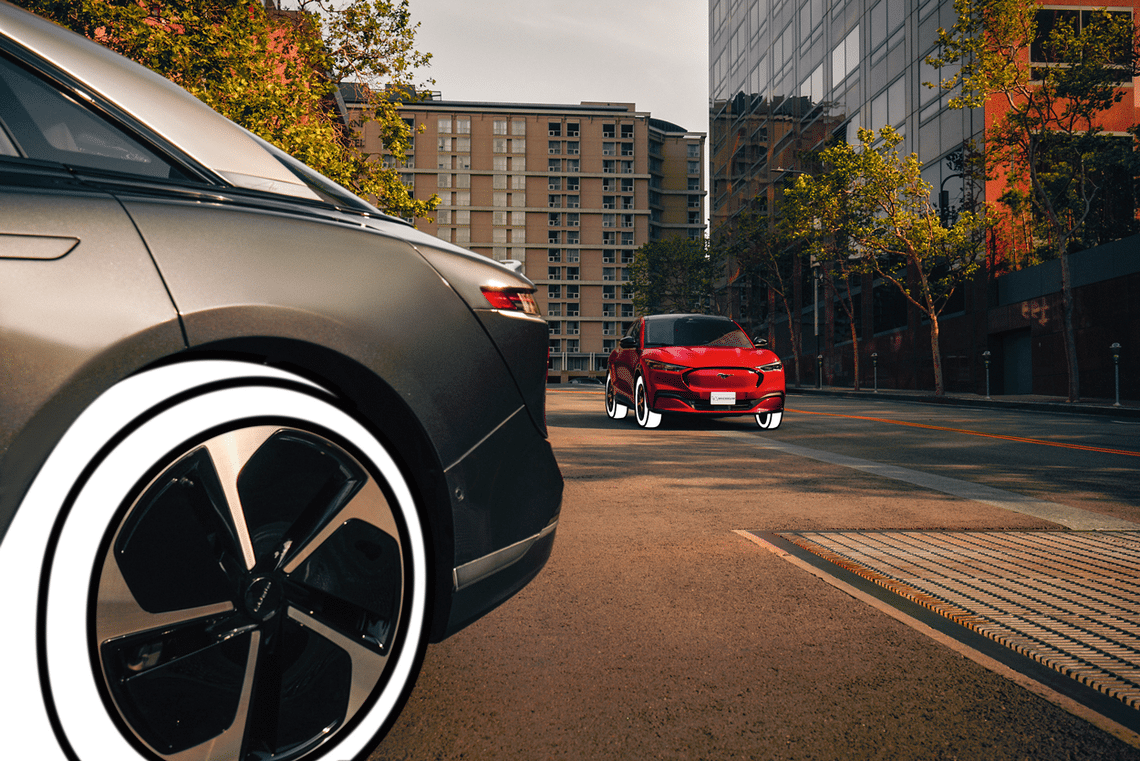
Understanding EV Tires
EV tires are not standard tires with a badge. They are engineered for three specific challenges: the added weight of battery packs (which may require XL or HL load ratings not needed on equivalent combustion vehicles), the tread wear caused by instant electric torque delivery during acceleration, and the cabin noise that becomes prominent when engine sound is absent. This page explains each challenge and what to look for when choosing a replacement tire for your EV.Learn more -
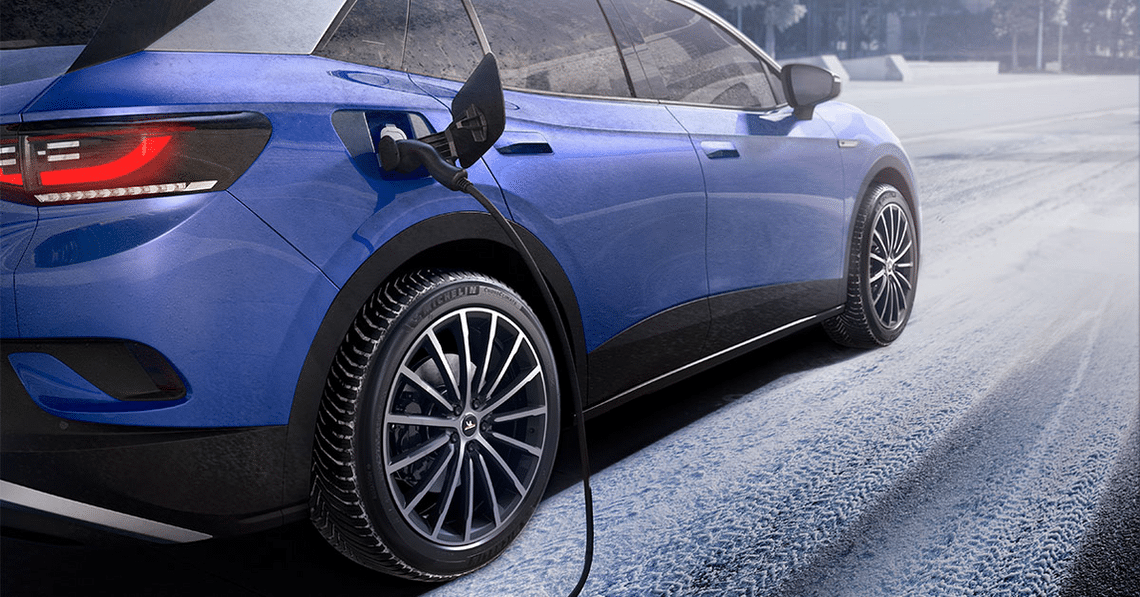
Winter Tire Guide for Hybrid and Electric Cars
Your EV or hybrid brakes on ice the same way any vehicle brakes on the same tires: the drivetrain does not help stopping. Because EVs are heavier than comparable combustion vehicles, their stopping distances on slippery surfaces are longer. Winter tires developed specifically for electric vehicles address this through cold-weather compounds for grip, combined with low-rolling-resistance construction to protect the battery range you are already managing carefully in cold temperatures.Learn more -

EV Winter Driving With Carl Nadeau
Professional driver Carl Nadeau explains three critical differences for EV drivers in winter: battery weight extends braking distances beyond a comparable combustion vehicle on the same tires; instant torque makes abrupt acceleration far more likely to cause wheelspin on slippery surfaces; and aggressive regenerative braking can cause rear wheel instability on ice. His specific guidance on pressure management, smooth throttle technique, and cold-weather range expectations applies uniquely to electric vehicles.Learn more -
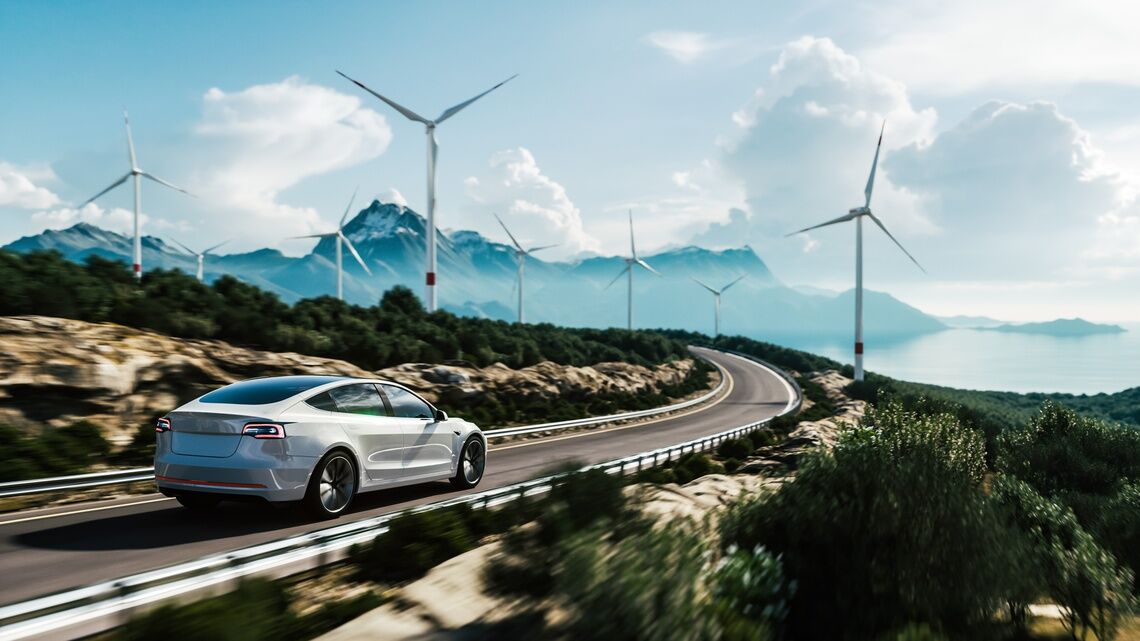
What are High Load capacity tires?
If your EV came from the factory with tires marked HL on the sidewall, every replacement must also be HL-rated. HL (High Load) tires are engineered to carry more weight than XL tires at the same inflation pressure, developed specifically because some EV battery packs push vehicle weight beyond what existing tire standards covered. Fitting a standard or XL tire where HL is specified means operating the tire beyond its safe load capacity.Learn more -
Car noise: are electric cars quieter than gas cars?
Your EV removes engine noise but adds nothing to replace it. Tire noise, which you barely notice in a combustion vehicle, becomes the primary sound in the cabin at most speeds. Two sources dominate: tread pattern resonance (sound from air moving through the grooves) and cavity resonance (a low-frequency hum from air vibrating inside the tire itself). Acoustic foam bonded to the inside of the tire is the most effective solution specifically for cavity resonance, the type EV drivers notice most.Learn more -
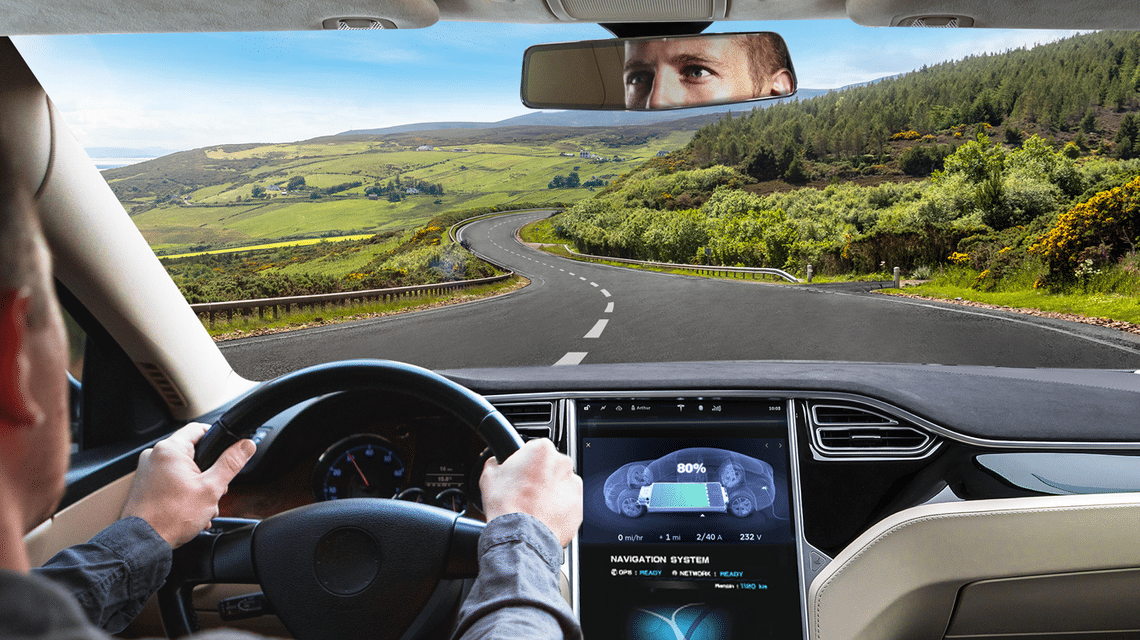
How tires impact your electric vehicle’s range
Every PSI below your vehicle's recommended tire pressure increases rolling resistance, which pulls more energy from the battery and reduces your range. This is one of the most direct and controllable factors in real-world EV efficiency. Tires with low-rolling-resistance compounds extend range further. Keeping tires at correct pressure and rotating regularly to maintain even wear are the two tire habits with the greatest consistent impact on how far your EV travels on each charge.Learn more -
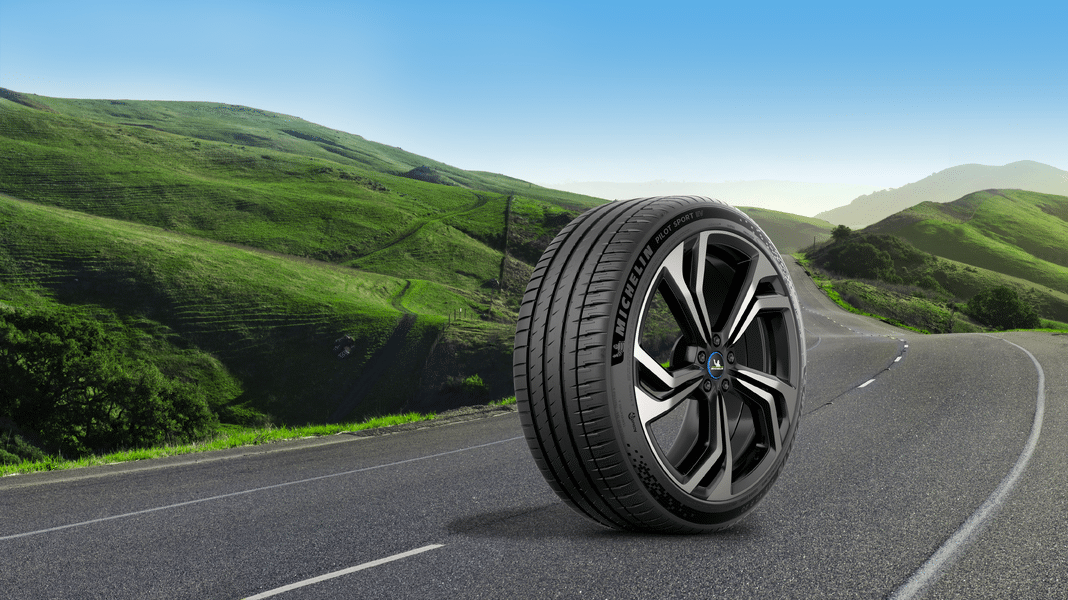
How to Reduce Tire Wear
EVs wear tires faster than comparable combustion vehicles for two specific reasons: battery weight increases the load on every tire with every mile, and instant torque delivery puts higher torsional stress on the driven tires during acceleration. Rotating tires more frequently than the standard interval, maintaining correct pressure, using smooth progressive throttle inputs rather than hard launches, and choosing tires with compounds developed for EV use all reduce wear rate in measurable ways.Learn more -
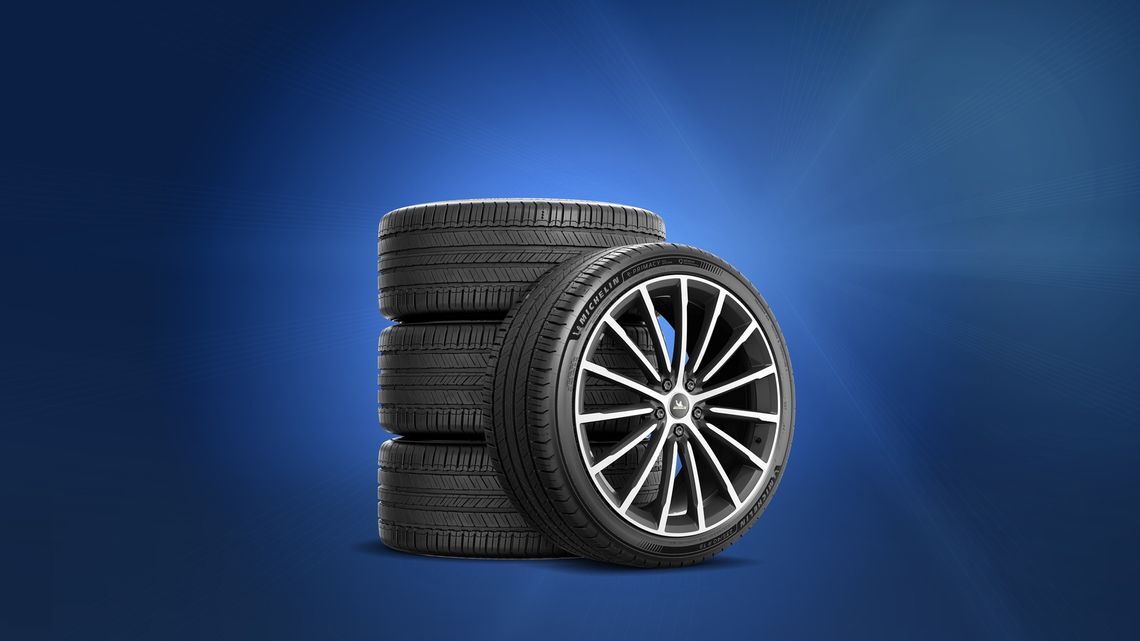
EV Tire Pressure and Maintenance
Do not rely on TPMS to manage your EV's tire pressure. TPMS only alerts when pressure has dropped significantly below the recommended level, not when it has dropped enough to affect range and handling noticeably. Cold weather reduces tire pressure, and underinflated tires on an EV drain the battery faster while accelerating tread wear simultaneously. Check pressure manually at least monthly using the PSI on your door jamb sticker, not the maximum printed on the tire sidewall.Learn more -
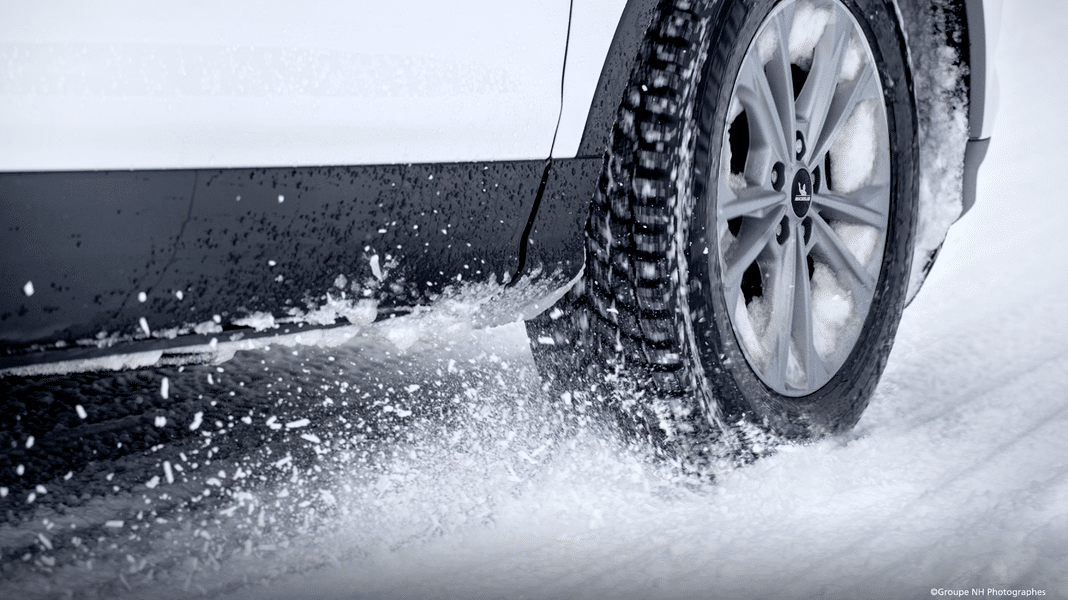
The advantages of using winter tires on an EV
Fit winter tires on your EV when temperatures consistently approach 45 degrees Fahrenheit, the threshold where all-season compounds begin losing grip regardless of whether there is snow or ice present. EV-specific winter tires balance the cold-weather grip of a dedicated winter compound with low-rolling-resistance construction, reducing the range penalty that standard winter tires can introduce. The heavier weight of an EV makes the braking advantage of winter tires proportionally more significant.Learn more -
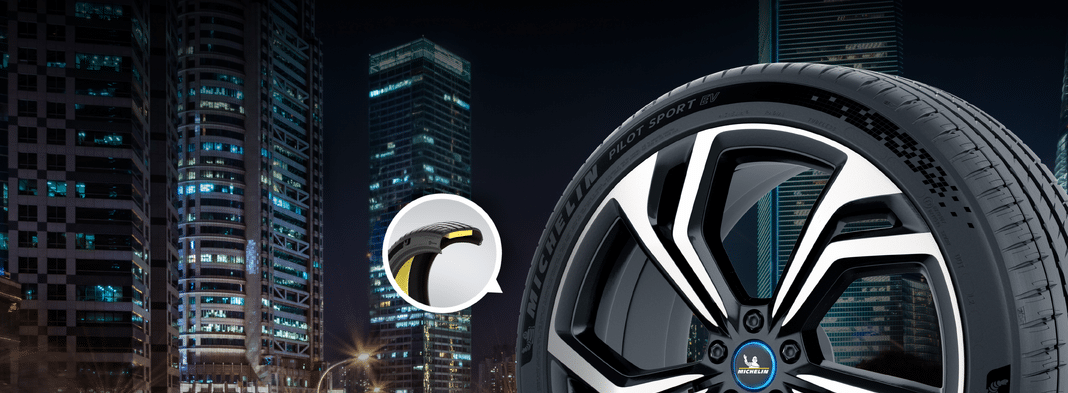
Quiet and Comfortable Ride with EV Tires
The dominant source of tire noise in an EV cabin is cavity resonance: air vibrating inside the tire at a low frequency that transmits through the wheel, axle, and body structure into the cabin. A ring of polyurethane acoustic foam bonded to the inside of the tire absorbs this resonance before it reaches the cabin. Correct inflation also reduces noise: an underinflated tire deforms more, transmits more road vibration, and generates more noise than one correctly inflated.Learn more


Find tire dealers near you in seconds
Search among our dealers to find where your tire is available
City, suburb, town or zip
Legal Notices
*Based on Michelin tire sales to electric vehicle manufacturers with annual sales projections (as of April 2022) of at least 1,000 vehicles in the United States and Canada.