What pressure for your tires?
Checking your tire pressure is simple and inexpensive. It is important to use the pressure recommended by the manufacturer to avoid over-inflation or under-inflation.
• Over-inflation can lead to premature tire wear in the center of the tread.
• Under-inflation can lead to premature tire wear in the shoulder area. It reduces the grip qualities.
The tire pressure recommended by your manufacturer
The pressure has been optimally defined by the manufacturer for the vehicle/tire combination. All performances have been checked by the manufacturer with a clear objective: your safety.
This is why it is imperative to consult the pressure recommended by your manufacturer for your vehicle.
It is generally indicated:
on a sticker on your driver's side door,
in the fuel filler flap,
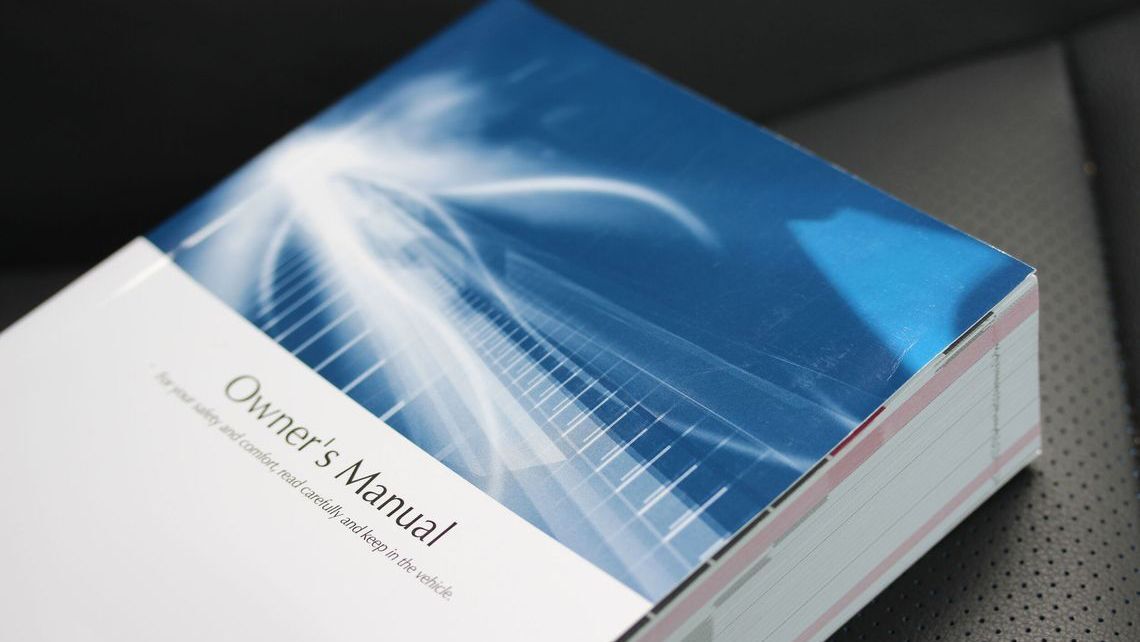
or in the vehicle manual.
The recommended pressure for your front and rear tires may not be the same.
You will also see that two types of pressure are indicated:
Normalized pressure: this is the standard pressure
Loaded pressure: to be adopted when the vehicle is particularly loaded, for example when going on holiday.
The pressure is indicated in the pressure unit used in the country you live in: in BAR or in PSI (1 bar = 14.50 psi).
The risks of incorrect tire pressure
The manufacturer's recommendations are essential for your safety and you should refer to them whenever you check the pressure of your tires.
Otherwise their performance may be reduced, especially in the following cases:
Endurance
Driving on underinflated tires causes deterioration of the overall tire structure which can lead to dislocation and/or bursting.
Aquaplaning
If below the vehicle manufacturer's recommended tire pressure, there is a sharp increase in the risk of aquaplaning.
Braking
A difference of 1 bar, or 14 psi, from the vehicle manufacturer's pressure recommendation can increase the braking distance on wet roads by 11 metres.
Fuel Consumption
tires underinflated by 14 psi (1 bar) have increased rolling resistance, which increases fuel consumption by 1 full tank of fuel per year.
Correct tire pressure: a safe, economical and responsible move
A tire inflated to the recommended tire pressure improves safety, is more economical in use, and is better for the environment.
And since a tire loses some of its pressure through natural causes (typically around 0,07 bars per month), regular checking is necessary.
If your vehicle was manufactured after 2014, it should be equipped with a TPMS (tire Pressure Monitoring System) that alerts you when your tires are under-inflated. However, it is recommended that you do not wait for this signal to worry about the correct pressure of your tires.



Find tire dealers near you in seconds
Search among our dealers to find where your tire is available
FAQ
Read our Frequently Asked Questions.
The vehicle manufacturer's recommended pressure is on the tire information placard on the driver's side door or door jamb. It may also be in the owner's manual. The placard lists the recommended pressure for the specific vehicle configuration — it accounts for the weight, suspension design, and load the vehicle is engineered to handle. Front and rear recommendations may differ, and there may be a separate loaded pressure recommendation.
The number on the tire sidewall is the maximum pressure that tire can safely contain — it is the tire's limit, not the recommended operating pressure for a specific vehicle. The door jamb sticker lists the pressure the manufacturer determined is optimal for your vehicle's weight, handling, fuel economy, and wear balance. Always use the door jamb figure, not the sidewall maximum.
Yes, for many vehicles. Weight distribution between the front and rear axles is rarely 50/50 — front-wheel-drive vehicles often carry more weight over the front axle, and rear-wheel-drive vehicles or those with heavy rear cargo may carry more at the rear. The tire pressure recommendations reflect this distribution, ensuring each tire operates at the right load for the weight it supports.
TPMS alerts when pressure falls below a threshold — typically significantly below the recommended level. It doesn't display the ideal target pressure or tell you to add a small amount to reach optimal inflation. It's a warning system, not a maintenance tool. Vehicles manufactured in the United States since 2008 have been required to include TPMS, but the alert threshold was set for safety, not for optimal performance. Use a gauge for precision.
The recommended pressure from the door jamb sticker applies year-round — you don't change the target. What changes is how often you check, because temperature affects the actual pressure inside the tire. In cold weather, pressure drops, so monthly checks become more important to catch and correct the deficit. In hot weather, pressure rises with driving — check cold before driving, and don't deflate based on hot readings.
Many vehicles' door jamb stickers list two pressure recommendations: a standard figure for typical driving and a higher loaded figure for when the vehicle is carrying a full passenger load, heavy cargo, or towing. The loaded recommendation ensures the tires can safely support the additional weight. Use the higher pressure when fully loaded and return to the standard pressure for normal driving without heavy loads.
Related articles
-
How to Properly Inflate Your Car Tires
Tire inflation is an important factor to ensure your safety and that of your passengers. If your tire pressure is incorrect, it can also impact your vehicle's operating costs through premature tire wear and higher-than-normal fuel consumption.
In this article, you will learn when you should check your tire pressure and how to inflate tires in 3 simple steps. You will see that tire inflation has to be done differently depending on whether your tires are cold or warm and that the spare wheel should also be checked regularly, although not as often as the other tires.
We will also address the question of the portable tire inflation compressor as an alternative to gas stations and help you decide if you should inflate tires with nitrogen.View more