It's the tires that stop the car.
When it comes to safety, tires are one of the most important components of your vehicle.
Your brakes stop the wheels from turning, but it’s the grip of the tires that actually brings your car to a stop.
Let's take a closer look.
Here, rubber meets the road:
The only thing holding your car to the road is an area on the tires that’s the size of a hand.
And this is where it all happens:
braking, acceleration, traction, handling, steering, comfort.
Even the most powerful car won’t grip the road without the right tires.
You took time to choose your car.
Taking time to choose your tires is just as important.
Your safety does not just depend on the way you or others are driving.
It depends equally on your choice of tires.
For your peace of mind (and your family’s), take the time to choose well!
But how do I choose the right tire? To help you compare and choose, look at 4 different aspects:
Safety
Most tires perform well in everyday situations, but difficult conditions will reveal their differences. Choose tires that can perform well in the worst types of weather or roads you encounter. The difference can be huge. Not all tires are equal – choosing the right ones can keep you safe.
Value
Making a compromise now could mean spending more later. Why? Because tires that last longer and can help you save fuel allow you to save in the long run. Get more efficient tires now, replace them much later! (And forget about shopping for tires for a while.)
Enjoy the ride
Like a shoe, a tire needs to fit you perfectly.
1. Take any car
2. Try a different set of tires
You end up with an entirely different driving experience. So, do you like a comfortable drive or precision handling to take that corner like a pro? Make sure your tire reflects your style.
Sports Car?
A sprinter doesn't want to run in slippers. Neither does your car. A sport or luxury car won’t feel like one unless the tires can translate its power to the road.


Find tire dealers near you in seconds
Search among our dealers to find where your tire is available
FAQ
Read our Frequently Asked Questions.
More than most drivers expect. Brakes stop the wheels from turning, but it's the tires that actually stop the car by converting braking force into friction with the road. Tires are also the vehicle's only contact point with the pavement during steering and acceleration. The right tires, properly maintained, can mean many additional feet of stopping distance in an emergency, particularly in wet or cold conditions.
Under-inflation is a leading cause of tire failure and blowouts. A tire running at too low a pressure generates excess heat, wears unevenly on the outer edges, and handles less predictably. Over-inflation concentrates load on the tread center, shrinks the contact patch, and accelerates wear in the middle. Check pressure monthly when tires are cold — before driving or at least three hours after. Use the PSI on your door jamb sticker, not the maximum pressure printed on the tire sidewall.
It comes down to how extreme your winters are. For mild climates with rain but little snow, a quality all-season tire covers most situations. For genuine winters with sustained cold, ice, or significant snowfall, the safest approach is a dedicated winter tire set swapped seasonally. For a middle ground, an all-weather tire carrying the 3PMSF symbol gives year-round capability without seasonal changes. Match the tire to your worst-case conditions, not your average ones.
Yes, significantly. A luxury sedan calls for tires that balance refinement, handling precision, and load capacity. A performance car needs stiffer sidewalls and grippier compounds. An SUV or crossover requires a higher load index to handle the vehicle's weight. A light truck used for towing should run LT-rated tires with reinforced sidewalls. Driving style matters too — someone who drives enthusiastically on winding roads needs very different tires than a highway commuter prioritizing fuel economy and tread life.
Worn tires lose their ability to channel water and grip the road, especially in the wet. If tread is approaching 4/32 inch — the point where wet-road performance starts declining noticeably — increase following distance, reduce speed in rain, and avoid aggressive inputs. Worn tires are also much more prone to hydroplaning at highway speeds. The practical answer is to replace tires before they get to that point.
Related articles
-
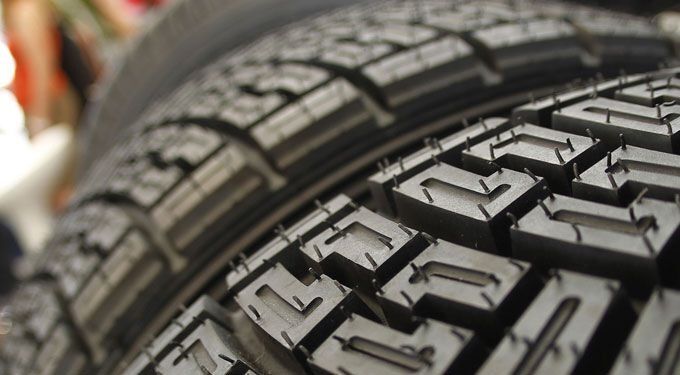
How Tires Are Made
Your tire is built from more than 200 individual materials, including natural rubber, synthetic rubber, steel wire, and textile cords. These layers are assembled and then cured under heat and pressure in a mold, bonding everything into a single structure capable of carrying vehicle weight, managing heat at speed, and maintaining grip across thousands of miles. Understanding this process helps explain why correct pressure, avoiding overloading, and replacing worn tires matter as much as they do.View more -

Tire Safety: How to Maintain, Inspect, and Care for Your Tires
Your car's safety depends on your tires, which must be properly maintained in order for them to perform as intended. Treadwear, load limitations, inflation pressure, and installation are some of the variables that might affect the longevity and reliability of tires. By following specified safety rules and doing routine maintenance, drivers can reduce their risk of tire issues and be prepared for the road ahead.View more -

Understanding Tire Performance Characteristics
Performance tires grip harder and respond faster than standard tires, but they make specific trade-offs to deliver that. Their softer compounds wear faster, perform less effectively in cold temperatures, and are less forgiving on rough or potholed roads. If you drive a performance vehicle or want sharper handling, this page explains exactly what you gain and what you give up so you can choose with confidence.View more -

Run-Flat Tires: How They Work, Benefits, and Proper Care
After a tire loses air pressure, run-flat tires are designed to help drivers keep control and continue driving for a limited distance. By reducing the need for quick roadside tire changes, this added mobility enhances convenience and safety.
Like all tires, run-flat tires require proper maintenance, inspection, and servicing to perform as intended. Understanding how run-flat tires work and how they should be cared for helps drivers make informed decisions and protect long-term tire performance.View more -
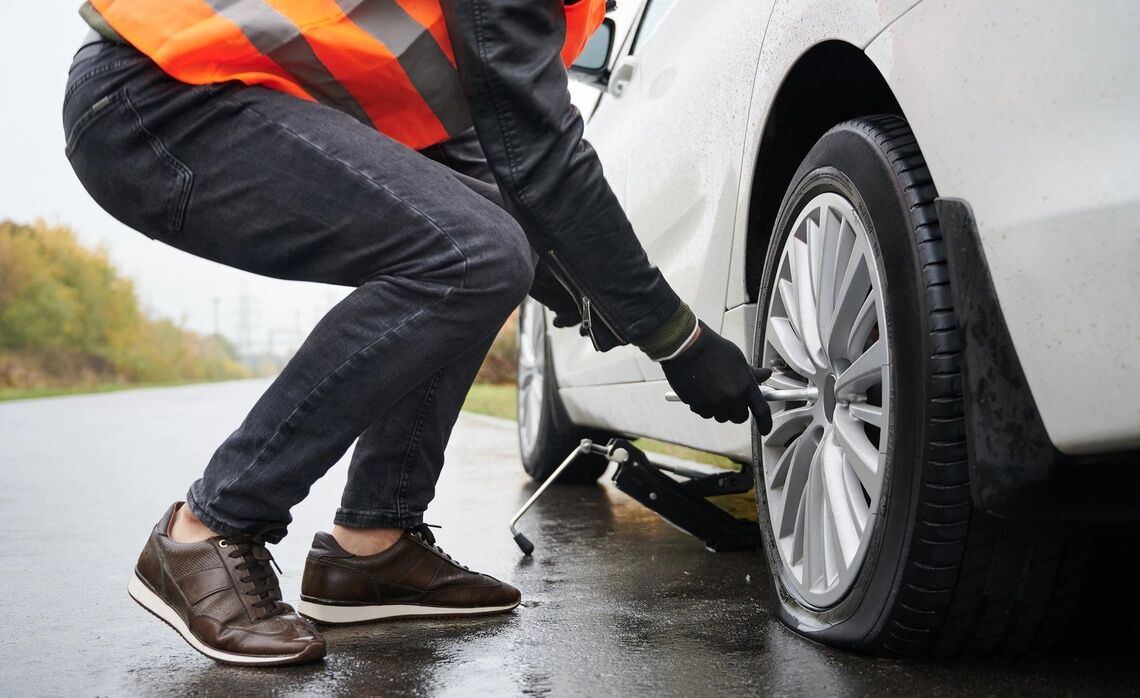
Driving on a Spare Tire
A compact temporary spare has strict limits: lower maximum speed and a short maximum distance before it must be replaced with a proper tire. Exceeding these limits risks damage to the spare, the rim, and potentially the vehicle. This page covers how to use your spare correctly, what checks to do before fitting it, and why reaching a tire center promptly matters more than it might seem.View more -
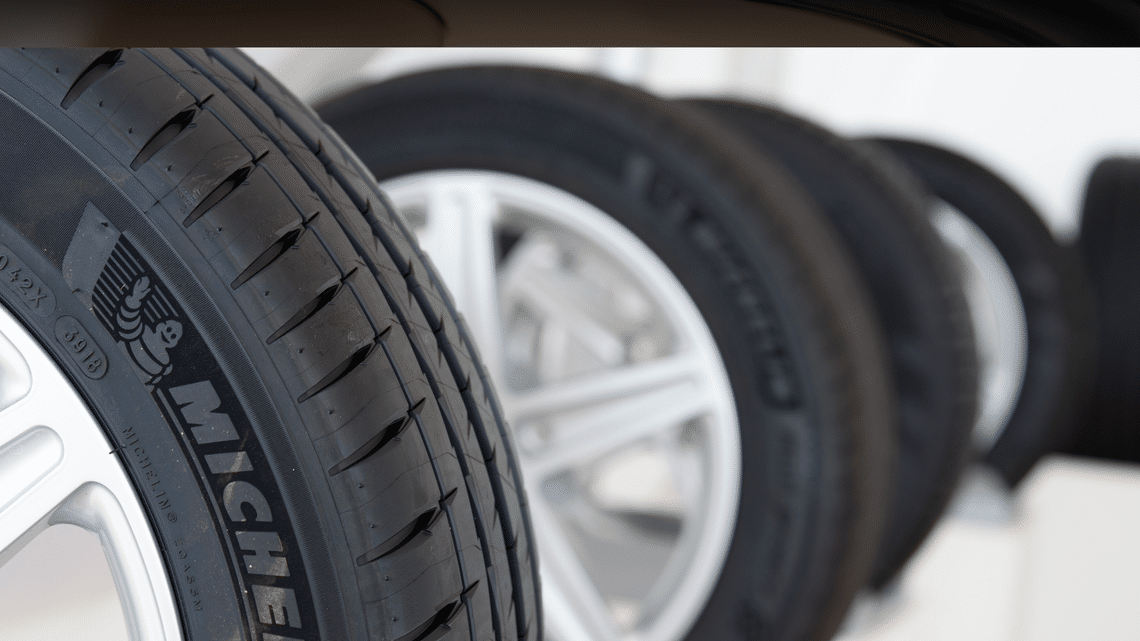
Understanding Tire Load Rating and Speed Rating
Standardized tire markings define a tire’s load rating and speed rating, two critical indicators of safe tire performance. When properly inflated and loaded, these ratings identify the maximum weight a tire can carry and the maximum speed it can safely sustain. Understanding and respecting these ratings when replacing tires helps ensure your vehicle continues to operate as intended.View more -
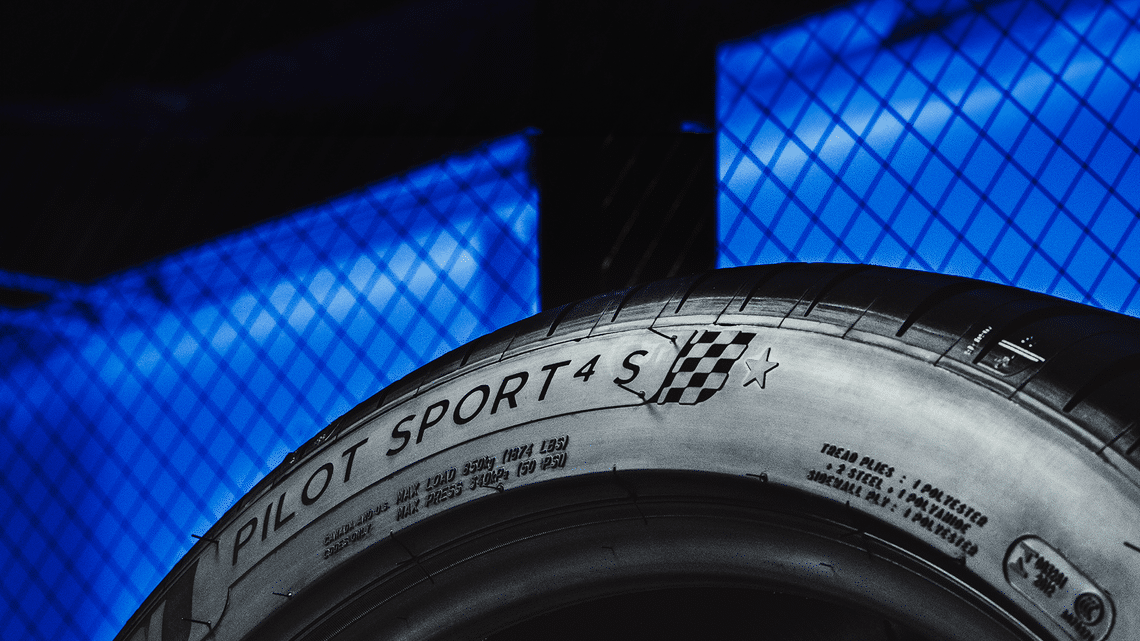
Tire Markings Explained: How to Read a Tire
A tire size is represented by a sequence of numbers and letters that describe the tire’s dimensions and construction. Additional letters may also appear to indicate the intended application or load capacity.View more -
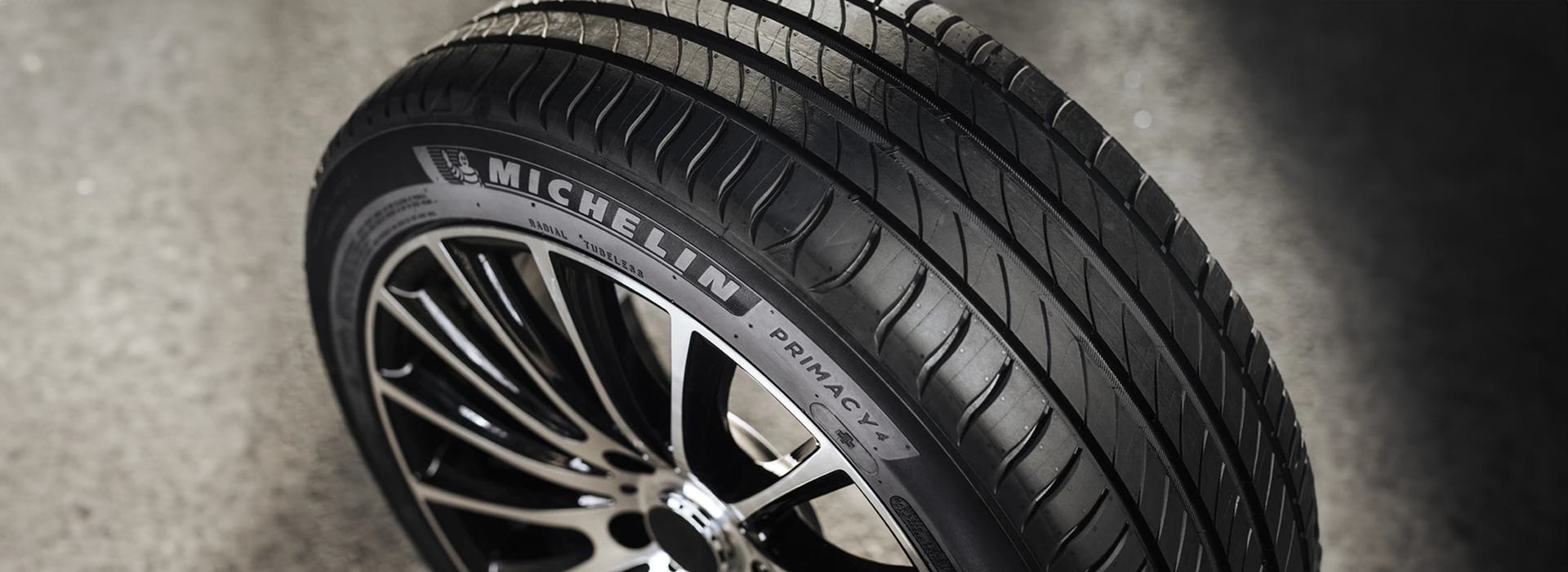
Tire Tread Depth: Legal Limits and What to Know
A tire is designed to meet performance requirements. But beyond a certain level of wear, it needs to be changed. What is the role of the tread? Up to what level of wear does the tire remain effective? And what is the legal minimum tread depth for changing your tires? Find out the answers to all your questions.View more