-

When to Replace Tires
There is no single rule that determines how long a tire will last. Tire lifespan depends on a combination of factors, including tire design, driving habits, climate, road conditions, and how well the tires are maintained.
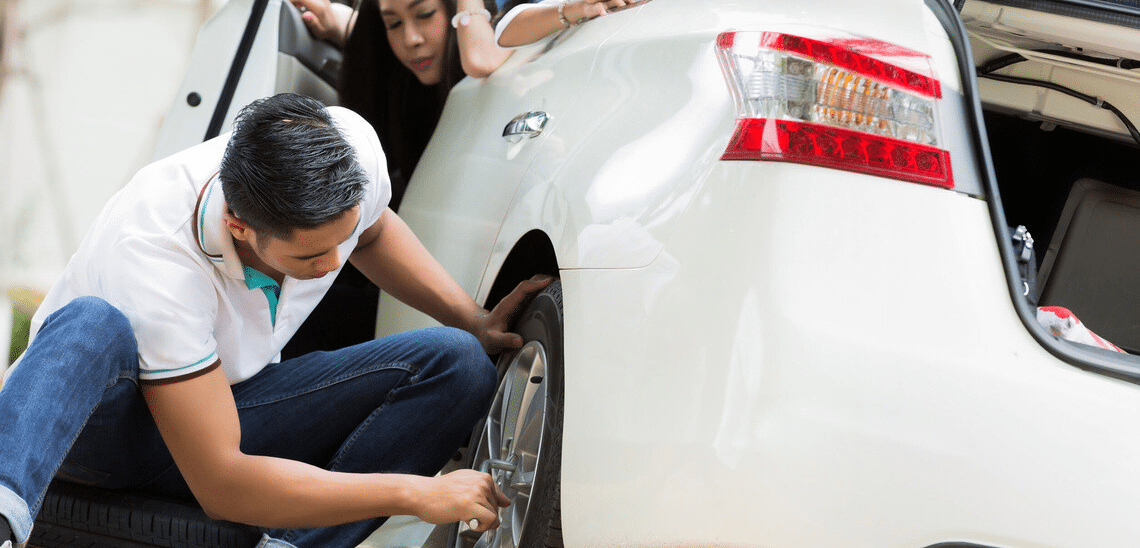
Rather than relying on mileage alone, Michelin recommends regular inspections and paying attention to both visible signs and changes in performance that may indicate a tire needs to be replaced.View more -

How To Choose Tires
What should you think about when choosing a tire?View more -

Michelin-Developed Marked Tires
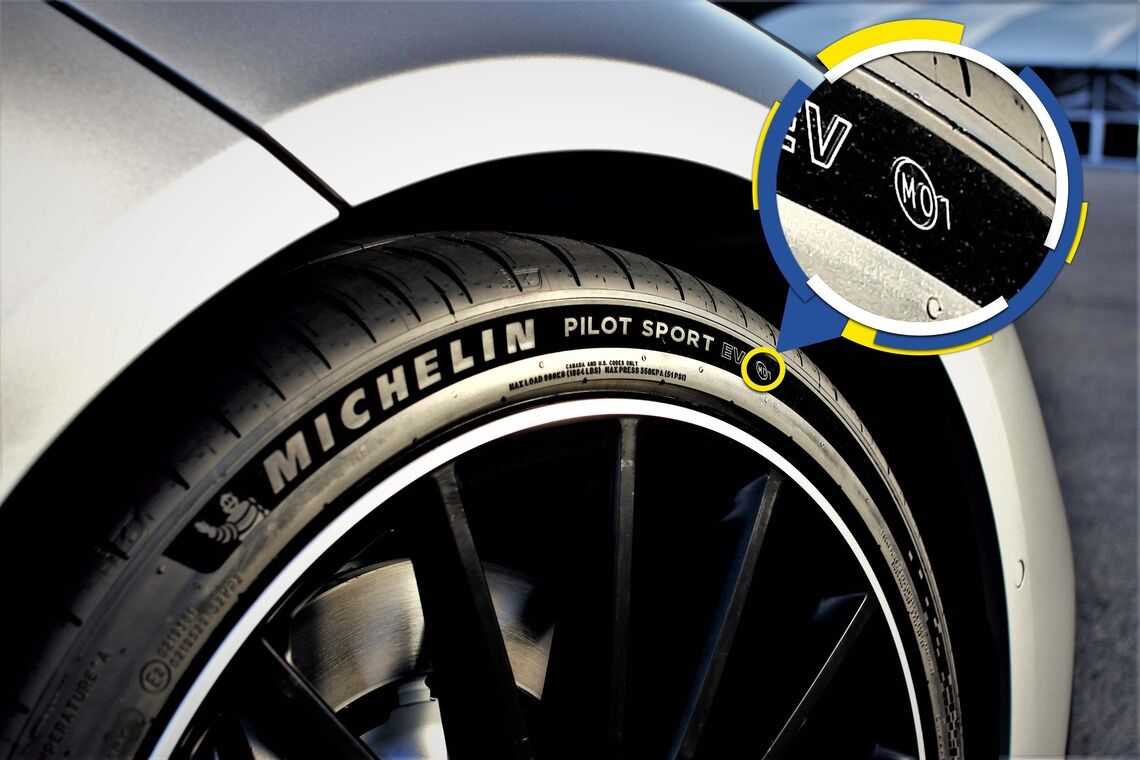
Michelin believes that close collaboration with vehicle manufacturers is essential when developing high-performance tires. Every vehicle has unique characteristics that influence how a tire should perform, including weight distribution, power output, chassis design, and suspension tuning.
Michelin-developed marked tires are engineered to match these vehicle-specific requirements. Designed and approved jointly by Michelin and the automaker, these tires are tuned to help ensure the tire performs as intended on the vehicle for which it was developed.View more -

Preparing for Your Visit to the Tire Dealer
Easily prepare for your visit to the dealer with Michelin's guide. Be sure to ask your tire dealer these 5 questions to ensure you get everything you need.View more -

What to Know Before Mixing Car Tires
Maintaining your car in the configuration set by the manufacturer is the safest approach for tire replacement. This means following the tire specifications outlined on your car's placard, in the owner's manual, and in any OE (original equipment) technical bulletins. This is essential, as these documents take into consideration how the car was built to manage load, steering, braking, and stability, especially when replacing just one or two tires.View more -

Choosing the Right Tire Size for Your Vehicle
Selecting the correct tire size is essential for proper fitment, performance, and safety. Tire size information is defined by standardized tire markings and can be found on the tire sidewall, in your vehicle owner’s manual, or on the vehicle tire information placard. Knowing where to locate this information and how to interpret it helps ensure replacement tires meet your vehicle manufacturer’s specifications.View more -

How to compare tires?
On what basis should you compare tires to select the one that will give you complete satisfaction? This article is about the main performance criteria to consider, the decision aids you can use and Michelin's best advice. We will discuss how to select the one you need within the same tire line and provide you with decision aids, such as independent tire tests, labelling and tire comparison sites. Finally, we will discuss another important criterion: long-term performance.View more -

Differences in Types of Seasonal Tires
All-season / Summer / Winter tires: what is the difference?View more -

Winter Tire Buying Guide
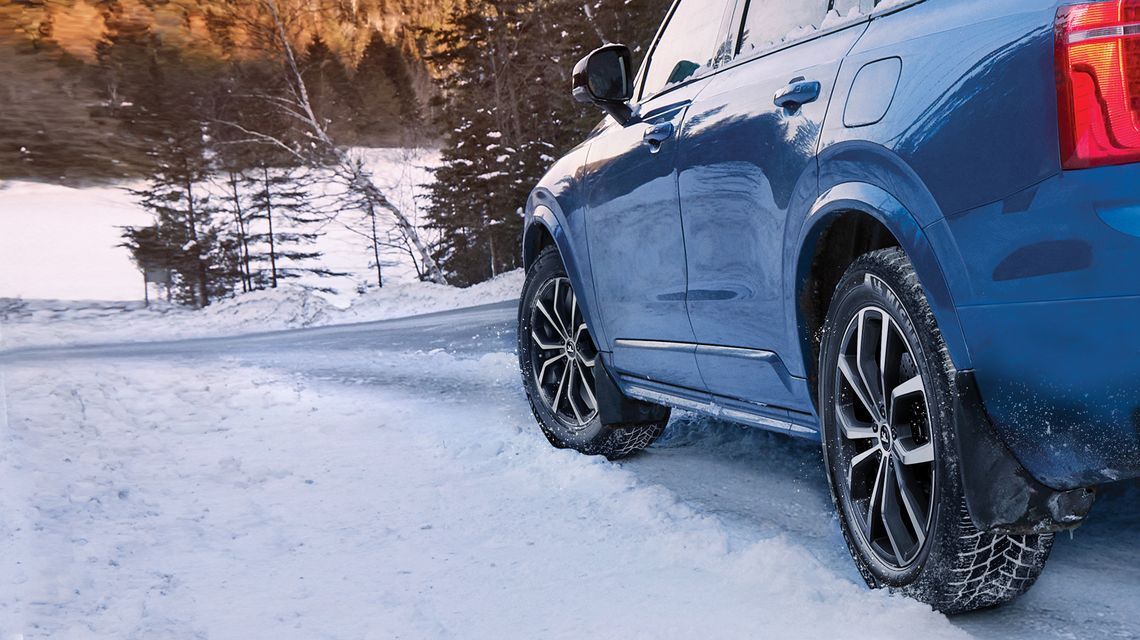
Whether you are a first-time car owner, new to winter driving, or simply looking to make the safest choice for your vehicle, this guide covers everything you need to know about buying winter tires. From understanding the difference between winter, all-season, and summer tires to recognizing important tire symbols and studded options, here is how to stay safe through the coldest months of the year.View more -

Winter Tires vs. Snow Tires Explained
When temperatures drop, driving safely depends on more than just good reflexes. Many people use the terms winter tires and snow tires interchangeably, but there is a key difference. Understanding how these tires perform in different cold-weather conditions can help you stay safer and more in control this winter.View more -

Summer vs. Winter vs. All-Season Tires
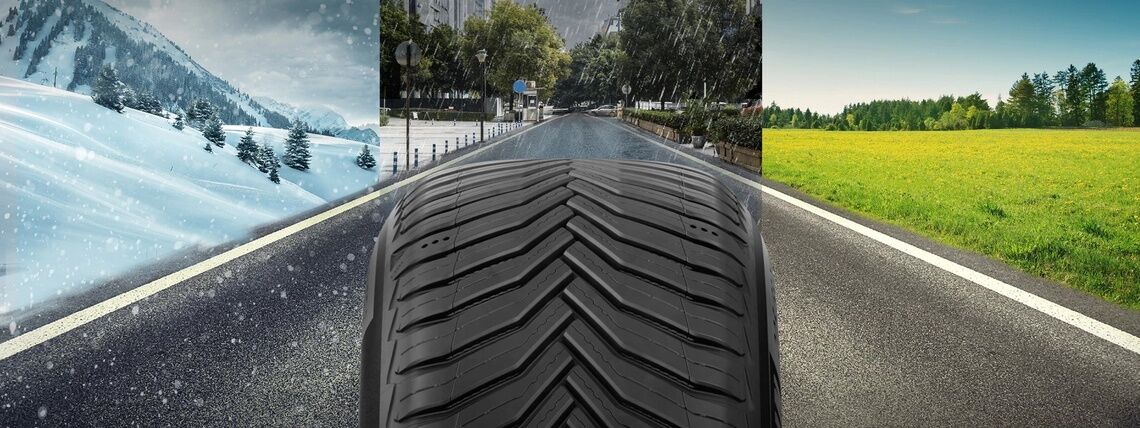
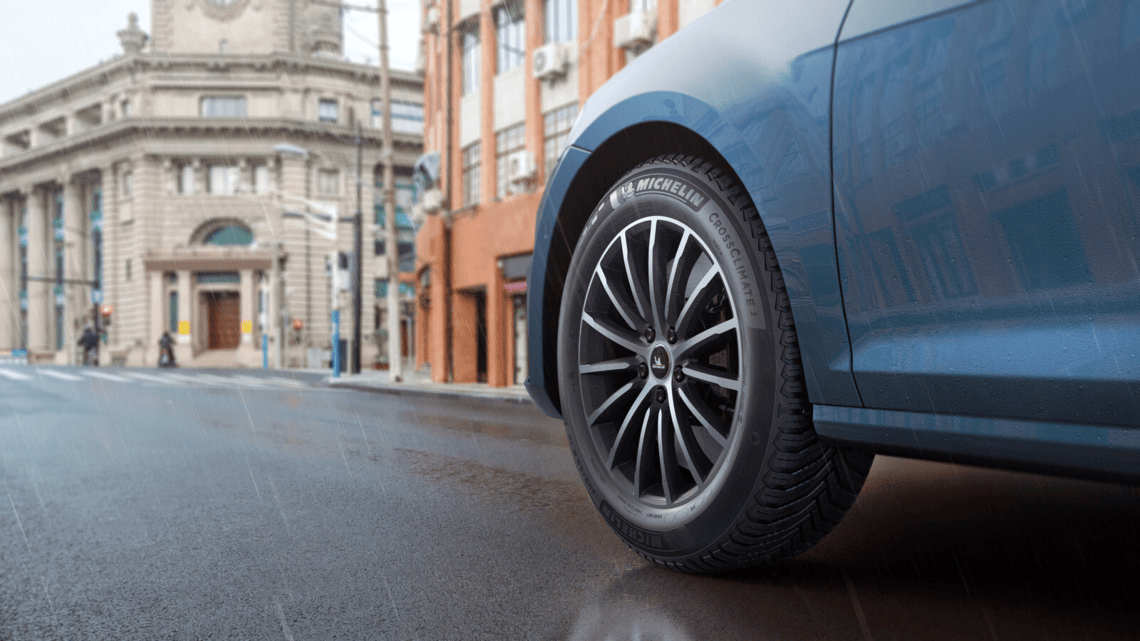
Choosing the right tire depends on where you live, the time of year, and how you use your vehicle. Each tire type, summer, all-season, or winter, has unique strengths and limitations. Knowing when to switch helps you stay safe and maintain peak performance throughout the year.View more