- Hold the steering wheel firmly.
- If this happens before entering a turn, try to control the direction first.
- Then try to slow down: shift down gears step by step to slow down.
- Use the handbrake/emergency brake to stop the car if the speed is below 20 mph.
- Turn on your hazard lights if applicable.
- Use upward slopes or hills to help stop the car.
- If your brakes stop working when going up a hill, shift quickly to lower gear, then use the handbrake/emergency brake to park the car.
- If available, park in an emergency parking lane, or hard shoulder. If not, then park away from fast traffic and ensure your hazard lights are turned on.
How to avoid it:
- Test brakes before your trip.
- Always test your brakes when you first start down a steep hill or if you have driven through deep water.


Find tire dealers near you in seconds
Search among our dealers to find where your tire is available
FAQ
Read our Frequently Asked Questions.
Pump the brake pedal rapidly — this can temporarily build hydraulic pressure in some brake systems and provide a degree of stopping force. If the vehicle is moving at speed, simultaneously look for a safe place to exit the road — a side street, a parking lot, an uphill slope, or a safe barrier. Use the parking brake gradually if pumping the main brake fails, but apply it slowly to avoid locking the rear wheels.
Warning signs worth taking seriously:
A soft, spongy, or low feeling when pressing the pedal
The vehicle pulling to one side during braking
A grinding or scraping noise when braking
Vibration through the pedal or steering wheel during braking
The brake warning light illuminating
Longer stopping distances than usual
Test the brakes at low speed at the start of any descent, particularly in mountain or hilly areas, and after driving through deep water. Deep water can temporarily reduce brake effectiveness as water is displaced from the pads. After emerging from a deep puddle or flooded road, apply light braking force a few times at low speed to dry the pads and restore normal braking response.
Tires determine whether braking force from the wheels actually translates into stopping force on the road. Even perfectly functioning brakes cannot compensate for tires with insufficient tread, wrong inflation, or inappropriate compound for the conditions. Worn tires extend stopping distances meaningfully on wet roads. The braking system and the tires work together — a failure in either one affects total stopping performance.
Shift into neutral immediately — this cuts the drivetrain connection and allows the engine to rev freely without accelerating the vehicle. Then apply the brakes and steer safely off the road. Once stopped, switch off the engine. Do not switch off the engine while still moving, as this removes power steering and makes steering significantly harder. Shifting to neutral buys time to stop safely without those risks.
Move completely off the road if possible, activate hazard lights, and do not attempt to drive the vehicle again until a professional has inspected the braking system. A brake failure that appeared and resolved may indicate a developing fault that will recur. If the vehicle is in an unsafe location, call for help rather than trying to reposition it. Apply the parking brake to ensure the vehicle stays stationary.
Related articles
-
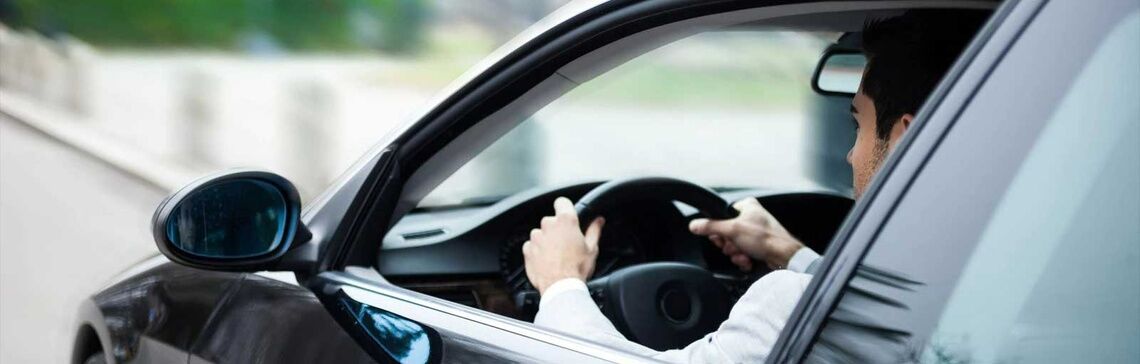
Regaining Steering Wheel Control
If a front tire blows out, your instinct will be to brake hard. That instinct is wrong and will make the situation significantly worse. The correct response is to grip the wheel firmly, hold the accelerator briefly to stabilize the vehicle, then ease off gradually and steer toward the shoulder as speed drops naturally. This page explains the specific counterintuitive technique for blowouts, skids, and hydroplaning, each of which requires a different but deliberate response.View more -
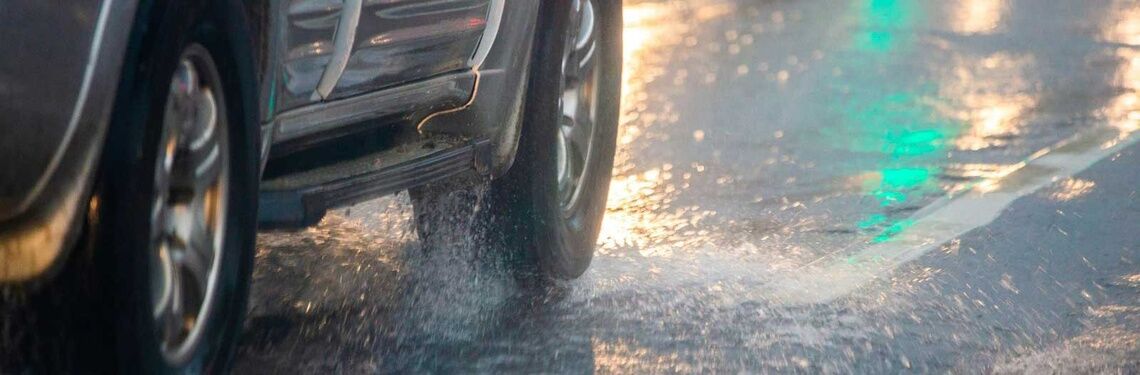
Brake Problems
If your brakes suddenly feel soft or lose pressure while driving, pump the pedal rapidly to try to build hydraulic pressure, look for a safe exit from the road immediately, and apply the parking brake gradually only as a last resort. This page also covers the warning signs to watch for before brake problems become critical: a spongy pedal, grinding noise, pulling to one side during braking, and a pedal that sits closer to the floor than usual.View more -
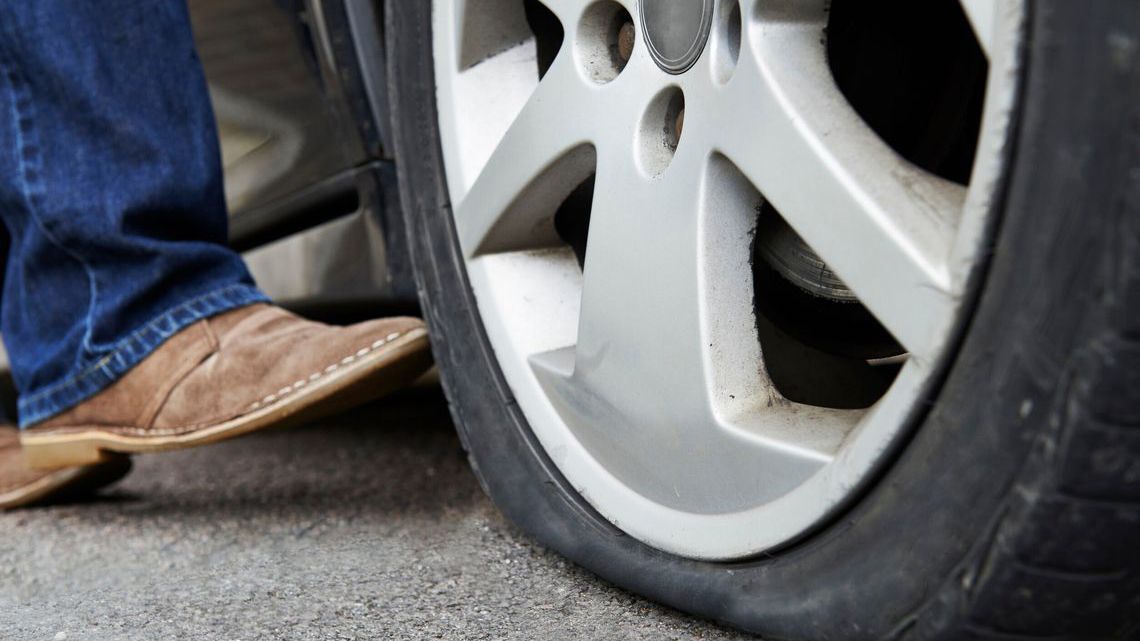
Tire Blowout
Do not brake hard during a blowout. The sudden pull toward the failed side combined with hard braking can cause a spin or roll. The correct response: grip the wheel firmly, maintain your speed briefly to stabilize, ease off the throttle gradually, and steer progressively toward the shoulder as speed drops naturally. This page explains why this approach works, the causes most responsible for blowouts, and the maintenance habits that significantly reduce your risk.View more -
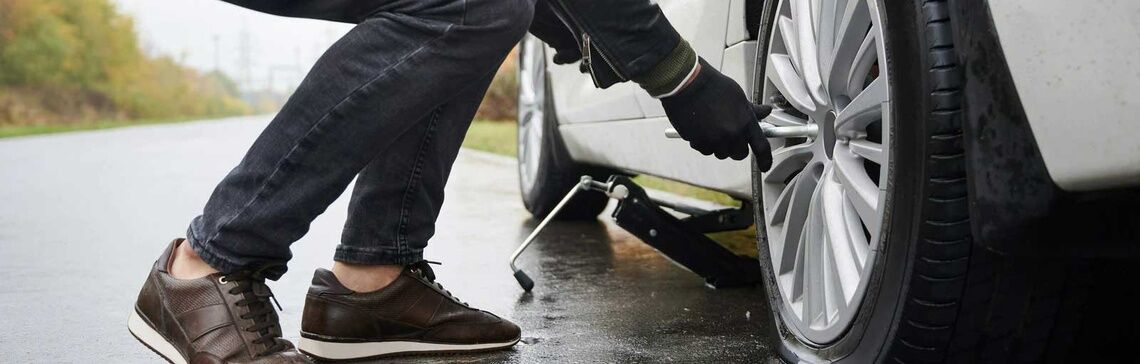
Car Emergency Kit
Your emergency kit needs to answer three questions: Can you be seen by approaching vehicles? Can you stay warm if stranded? Can you move the vehicle or call for help? The core items are warning triangles or reflective flares, a thermal blanket, a portable jump starter or jumper cables, a flashlight with spare batteries, a small shovel, traction aids, and roadside assistance contact details written on paper. For winter travel, add warm spare clothing and extra traction materials.View more