What should I do before I leave on a trip?
Make sure your vehicle is up-to-date on all inspections.
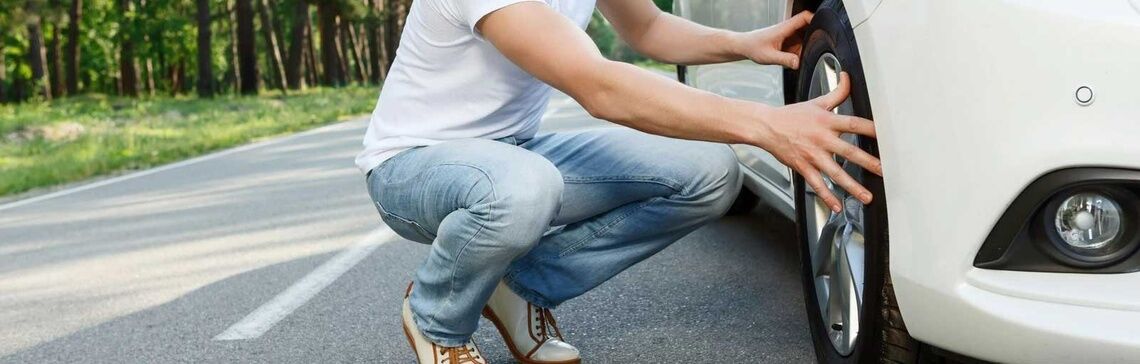
Check your tires’ air pressure and compare to the information on the tire information sticker in your vehicle’s door, gas tank, or in your owner’s manual. You can also find the right pressure for your tires through our Tire Selector vehicle search.
See more information on inspections and tire pressure
Check your tires’ tread wear and condition visually. If your tread seems worn down or the tires seem damaged, have the tires checked by a professional.
Tire Registration
Make sure your tires are registered to receive direct notification in the event of a safety-related recall.


Find tire dealers near you in seconds
Search among our dealers to find where your tire is available
FAQ
Read our Frequently Asked Questions.
Tires are the top priority: check pressure on all four tires and the spare, inspect for any visible damage or embedded objects, and confirm the tread depth is adequate for the journey and any conditions you might encounter. Beyond tires: engine oil level, coolant level, windshield washer fluid, and that all exterior lights are working. If the vehicle hasn't had a service recently or the journey is particularly long, a pre-trip inspection at a shop gives a more complete picture.
Yes. Registering your tires with the manufacturer means you'll receive direct notification in the event of a safety-related recall. Michelin's website allows tire registration using the DOT code from the sidewall. This is worth doing when tires are new and worth checking before any extended journey — a recalled tire may have a known issue that the manufacturer can address before it becomes a problem on the road.
Build them into the route before you leave rather than deciding on the go. Planning stops every couple of hours maintains alertness better than driving until fatigue forces a stop. Look for rest areas, service stations, or towns along the route where you can park safely, stretch, use facilities, and have something to eat or drink. Avoid making time pressure the thing that cuts rest stops short — arriving tired at the destination is not the goal.
Essentials beyond the standard emergency kit:
A physical map or downloaded offline route as a backup to navigation
Snacks and water for the occupants
A phone charger (power bank or in-car adapter)
A first aid kit
Roadside assistance information or subscription details
Jumper cables or a portable jump starter
A basic tool kit and tire repair supplies
Tire pressure deserves a check at the start and if you stop for an extended period — pressure may shift slightly with temperature changes during a long journey. On sustained highway driving, the engine, brakes, and tires all run at higher continuous loads than city driving. If you smell anything unusual (burning, rubber, something hot), pull over and investigate before continuing. After a long highway journey, inspect the tires for any damage from debris picked up at speed.
Stay flexible and don't let schedule pressure push you to drive in conditions or at a pace that compromises safety. If a weather event forces a detour or a rest stop needs to be longer than planned, treat those as the journey responding correctly to conditions rather than as setbacks. Keep your navigation updated, know the fuel range of the vehicle and where the next service is on any alternative route, and confirm your roadside assistance plan is active before leaving home.
Related articles
-

Driving At Night
Your headlights at normal speed illuminate less road ahead than the distance you need to stop if something appears in that range. Reduce speed so you can stop within what you can see. At night, clean headlights, correctly inflated tires for maximum braking grip, and adequate tread depth for shorter stopping distances are the three vehicle-side factors with the most direct impact on nighttime safety.View more -
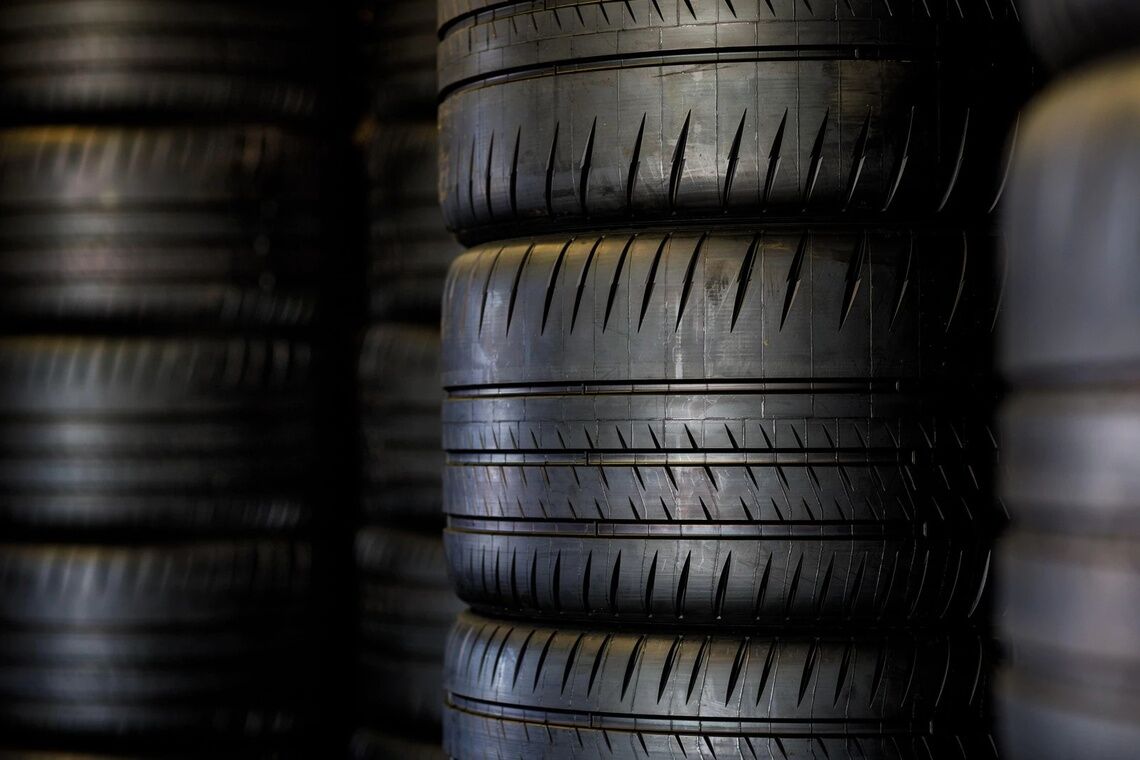
Driving in Fog
High beams in fog make visibility worse, not better: the light bounces off the water droplets and back into your eyes. Use low beams or dedicated fog lights, reduce speed significantly beyond what feels necessary, and leave following distance based on time rather than visual estimation of distance. Navigate by road markings rather than by the tail lights of the vehicle ahead, which can lead you too close without realizing it.View more -
Driving in High Winds
On exposed roads or bridges in high wind, keep both hands firmly on the wheel and avoid sharp steering corrections in response to gusts. Overcorrecting after a crosswind gust causes as much instability as the gust itself. Tires at correct pressure maintain better lateral contact stability in crosswinds than underinflated tires. If conditions are severe, reduce speed and maintain extra lateral distance from large vehicles, which create turbulence that amplifies crosswind effects.View more -
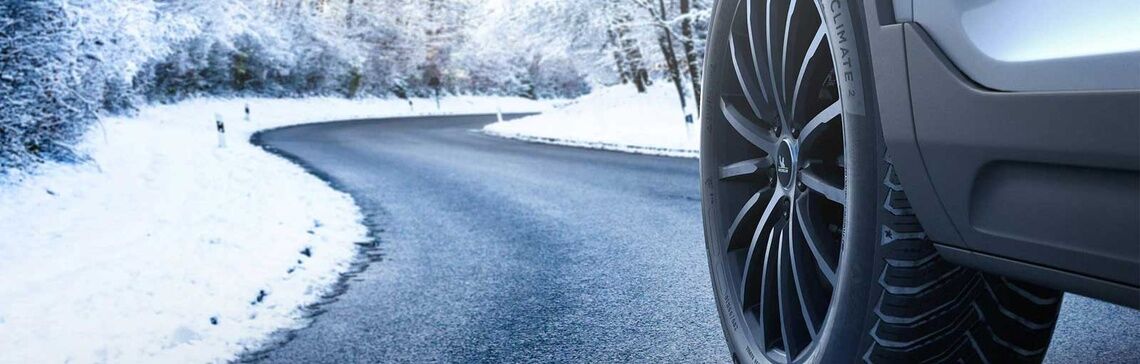
Tips for Safe Driving on Ice & Snow from the Experts
Winter driving requires patience, preparation, and skill. Mastering a few key techniques can make all the difference, helping you stay in control on unpredictable snowy and icy roads. These expert tips from Michelin will help you drive safely and confidently all winter long.View more -

Driving in Mud
The key to driving through mud is maintaining momentum without spinning the wheels. Spinning digs you in faster than anything else. If stuck, do not spin: place traction aids under the driven wheels, attempt a gentle rocking motion forward and back, and try to move on the first attempt with smooth, progressive throttle. This page covers both the specific driving technique for muddy surfaces and the tire tread characteristics that provide the best traction in soft conditions.View more -
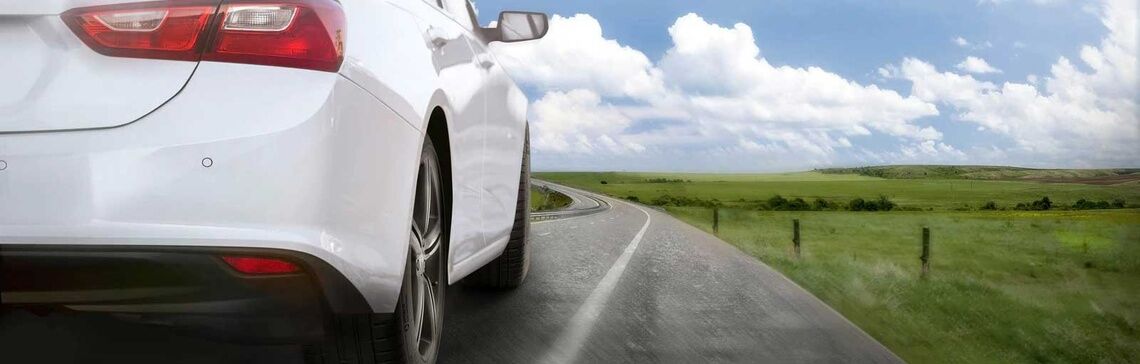
Driving on the Highway
Sustained highway speed generates more heat in your tires than urban driving. An underinflated tire builds heat faster than a correctly inflated one at the same speed, which increases the risk of structural failure over a long journey. Check pressure before any long highway trip, particularly in summer when ambient heat adds to the load. Also inspect tread depth before a motorway journey: a tire near the wear limit is significantly less capable at speed than at lower urban speeds.View more -

Driving in the Mountains
On long mountain descents, use engine braking by downshifting to a lower gear rather than riding the foot brake continuously. Brake fade from overheated brakes is a real risk on repeated descents, and engine braking reduces the load on the brakes significantly. Temperatures drop with altitude; if you are driving into a mountain area where conditions will be substantially colder than where you departed, confirm your tires are appropriate for those lower temperatures.View more -

Preparing for Winter: How Cold Affects Tire Pressure and When to Switch Tires
Your vehicle is only as safe as its tires. Even the best winter tires cannot perform properly if they are installed too late or are underinflated in cold weather. Understanding how temperature changes affect tire pressure, and knowing when to make the seasonal switch, are key to staying safe and confident on winter roads.View more -
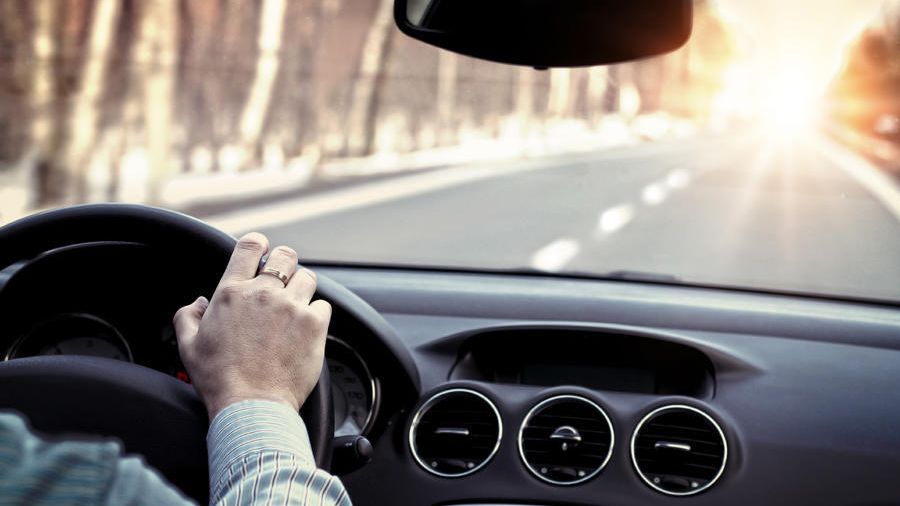
Fatigue Driving
At measurable fatigue levels, driving impairment is comparable to impairment from alcohol. Coffee and fresh air delay the onset of fatigue but do not cure it. The only effective remedy is rest. On journeys over two hours, plan a stop regardless of how alert you feel: fatigue onset is gradual and drivers consistently underestimate how impaired they have become. Warning signs include drifting between lanes, missing exits, and difficulty keeping your focus on the road.View more -

Safety Precautions While Driving
View more -
Driving for Fuel Economy
Correct tire pressure is one of the most accessible fuel efficiency improvements available to any driver. Underinflated tires increase rolling resistance, requiring the engine to work harder to maintain the same speed. Beyond pressure, smooth acceleration and early, gradual braking reduce the energy wasted in repeated hard stops and sharp starts. Both habits extend tire life as a secondary benefit, making fuel economy driving one of the most practical forms of tire care.View more