Find Dealers

Related topics

FAQ

Read our Frequently Asked Questions.

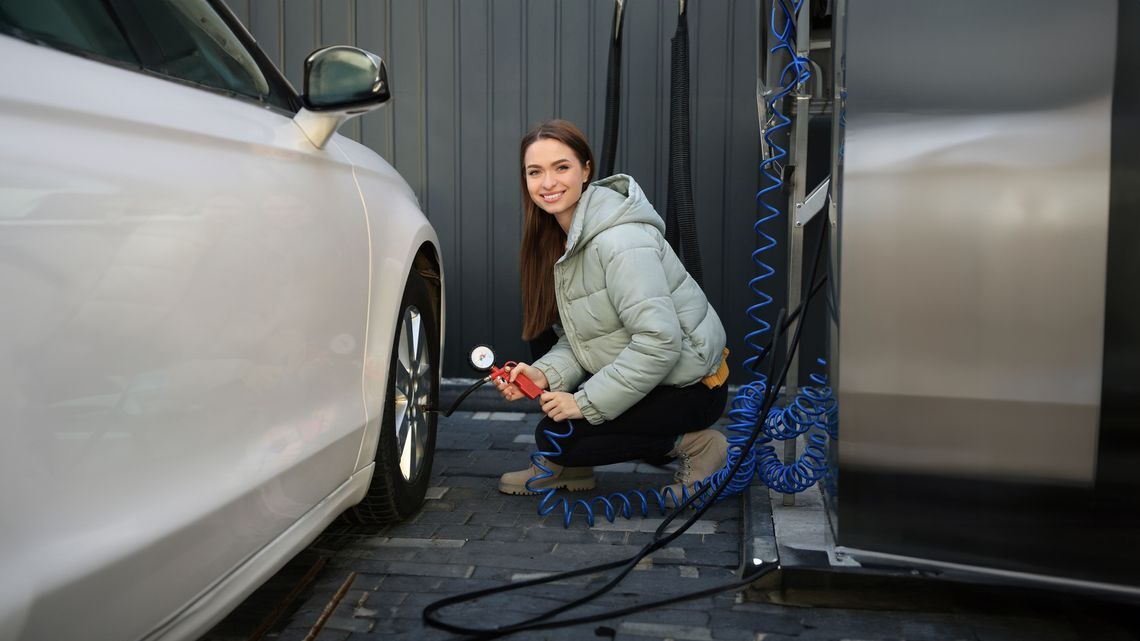
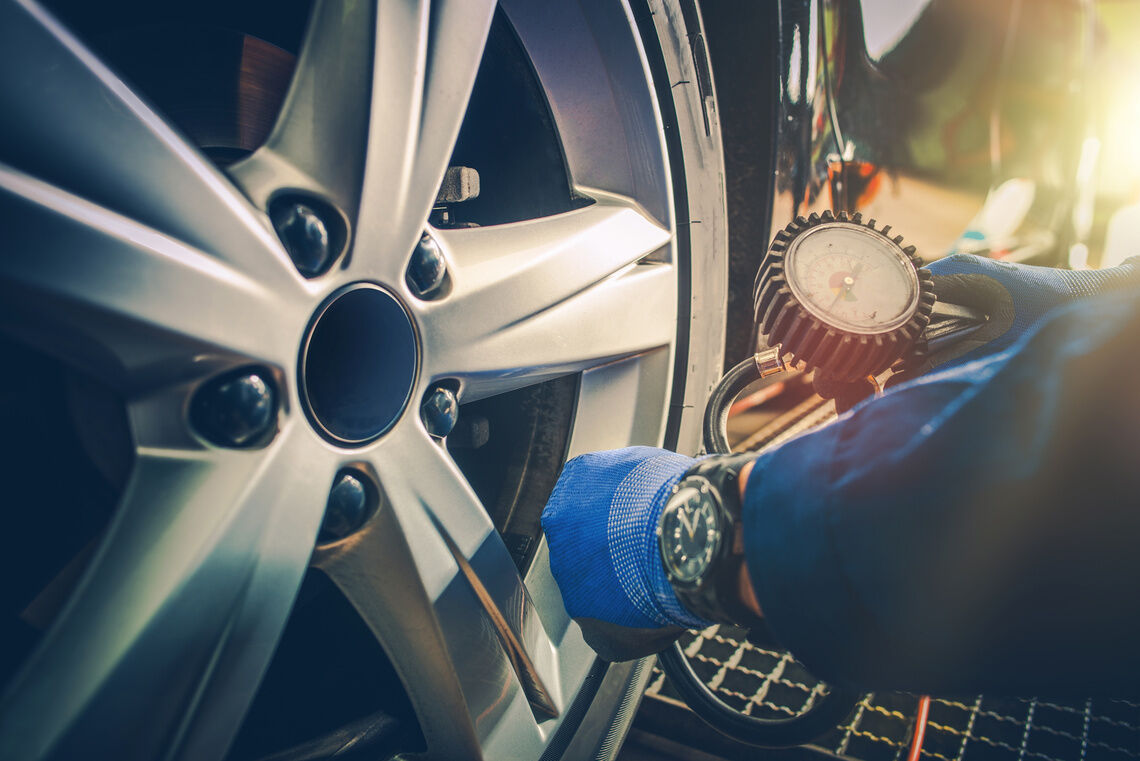
Pressure is the single variable that affects the most aspects of tire performance simultaneously: braking distance, fuel consumption, tread wear rate, ride quality, handling precision, and the risk of sudden failure. It's also the easiest to maintain — a gauge and an air source are the only tools needed. Most tire-related problems that develop gradually start with sustained incorrect pressure. Correct inflation at the manufacturer's specification keeps all of those factors in balance.

At least once a month and before any long trip. Tires lose some air naturally over time — this is normal and not a sign of a problem. Temperature changes also cause pressure to shift, so seasonal transitions are particularly important times to check. Monthly checks catch these gradual changes before they affect performance or safety. Don't wait for the TPMS warning light — by the time it activates, the pressure has already dropped significantly.

On the tire information placard attached to the driver's side door jamb, or inside the fuel filler flap on some vehicles. The pressure recommendation may differ between front and rear tires, and there may be a separate recommendation for fully loaded conditions. Do not use the pressure number on the tire sidewall — that is the maximum the tire can handle, not the recommended operating pressure for your vehicle.

Yes. The door jamb placard typically lists both a standard pressure and a loaded pressure recommendation. When carrying a full passenger load, heavy cargo, or towing, use the higher loaded recommendation to ensure the tires can safely support the additional weight. Return to the standard recommendation for normal driving conditions without heavy loads.

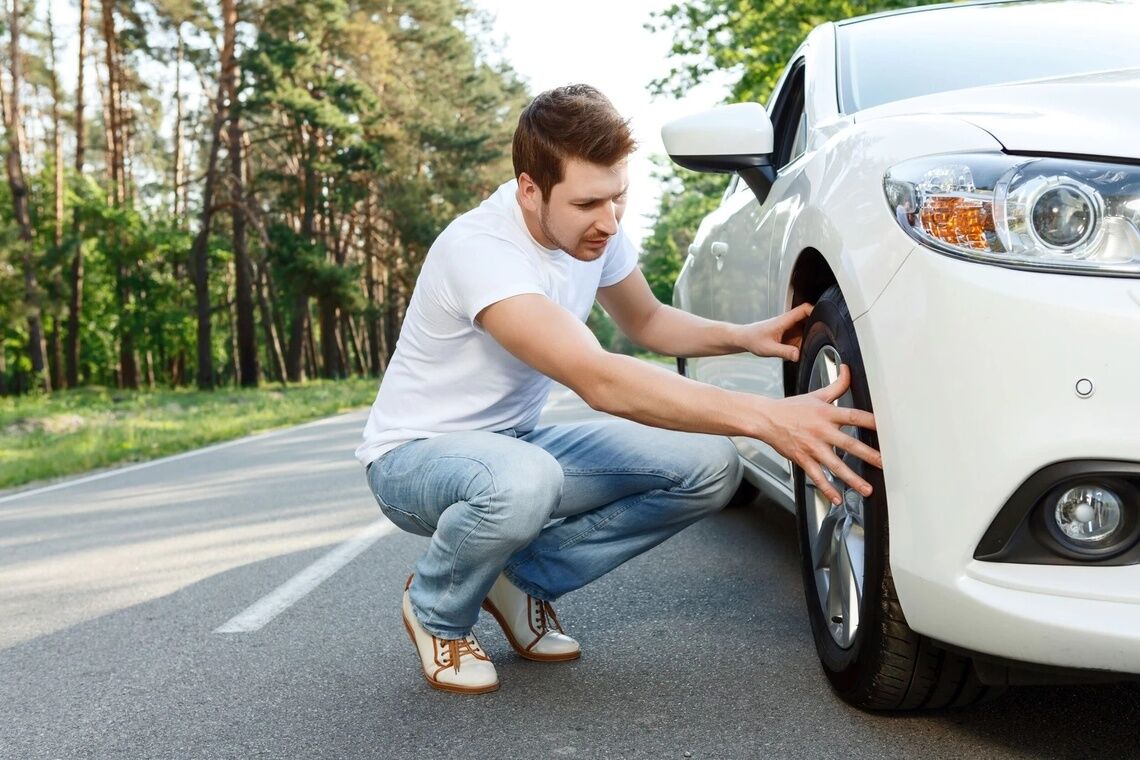
No — visual inspection is not a reliable indicator of tire pressure. A tire can be meaningfully underinflated without appearing visibly flat to the eye. The tire may look normal because it holds its shape under vehicle weight even with significant pressure loss. A gauge reading is the only reliable method of confirming pressure. This is a very common source of underinflation — drivers assuming a tire looks fine when it isn't.

Yes. Underinflated tires have more rolling resistance than correctly inflated ones — the additional deformation with each rotation requires more engine (or battery) effort to maintain speed, which increases consumption. Keeping tires at the correct pressure is one of the most accessible ways to maintain fuel efficiency. The effect compounds across all four tires and over every mile driven.