Avoid Mixing Tires (Including Winter Tires)
Every tire on an car should have the same size, type (summer, all-season, winter, all-terrain, directional), speed rating, load capacity, and construction (radial, non-radial, or run-flat). Predictable handling, effective braking, and appropriate vehicle system operation are all supported by maintaining consistent tire parameters.
Since winter tires are made to function as a whole set, this advice also applies to them. Installing winter tires on only one axle can create a traction imbalance between the front and rear of the vehicle. As mentioned, this imbalance can negatively affect handling and stability when road conditions vary.
The main exception to these rules occurs when a vehicle was initially fitted with varying tire sizes on the front and rear axles, as indicated by the manufacturer.
If Mixing Is Unavoidable
If mixing tires cannot be avoided, consider the following points:
Tires on the same axle must always be the same size. Variations in size can adversely affect vehicle balance, steering response, and braking.
Vehicles equipped with ABS, traction control, all-wheel drive (AWD), or four-wheel drive (4WD) may require tires with matching diameters in all positions. Even slight size differences can affect vehicle systems and place additional stress on drivetrain components.
It is not recommended to combine tires with different speed ratings. If this occurs, the vehicle’s maximum speed is limited to that of the tire with the lowest rating, which may affect overall handling.
New Tires vs. Worn Tires: Tread Depth Matters
To achieve optimal vehicle performance, it is advisable to replace all tires simultaneously with matching specifications. Nevertheless, if you are only replacing two:
Install the tires with deeper tread on the rear axle to help maintain stability and wet traction.
Significant differences in tread depth can affect handling. Consult the vehicle manufacturer if you are unsure.


Find tire dealers near you in seconds
Search among our dealers to find where your tire is available
FAQ
Read our Frequently Asked Questions.
It's not recommended. Every tire on the vehicle should share the same size, type, speed rating, load index, and construction. Different brands — and even different models within the same brand — can have distinct tread patterns, rubber compounds, and handling characteristics. Mixing them can create inconsistent behavior, particularly in emergency braking and sudden lane changes where the front and rear axles need to respond consistently. Matching all four is the safest approach.
If replacing only two, put the new tires on the rear axle regardless of which are more worn. Rear traction loss — particularly in wet conditions — is harder to recover from than front traction loss. The new tires should match the existing ones in size and type as closely as possible. Significant differences in tread depth between axles can affect handling, so pairing similarly worn tires on the same axle is important.
While same-size tires from different brands will physically fit, Michelin advises against mixing even when sizes match. Tread pattern, compound stiffness, and handling balance all differ between models and manufacturers. These differences become most apparent in emergency situations where the vehicle's stability depends on all four tires responding identically. The consistency of a matched set is worth prioritizing whenever possible.
Michelin does not recommend it. If tires with different speed ratings are mixed, the vehicle's maximum safe speed is limited to the lowest-rated tire in the set. Beyond that, mismatched speed ratings can affect overall handling balance in ways that may not be immediately obvious but become apparent under hard driving. When replacing, always match or exceed the speed rating of the tires being replaced.
Yes. AWD and 4WD systems typically require all four tires to have the same circumference — even small differences can place stress on drivetrain components over time. This usually means replacing all four tires simultaneously, or at minimum pairing tires of nearly identical tread depth on the same axle. Check your vehicle manufacturer's guidelines; some specify maximum allowable circumference variation across the four tires.
This is not recommended by Michelin. Winter tires are engineered to work as a complete set. Installing them on only one axle creates a traction imbalance between front and rear that becomes dangerous when road surfaces change — the axle with winter tires grips while the other doesn't, causing the vehicle to react unpredictably. Winter tires should always be fitted as a full set of four.
Related articles
-

When to Replace Tires
There is no single rule that determines how long a tire will last. Tire lifespan depends on a combination of factors, including tire design, driving habits, climate, road conditions, and how well the tires are maintained.
Rather than relying on mileage alone, Michelin recommends regular inspections and paying attention to both visible signs and changes in performance that may indicate a tire needs to be replaced.View more -

How to Choose the Right Tires
Start with your vehicle's door jamb placard, which lists the required tire size and load index. Then factor in your driving environment: frequent highway miles, city stop-and-go, rain, or winter conditions each point toward different tire priorities. This guide walks through each decision point so the right tire becomes clear before you set foot in a shop, and you are not relying solely on a salesperson's recommendation.View more -
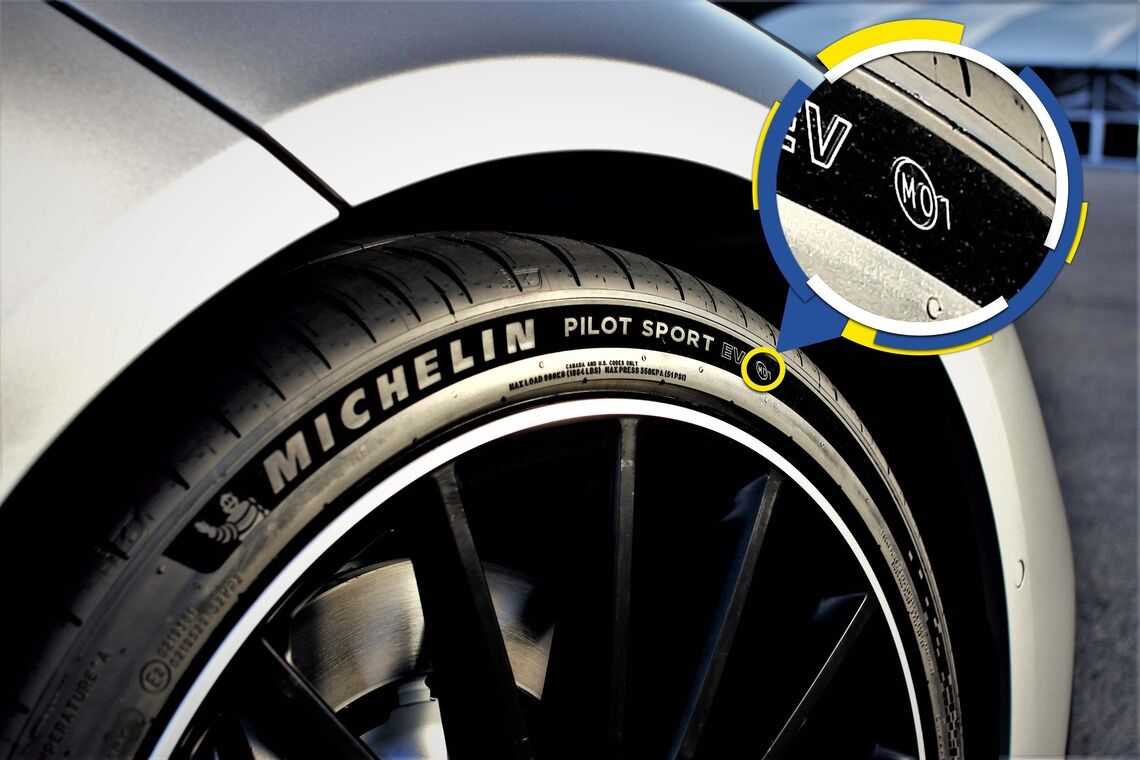
Michelin-Developed Marked Tires
Michelin believes that close collaboration with vehicle manufacturers is essential when developing high-performance tires. Every vehicle has unique characteristics that influence how a tire should perform, including weight distribution, power output, chassis design, and suspension tuning.
Michelin-developed marked tires are engineered to match these vehicle-specific requirements. Designed and approved jointly by Michelin and the automaker, these tires are tuned to help ensure the tire performs as intended on the vehicle for which it was developed.View more -

How to Prepare for a Tire Dealer Visit
Easily prepare for your visit to the dealer with Michelin's guide. Be sure to ask your tire dealer these 5 questions to ensure you get everything you need.View more -

Choosing the Right Tire Size for Your Vehicle
Selecting the correct tire size is essential for proper fitment, performance, and safety. Tire size information is defined by standardized tire markings and can be found on the tire sidewall, in your vehicle owner’s manual, or on the vehicle tire information placard. Knowing where to locate this information and how to interpret it helps ensure replacement tires meet your vehicle manufacturer’s specifications.View more -
How to compare tires?
On what basis should you compare tires to select the one that will give you complete satisfaction? This article is about the main performance criteria to consider, the decision aids you can use and Michelin's best advice. We will discuss how to select the one you need within the same tire line and provide you with decision aids, such as independent tire tests, labelling and tire comparison sites. Finally, we will discuss another important criterion: long-term performance.View more -
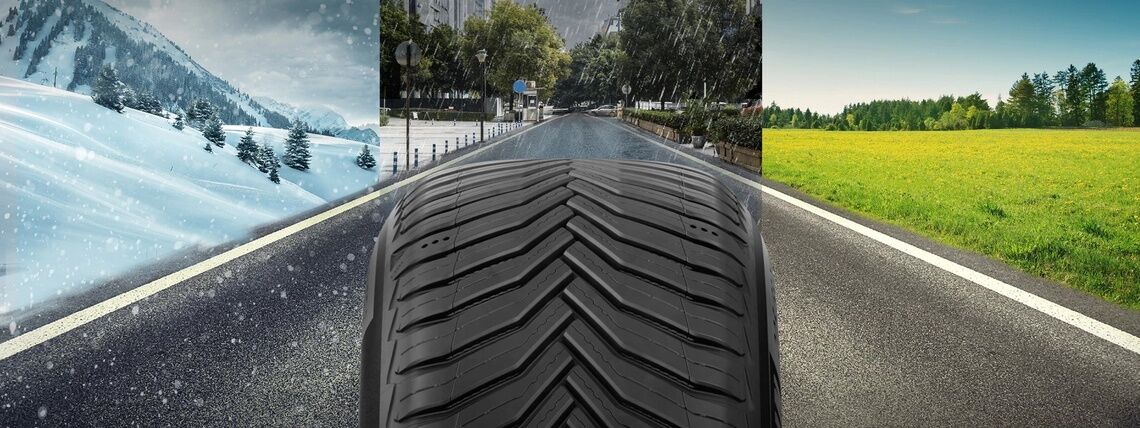
Do I Need Seasonal Tires?
All-season tire rubber begins stiffening below 45 degrees Fahrenheit, reducing grip on cold, dry roads before any snow appears. Summer tires are even more temperature-sensitive. Winter tires use compounds formulated to stay flexible and grippy through the full cold season. This page explains what each category is actually designed for, what it compromises, and which one matches your climate.View more -

Winter Tire Buying Guide
Whether you are a first-time car owner, new to winter driving, or simply looking to make the safest choice for your vehicle, this guide covers everything you need to know about buying winter tires. From understanding the difference between winter, all-season, and summer tires to recognizing important tire symbols and studded options, here is how to stay safe through the coldest months of the year.View more -
Summer vs. Winter vs. All-Season Tires
Choosing the right tire depends on where you live, the time of year, and how you use your vehicle. Each tire type, summer, all-season, or winter, has unique strengths and limitations. Knowing when to switch helps you stay safe and maintain peak performance throughout the year.View more