How to Store Winter Tires Off-Season
When temperatures consistently rise above 45°F, it is time to switch from winter tires to your all-season or summer set. Proper off-season storage helps preserve the rubber compound and tread design, ensuring your tires perform safely for many winters to come.
Best Practices for Storing Winter Tires
Clean and dry: Wash off all salt, mud, and brake dust, then dry completely to prevent moisture damage.
Choose the right location: Store tires in a cool, dark, and dry area, such as a basement or garage. Avoid direct sunlight and heat sources that can cause cracking.
Use tire bags or covers: Protect your tires from dust and UV exposure by placing them in individual tire bags.
Store correctly: If tires are mounted on rims, stack them horizontally. If they are not on rims, stand them upright side by side to prevent warping.
Need help deciding when to switch back to winter tires? Visit our guide on when to install winter tires.
Full Pre-Trip Inspection Checklist
Before every winter drive, a quick inspection can prevent breakdowns and keep you safe. Taking five minutes to check key systems is one of the easiest ways to prepare for unpredictable winter conditions.
Pre-Trip Checklist for Winter Driving
Tires: Check tread depth, tire pressure, and look for cracks or uneven wear.
Fluids: Top up washer fluid rated for at least -40°F, and check coolant and oil levels.
Battery: Cold weather weakens batteries. Test your battery’s charge and carry a portable booster pack for emergencies.
Lights: Make sure headlights, brake lights, and turn signals are clear and working.
Wipers: Inspect wiper blades for cracks and replace if they leave streaks.
Emergency kit: Make sure your kit includes blankets, snacks, water, flares, and jumper cables.
Fuel: Keep your tank at least half full to prevent the fuel line from freezing and to allow you to run the heater if stuck.
For more information on what to include, check our page on winter road emergency readiness.
Stay Ready for Every Season
Safe winter driving is a year-round commitment. By storing your tires properly and checking your vehicle before each trip, you protect your tires and improve your overall safety on the road. Preparation today helps prevent problems tomorrow and ensures a smoother, safer drive through every winter storm.
FAQ
Clean and dry your tires before storing them in a cool, indoor space. Use tire bags or covers to protect them from sunlight and dust.
At least once a month and before long trips. Cold temperatures lower tire pressure, reducing traction and safety.
Inspect tires, fluids, battery, wipers, and lights, and make sure you have a stocked emergency kit before every winter trip.


Find tire dealers near you in seconds
Search among our dealers to find where your tire is available
Related articles
-
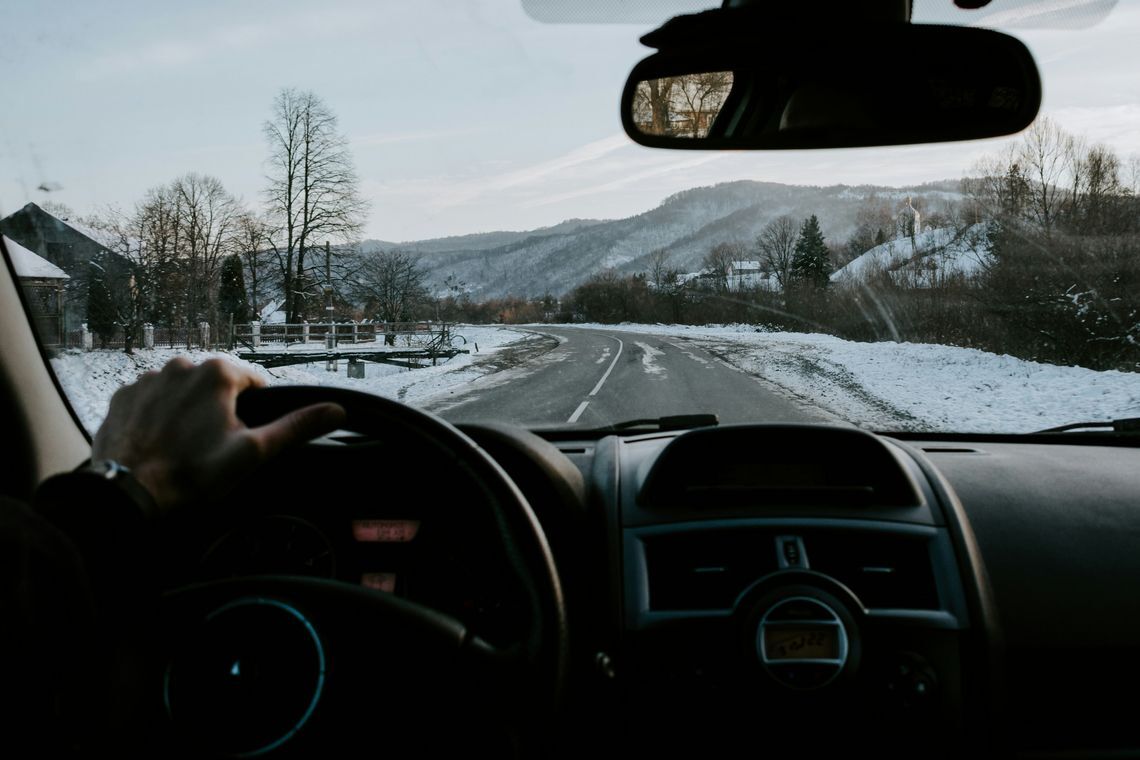
Why Winter Tires Are Important
As snow and freezing rain start replacing autumn leaves, it’s important for drivers to prepare for the coldest, most demanding time of year. Here’s your guide to when to install winter tires, how they help on black ice, and why they’re essential for safe driving in regions that experience winter conditions.View more -

Mastering Vehicle Control in Snow and Ice
Winters can be unpredictable, bringing snow, freezing rain, and icy roads that challenge even experienced drivers. Mastering control of your vehicle in these conditions isn’t just about confidence, it’s about safety. Along with equipping your vehicle with proper winter tires, learning the right driving techniques can make a major difference in traction, braking, and handling on slippery roads. Below are three essential areas every driver should keep in mind when navigating snowy and icy conditions.View more -

Safe Driving Distances and Skid Recovery in Winter
Winter driving comes with challenges that go far beyond cold temperatures. Snow, ice, and slush can turn a routine commute into a real test of control. Staying safe isn’t just about slowing down, it’s about understanding how much space your vehicle needs to stop and knowing what to do if it starts to slide. Even with advanced traction systems or all-wheel drive, safe winter driving comes down to technique. By combining smart driving habits with the right Michelin winter tires, you can stay confident and in control through every curve, stop, and storm.View more -
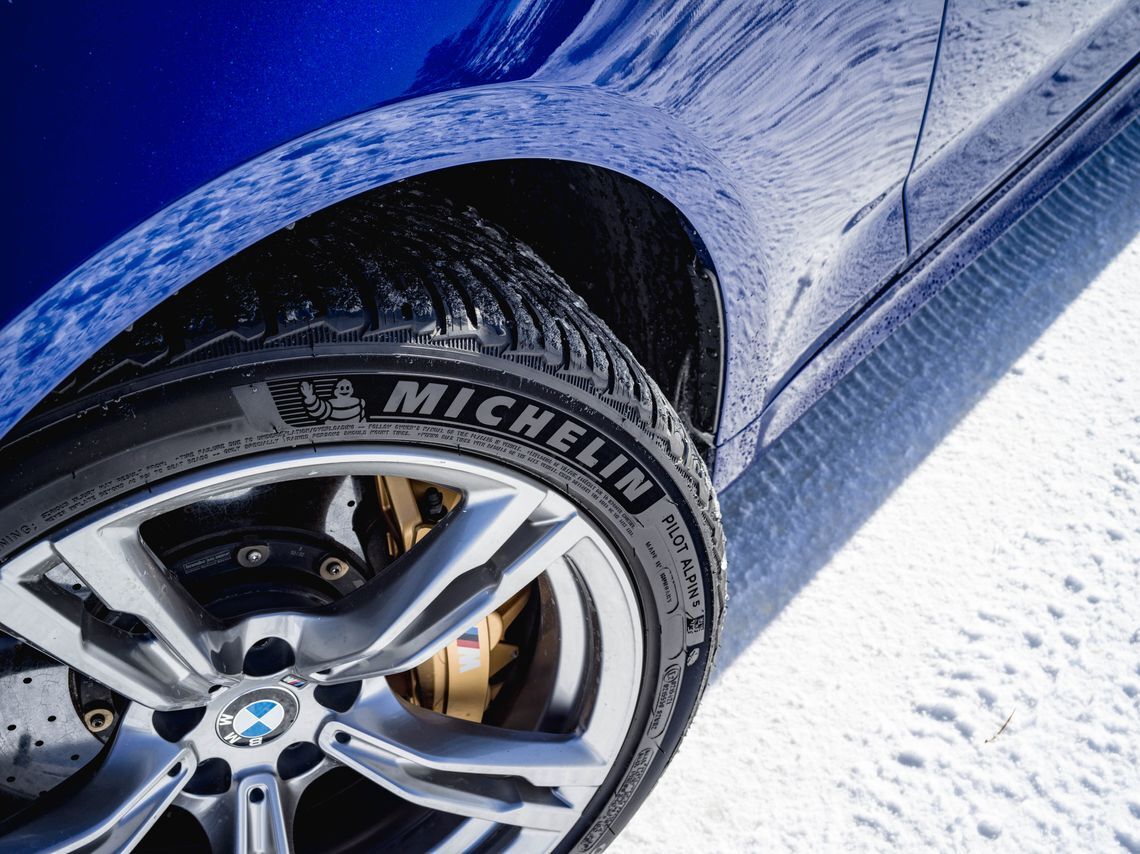
AWD vs Winter Tires: The Truth About Safety
All-wheel drive alone is not enough for winter safety. While AWD helps you accelerate on snowy roads, it does not help you stop or turn. The truth is, your tires, not your drivetrain, determine how well your vehicle grips the road, brakes, and handles on snow and ice. Even with advanced technology, your vehicle’s only point of contact with the road is its tires. Understanding how tire traction and drivetrain performance work together is key to driving safely when temperatures drop.View more -
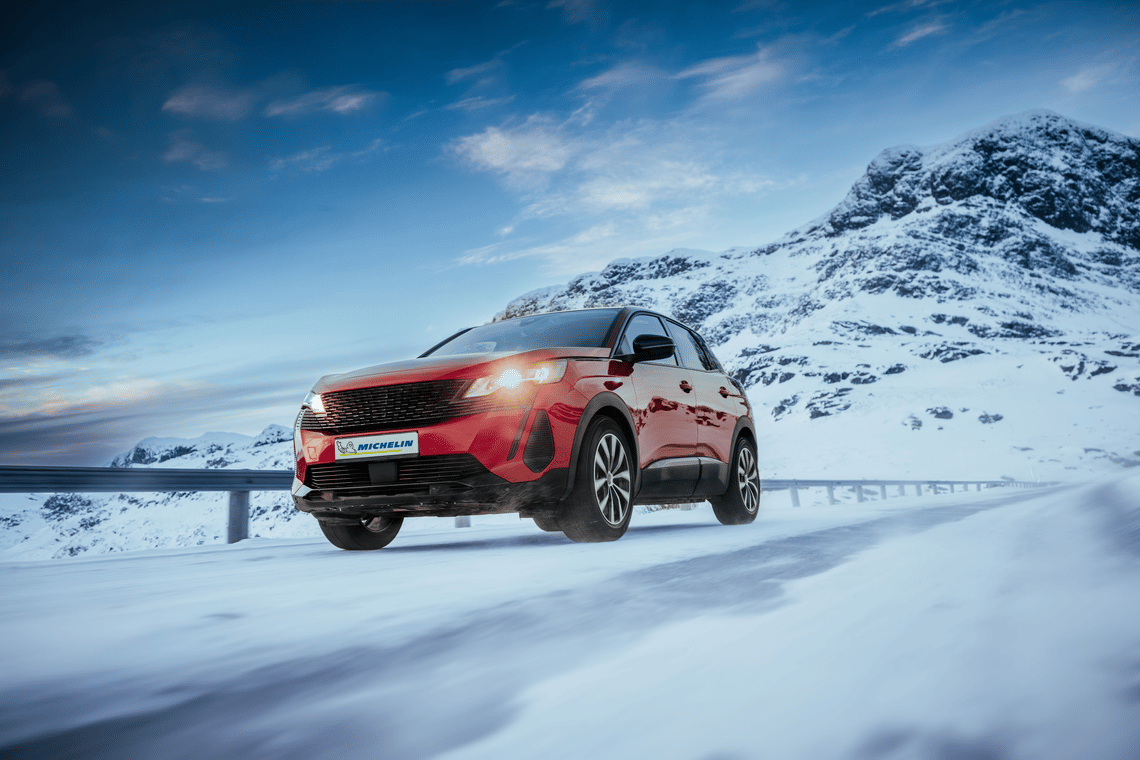
Preparing for Winter: How Cold Affects Tire Pressure and When to Switch Tires
Your vehicle is only as safe as its tires. Even the best winter tires cannot perform properly if they are installed too late or are under-inflated in cold weather. Understanding how temperature changes affect tire pressure, and knowing when to make the seasonal switch, are key to staying safe and confident on winter roads.View more -

Expert Winter Driving: Posture, Focus & ESC
Mastering winter driving takes more than just good reflexes. With the right techniques and proper equipment, you can stay calm, confident, and in control. Michelin experts share proven methods to help you drive smarter in cold, slippery conditions, from your posture behind the wheel to using advanced vehicle technology like Electronic Stability Control (ESC).View more -
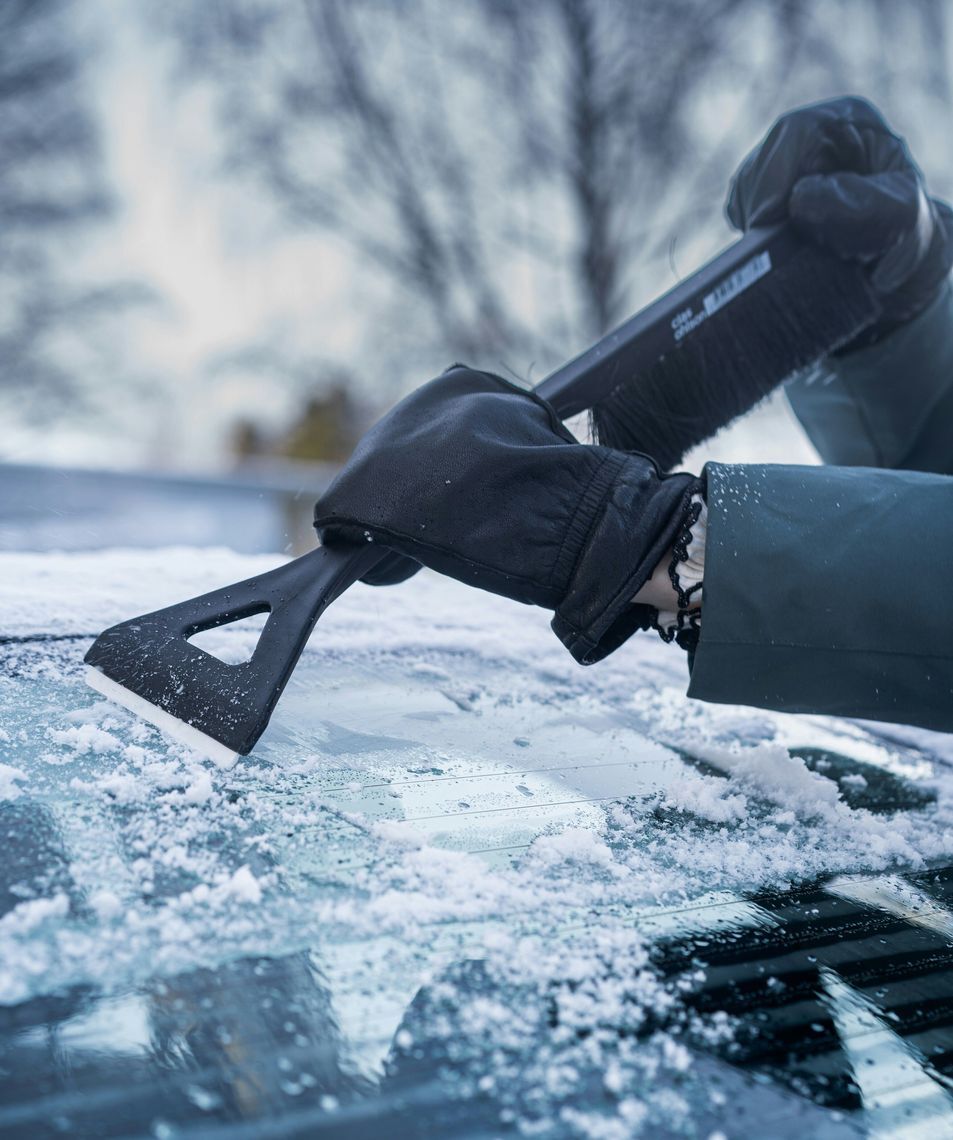
Winterize Your Car: Essential Fluid, Battery & Visibility Checks
Winter weather can be tough on your vehicle, but a little preparation goes a long way. Beyond installing winter tires, your car’s fluids, battery, and visibility systems all need attention before the cold sets in. By winterizing your vehicle, you protect key components from cold-weather stress and ensure a safer, more comfortable drive through snow, ice, and freezing rain.View more