Choosing the right bike tire
This hub links to specific, detailed guides for every major cycling discipline and explains the fundamental decisions that separate a well-chosen tire from a frustrating compromise.
Read our Frequently Asked Questions.
Start with your riding category. Bike tires are designed for specific uses — road and performance, city and commuting, and mountain biking. Each has distinct requirements for tread, casing, width, and construction. Identifying your primary riding type narrows the field immediately. From there, the main variables are the surfaces you ride most, what you prioritize (speed, puncture resistance, comfort, or durability), and your wheel's size and compatibility.
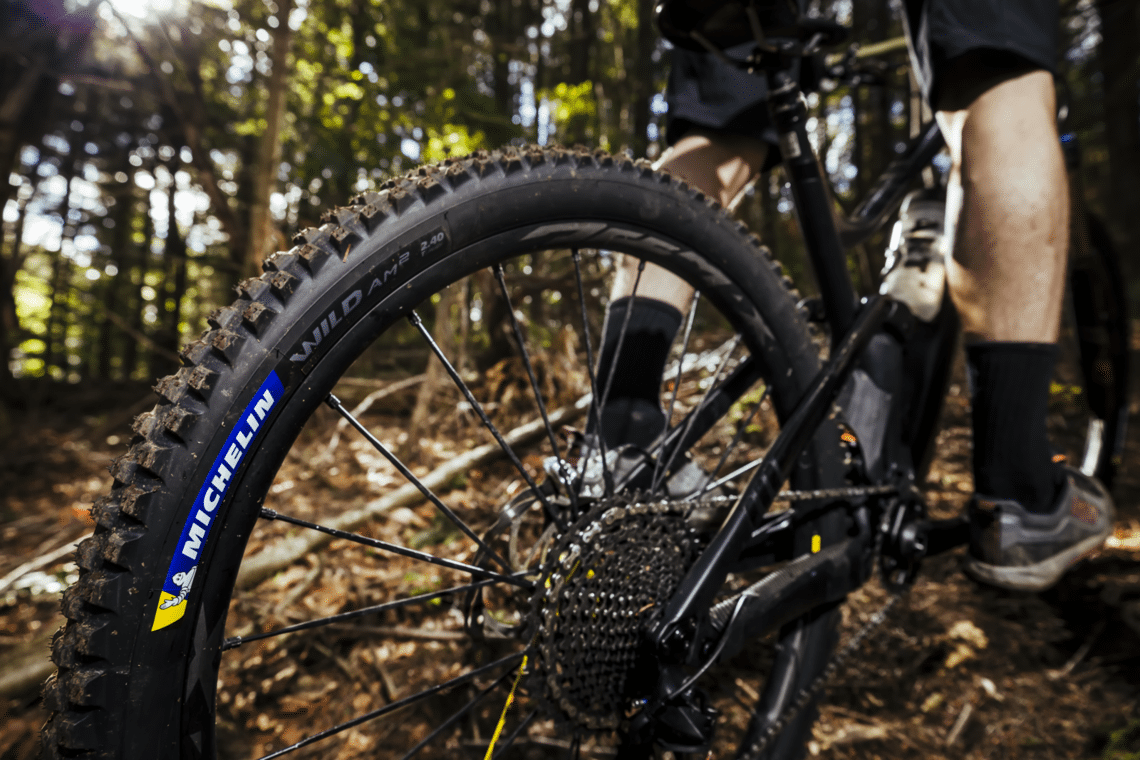
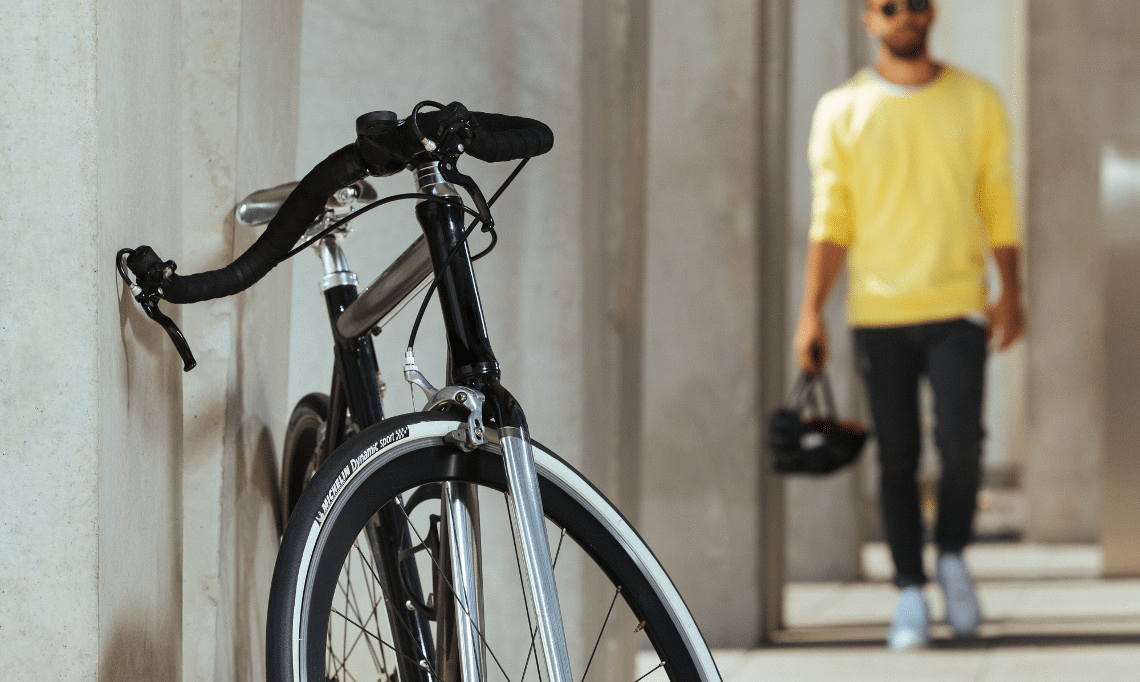
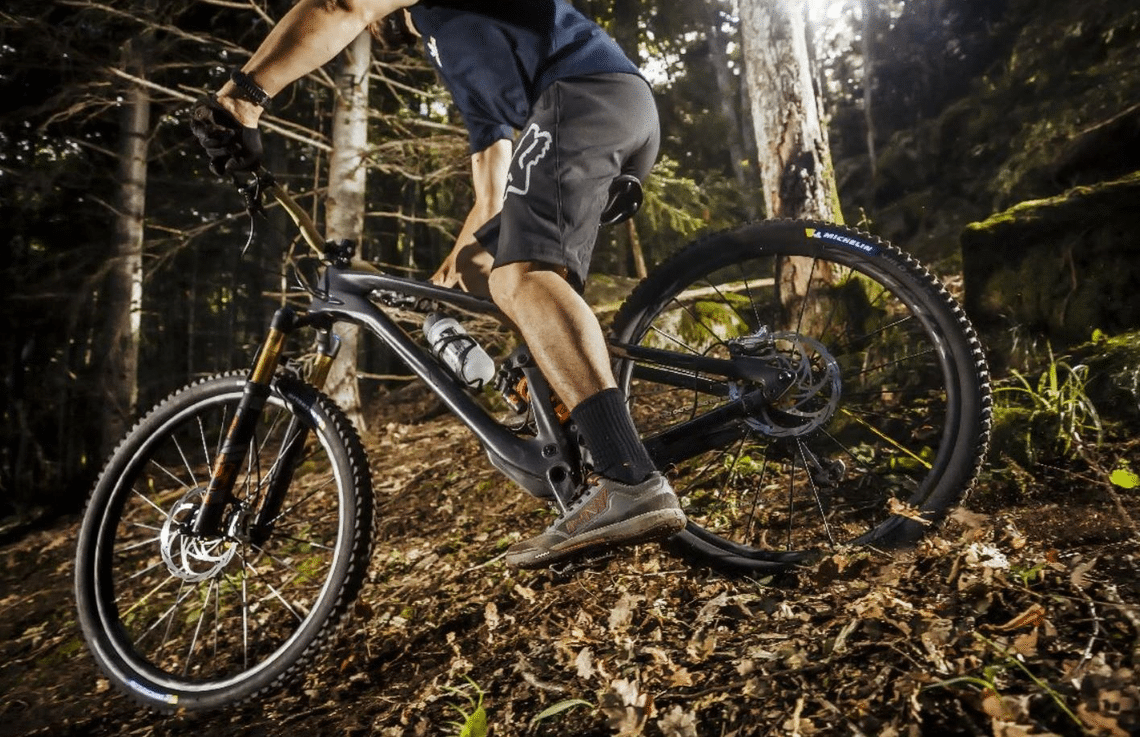
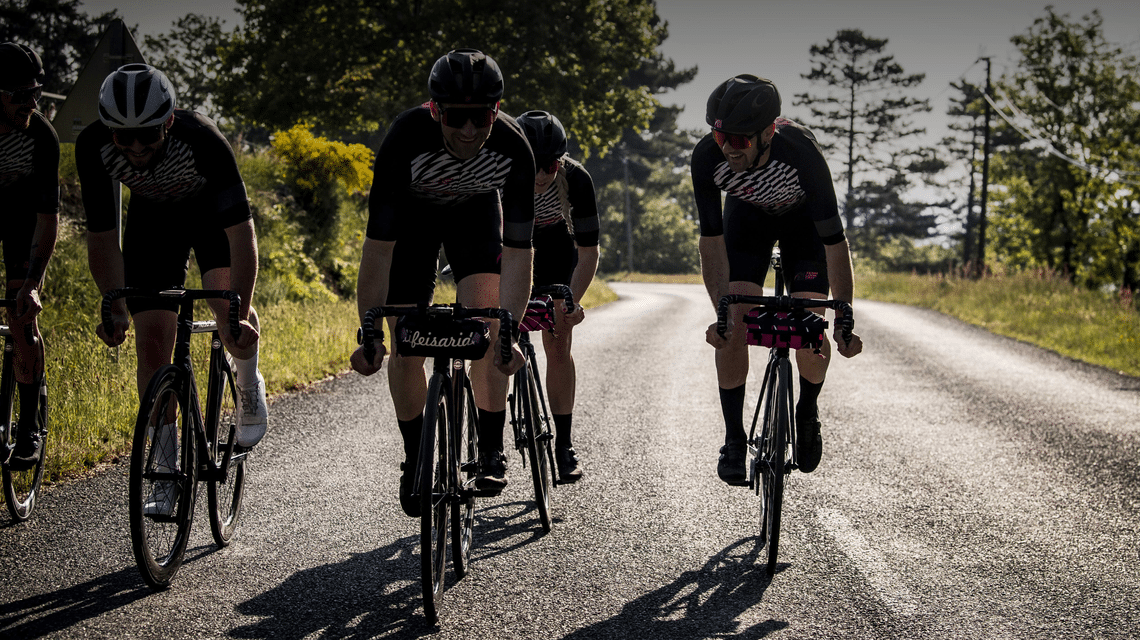
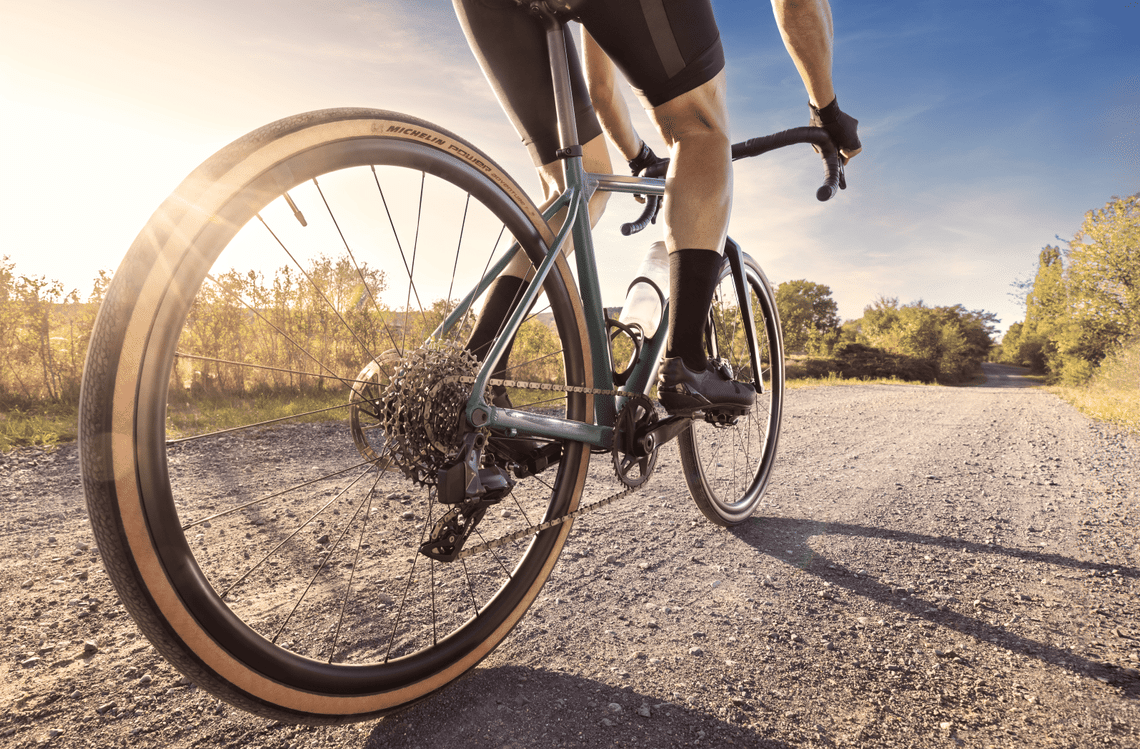
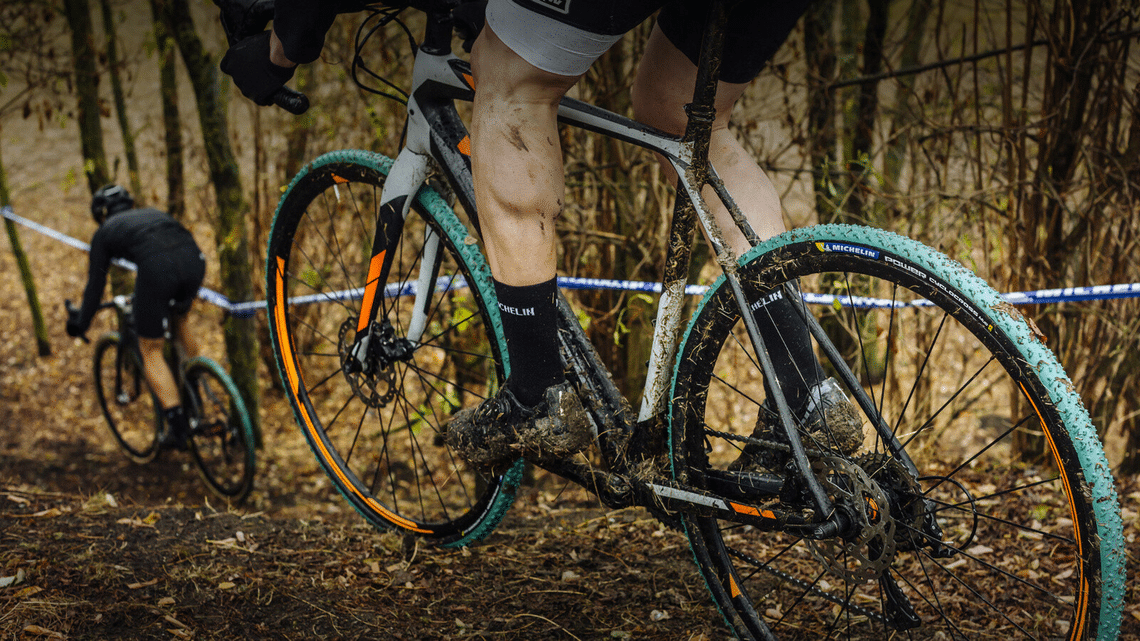
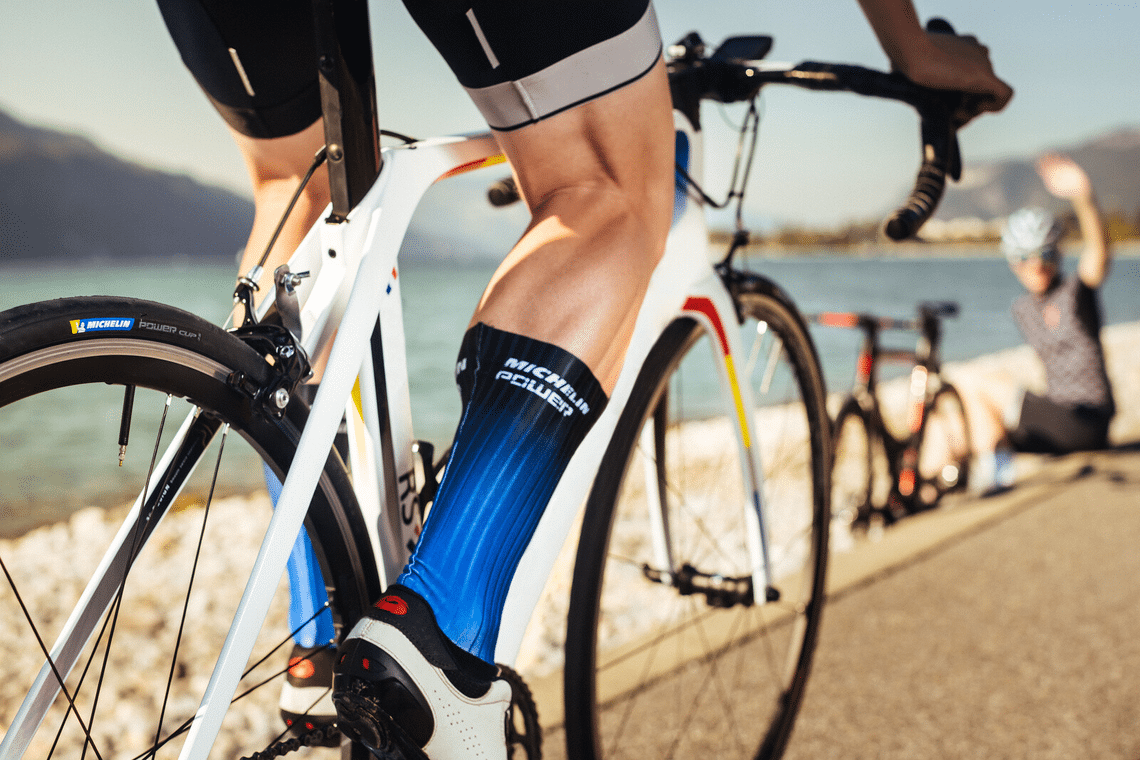
The broad categories map to how and where you ride. Road and performance covers racing, training, gravel, and cyclocross — tires in this category prioritize speed, grip, and low rolling resistance. City and urban covers commuting, touring, and everyday use — these tires emphasize durability, puncture resistance, and all-weather reliability. Mountain biking covers trail, enduro, downhill, and cross-country — these tires focus on off-road traction, casing protection, and tubeless compatibility.
Three different constructions with different performance and maintenance characteristics. Tube-type (clincher) tires use a separate inner tube and are the most common setup — straightforward to fit and easy to repair. Tubeless ready tires can be run without a tube when mounted on a compatible rim with sealant, offering flat protection and the ability to run lower pressures safely. Tubular tires are sewn around the inner tube and glued to a specific rim — the lightest and traditionally preferred for top-level racing, but the most complex to fit and replace.
It depends on your riding type and how much you want to prioritize puncture protection versus simplicity. Tubeless setups, when combined with sealant, resist small punctures that would flat a tubed tire — the sealant plugs the hole automatically. They also allow lower pressures for better grip and comfort without the risk of pinch flats. The trade-off is a more involved fitting process and the need to maintain sealant. For road racing, high-level gravel, and mountain biking, tubeless offers clear advantages. For casual commuting, tubed setups are simpler.
Yes, significantly. Smooth tarmac rewards a narrow, smooth-tread tire with low rolling resistance. Mixed surfaces — some road, some gravel or dirt — call for a wider tire with a tread pattern that handles both. Loose, off-road terrain needs a grippy, knobby tread that channels mud and bites into soft ground. Wet roads require a compound that maintains grip in cold and wet conditions. Matching the tire's tread design and compound to the surfaces you actually ride — not just the ideal ones — gives more consistent performance.
Running a tire at lower pressure gives it a larger, more compliant contact patch with the road or trail surface. This improves grip on rough and loose surfaces, absorbs vibrations for a more comfortable ride, and allows the tire to deform around obstacles rather than bouncing off them. The risk in a tubed setup is pinch flats — if the pressure is too low for the load and terrain, the tube can get pinched between the rim and a hard obstacle. Tubeless setups eliminate this risk, which is why they're particularly valued for riding at lower pressures on gravel and mountain bike trails.