Driving Posture and Body Positioning
Your driving posture plays a bigger role in safety than most people realize. The way you sit affects how quickly you can react and how much control you have when the road gets slick. Sit upright with your back against the seat and adjust the height so your arms and legs are slightly bent, not fully extended. Your head should rest comfortably against the center of the headrest to support you during sudden stops or impacts.
Pro tip: Avoid sunglasses with thick frames that limit your side vision. Winter driving demands full awareness of your surroundings, especially when snow glare and icy conditions reduce visibility. Proper positioning helps improve control and reduces fatigue, keeping you alert during long winter drives.
Quick Tips for Driving Posture
Sit upright with your back against the seat for better control.
Keep both hands on the wheel at the 9 and 3 position.
Adjust mirrors before driving to reduce blind spots.
Avoid sitting too close to the wheel for smoother, steadier movements.
Staying Calm and Focused Behind the Wheel
Winter weather can be unpredictable. Sudden snow squalls, black ice, or a vehicle braking unexpectedly can all test your focus. Staying calm during these moments helps you react smoothly instead of overcorrecting, which can cause a skid.
Prepare before you drive by checking your washer fluid, clearing all windows, and making sure your car is winter-ready. Good preparation reduces stress and helps you stay in control when road conditions get tough.
Tips for Staying Calm in Winter Conditions
Keep both hands on the wheel and avoid sharp, jerky movements.
Focus on where you want your car to go, not on the hazard.
Give yourself extra travel time so you do not feel rushed.
Using Electronic Stability Control (ESC)
Most modern vehicles include Electronic Stability Control (ESC), a safety system that detects when your tires are losing traction. When that happens, ESC automatically applies the brakes to individual wheels to help stabilize the vehicle and prevent spinouts.
While ESC is an excellent safety feature, it works best when paired with winter tires, even on AWD vehicles. The system depends on tire grip to function properly. Think of ESC as an assistant that helps you stay steady, but it only performs at its best when your tires provide the traction it needs.
How ESC Helps in Winter
Detects loss of traction and corrects your path.
Applies braking to individual wheels for better stability.
Reduces the risk of spinouts during sudden maneuvers.
Works most effectively with four dedicated winter tires.
Michelin Expert tip: If your wheels are spinning while climbing a hill or trying to rock your vehicle out of deep snow, temporarily turn off ESC to gain momentum. Once you are moving again, switch it back on for safety.
FAQ
Winter driving can be challenging, but the right preparation makes it manageable. Dedicated winter tires and smooth, patient driving are key to staying safe.
Focus on smooth movements, maintain proper posture, and make use of technology like ESC. The most important step is installing four winter tires for consistent grip and control.
All-wheel drive helps with acceleration, but it does not improve stopping or turning. For true winter safety, you still need winter tires for traction and braking.
The most important factor is not drivetrain type but your tires. A front-wheel-drive car with winter tires can outperform an AWD vehicle on all-season tires when braking or cornering on ice.
Install winter tires when temperatures drop below 45°F, use winter-rated washer fluid, and have your battery tested. Always keep an emergency kit in your vehicle with essentials like a blanket, flashlight, and ice scraper.


Find tire dealers near you in seconds
Search among our dealers to find where your tire is available
Related articles
-

Why Winter Tires Are Important
As snow and freezing rain start replacing autumn leaves, it’s important for drivers to prepare for the coldest, most demanding time of year. Here’s your guide to when to install winter tires, how they help on black ice, and why they’re essential for safe driving in regions that experience winter conditions.View more -

Mastering Vehicle Control in Snow and Ice
Winters can be unpredictable, bringing snow, freezing rain, and icy roads that challenge even experienced drivers. Mastering control of your vehicle in these conditions isn’t just about confidence, it’s about safety. Along with equipping your vehicle with proper winter tires, learning the right driving techniques can make a major difference in traction, braking, and handling on slippery roads. Below are three essential areas every driver should keep in mind when navigating snowy and icy conditions.View more -

Safe Driving Distances and Skid Recovery in Winter
Winter driving comes with challenges that go far beyond cold temperatures. Snow, ice, and slush can turn a routine commute into a real test of control. Staying safe isn’t just about slowing down, it’s about understanding how much space your vehicle needs to stop and knowing what to do if it starts to slide. Even with advanced traction systems or all-wheel drive, safe winter driving comes down to technique. By combining smart driving habits with the right Michelin winter tires, you can stay confident and in control through every curve, stop, and storm.View more -
AWD vs Winter Tires: The Truth About Safety
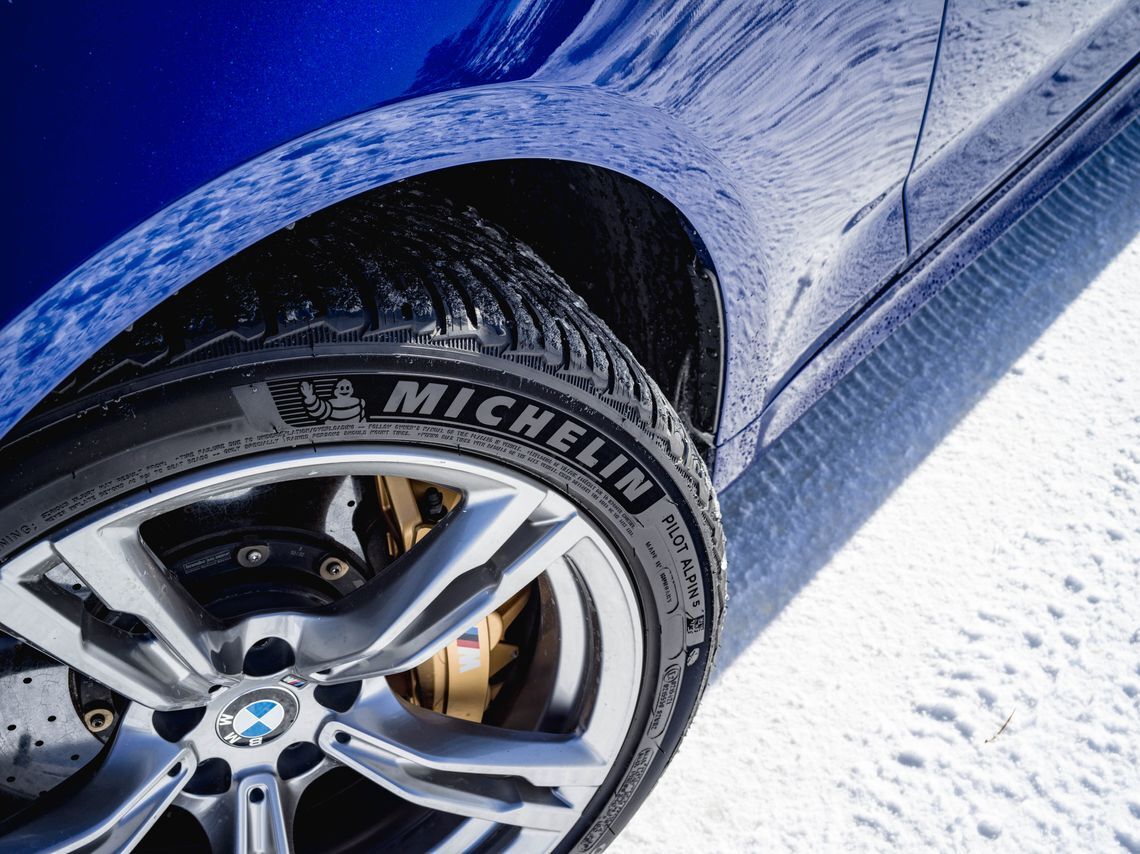
All-wheel drive alone is not enough for winter safety. While AWD helps you accelerate on snowy roads, it does not help you stop or turn. The truth is, your tires, not your drivetrain, determine how well your vehicle grips the road, brakes, and handles on snow and ice. Even with advanced technology, your vehicle’s only point of contact with the road is its tires. Understanding how tire traction and drivetrain performance work together is key to driving safely when temperatures drop.View more -
Preparing for Winter: How Cold Affects Tire Pressure and When to Switch Tires
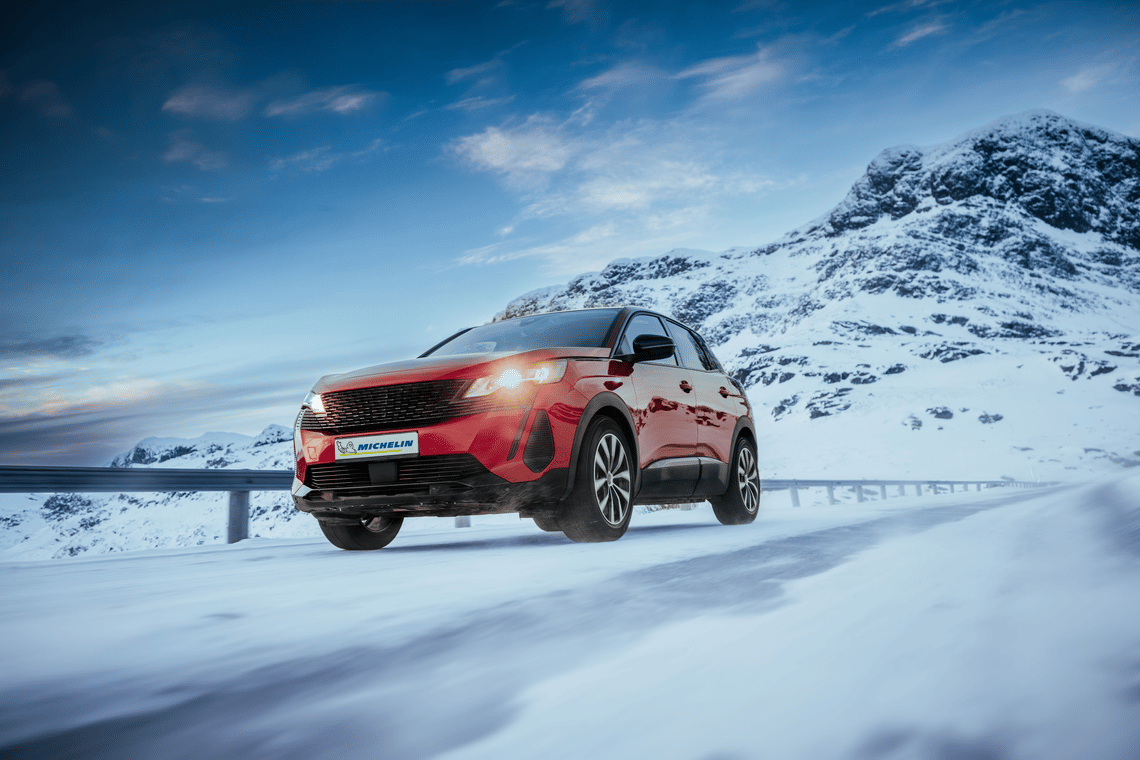
Your vehicle is only as safe as its tires. Even the best winter tires cannot perform properly if they are installed too late or are under-inflated in cold weather. Understanding how temperature changes affect tire pressure, and knowing when to make the seasonal switch, are key to staying safe and confident on winter roads.View more -
Winter Driving Safety: Tire Storage & Pre-Trip Checks
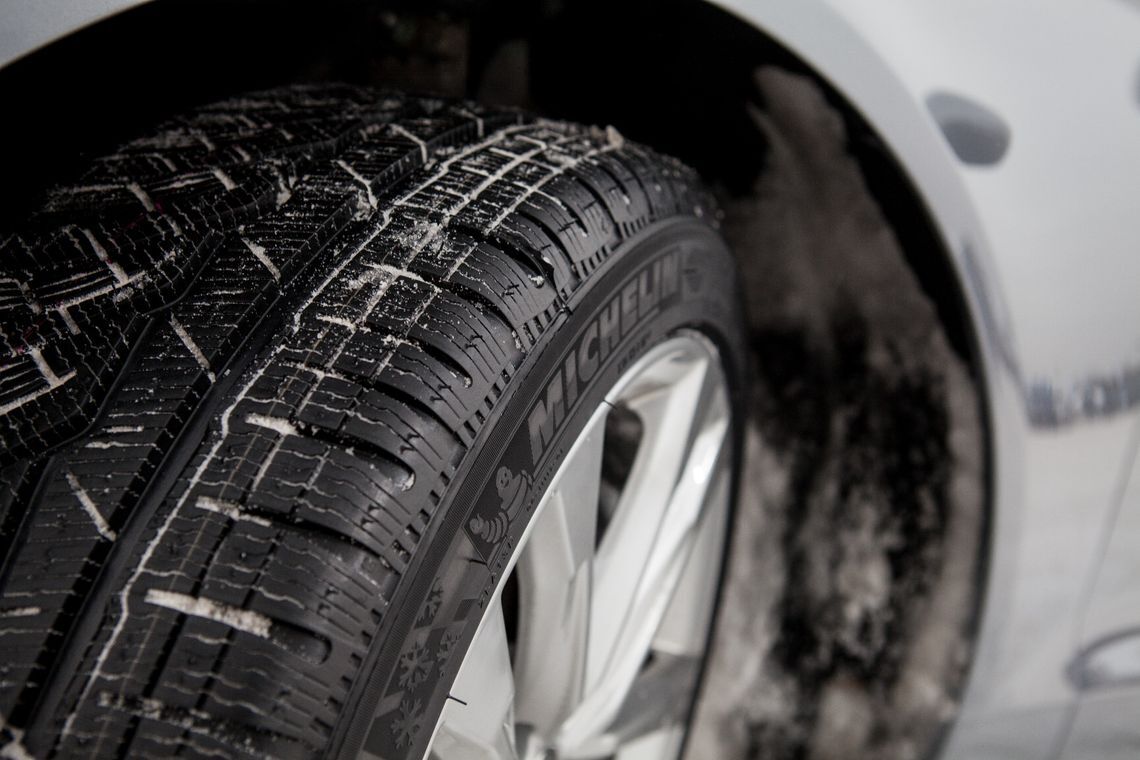
Safe winter driving does not end when you park your car. How you store your tires, and how you prepare your vehicle before each trip all play a major role in keeping you safe on the road. With a bit of preparation and the right information, you can extend the life of your tires, avoid roadside issues, and drive with greater confidence all winter long.View more -
Winterize Your Car: Essential Fluid, Battery & Visibility Checks
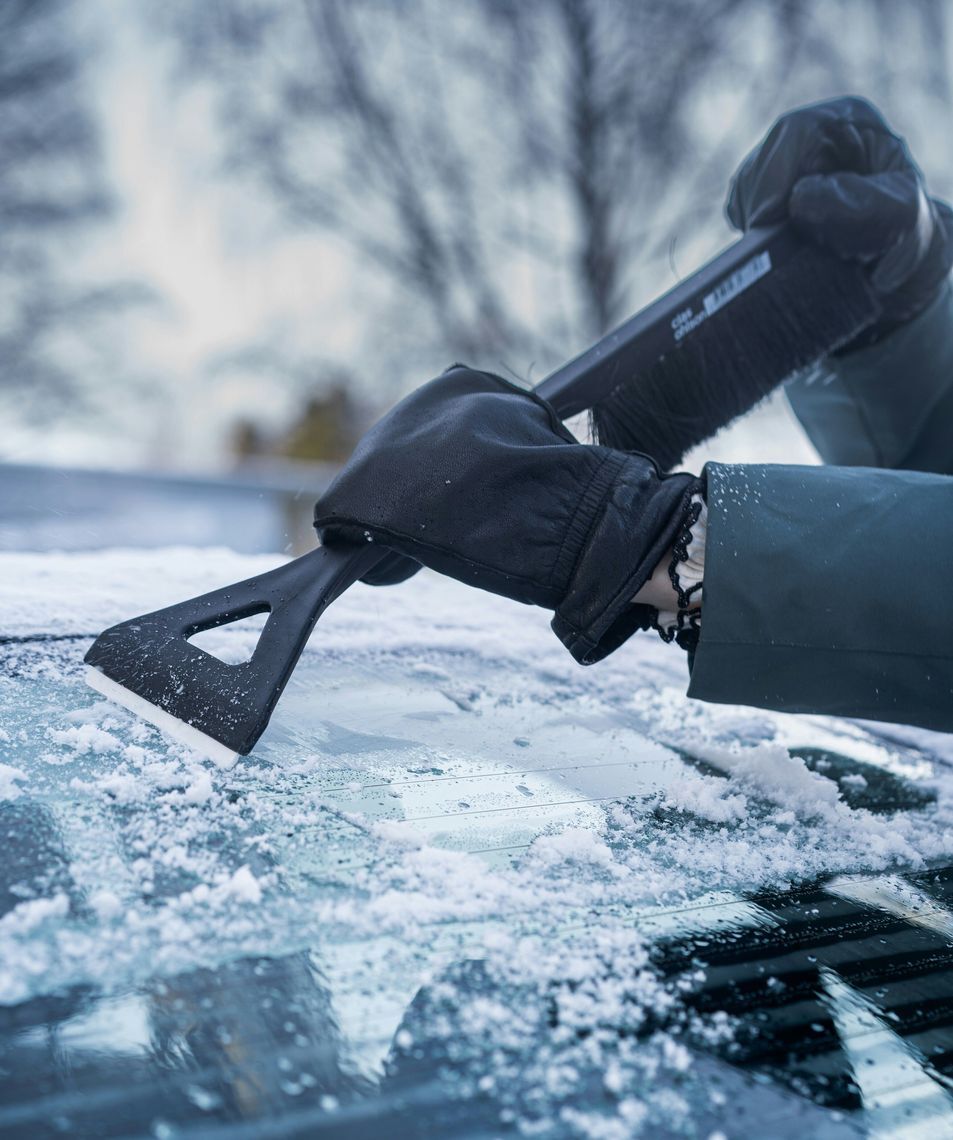
Winter weather can be tough on your vehicle, but a little preparation goes a long way. Beyond installing winter tires, your car’s fluids, battery, and visibility systems all need attention before the cold sets in. By winterizing your vehicle, you protect key components from cold-weather stress and ensure a safer, more comfortable drive through snow, ice, and freezing rain.View more