Braking and Turning Techniques
Braking and turning on icy or snow-covered roads require extra caution and patience. The most important rule is to slow down before reaching a turn. Always reduce your speed while driving in a straight line, then maintain a steady, slow pace through the curve. Sudden acceleration or sharp steering movements can cause your tires to lose grip and send your vehicle into a skid.
When braking in winter conditions, apply pressure gently and gradually. Avoid sudden or heavy braking, especially during a turn, as this can cause your wheels to lock and slide. If your vehicle begins to skid, release the brake pedal briefly to let your tires regain traction, then reapply smoothly. Increasing your following distance is also key; in snowy conditions, it can take up to ten times longer to stop than on dry pavement.
Quick Tips for Braking and Turning on Ice
Brake in a straight line before the turn.
Apply pressure gently; avoid sudden stops.
Keep extra distance from vehicles ahead.
Release brakes if wheels lock, then reapply slowly.
Learn more about safe stopping distances and how to recover from skids during winter driving.
Use of Low Gears and Engine Braking
One of the most effective ways to maintain control on slippery roads is to use low gears and engine braking. By downshifting to a lower gear, you allow your engine to help slow the vehicle naturally, reducing the need for heavy braking. This technique is especially helpful when driving downhill on icy roads, where excessive use of the brake pedal can cause skidding.
In an automatic vehicle, most gear selectors have a “low” or “L” mode that provides this control. For manual transmissions, shifting into a lower gear before descending a hill will help keep your speed steady. Engine braking not only improves stability but also helps maintain traction, which is critical when road surfaces are unpredictable.
How to Use Low Gears Safely in Winter
Shift into low gear before slopes.
In automatics, use “L” or “low” mode.
In manuals, downshift for steady control.
Helps maintain traction without over-braking.
Navigating Snowy and Icy Roads Safely
Safe winter driving is about more than just your vehicle, it’s about adapting your habits to the road conditions. Beyond mastering proper braking and gear use, maintaining correct posture and focus is key to staying in control. Always reduce your speed and keep both hands firmly on the steering wheel, staying alert for common hazards like snow drifts, slush, and black ice, which often forms on shaded roads, bridges, and overpasses.
When it’s time to change lanes, exercise caution and avoid doing so in heavy slush, as it can cause your vehicle to pull unevenly and lose stability. Always give snowplows and salt trucks plenty of space to operate, and never attempt to pass them unless the lane is completely clear. Ultimately, your ability to react to sudden changes depends on visibility and tire traction. That’s why it’s essential to clear all snow and ice from your windows and lights before heading out.
Safe Driving Habits for Snow and Ice
Reduce speed in all winter conditions.
Avoid lane changes in slush if possible.
Stay alert for black ice on bridges and overpasses.
Give snowplows and salt trucks extra space.
Ensure full visibility before driving.
Stay Safe This Winter
Winter driving demands preparation and care. By practicing safe braking and turning techniques, using low gears for added control, and adjusting your driving habits to match conditions, you can maintain control even in the toughest weather. And remember, no matter your vehicle’s drivetrain, winter tires are the foundation of safe driving on snow and ice.
For added peace of mind, make sure your tires are winter-ready before temperatures drop below 45°F. Check out our guide on when to install winter tires and learn how they help keep you safer all season long.
FAQ
While not required in most states, winter tires are strongly recommended wherever temperatures regularly drop below 45°F. They offer superior grip, braking, and control on cold, snowy, and icy roads.
Give yourself extra space and start braking much earlier than you would on dry pavement. Apply light, steady pressure on the brake pedal and brake in a straight line before turning. If your wheels lock or you begin to skid, release the brake briefly to regain traction, then reapply smoothly.
Engine braking is the practice of downshifting to a lower gear to let the engine slow your vehicle. It helps maintain speed control without overusing your brakes—especially useful when driving down long, slippery hills.
No. Braking mid-turn can cause your tires to lose grip. Always slow down before entering a turn and maintain a steady speed through it for smoother, safer handling.
Be patient and prepared. Equip your vehicle with four winter tires for optimal traction, maintain a following distance of at least four seconds, and avoid sudden steering or braking. Stay alert for black ice and clear your vehicle of all snow and ice before driving.


Find tire dealers near you in seconds
Search among our dealers to find where your tire is available
Related articles
-
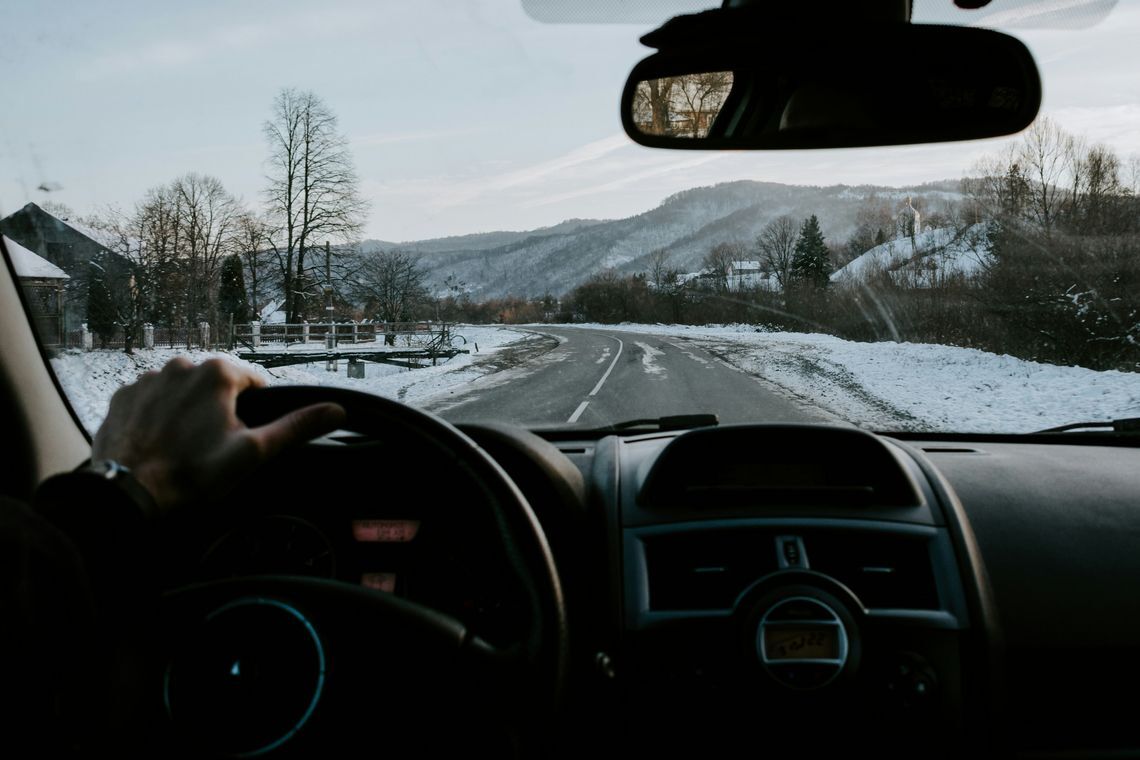
Why Winter Tires Are Important
As snow and freezing rain start replacing autumn leaves, it’s important for drivers to prepare for the coldest, most demanding time of year. Here’s your guide to when to install winter tires, how they help on black ice, and why they’re essential for safe driving in regions that experience winter conditions.View more -

Safe Driving Distances and Skid Recovery in Winter
Winter driving comes with challenges that go far beyond cold temperatures. Snow, ice, and slush can turn a routine commute into a real test of control. Staying safe isn’t just about slowing down, it’s about understanding how much space your vehicle needs to stop and knowing what to do if it starts to slide. Even with advanced traction systems or all-wheel drive, safe winter driving comes down to technique. By combining smart driving habits with the right Michelin winter tires, you can stay confident and in control through every curve, stop, and storm.View more -
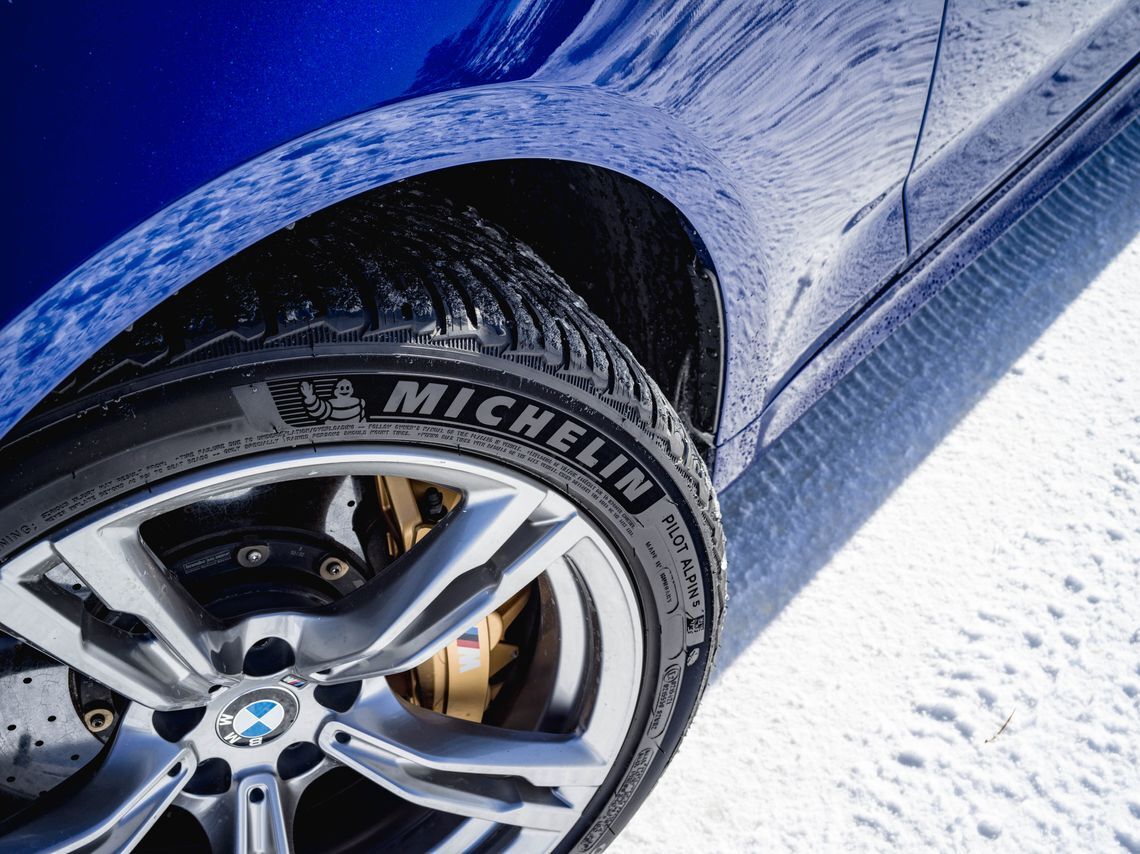
AWD vs Winter Tires: The Truth About Safety
All-wheel drive alone is not enough for winter safety. While AWD helps you accelerate on snowy roads, it does not help you stop or turn. The truth is, your tires, not your drivetrain, determine how well your vehicle grips the road, brakes, and handles on snow and ice. Even with advanced technology, your vehicle’s only point of contact with the road is its tires. Understanding how tire traction and drivetrain performance work together is key to driving safely when temperatures drop.View more -
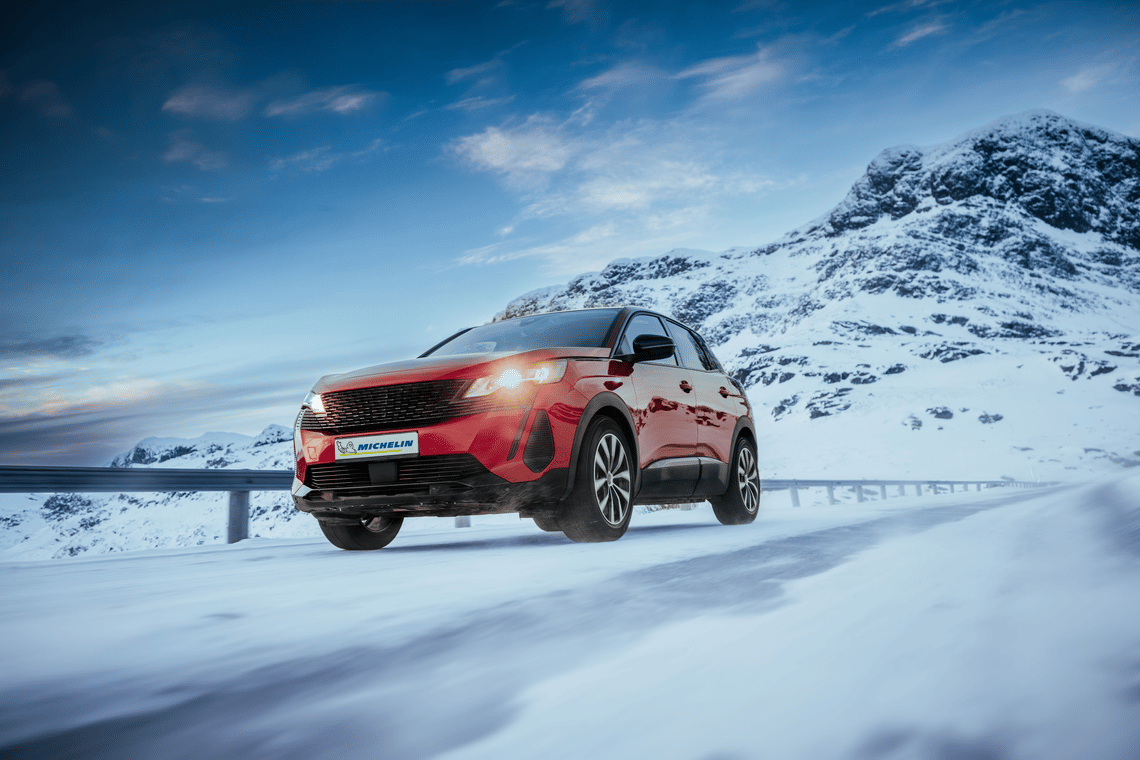
Preparing for Winter: How Cold Affects Tire Pressure and When to Switch Tires
Your vehicle is only as safe as its tires. Even the best winter tires cannot perform properly if they are installed too late or are under-inflated in cold weather. Understanding how temperature changes affect tire pressure, and knowing when to make the seasonal switch, are key to staying safe and confident on winter roads.View more -

Expert Winter Driving: Posture, Focus & ESC
Mastering winter driving takes more than just good reflexes. With the right techniques and proper equipment, you can stay calm, confident, and in control. Michelin experts share proven methods to help you drive smarter in cold, slippery conditions, from your posture behind the wheel to using advanced vehicle technology like Electronic Stability Control (ESC).View more -
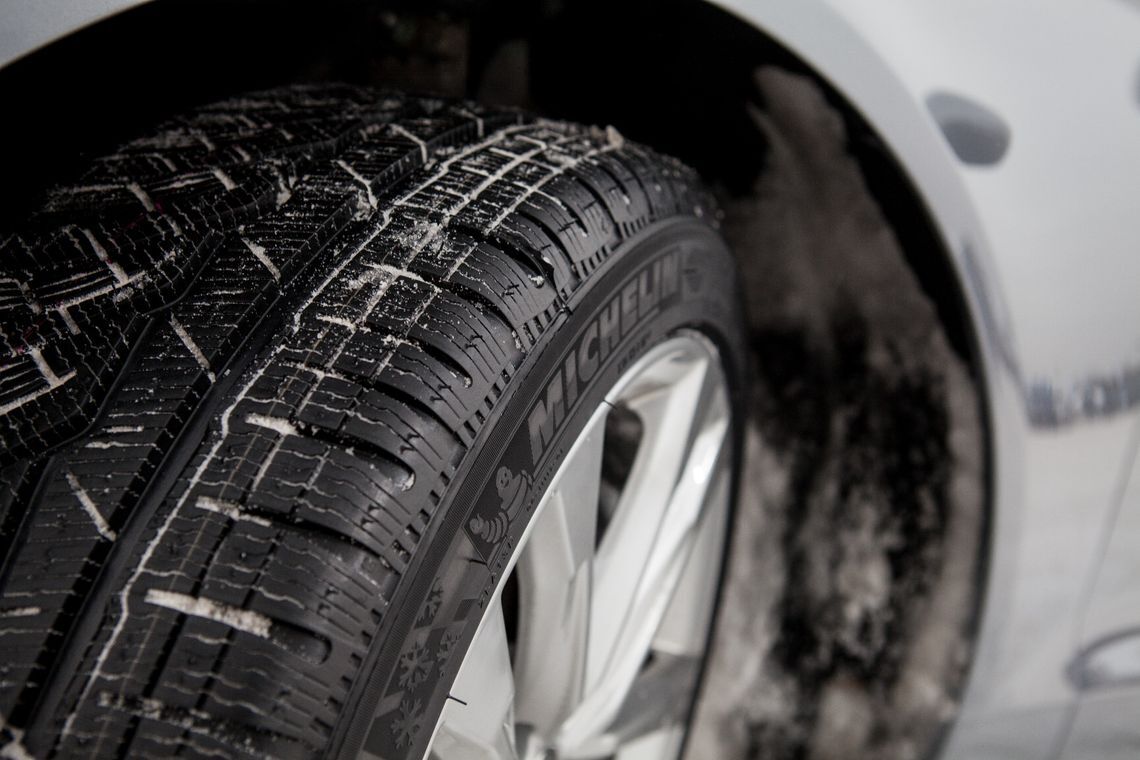
Winter Driving Safety: Tire Storage & Pre-Trip Checks
Safe winter driving does not end when you park your car. How you store your tires, and how you prepare your vehicle before each trip all play a major role in keeping you safe on the road. With a bit of preparation and the right information, you can extend the life of your tires, avoid roadside issues, and drive with greater confidence all winter long.View more -
Winterize Your Car: Essential Fluid, Battery & Visibility Checks
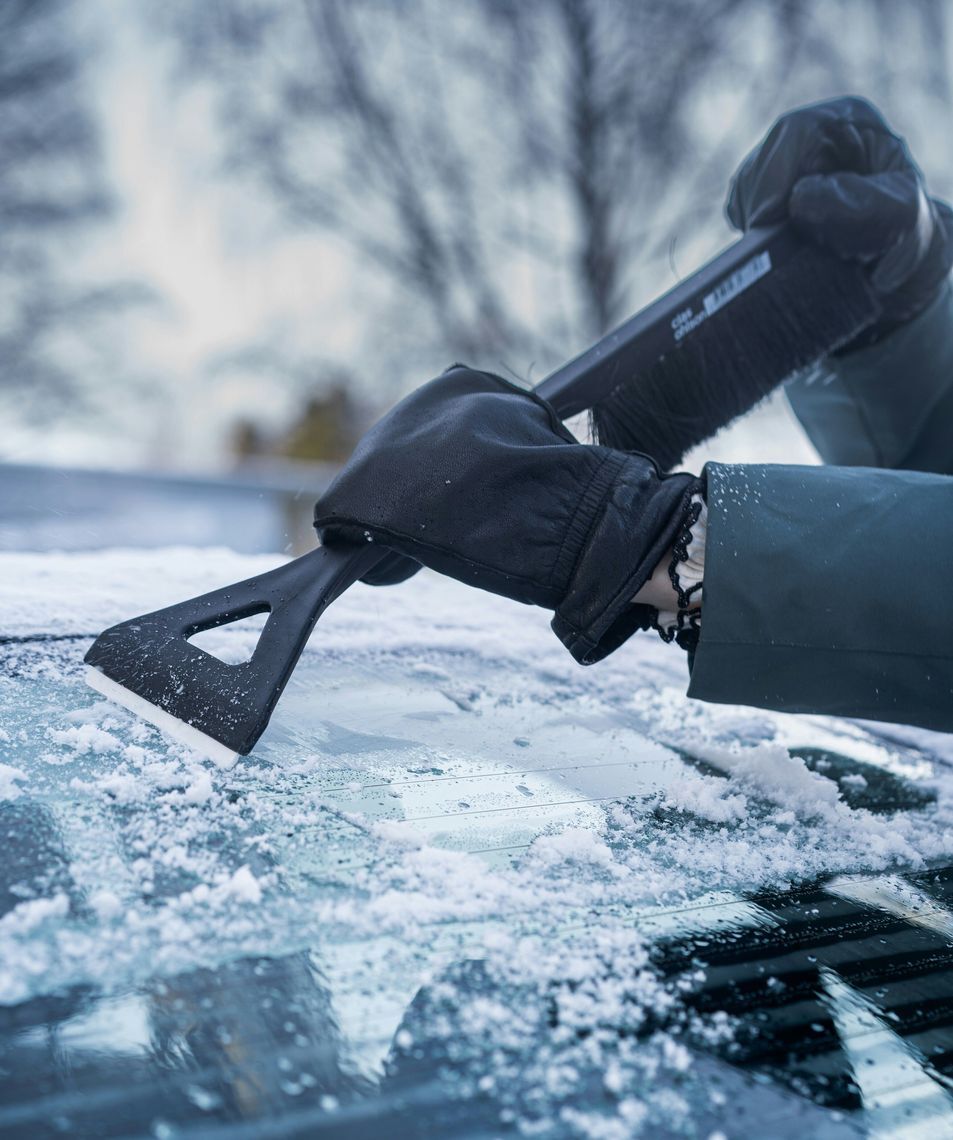
Winter weather can be tough on your vehicle, but a little preparation goes a long way. Beyond installing winter tires, your car’s fluids, battery, and visibility systems all need attention before the cold sets in. By winterizing your vehicle, you protect key components from cold-weather stress and ensure a safer, more comfortable drive through snow, ice, and freezing rain.View more