Windshield Washer Fluid, De-Icers, and Wipers
Clear visibility is one of the most important factors for winter safety. Snow, slush, and road salt can quickly reduce your ability to see, creating serious risks on the road.
Fluids and Visibility Must-Haves
Winter-rated washer fluid: Use a washer fluid designed for winter that resists freezing down to -40°F. Summer fluid can freeze in your reservoir or on your windshield.
De-icer: A spray-on de-icer for your windshield and locks can save time and prevent damage on freezing mornings.
Winter wiper blades: Replace worn or streaking blades. Consider upgrading to winter blades with a protective rubber cover to prevent ice buildup.
Good visibility helps you stay calm and focused on the road. See our expert guide to posture and focus while driving in winter for more safety tips.
Engine and Battery: Key Winter Prep Steps
Cold temperatures do more than make roads slick, they also strain your vehicle’s systems. Batteries lose power in freezing weather, and thicker oil makes engines harder to start.
Your Winter Vehicle Prep Checklist
Battery test: Cold weather can reduce a battery’s strength by up to 50%. Have it tested before winter and keep a portable booster pack in your car.
Engine oil: Check your owner’s manual for the recommended oil viscosity for cold conditions.
Heating and defrosting: Test your heater and defroster before the first frost. These systems are essential for both comfort and visibility.
Do not overlook your battery! It is one of the most common causes of winter breakdowns. Learn more in our winter road emergency guide.
Final Checks: Staying Visible and Safe
Winterizing your vehicle is not just about fluids and systems. It is also about making sure you are visible to others and prepared for anything the weather brings.
Visibility and Safety Checklist
Lights: Ensure headlights, taillights, and turn signals are working and free of snow or grime.
Defrosters: Keep defrosters in good condition to prevent fogging inside your windshield.
Snow removal: Always clear snow and ice from your roof, hood, windows, and lights before driving. In many states, it is illegal to drive with snow-covered surfaces.
Emergency supplies: Keep a small shovel, ice scraper, and an extra bottle of winter-rated washer fluid in your trunk.
Do not wait for the first freeze to get ready. Checking your fluids, testing your battery, and ensuring your visibility systems are in good working order will help you drive safely all winter long.
FAQ
Check your windshield washer fluid, engine oil, and coolant. Always use a winter-rated washer fluid that resists freezing and ensure your engine oil matches the recommended viscosity for cold weather.
Cold weather reduces a battery’s output and thickens engine oil, which forces the starter to work harder. This combination can drain a weak battery quickly.
Yes. Winter wipers are designed with a protective cover that prevents ice buildup, providing better visibility during snow and freezing rain.
In many states, yes. Even where it is not specifically illegal, driving with snow on your car can block your view or endanger other drivers. Always clear it off before driving.
Test your heater and defroster before cold weather arrives. If airflow seems weak or heat output is low, have your system serviced by a professional. These systems are essential for safety and comfort.


Find tire dealers near you in seconds
Search among our dealers to find where your tire is available
Related articles
-

Why Winter Tires Are Important
As snow and freezing rain start replacing autumn leaves, it’s important for drivers to prepare for the coldest, most demanding time of year. Here’s your guide to when to install winter tires, how they help on black ice, and why they’re essential for safe driving in regions that experience winter conditions.View more -

Mastering Vehicle Control in Snow and Ice
Winters can be unpredictable, bringing snow, freezing rain, and icy roads that challenge even experienced drivers. Mastering control of your vehicle in these conditions isn’t just about confidence, it’s about safety. Along with equipping your vehicle with proper winter tires, learning the right driving techniques can make a major difference in traction, braking, and handling on slippery roads. Below are three essential areas every driver should keep in mind when navigating snowy and icy conditions.View more -

Safe Driving Distances and Skid Recovery in Winter
Winter driving comes with challenges that go far beyond cold temperatures. Snow, ice, and slush can turn a routine commute into a real test of control. Staying safe isn’t just about slowing down, it’s about understanding how much space your vehicle needs to stop and knowing what to do if it starts to slide. Even with advanced traction systems or all-wheel drive, safe winter driving comes down to technique. By combining smart driving habits with the right Michelin winter tires, you can stay confident and in control through every curve, stop, and storm.View more -
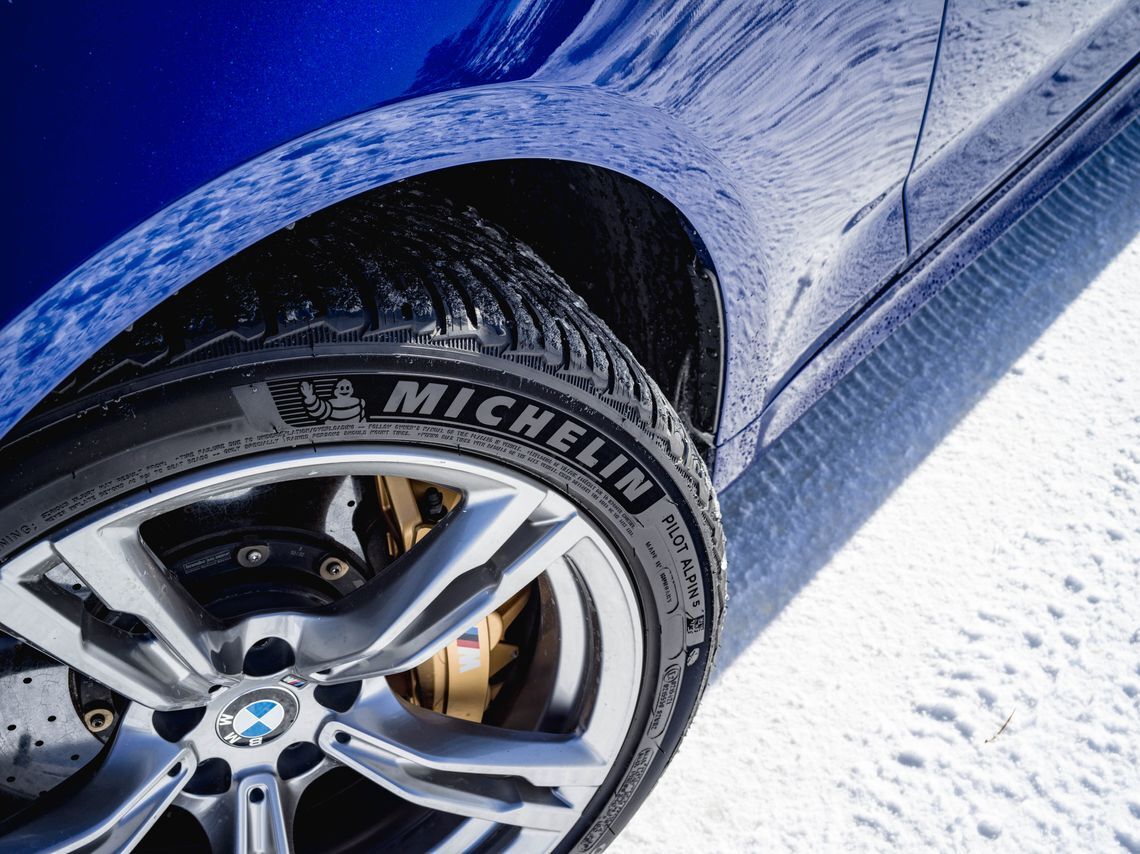
AWD vs Winter Tires: The Truth About Safety
All-wheel drive alone is not enough for winter safety. While AWD helps you accelerate on snowy roads, it does not help you stop or turn. The truth is, your tires, not your drivetrain, determine how well your vehicle grips the road, brakes, and handles on snow and ice. Even with advanced technology, your vehicle’s only point of contact with the road is its tires. Understanding how tire traction and drivetrain performance work together is key to driving safely when temperatures drop.View more -
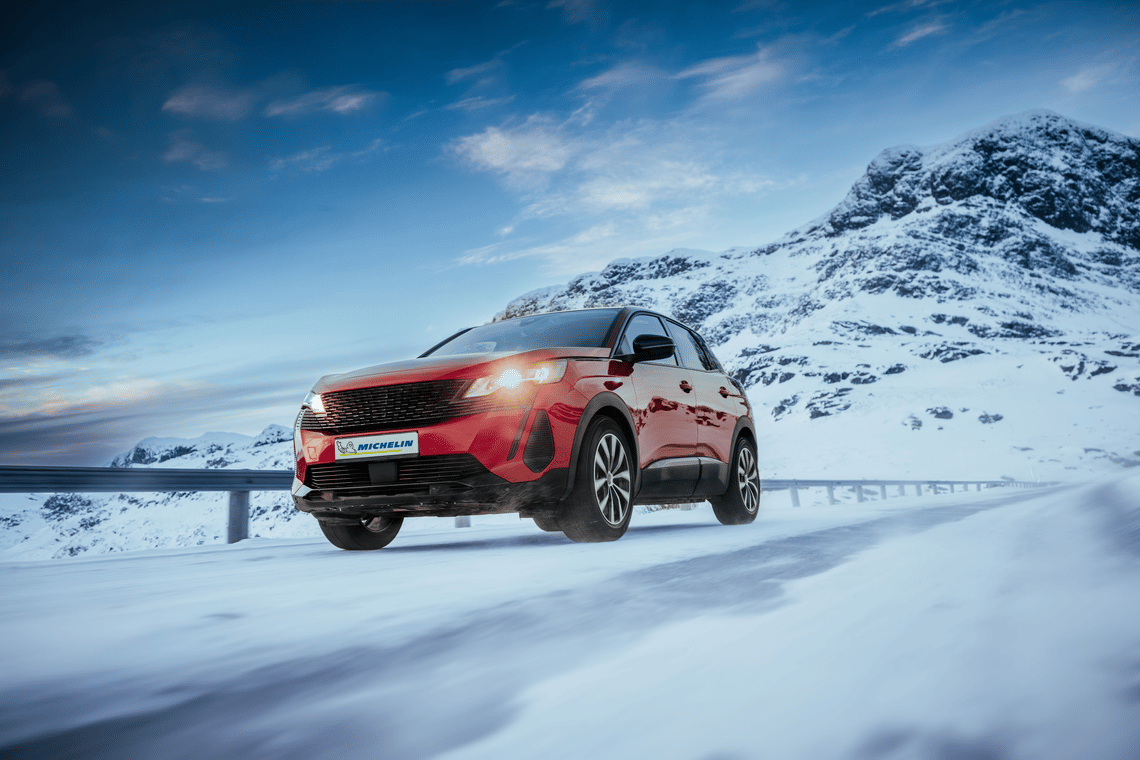
Preparing for Winter: How Cold Affects Tire Pressure and When to Switch Tires
Your vehicle is only as safe as its tires. Even the best winter tires cannot perform properly if they are installed too late or are under-inflated in cold weather. Understanding how temperature changes affect tire pressure, and knowing when to make the seasonal switch, are key to staying safe and confident on winter roads.View more -

Expert Winter Driving: Posture, Focus & ESC
Mastering winter driving takes more than just good reflexes. With the right techniques and proper equipment, you can stay calm, confident, and in control. Michelin experts share proven methods to help you drive smarter in cold, slippery conditions, from your posture behind the wheel to using advanced vehicle technology like Electronic Stability Control (ESC).View more -
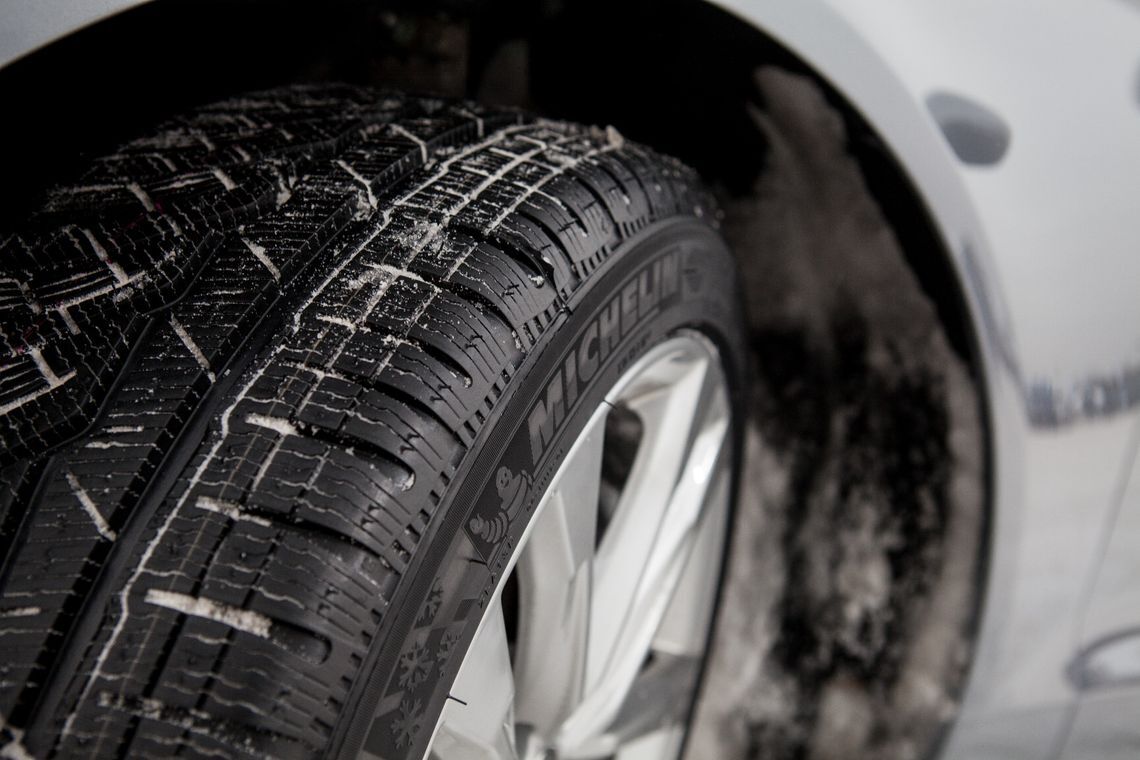
Winter Driving Safety: Tire Storage & Pre-Trip Checks
Safe winter driving does not end when you park your car. How you store your tires, and how you prepare your vehicle before each trip all play a major role in keeping you safe on the road. With a bit of preparation and the right information, you can extend the life of your tires, avoid roadside issues, and drive with greater confidence all winter long.View more