When to Install Winter Tires: The 45°F Rule
Many drivers wait for the first snowfall to think about winter tires, but they are designed for cold temperatures, not just snow. The specialized rubber compounds in winter tires stay flexible and grippy as temperatures drop, while summer tires and all-season tires harden, reducing traction on both dry and icy pavement.
That is why Michelin recommends installing winter tires when daily temperatures consistently fall below 45°F. Waiting until the first snow can leave you unprepared for early frost, black ice, or sudden cold snaps.
Why the 45°F Rule Matters
Better grip: Below 45°F, summer tires and all-season tires become stiff, reducing traction and increasing stopping distances.
Early-season safety: Frost and black ice can appear overnight even without snowfall.
Improved performance: Winter tires enhance braking and handling on cold, dry, or icy pavement.
How Cold Weather Affects Tire Pressure
Air contracts as temperatures drop, which causes your tire pressure to decrease. On average, tires lose about 1 PSI for every 10°F drop in temperature. This means a tire properly inflated in September may be several PSI too low by December.
Low tire pressure is not just inconvenient, it is a real safety issue:
Reduced traction: Less pressure decreases the tire’s contact with the road.
Longer stopping distances: Underinflated tires take longer to stop, especially on slippery roads.
Poor handling: Low PSI affects steering response and stability.
Uneven wear: Underinflation causes premature and uneven tread wear, shortening tire life.
In winter driving, underinflation reduces the traction you rely on most for safety and control.
PSI Management Tips for Winter
Checking tire pressure should be part of your regular routine, not just a seasonal task. Follow these steps to keep your tires performing at their best:
Practical Tips for Managing Tire Pressure
Check regularly: Use a reliable gauge to measure pressure at least once a month, when tires are cold and before long drives.
Find your correct PSI: Follow your vehicle manufacturer’s recommended pressure, listed on the driver’s door jamb or in the owner’s manual — not the number printed on the tire sidewall.
Do not wait for the TPMS light: Your Tire Pressure Monitoring System often activates only when pressure is dangerously low.
Avoid overinflation: Too much air reduces the tire’s contact area, decreasing grip on icy roads.
Recheck after service: Always verify tire pressure after installation or rotation to ensure it was set correctly.
Tire pressure is one part of winter readiness. Learn more in our guide to tire storage and pre-trip checks.
How Tire Timing and Pressure Work Together
Switching to winter tires early and maintaining proper PSI isn’t a choice between two options; it’s a safety equation that keeps you safe. Even a dedicated winter tire can't grip properly if it’s underinflated. A traditional all-season tire will harden and lose its grip in the cold, even if its PSI is perfect.
The formula for full winter safety:
Right Tire + Right Timing + Right PSI = Complete Winter Safety
This approach extends tire life, improves vehicle performance, and ensures you are ready for whatever winter weather brings.
Remember that your drivetrain also plays a role, but it can never replace the traction of quality tires. Learn why AWD vehicles still need winter tires for maximum safety.
FAQ
Install your winter tires when the average daily temperature consistently falls below 45°F. Doing so early ensures optimal traction and safety.
No. Always follow your vehicle manufacturer’s recommended PSI. Overinflation reduces grip, while underinflation increases stopping distance and wear.
At least once a month and before any long trip. Cold weather accelerates air loss, so frequent checks are important.
You risk reduced traction on frosty mornings, black ice, and cold pavement. Even without snow, summer tires and all-season tires stiffen and lose grip in low temperatures.
Yes. Underinflated tires increase rolling resistance, forcing your engine to work harder and burn more fuel. Keeping PSI within the recommended range improves fuel efficiency.


Find tire dealers near you in seconds
Search among our dealers to find where your tire is available
Related articles
-

Why Winter Tires Are Important
As snow and freezing rain start replacing autumn leaves, it’s important for drivers to prepare for the coldest, most demanding time of year. Here’s your guide to when to install winter tires, how they help on black ice, and why they’re essential for safe driving in regions that experience winter conditions.View more -

Mastering Vehicle Control in Snow and Ice
Winters can be unpredictable, bringing snow, freezing rain, and icy roads that challenge even experienced drivers. Mastering control of your vehicle in these conditions isn’t just about confidence, it’s about safety. Along with equipping your vehicle with proper winter tires, learning the right driving techniques can make a major difference in traction, braking, and handling on slippery roads. Below are three essential areas every driver should keep in mind when navigating snowy and icy conditions.View more -

Safe Driving Distances and Skid Recovery in Winter
Winter driving comes with challenges that go far beyond cold temperatures. Snow, ice, and slush can turn a routine commute into a real test of control. Staying safe isn’t just about slowing down, it’s about understanding how much space your vehicle needs to stop and knowing what to do if it starts to slide. Even with advanced traction systems or all-wheel drive, safe winter driving comes down to technique. By combining smart driving habits with the right Michelin winter tires, you can stay confident and in control through every curve, stop, and storm.View more -
AWD vs Winter Tires: The Truth About Safety
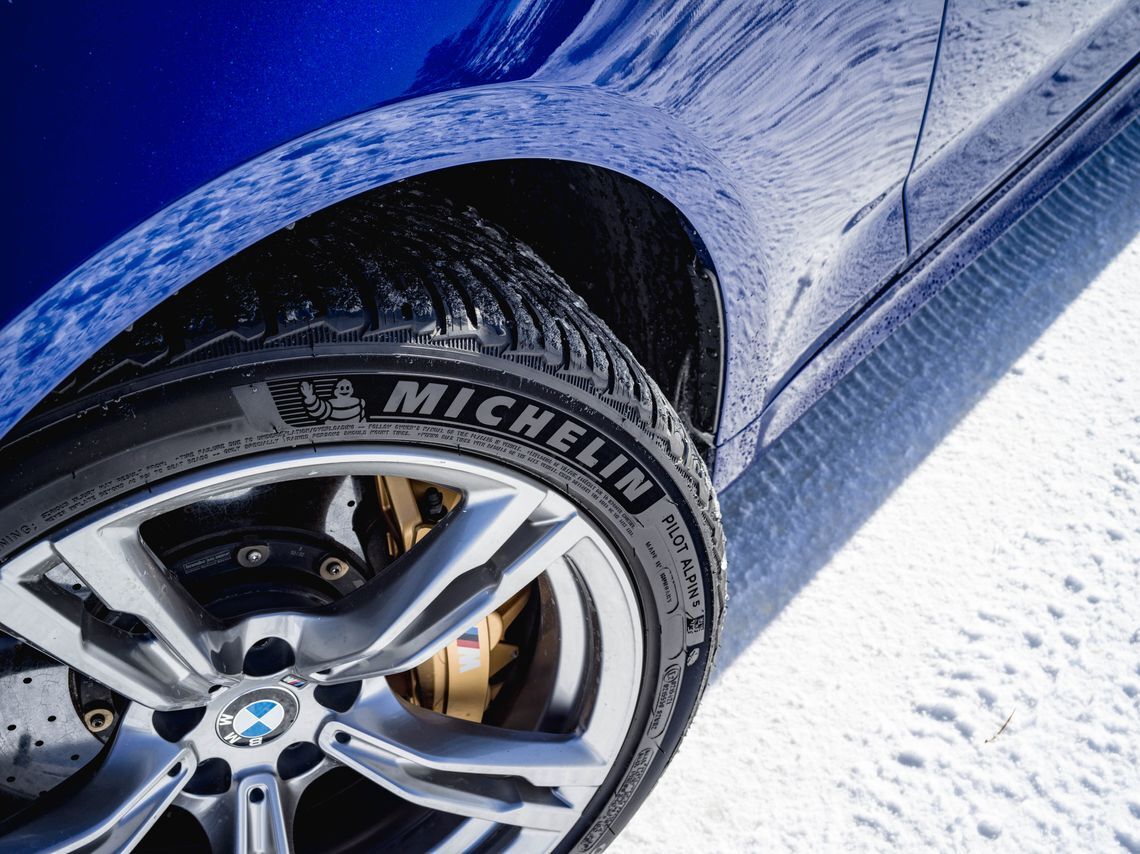
All-wheel drive alone is not enough for winter safety. While AWD helps you accelerate on snowy roads, it does not help you stop or turn. The truth is, your tires, not your drivetrain, determine how well your vehicle grips the road, brakes, and handles on snow and ice. Even with advanced technology, your vehicle’s only point of contact with the road is its tires. Understanding how tire traction and drivetrain performance work together is key to driving safely when temperatures drop.View more -

Expert Winter Driving: Posture, Focus & ESC
Mastering winter driving takes more than just good reflexes. With the right techniques and proper equipment, you can stay calm, confident, and in control. Michelin experts share proven methods to help you drive smarter in cold, slippery conditions, from your posture behind the wheel to using advanced vehicle technology like Electronic Stability Control (ESC).View more -
Winter Driving Safety: Tire Storage & Pre-Trip Checks
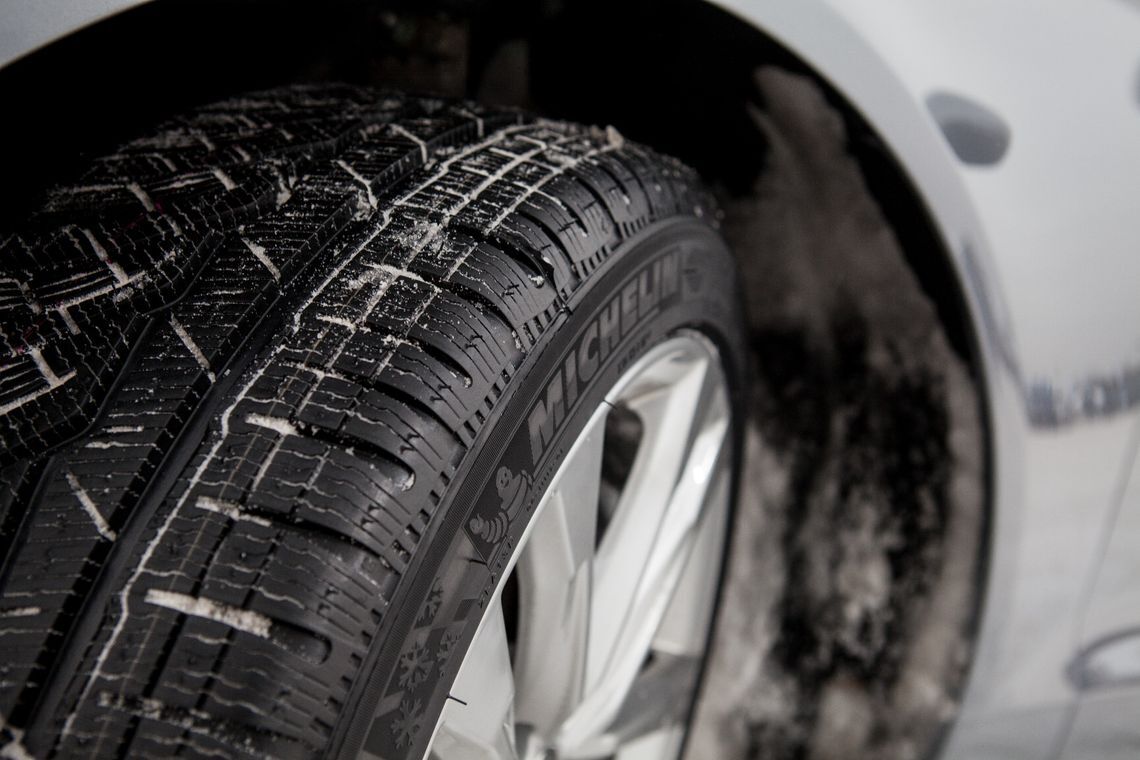
Safe winter driving does not end when you park your car. How you store your tires, and how you prepare your vehicle before each trip all play a major role in keeping you safe on the road. With a bit of preparation and the right information, you can extend the life of your tires, avoid roadside issues, and drive with greater confidence all winter long.View more -
Winterize Your Car: Essential Fluid, Battery & Visibility Checks
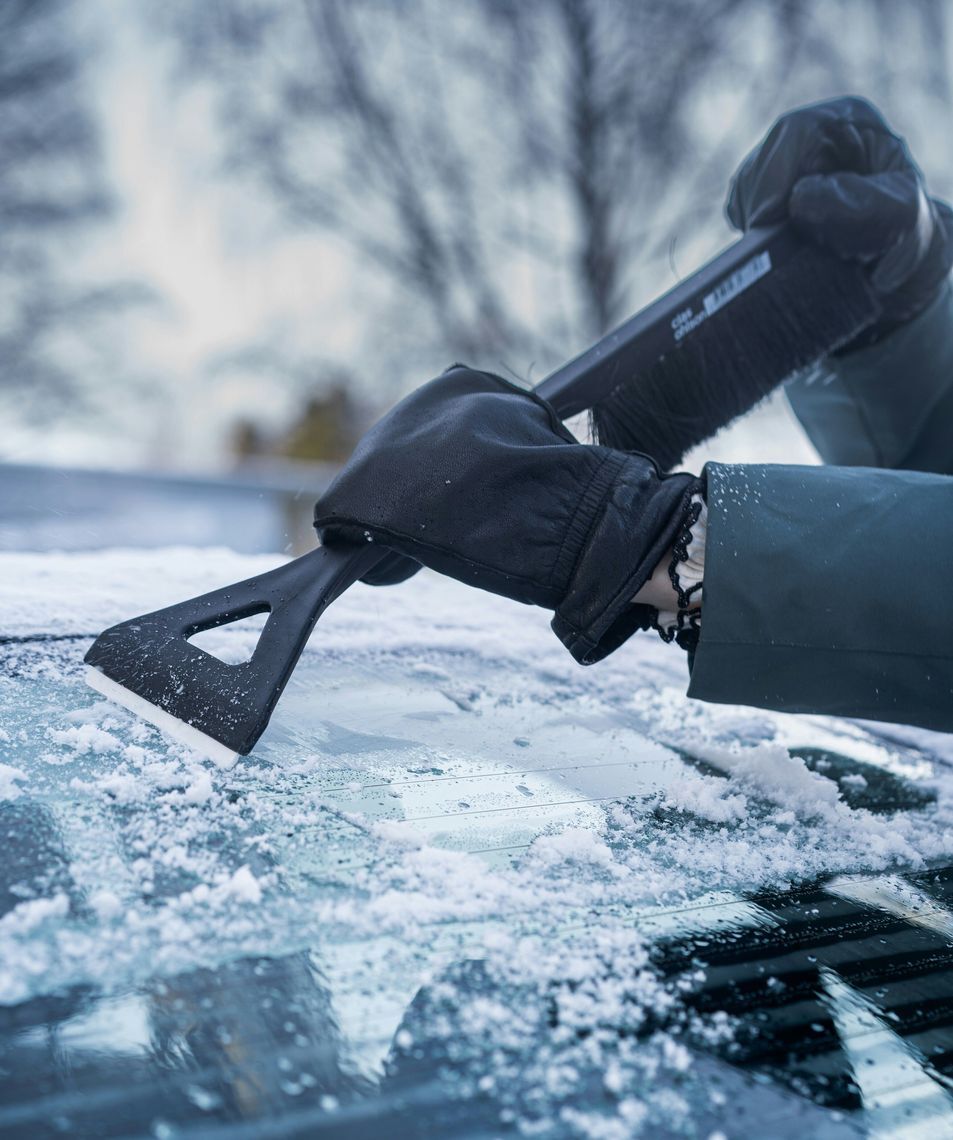
Winter weather can be tough on your vehicle, but a little preparation goes a long way. Beyond installing winter tires, your car’s fluids, battery, and visibility systems all need attention before the cold sets in. By winterizing your vehicle, you protect key components from cold-weather stress and ensure a safer, more comfortable drive through snow, ice, and freezing rain.View more