Winter Driving
This hub covers the full picture: why winter tires matter and when to fit them, how to drive on snow and ice, how to recover from skids, and how to prepare the rest of the vehicle for cold-weather operation.



Read our Frequently Asked Questions.
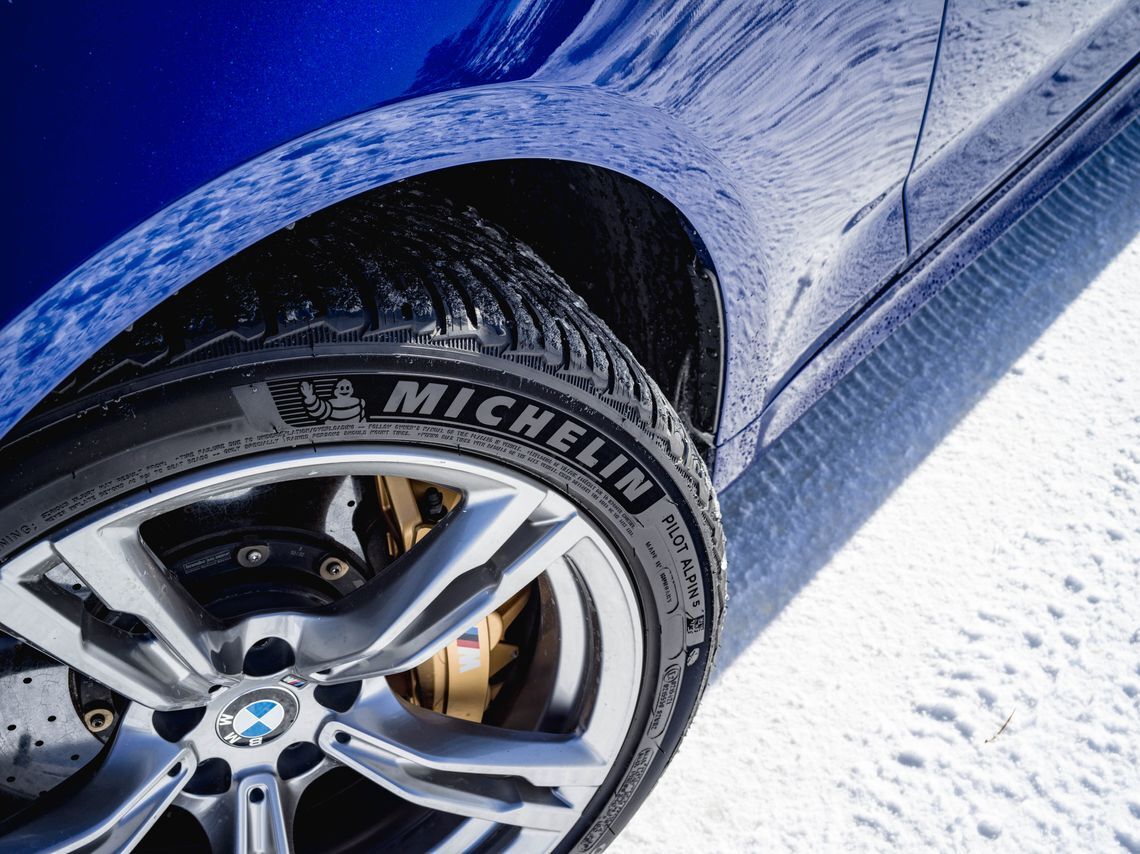
That your tires, not your drivetrain, determine how well your vehicle grips, brakes, and handles on cold and slippery roads. AWD and 4WD systems help with acceleration but do nothing for stopping or cornering — those functions are entirely a tire function. Winter driving safety rests on two foundations: the right tires fitted at the right time, and driving technique adjusted to the conditions.
When average daily temperatures consistently fall below 45°F — not when snow first appears. All-season and summer tire compounds begin to stiffen and lose grip before snow falls, including on cold, dry pavement. Fitting winter tires based on the temperature threshold, rather than the first snowfall, ensures the vehicle has appropriate grip through the early cold weeks when ice and frost are common but snow may not yet have arrived.
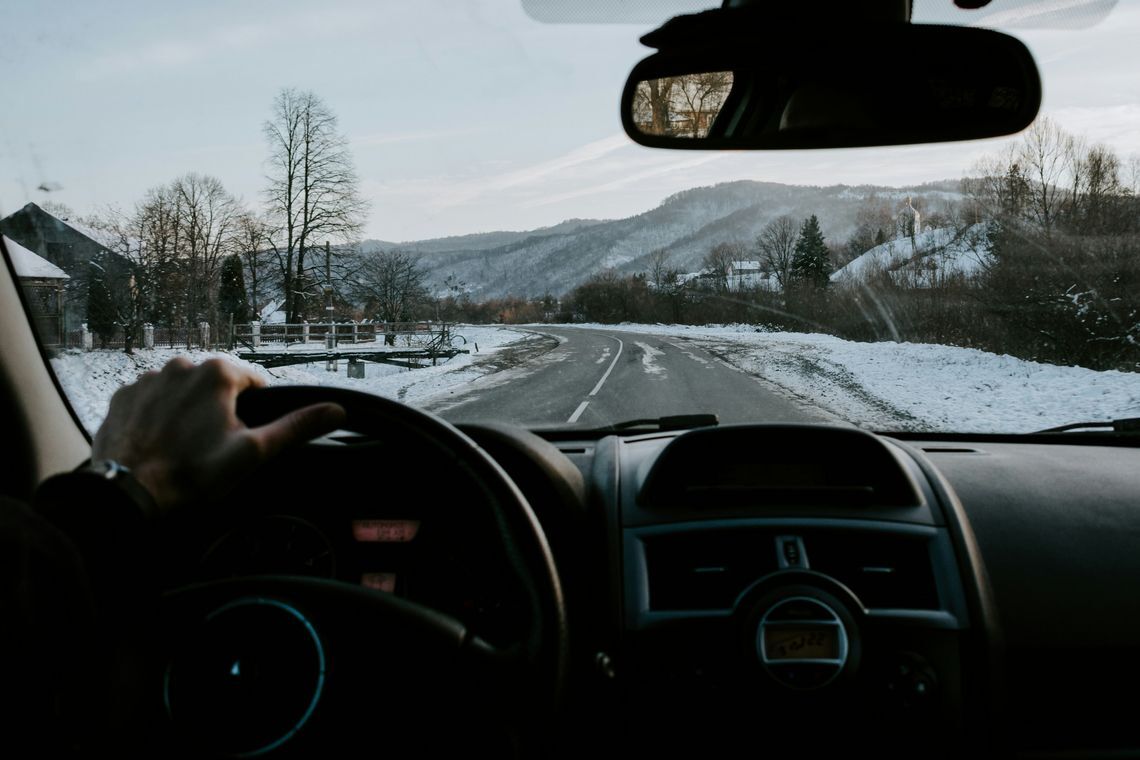
Braking, cornering, and following distance. In winter, all three require more space and more deliberate timing than in dry conditions. Slow down before turns rather than during them. Brake gently and in a straight line. Leave significantly more following distance than in summer — stopping distances on snow and ice are much longer than on dry pavement. These three adjustments, applied consistently, cover the majority of winter driving situations.
The tire check comes first: confirm winter tires are fitted at the right time, check inflation (pressure drops in cold weather), and inspect tread depth. Beyond tires: switch to winter-rated washer fluid, check battery health, confirm the heater and defroster work, inspect wiper blades, and check all exterior lights. Build your winter emergency kit before you need it, not during the first cold snap.
ESC detects when the vehicle begins to slide — oversteer, understeer, or loss of traction — and applies braking to individual wheels to help restore stability. It's a valuable safety system that can prevent many loss-of-control situations from escalating. However, it has limits: it cannot create traction that doesn't exist between the tire and the road surface. On very slippery ice with inadequate tires, ESC can only do so much. It works most effectively when the underlying tires are appropriate for the conditions.
Yes. When forecasts call for severe conditions — a significant ice storm, a whiteout snowstorm, extreme wind with blowing snow — the safest choice is to postpone travel until conditions improve. No tire or driving technique eliminates risk in genuinely extreme conditions. Checking road condition reports before departing, building extra time into journeys so schedule pressure doesn't push you to drive in deteriorating conditions, and being willing to stop and wait are all part of responsible winter driving.