Why Four Winter Tires Are Essential
Four dedicated winter tires are essential for safe driving in winter conditions because they provide consistent traction and control on all four wheels. While AWD helps with acceleration, it does not improve braking or cornering. Installing only two winter tires can create an imbalance that leads to instability, unpredictable handling, and longer stopping distances. For complete control and balanced performance, always use a full set of four winter tires.
Key Reasons to Use Four Winter Tires
Balanced traction and control: Installing a full set of four winter tires ensures even grip and predictable handling across all wheels, improving stability and safety.
Shorter stopping distances: Winter tires feature specialized rubber compounds and deep tread patterns designed to stay flexible in cold weather. This helps your vehicle stop faster on snow and ice.
Better cornering grip: Enhanced tread designs provide the traction needed to maintain control through turns, reducing the risk of oversteer or understeer.
Even tire wear: Using a complete set of winter tires ensures they wear evenly, extending their lifespan and keeping your vehicle’s performance consistent throughout the season.
Common Myths About AWD, 4WD, and FWD
Do not let these common drivetrain myths put your safety at risk this winter.
Myth 1: AWD means you do not need winter tires
False. While AWD helps your vehicle get moving on snow, it does not help you stop or turn. The only way to gain proper traction for braking and cornering on icy roads is with winter tires.
Myth 2: 4WD is better than AWD in winter
Not necessarily. Four-wheel drive is excellent for deep snow or off-road conditions, but for typical winter driving, its benefits are similar to AWD. What matters most for both is having a full set of winter tires.
Myth 3: FWD with all-season tires is good enough
This is a dangerous misconception. While front-wheel drive offers stable handling, braking and turning on snow or ice are severely limited without winter tires. In fact, a FWD vehicle equipped with winter tires often outperforms an AWD vehicle with all-season tires in braking and cornering.
Quick Takeaway
Your drivetrain helps your car move forward, but only your tires help it stop. That is why four winter tires are essential, no matter what type of vehicle you drive.
Seasonal Tire Wear Check
To stay safe on winter roads, check your tires regularly and prepare before temperatures drop. Always inspect tread depth using the penny test. Insert a U.S. penny into the tread with Lincoln’s head facing down. If you can see the top of his head, it is time to replace your tires.
Check tire pressure often, as it decreases in cold weather. For balanced performance, always replace tires in sets of four and install them when temperatures consistently drop below 45°F (7°C).
For detailed guidance on winter tire timing and maintenance, visit our Michelin Tire Pressure and Installation Guide.
Safety Comes with the Right Tires
For true winter safety, a full set of four quality winter tires is non-negotiable. While AWD or 4WD helps you accelerate, winter tires give you the grip and stopping power needed for control and safety. Check your tread depth, maintain proper tire pressure, and ensure your vehicle is winter-ready before the first major cold snap.
FAQ
No. AWD helps with acceleration but not with braking or turning. Winter tires are essential for safe handling on snow and ice.
Always install four. Using only two creates an imbalance that affects traction and stability, increasing the risk of losing control.
Your tires matter most. A front-wheel-drive car with winter tires will stop and handle better than an AWD vehicle on all-season tires.
Use the penny test. If you can see the top of Lincoln’s head, your tread is too shallow, and it is time to replace your tires.
Install winter tires when temperatures consistently fall below 45°F. Preparing early ensures better traction and safety before the first snowfall.


Find tire dealers near you in seconds
Search among our dealers to find where your tire is available
Related articles
-

Why Winter Tires Are Important
As snow and freezing rain start replacing autumn leaves, it’s important for drivers to prepare for the coldest, most demanding time of year. Here’s your guide to when to install winter tires, how they help on black ice, and why they’re essential for safe driving in regions that experience winter conditions.View more -

Mastering Vehicle Control in Snow and Ice
Winters can be unpredictable, bringing snow, freezing rain, and icy roads that challenge even experienced drivers. Mastering control of your vehicle in these conditions isn’t just about confidence, it’s about safety. Along with equipping your vehicle with proper winter tires, learning the right driving techniques can make a major difference in traction, braking, and handling on slippery roads. Below are three essential areas every driver should keep in mind when navigating snowy and icy conditions.View more -

Safe Driving Distances and Skid Recovery in Winter
Winter driving comes with challenges that go far beyond cold temperatures. Snow, ice, and slush can turn a routine commute into a real test of control. Staying safe isn’t just about slowing down, it’s about understanding how much space your vehicle needs to stop and knowing what to do if it starts to slide. Even with advanced traction systems or all-wheel drive, safe winter driving comes down to technique. By combining smart driving habits with the right Michelin winter tires, you can stay confident and in control through every curve, stop, and storm.View more -
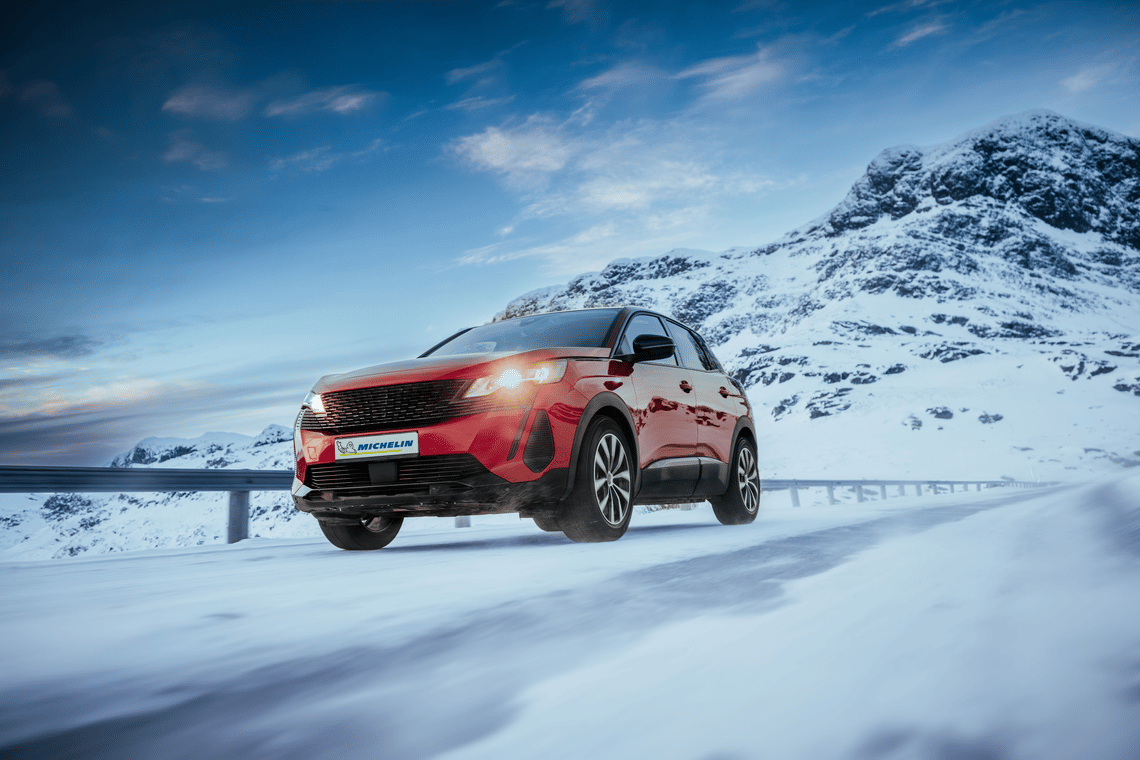
Preparing for Winter: How Cold Affects Tire Pressure and When to Switch Tires
Your vehicle is only as safe as its tires. Even the best winter tires cannot perform properly if they are installed too late or are under-inflated in cold weather. Understanding how temperature changes affect tire pressure, and knowing when to make the seasonal switch, are key to staying safe and confident on winter roads.View more -

Expert Winter Driving: Posture, Focus & ESC
Mastering winter driving takes more than just good reflexes. With the right techniques and proper equipment, you can stay calm, confident, and in control. Michelin experts share proven methods to help you drive smarter in cold, slippery conditions, from your posture behind the wheel to using advanced vehicle technology like Electronic Stability Control (ESC).View more -
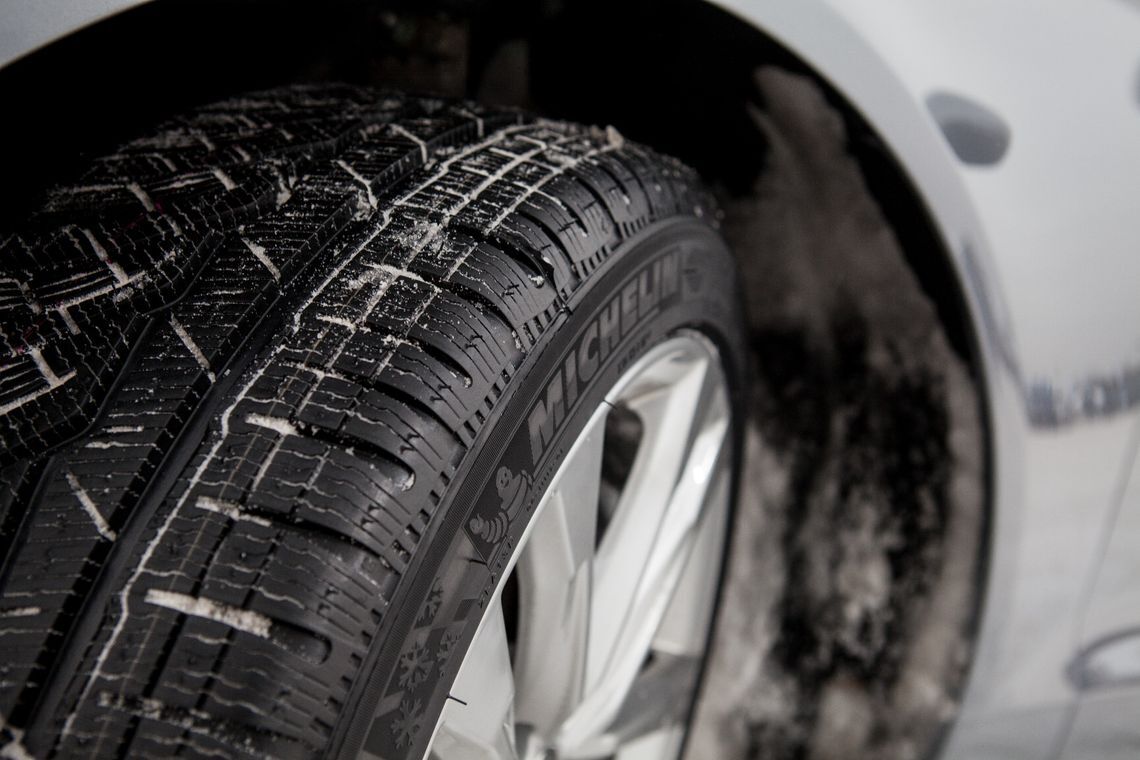
Winter Driving Safety: Tire Storage & Pre-Trip Checks
Safe winter driving does not end when you park your car. How you store your tires, and how you prepare your vehicle before each trip all play a major role in keeping you safe on the road. With a bit of preparation and the right information, you can extend the life of your tires, avoid roadside issues, and drive with greater confidence all winter long.View more -
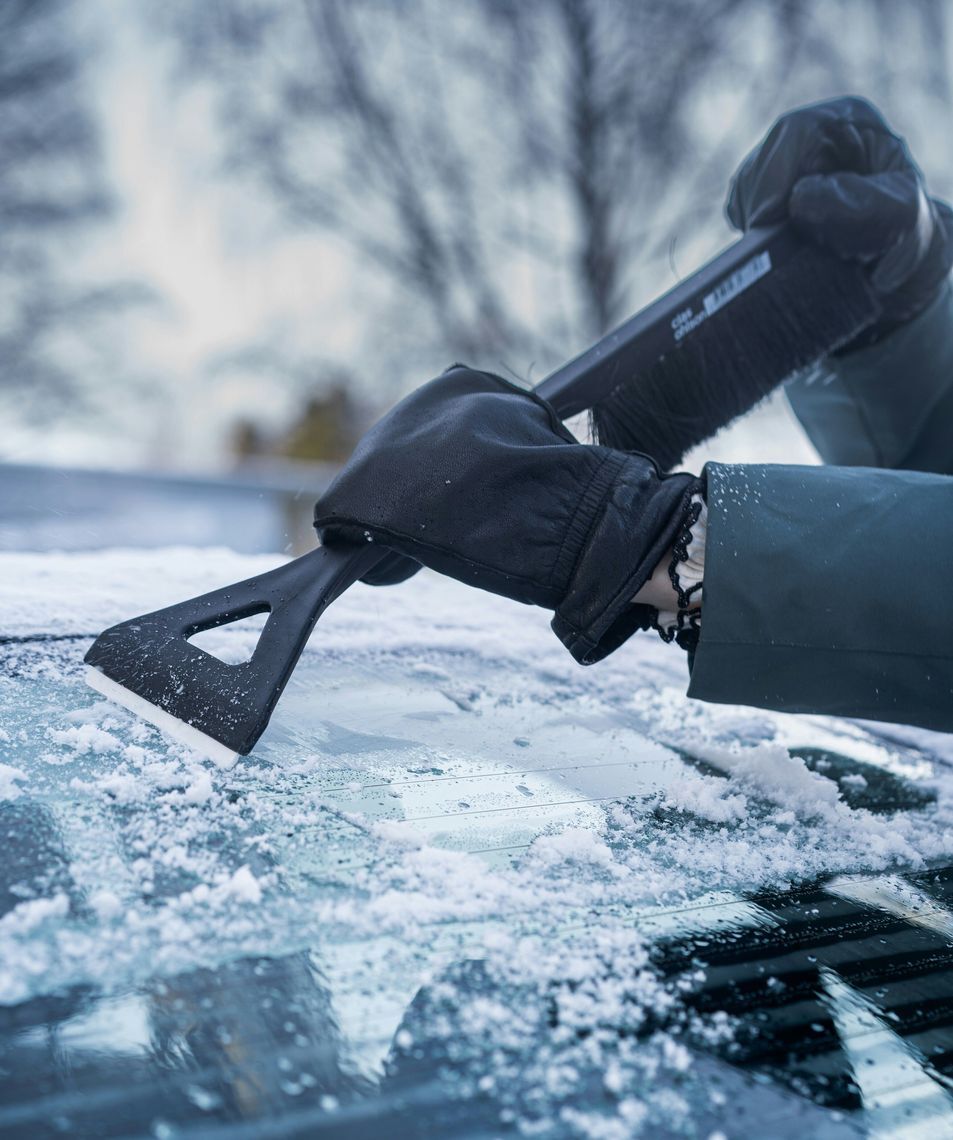
Winterize Your Car: Essential Fluid, Battery & Visibility Checks
Winter weather can be tough on your vehicle, but a little preparation goes a long way. Beyond installing winter tires, your car’s fluids, battery, and visibility systems all need attention before the cold sets in. By winterizing your vehicle, you protect key components from cold-weather stress and ensure a safer, more comfortable drive through snow, ice, and freezing rain.View more