What Makes Winter Tires Special?
Winter tires are made with rubber compounds engineered to stay flexible in freezing temperatures (below 45°F). This flexibility allows them to maintain traction and control on snow, slush, and ice where regular tires harden and lose grip.
They’re also certified with the Three-Peak Mountain Snowflake (3PMSF) symbol, showing they meet industry standards for severe-snow traction and braking performance.
Do I Really Need Winter Tires If I Have All-Season Tires?
If you live in a state that experiences snow, ice, or frequent freezing temperatures, winter tires are a smart safety choice.
All-season tires may be convenient, but they’re designed for mild climates and only meet minimum snow-traction standards.
That’s why it’s recommended to have a dedicated set of winter tires, built for enhanced grip, control, and braking on icy and snow-covered roads.
Don’t take chances - stay safe. Winter tires make a difference for these four reasons:
Superior traction and grip on cold, slippery roads.
Much shorter stopping distances in freezing conditions.
Potential savings on insurance premiums in some regions.
Reliable performance despite unpredictable winter weather.
For drivers in regions that face long, snowy winters, the Michelin X-Ice Snow+ is a top choice for both passenger cars and SUVs.
Engineered and tested for severe winter conditions, it delivers exceptional traction and braking on snow and ice, thanks to its advanced tread design and EverGrip™ Technology, which helps maintain long-lasting performance.
If you often drive on icy or hard-packed roads, the Michelin X-Ice North 4 provides even greater control. Its premium studded design enhances braking and acceleration on ice, making it ideal for drivers in regions with icy conditions.
How Much Do Snow Tires Help?
Black ice, slush, deep snow, and freezing rain can make driving unpredictable across much of the northern and mountain states. So, do winter tires really make a difference? Absolutely.
Yes, but how exactly do you ask?
Winter tires are manufactured using a softer rubber compound when compared to all-weather or summer tires.
Winter tires are specifically designed with sipes and deep treads for superior traction, water displacement, and enhanced grip.
The Michelin X-Ice Snow+ tire features an advanced tread design with wider grooves and sipes to help clear snow and slush, improve handling, and provide exceptional traction on ice. Its innovative rubber compound stays flexible in extreme cold, delivering reliable grip and shorter stopping distances in winter conditions.
The Michelin X-Ice Snow+ tire offers reduced rolling resistance for improved fuel efficiency or range. It also provides long lasting wear. These characteristics make it perfectly suited for a wide range of vehicles, including electric vehicles.
Will Winter Tires Help on Black Ice?
Yes, winter tires are designed to be more effective on these translucent sheets of ice as they allow you to quickly brake, accelerate, and manoeuvre in a controlled manner.
The tire’s compound and tread design are both key to how it performs on ice.
Tips for Driving on Black Ice:
Choose tires that have been extensively tested for ice braking and acceleration.
Consider studded tires like the Michelin X-Ice North 4 for maximum control in icy regions.
Drive cautiously, brake gently and steer smoothly when ice is present on the road.
Are Winter Tires Required?
There’s no federal law requiring winter tires in the United States. However, certain northern and mountain states, such as Colorado, Washington, and Vermont, enforce winter tire or traction requirements during snowy months. Always check your state’s Department of Transportation (DOT) for local regulations before winter begins.
When Should You Install Winter Tires?
Here’s an easy rule to remember:
If daily temperatures are consistently above 45°F, no need for winter tires just yet.
When temperatures drop below 45°F, it’s time to install your winter tires for optimal traction and safety.
Summer tires lose grip in cold conditions, while winter tires wear faster in warm weather.
For best results, switch back to all-season or summer tires when spring returns — and remember the golden rule: 45°F!


Find tire dealers near you in seconds
Search among our dealers to find where your tire is available
FAQ
Read our Frequently Asked Questions.
Two things: compound and construction. Winter tire rubber compounds stay flexible at temperatures below 45°F rather than stiffening like all-season and summer tire compounds. This flexibility allows the tire to conform to the road surface and maintain grip. The tread design adds higher sipe density — small cuts that create additional biting edges — and more aggressive grooves for channeling snow and water. Together these deliver shorter stopping distances, better cornering grip, and more predictable handling in cold, snowy, and icy conditions.
Michelin's recommendation is to fit winter tires when average daily temperatures consistently approach 45°F. This is the threshold where all-season and summer tire compounds begin to stiffen noticeably, reducing their grip on any surface — not just snow. Cold, dry pavement with standard tires presents less grip than the same pavement in warmer temperatures. Winter tires address this because their compound is formulated to remain pliable through the cold season.
Yes, if temperatures in your area regularly fall below freezing. Local driving doesn't avoid ice — intersections, shaded streets, bridges, and overnight freezing create slippery conditions even on short trips. Stopping distance on ice is significantly longer than on dry pavement regardless of how fast you're going or how short your journey is. The safety benefit of winter tires applies at all distances and speeds.
More than any other single factor. The grip advantage of winter tires on cold and slippery surfaces means the vehicle is less likely to reach the point where traction is lost in the first place. Better grip during braking prevents wheel lock. Better grip during cornering reduces the likelihood of the vehicle sliding through a turn. Driving technique matters too, but the underlying tire capability is what the technique works with. Better tires expand what good technique can achieve.
They help compared to all-season or summer tires, though black ice is challenging for any tire. The flexible compound and sipe density of winter tires provide more biting edges to work with the minimal surface texture of glazed ice. Studded winter tires add metal pins that physically penetrate the ice surface and provide the most grip in pure ice conditions. Studless winter tires offer meaningful improvement over all-season tires on black ice, though no tire eliminates the risk of glazed ice completely.
Winter tires are designed for cold conditions. Their flexible compound wears faster and handles less precisely on warm roads — using them through summer accelerates wear and reduces their cold-weather effectiveness for the following season. They're also not intended to optimize fuel economy or dry-road handling. The correct use is seasonal: fit them when temperatures consistently drop, remove them when temperatures consistently rise. Used as intended, the downsides are minimal; the safety benefit in cold conditions is clear.
Related articles
-

Mastering Vehicle Control in Snow and Ice
Winters can be unpredictable, bringing snow, freezing rain, and icy roads that challenge even experienced drivers. Mastering control of your vehicle in these conditions isn’t just about confidence, it’s about safety. Along with equipping your vehicle with proper winter tires, learning the right driving techniques can make a major difference in traction, braking, and handling on slippery roads. Below are three essential areas every driver should keep in mind when navigating snowy and icy conditions.View more -

Safe Driving Distances and Skid Recovery in Winter
Winter driving comes with challenges that go far beyond cold temperatures. Snow, ice, and slush can turn a routine commute into a real test of control. Staying safe isn’t just about slowing down, it’s about understanding how much space your vehicle needs to stop and knowing what to do if it starts to slide. Even with advanced traction systems or all-wheel drive, safe winter driving comes down to technique. By combining smart driving habits with the right Michelin winter tires, you can stay confident and in control through every curve, stop, and storm.View more -
AWD vs Winter Tires: The Truth About Safety
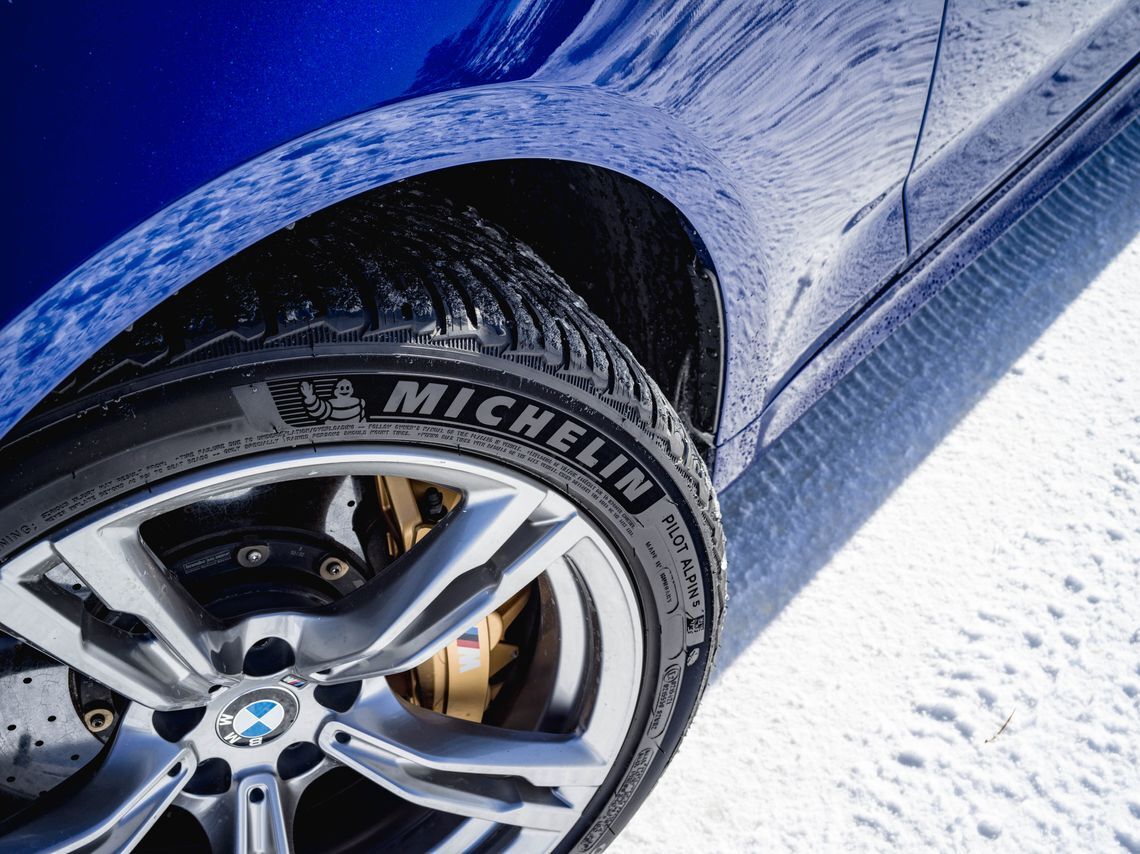
All-wheel drive alone is not enough for winter safety. While AWD helps you accelerate on snowy roads, it does not help you stop or turn. The truth is, your tires, not your drivetrain, determine how well your vehicle grips the road, brakes, and handles on snow and ice. Even with advanced technology, your vehicle’s only point of contact with the road is its tires. Understanding how tire traction and drivetrain performance work together is key to driving safely when temperatures drop.View more -
Preparing for Winter: How Cold Affects Tire Pressure and When to Switch Tires
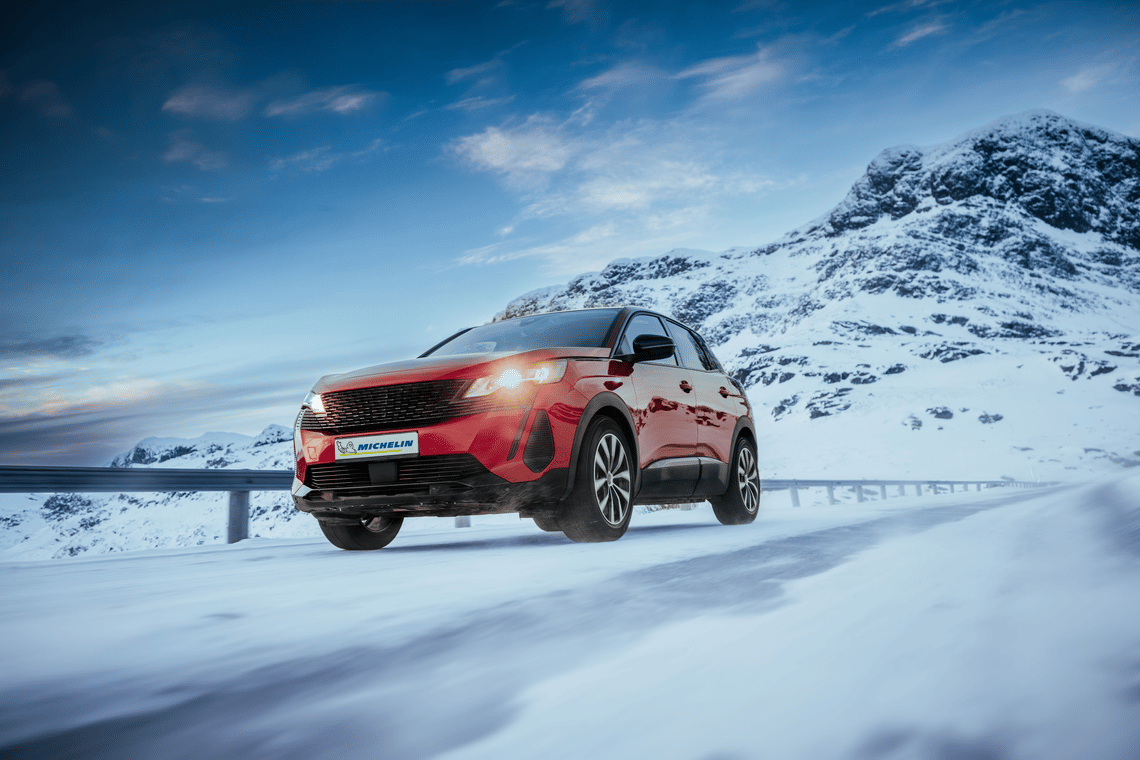
Your vehicle is only as safe as its tires. Even the best winter tires cannot perform properly if they are installed too late or are under-inflated in cold weather. Understanding how temperature changes affect tire pressure, and knowing when to make the seasonal switch, are key to staying safe and confident on winter roads.View more -

Expert Winter Driving: Posture, Focus & ESC
Mastering winter driving takes more than just good reflexes. With the right techniques and proper equipment, you can stay calm, confident, and in control. Michelin experts share proven methods to help you drive smarter in cold, slippery conditions, from your posture behind the wheel to using advanced vehicle technology like Electronic Stability Control (ESC).View more -
Winter Driving Safety: Tire Storage & Pre-Trip Checks
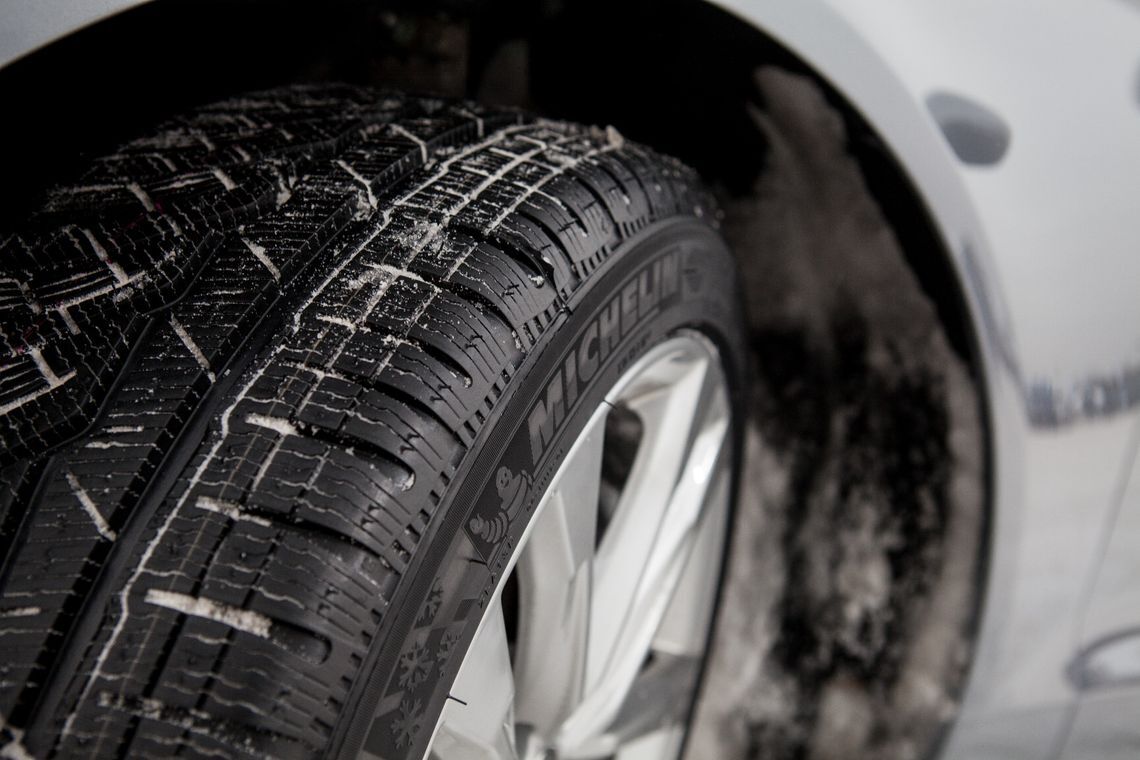
Safe winter driving does not end when you park your car. How you store your tires, and how you prepare your vehicle before each trip all play a major role in keeping you safe on the road. With a bit of preparation and the right information, you can extend the life of your tires, avoid roadside issues, and drive with greater confidence all winter long.View more -
Winterize Your Car: Essential Fluid, Battery & Visibility Checks
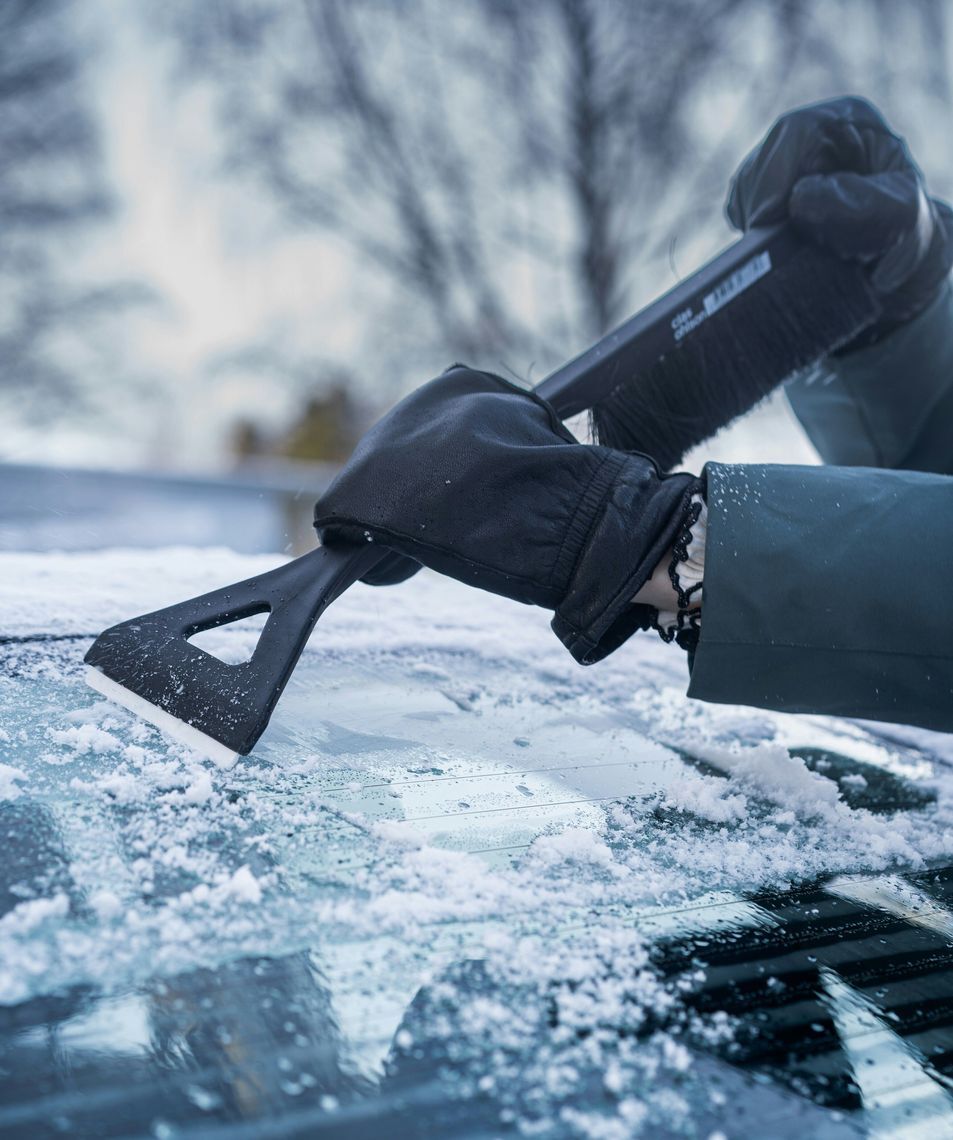
Winter weather can be tough on your vehicle, but a little preparation goes a long way. Beyond installing winter tires, your car’s fluids, battery, and visibility systems all need attention before the cold sets in. By winterizing your vehicle, you protect key components from cold-weather stress and ensure a safer, more comfortable drive through snow, ice, and freezing rain.View more
(1) Based on third-party longevity tests, in North Finland between October 2019 and January 2020, on a Volkswagen® Golf 1.5 TSI comparing the MICHELIN® X-Ice® SNOW tire versus BRIDGESTONE® Blizzak WS-90, CONTINENTAL® Viking Contact 7, NOKIAN® Hakkapeliitta R3, GOODYEAR® UltraGrip Ice 2, Pirelli® Ice Zero FR in tire size 205/55R16 94H XL. 12,000 kilometres driven per winter is estimated from annual average kilometres driven in Canada per vehicle by Desrosiers Automotive Consultants. A winter season is defined as six months.
(2) Reduction of fuel consumption due to 9% reduction of rolling resistance based on internal studies conducted at the Ladoux Technology Center (in Clermont-Ferrand, France) between August 2019 and January 2020, comparing the MICHELIN® X-Ice® SNOW tire versus MICHELIN® X-ICE® Xi3 in tire size 195/65R15 using method ISO 28580 at 80 km/h.
(3) Based on third-party longevity tests, in North Finland between October 2019 and January 2020, on a Volkswagen® Golf 1.5 TSI comparing the MICHELIN® X-Ice® SNOW tire versus BRIDGESTONE® Blizzak WS-90, CONTINENTAL® Viking Contact 7, NOKIAN® Hakkapeliitta R3, GOODYEAR® UltraGrip Ice 2, Pirelli® Ice Zero FR in tire size 205/55R16 94H XL. 12,000 kilometres driven per winter is estimated from annual average kilometres driven in Canada per vehicle by Desrosiers Automotive Consultants. A winter season is defined as six months.