Motorcycle Riding Tips and Advice
How to Choose the Right Motorcycle Tire
Tips to Take Care of Motorcycle Tires
MOST POPULAR TIPS & ADVICE
-
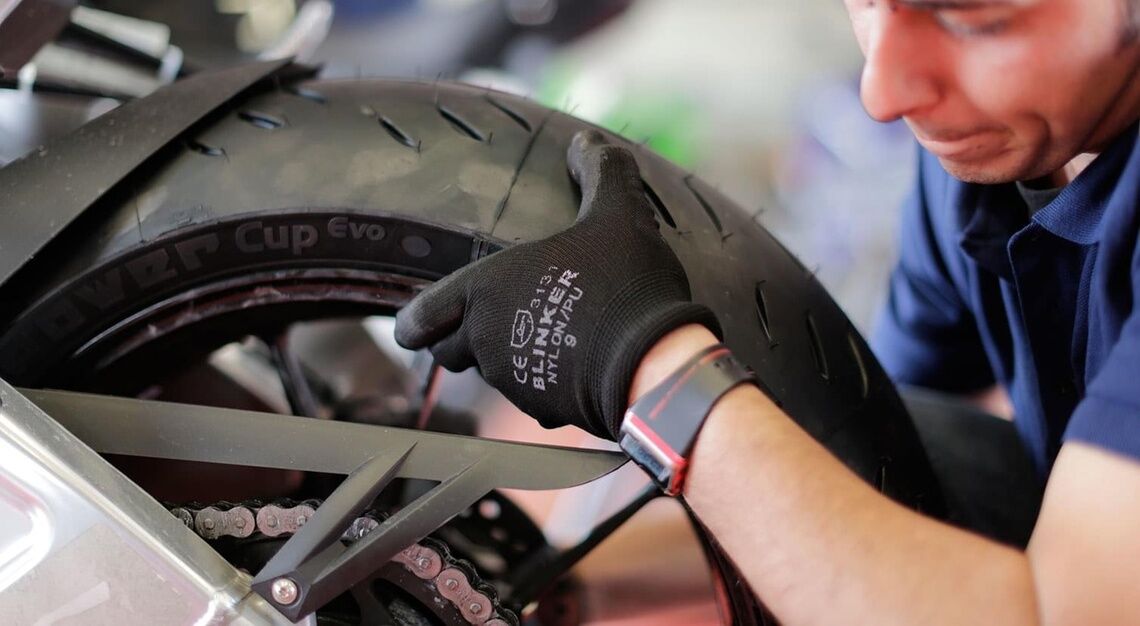
How do I read a tire size?
Your tire sidewall tells you everything relevant to safe replacement. A marking like 120/70 ZR17 58W tells you: 120mm wide, 70 aspect ratio, Z speed category (very high speed), radial construction, 17-inch rim, load index 58, and W confirmed speed rating. The four-digit DOT date code at the end of the sidewall shows when the tire was manufactured: the first two digits are the week, the last two are the year.View more -
Tire speed index and load index
The speed rating on your replacement tire must meet or exceed the maximum speed your motorcycle can reach. Fitting a tire with a lower speed rating than specified means operating it beyond its design limits. The load index must cover the combined weight of the motorcycle, rider, passenger, and any luggage at the maximum loaded condition. Both specifications are in your owner's manual; confirm both before selecting any replacement tire.View more -
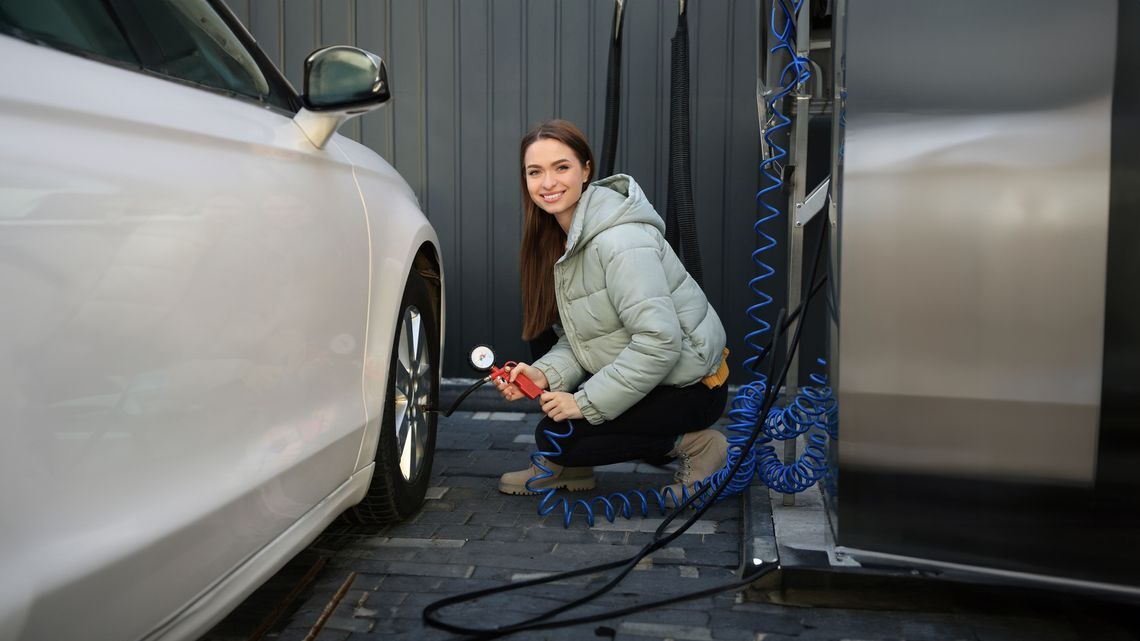
How to Check Your Tire Pressure
Check pressure before every ride, with the tires cold (not ridden in the last few hours). Use the cold pressure from your owner's manual or the vehicle information plate, not the maximum on the tire sidewall. Never bleed air from a hot tire to reach the cold pressure target: when the tire cools, it will be underinflated. Replace the valve cap securely after every check as it forms a secondary seal on the valve assembly.View more -
When should I change my motorcycle tires?
Replace your motorcycle tires when tread reaches the wear indicator, when any structural damage is found (sidewall bulge, cord exposure, cuts through the casing), or when 10 years have passed from the manufacture date on the DOT code, regardless of remaining tread depth. After 5 years of use, Michelin recommends annual professional inspection even if tread looks fine: rubber degrades from ozone, heat, and UV exposure in ways not visible from the outside.View more -
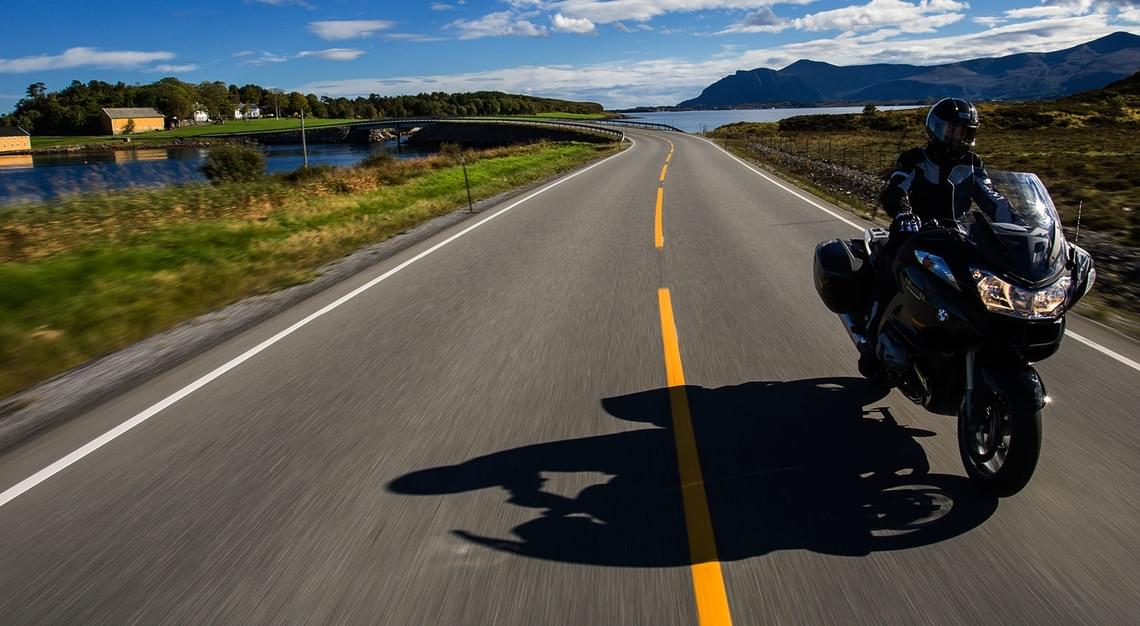
Tips to enjoy your motorcycle trip
Check tire pressure before every ride. On a motorcycle, even small deviations from the correct cold pressure change handling feel in ways that affect both comfort and safety. For the first few minutes of every ride, especially in cold weather, keep lean angles moderate and braking gradual: tires need time to reach operating temperature, and grip is at its lowest in the first several minutes before the rubber warms up.View more -
The right tires for the right usage
A commuter tire is built for durability and wet-weather grip in stop-start conditions. A touring tire prioritizes long tread life and stable highway behavior. A sport tire prioritizes cornering grip and feedback, at the cost of faster wear. An adventure tire balances tarmac and off-road performance across mixed terrain. Fitting a sport tire on a touring bike or a touring tire on a sport bike delivers a worse experience in both performance and value than the correctly matched option.View more -

Off-Road
Correct inflation is essential for the safety and longevity of your tires. A tire gradually loses air over time. It is therefore essential to check its 'cold' pressure before each ride. If the pressure is checked when out on a ride (or soon after), be aware that the air in the tire is 'hot' - In fact, when riding, the pressure increases, so you should never deflate a tire that has just been ridden on.
If the pressure (when tested cold) is lower than the recommended 'cold' pressure, it is essential to replace the missing air. After checking, do not forget to replace the valve cap which is a core part of the seal (along with the valve itself). It is recommended to change the valve assembly and cap each time you remove/replace the tire, as it is key to ensuring the integrity of the whole assembly.View more -
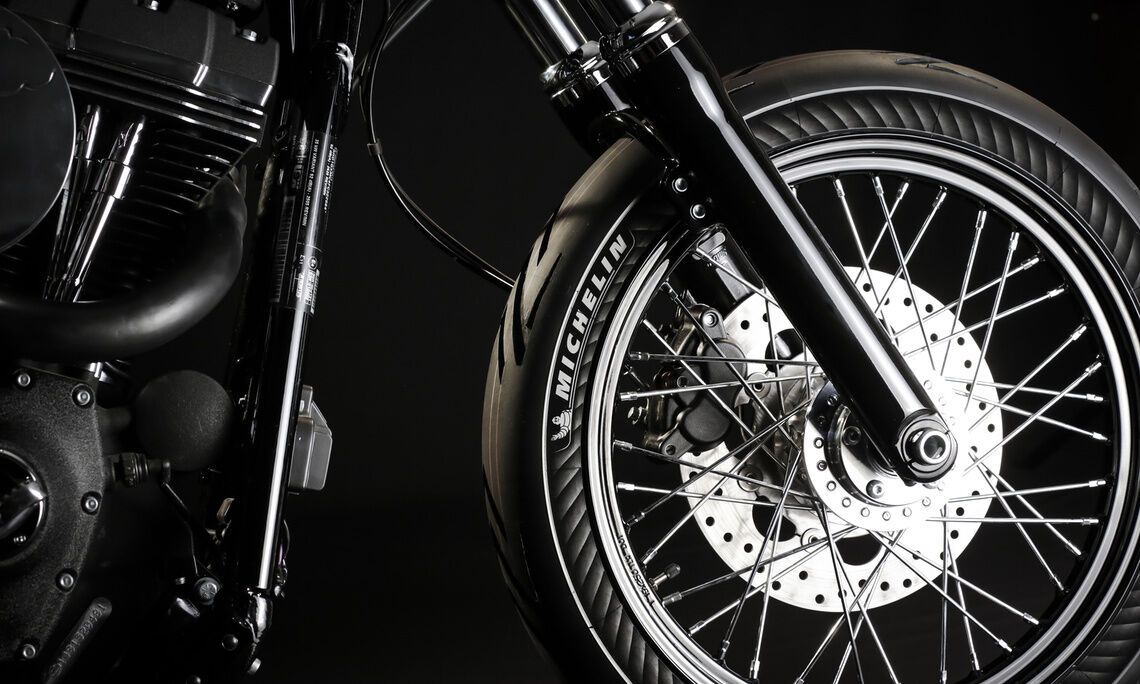
Tire wear and tear
The rear tire wears fastest in the center from straight-line riding. As that center flattens, the transition into corners becomes noticeably less smooth: a change in feel that signals significant wear even if depth still looks adequate in the center groove. Check tread depth at multiple points across the full width of both tires, not just in the center, and use wear indicators and a depth gauge together to get an accurate picture.View more -
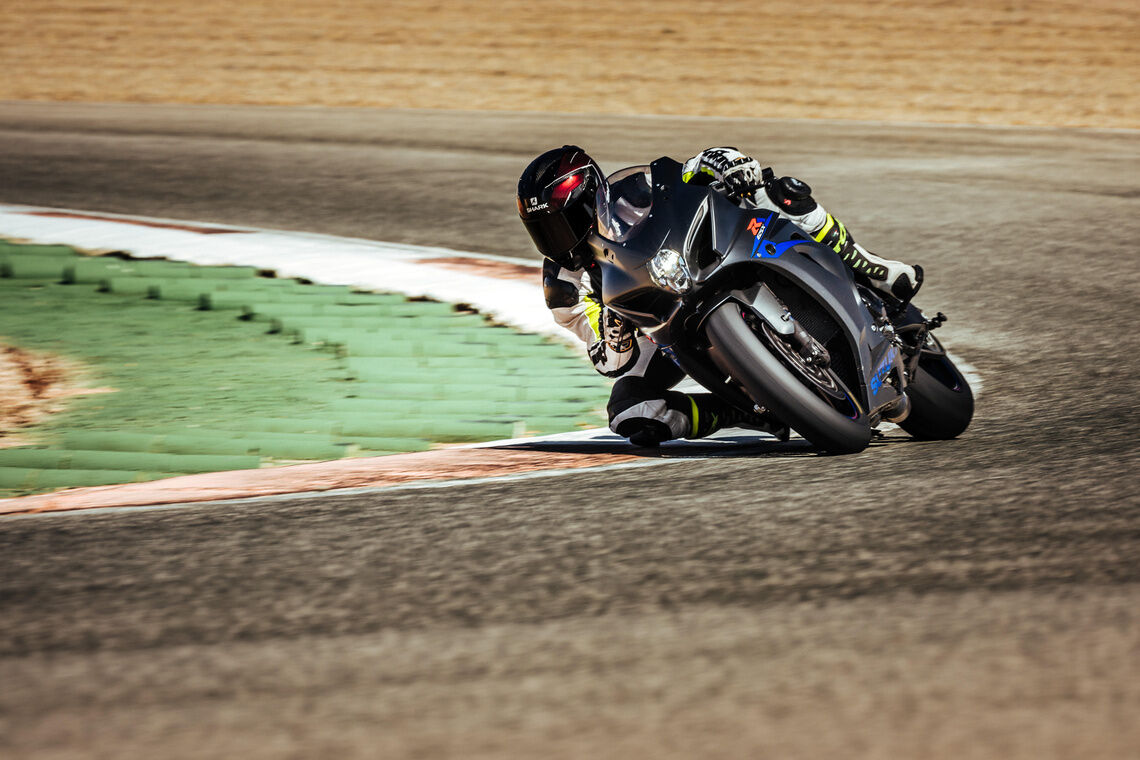
Track Tires Recommended Pressure
Start a track session at the manufacturer's recommended cold road pressure. As the tires warm through the first laps, pressure rises naturally: do not release air mid-session based on a hot reading. Allow a deliberate warm-up period for the first two to three laps, keeping lean angles moderate and braking forces gentle until the tires reach their operating temperature. Only then are the tires delivering the grip they were designed for.View more
TIPS & ADVICE SORTED BY TOPICS
CHOOSE THE RIGHT MOTORCYCLE tire
Need to choose motocycle tires and don't know how? Find out our best advice on how to choose the right tires and accessories, whatever your needs.