Stopping Distances on Snow vs. Ice
In winter, reduced traction affects your ability to get moving, make turns, or stop safely. As a general rule, stopping distance doubles on wet roads, triples on packed snow, and can be up to 10 times longer on icy surfaces.(1)
Your stopping distance depends on three main factors — your speed, the surface, and your tires. Winter tires are built with special rubber compounds that stay flexible in freezing temperatures, allowing them to bite into snow and ice for better stopping power.
Quick Facts on Winter Stopping Distances
Dry pavement: shortest stopping distance.
Snow: takes roughly twice as long to stop.
Ice: can require up to ten times more distance.
Winter tires dramatically shorten stopping distances.
Following Distance Guidance
Keeping space between your vehicle and the one in front is one of the simplest ways to avoid collisions. On dry roads, the “3–4 second rule” works well, but in winter conditions you need much more. On snow- or ice-covered roads, stopping can take 3 to 12 times longer than on dry pavement, so aim for at least 8–10 seconds, or more depending on conditions.(1)
That extra cushion gives you time to react if the driver in front of you brakes or loses control. It’s especially critical in stop-and-go traffic or on highways where speeds are higher and stopping distances increase.
Safe Following Distance Tips
Double or triple your usual following distance in winter.
Leave more room behind larger vehicles like trucks and buses.
Give snowplows and salt trucks plenty of space to operate.
Stop farther back at intersections. Ice often builds up there.
Recovering from Skids on Winter Roads
Even careful drivers can hit a patch of ice and start to skid. It’s not about fault — it’s about how you respond. Staying calm and applying the right technique can help you regain control quickly.
No matter what kind of vehicle you drive, remember: winter tires are essential, even with AWD. They provide the traction needed to prevent skids before they start.
Below are the different skid recovery techniques:
Skid Recovery Techniques
Oversteer (rear tires sliding out)
When the back of your car swings sideways, resist the urge to slam the brakes. Instead, gently steer in the same direction the rear is sliding — steer into the skid. Once you feel traction return, straighten the wheel smoothly to stay on course.
Understeer (front tires sliding forward)
Understeer happens when your car keeps going straight even though you’re trying to turn. Ease off the gas, avoid braking hard, and keep your steering light in the direction you want to go. As grip returns, your car will respond to your input.
Four-wheel skid
When all four tires lose traction, your vehicle will slide forward no matter what you do. Take your foot off both pedals, and if possible, shift into neutral to let the tires roll freely. Keep the steering wheel straight and steady until traction returns, then gradually regain control.
Planning for a Safer Winter Drive
Winter driving is about preparation and patience. By giving yourself more time and space to stop, keeping a safe following distance, and knowing how to react to skids, you can handle slippery roads with confidence.
Your tires are your first and most important line of defense. Michelin winter tires are engineered for cold-weather grip and braking performance, helping you stay safer when temperatures drop.
Learn more about when to install winter tires and how the right choice can keep you moving safely all season long.
FAQ
Go slow and steady. Brake gently in a straight line before entering a turn. If your wheels begin to slide, ease off the brake and reapply gradually once you regain traction.
Smooth, patient movements make all the difference. Lower your speed, increase your following distance to at least four seconds, and avoid sharp turns or sudden braking. And always drive with four dedicated winter tires for maximum traction.
It depends on the skid type. If the rear end slides out (oversteer), steer into the skid. If the front tires lose grip (understeer), lift your foot off the gas and steer gently straight ahead.
Early mornings and evenings are often the riskiest times. Limited light reduces visibility, and refreezing moisture can form black ice — a nearly invisible layer that’s extremely slick and unpredictable.
Driving too fast for the conditions and following too closely are the top causes. On snow and ice, even small adjustments in speed and distance can make a big difference in avoiding an accident.


Find tire dealers near you in seconds
Search among our dealers to find where your tire is available
Related articles
-
Why Winter Tires Are Important
As snow and freezing rain start replacing autumn leaves, it’s important for drivers to prepare for the coldest, most demanding time of year. Here’s your guide to when to install winter tires, how they help on black ice, and why they’re essential for safe driving in regions that experience winter conditions.View more -
Mastering Vehicle Control in Snow and Ice
Winters can be unpredictable, bringing snow, freezing rain, and icy roads that challenge even experienced drivers. Mastering control of your vehicle in these conditions isn’t just about confidence, it’s about safety. Along with equipping your vehicle with proper winter tires, learning the right driving techniques can make a major difference in traction, braking, and handling on slippery roads. Below are three essential areas every driver should keep in mind when navigating snowy and icy conditions.View more -
AWD vs Winter Tires: The Truth About Safety
All-wheel drive alone is not enough for winter safety. While AWD helps you accelerate on snowy roads, it does not help you stop or turn. The truth is, your tires, not your drivetrain, determine how well your vehicle grips the road, brakes, and handles on snow and ice. Even with advanced technology, your vehicle’s only point of contact with the road is its tires. Understanding how tire traction and drivetrain performance work together is key to driving safely when temperatures drop.View more -
Preparing for Winter: How Cold Affects Tire Pressure and When to Switch Tires
Your vehicle is only as safe as its tires. Even the best winter tires cannot perform properly if they are installed too late or are under-inflated in cold weather. Understanding how temperature changes affect tire pressure, and knowing when to make the seasonal switch, are key to staying safe and confident on winter roads.View more -

Expert Winter Driving: Posture, Focus & ESC
Mastering winter driving takes more than just good reflexes. With the right techniques and proper equipment, you can stay calm, confident, and in control. Michelin experts share proven methods to help you drive smarter in cold, slippery conditions, from your posture behind the wheel to using advanced vehicle technology like Electronic Stability Control (ESC).View more -
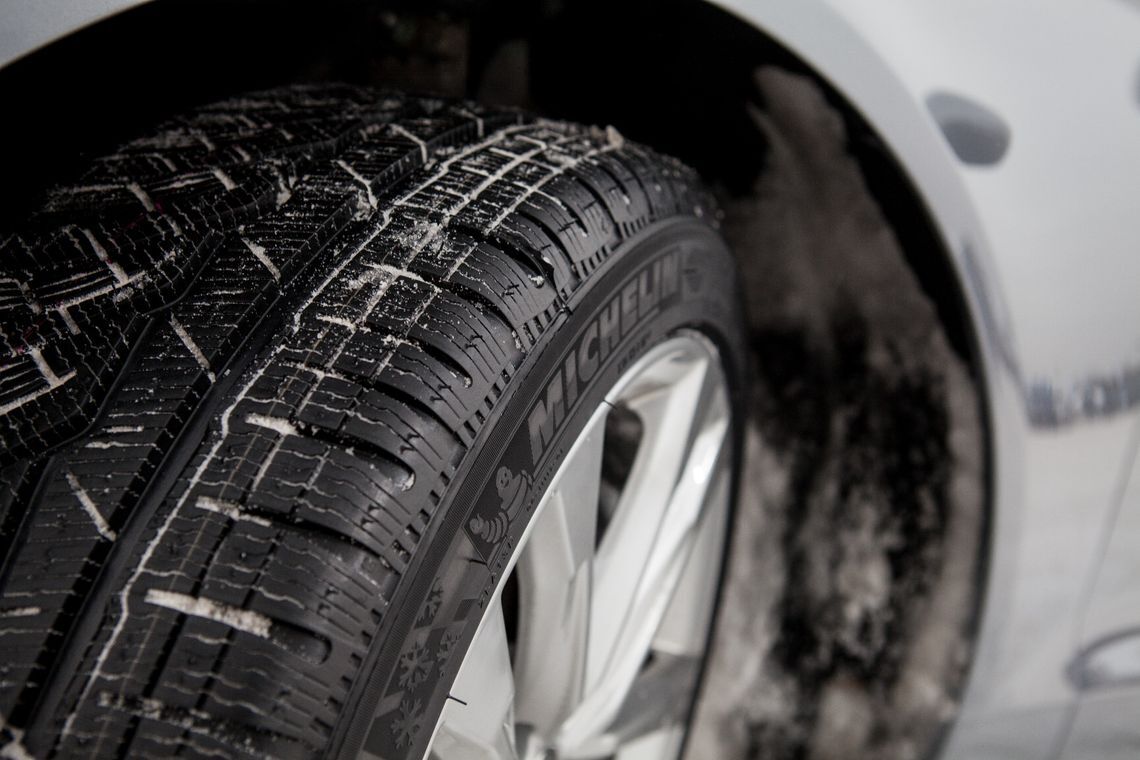
Winter Driving Safety: Tire Storage & Pre-Trip Checks
Safe winter driving does not end when you park your car. How you store your tires, and how you prepare your vehicle before each trip all play a major role in keeping you safe on the road. With a bit of preparation and the right information, you can extend the life of your tires, avoid roadside issues, and drive with greater confidence all winter long.View more -
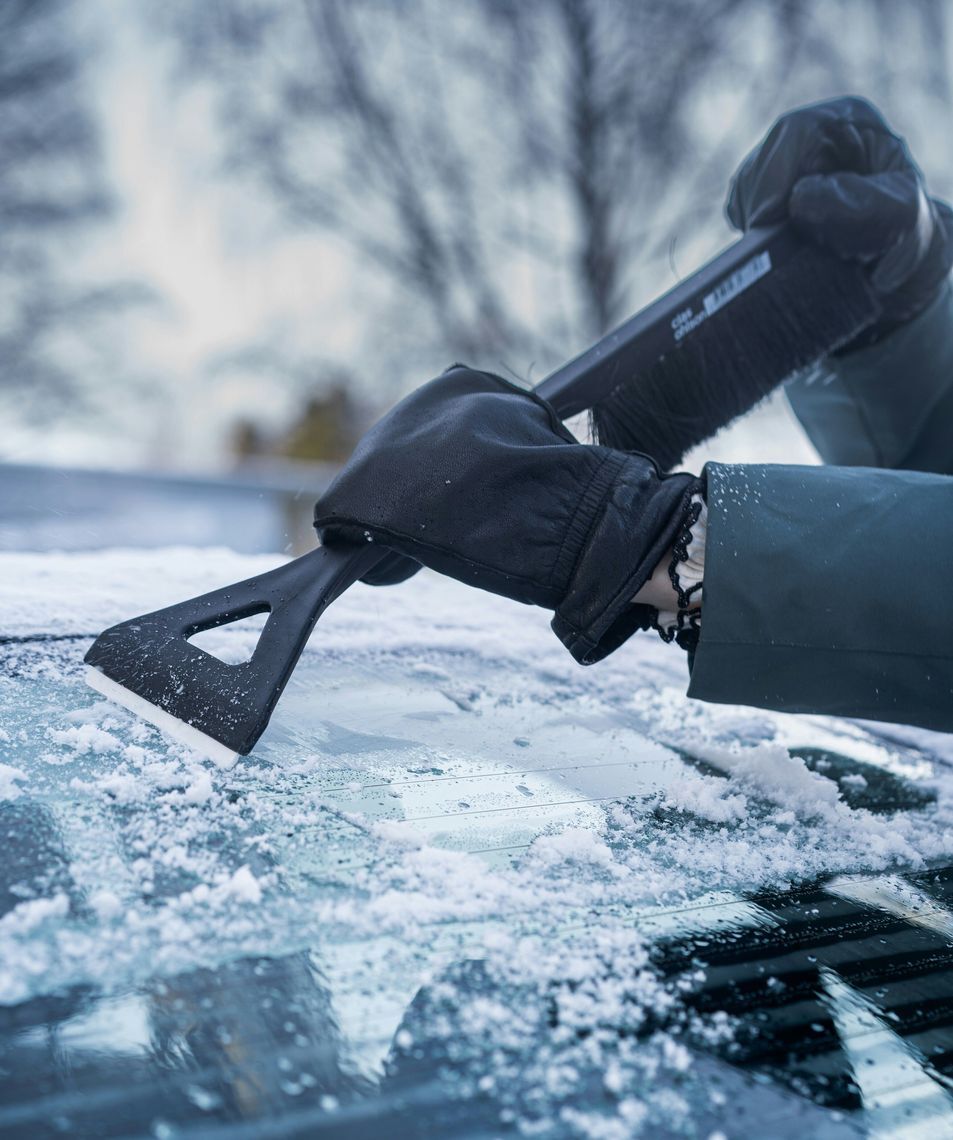
Winterize Your Car: Essential Fluid, Battery & Visibility Checks
Winter weather can be tough on your vehicle, but a little preparation goes a long way. Beyond installing winter tires, your car’s fluids, battery, and visibility systems all need attention before the cold sets in. By winterizing your vehicle, you protect key components from cold-weather stress and ensure a safer, more comfortable drive through snow, ice, and freezing rain.View more