Find Dealers

Related topics

FAQ

Read our Frequently Asked Questions.

Before cold conditions arrive, not when they do. The ideal time is in early autumn — tires should be inspected and winter tires scheduled for fitting before temperatures consistently approach 45°F. Battery health, fluids, and wiper condition should be confirmed while the weather is still manageable to deal with any problems. Building the winter emergency kit before the season means it's ready when needed.

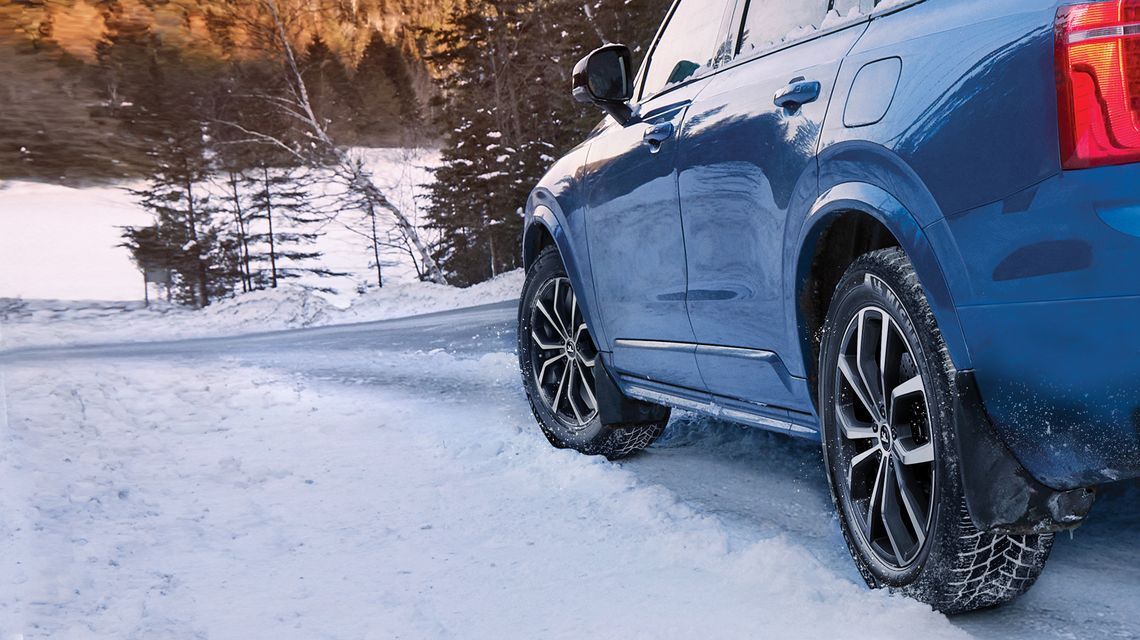
Fitting winter tires at the right time. Everything else — fluid checks, battery tests, emergency kit — matters and should be done. But tires are the vehicle's only contact with the road, and the difference in cold-weather grip between winter tires and all-season or summer tires is the most significant safety variable a driver controls. Get the tires right first.

Check the sidewall marking. All-season tires carry M+S (Mud and Snow) but are not certified for severe winter performance. Tires with the Three-Peak Mountain Snowflake (3PMSF) symbol have passed a standardized severe snow traction test and are appropriate for winter conditions. If your tires only show M+S without the 3PMSF symbol, and you regularly drive in cold conditions with ice or snow, dedicated winter tires are the safer choice.

The key areas to work through before winter:

  • Tires — fit winter tires, check inflation, confirm tread depth

  • Battery — test health; replace if marginal

  • Fluids — winter washer fluid, correct coolant mix, oil viscosity for cold

  • Wipers — replace worn blades; consider winter blades in heavy-snow areas

  • Lights — confirm all exterior lights are working

  • Heater/defroster — test both before you need them

  • Emergency kit — blanket, shovel, traction aids, jumper cables, flashlight, phone charger

Yes. Tire registration with the manufacturer means you receive direct notification if a safety recall is issued. Michelin's registration process uses the DOT code from the tire sidewall. This is particularly worth doing for a set of tires that will be stored and refitted seasonally over several years.

As early as practical in autumn. Tire shops become significantly busier as the first cold weather arrives and drivers who waited start booking in simultaneously. Booking before demand peaks — ideally in September or early October in northern climates — gives more appointment flexibility and allows time to address any other vehicle issues identified during the visit, such as alignment or battery tests, before conditions deteriorate.