Did you know?
Tires play an essential role because they are the only link between the vehicle and the road.
Your tire contact patch is not much bigger than a credit card.
And they have a big job to do!
Transferring the power of the engine to the road
Absorbing the impact of irregular road surfaces
Carrying the load of the whole vehicle
Providing excellent grip on dry and wet surfaces
Meeting the demands of braking and acceleration
Steering by responding to the movements of the steering system
Lasting and ensuring good mileage
Your safety relies on more than just your vehicle and the drivers around you.
It also relies on your choice of tires. For your peace of mind and that of your loved ones, take the time to choose quality tires.
Taking the time to choose the right tires is just as important as choosing your motorcycle or scooter.
How to choose?
It is important to know what you will be using your tires for:
Related articles
-
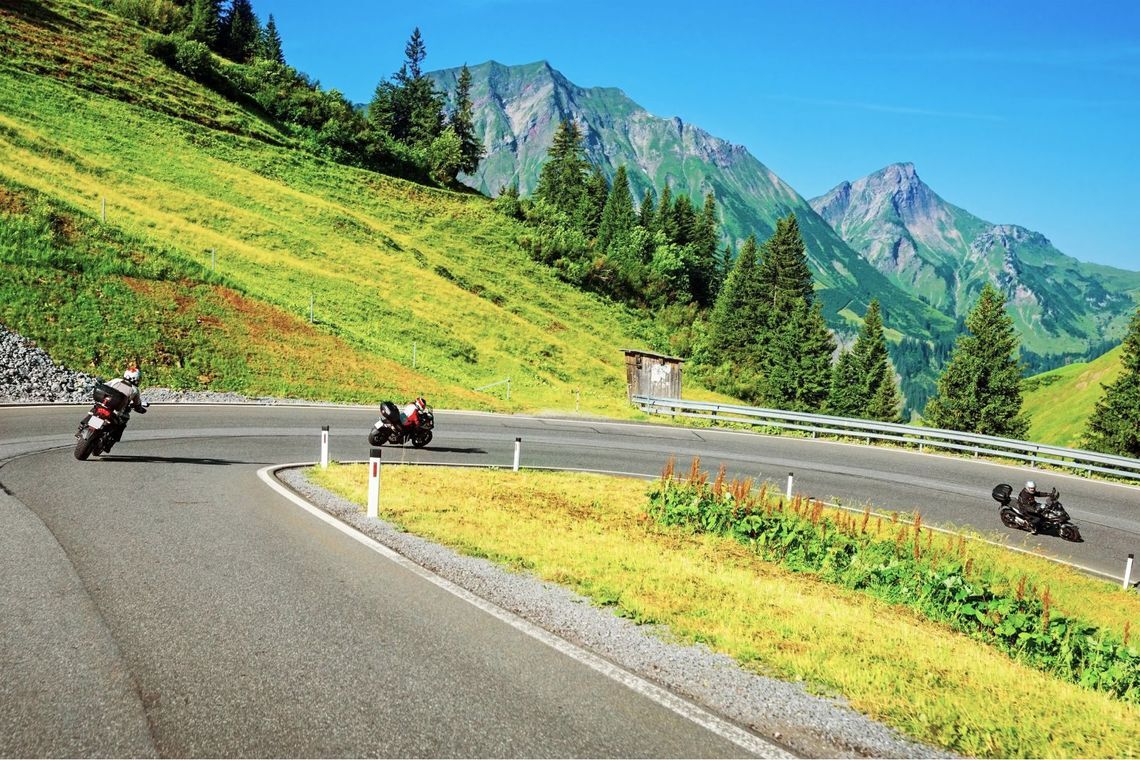
De-winterize Your Motorcycle: Essential Checklist for Spring Riding
Before the first spring ride, check tires (pressure, any flat spots, sidewall cracking, tread depth), brakes (pad thickness, rotor condition, fluid level), chain (lubrication and tension), battery (charge and starting capacity), and all fluid levels. Take the first ride in a quiet, low-traffic area at gentle speed. Test brakes at low speed: light surface rust on the rotors clears with gentle braking. Only after confirming everything works correctly should you venture onto busier roads at full speed.Learn more -

Motorcycle Winter Storage: Essential Tips for Winterizing
Learn more -
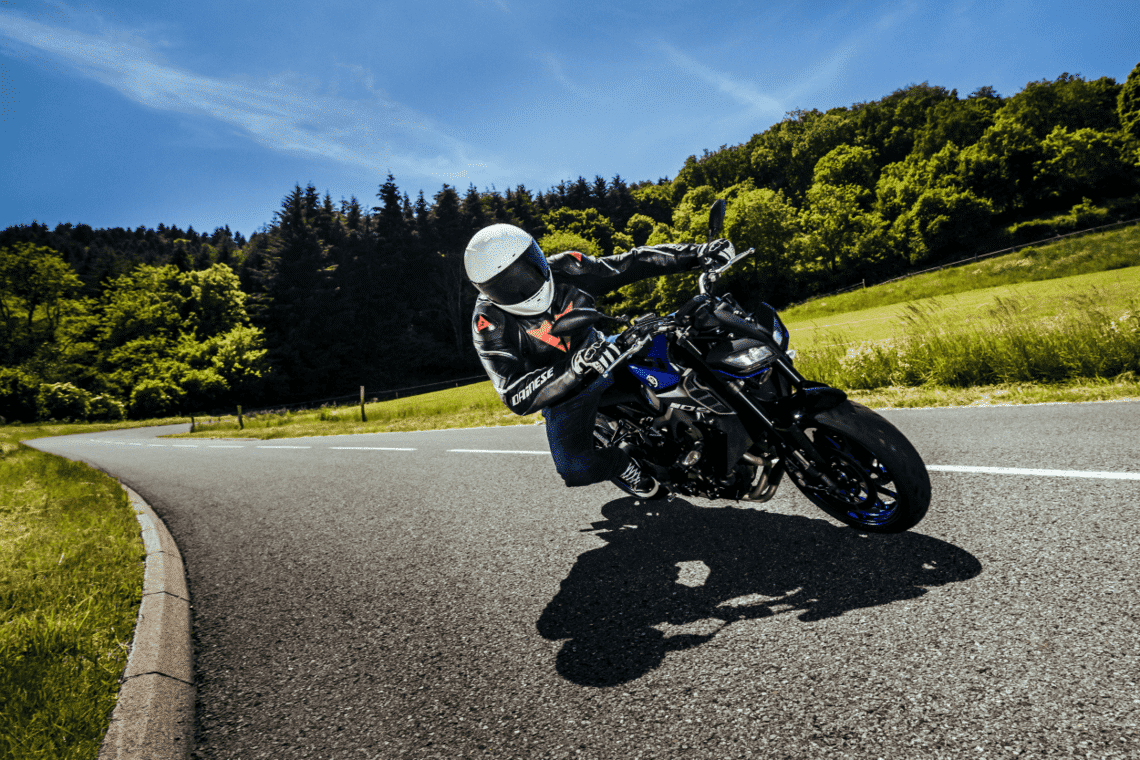
Motorcycle tire tread depth: what is the legal limit?
Each country has its own motorcycle tire tread depth legal limit. In the U.S., federal regulations require a minimum depth of 1/32 inch, but some states, such as New York and Texas, mandate 2/32 inch. What is this limit? What is it for? What are the risks if it is reached? Find the answers in our article.Learn more -
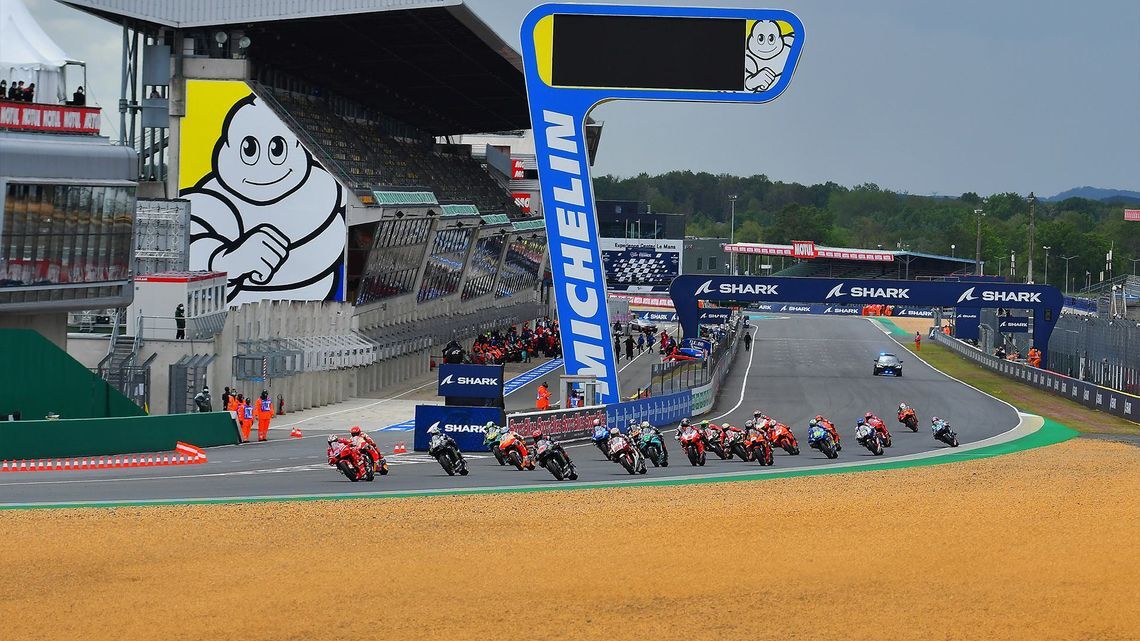
What Is Motorcycle Tire Damage?
You may not have heard of motorcycle tire breakdowns because they are rarely discussed. Yet they are a significant topic for any tire, specifically racing tires, especially if you handle and store them. Why is it important? If the temperature of the tires is not respected, they can suffer severe damage and become unsuitable.
This article will teach you the risks and precautions for motorcycle tire breakdown.Learn more -
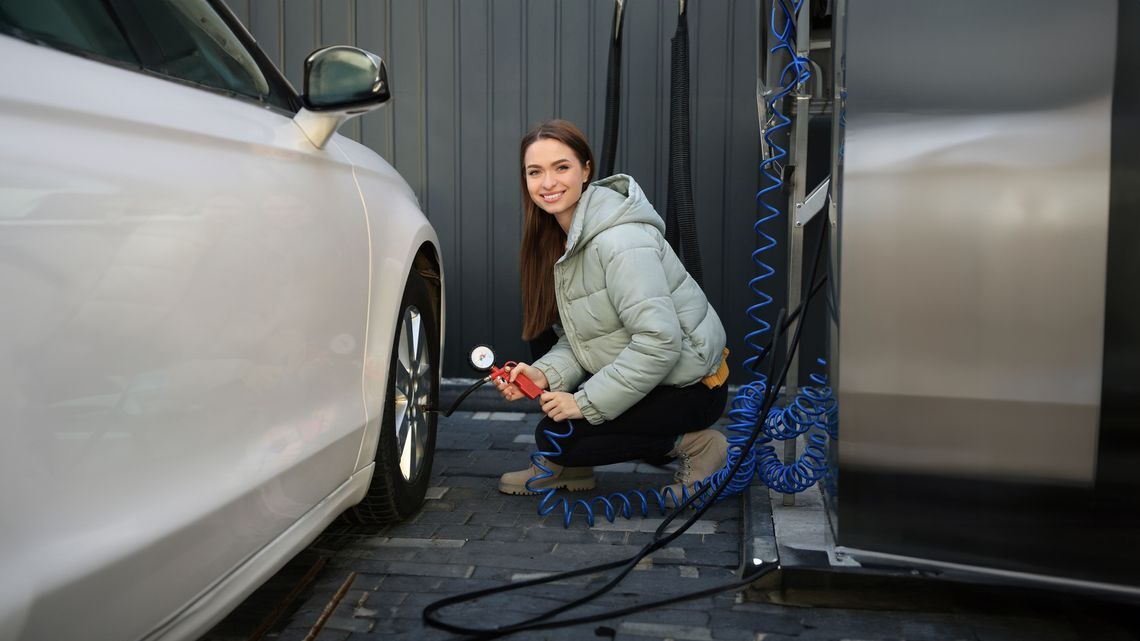
How to Check Your Tire Pressure
Check pressure before every ride, with the tires cold (not ridden in the last few hours). Use the cold pressure from your owner's manual or the vehicle information plate, not the maximum on the tire sidewall. Never bleed air from a hot tire to reach the cold pressure target: when the tire cools, it will be underinflated. Replace the valve cap securely after every check as it forms a secondary seal on the valve assembly.Learn more -

Off-Road
Correct inflation is essential for the safety and longevity of your tires. A tire gradually loses air over time. It is therefore essential to check its 'cold' pressure before each ride. If the pressure is checked when out on a ride (or soon after), be aware that the air in the tire is 'hot' - In fact, when riding, the pressure increases, so you should never deflate a tire that has just been ridden on.
If the pressure (when tested cold) is lower than the recommended 'cold' pressure, it is essential to replace the missing air. After checking, do not forget to replace the valve cap which is a core part of the seal (along with the valve itself). It is recommended to change the valve assembly and cap each time you remove/replace the tire, as it is key to ensuring the integrity of the whole assembly.Learn more -
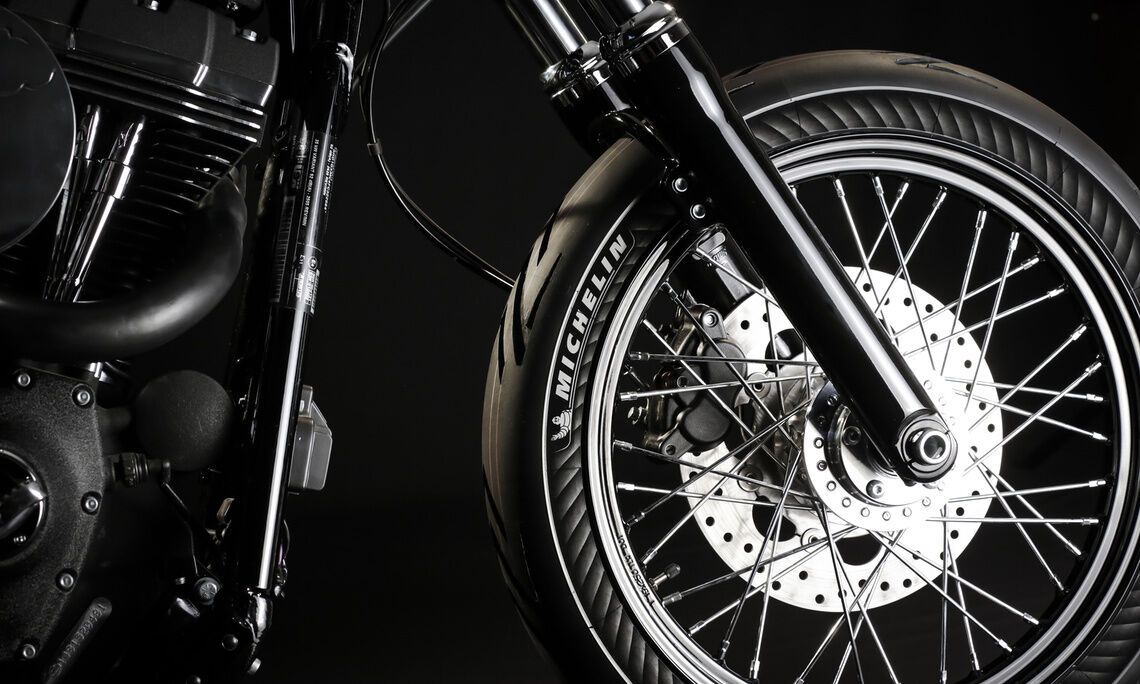
Tire wear and tear
The rear tire wears fastest in the center from straight-line riding. As that center flattens, the transition into corners becomes noticeably less smooth: a change in feel that signals significant wear even if depth still looks adequate in the center groove. Check tread depth at multiple points across the full width of both tires, not just in the center, and use wear indicators and a depth gauge together to get an accurate picture.Learn more -

MOTORCYCLE HANDLEBAR VIBRATION, WOBBLE, AND OTHER HANDLING DIFFICULTIES
Vibration through the bars at specific speeds is most often wheel imbalance: have balance and tire centering checked by a professional. For handlebar wobble (side-to-side oscillation), ease off the grip slightly and reduce speed smoothly without hard braking, then have the motorcycle assessed for tire wear, pressure, and suspension condition. For weave at high speed, decelerate smoothly with no sharp braking or acceleration until the phenomenon reduces. Never grip the bars tighter during a wobble; it typically makes the oscillation worse.Learn more -
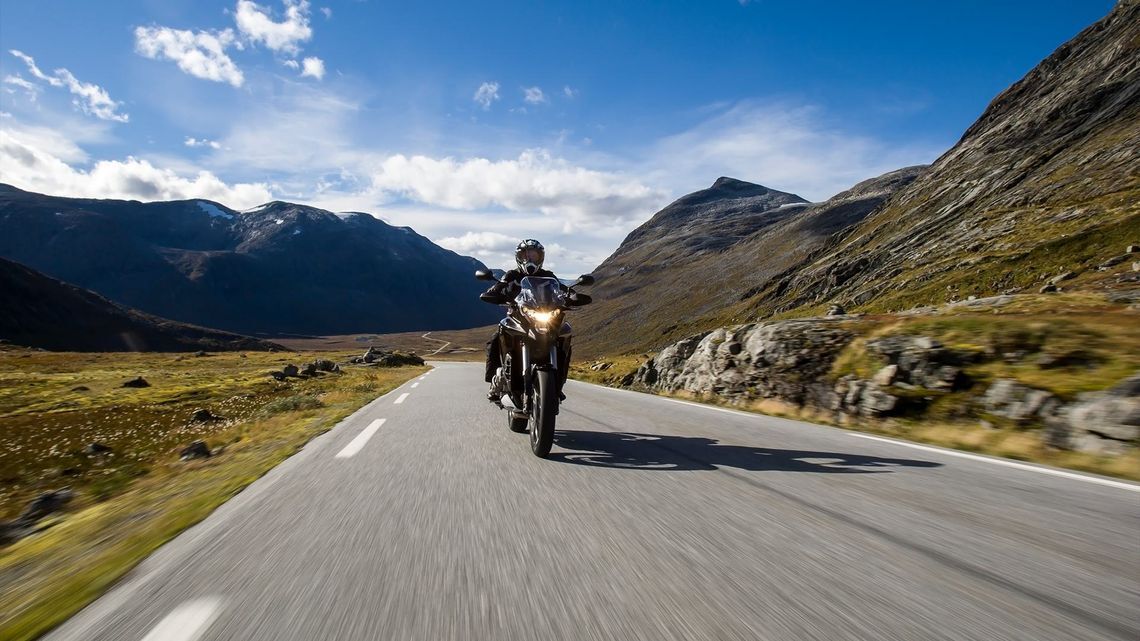
Breaking in new motorcycle tires
Your motorcycle or scooter tires have reached a point where they need to be replaced. Once you've fitted your brand new tires, all you have to do is get on the road. But not just any old way! Your new tires need a break-in period without which the risk of a fall is possible. How to break in new motorcycle tires? Read our tips to get you through this phase without any problems.Learn more -
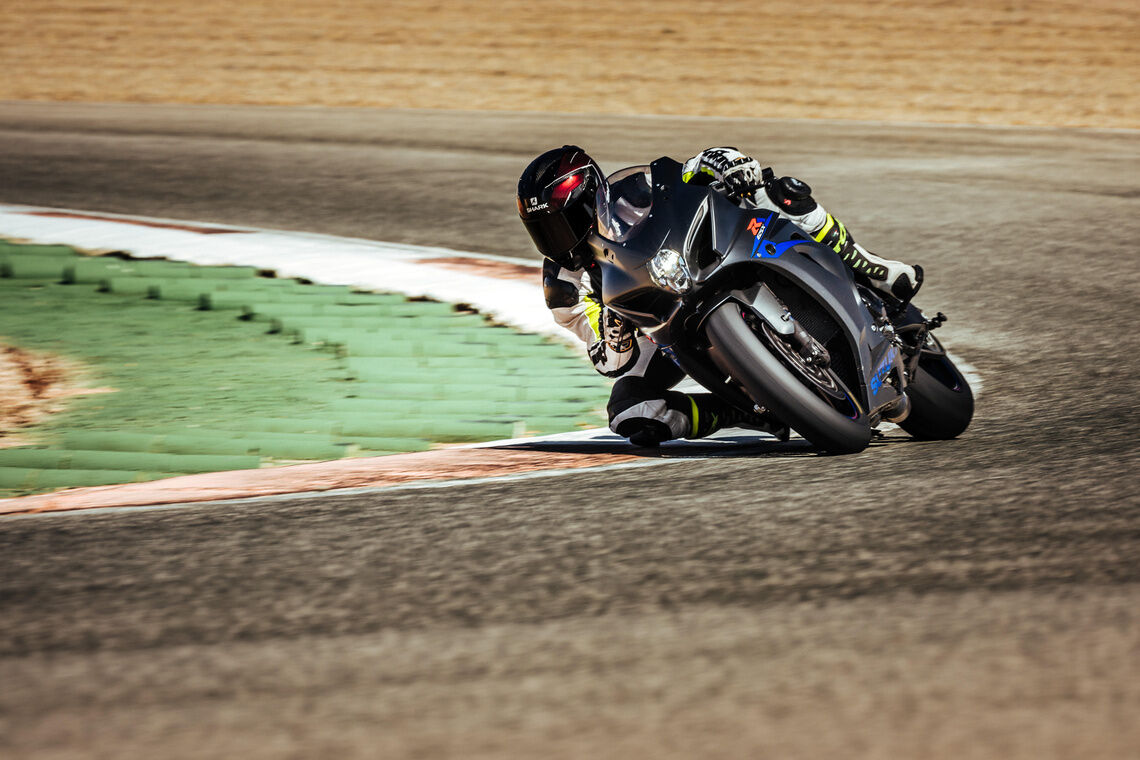
Track Tires Recommended Pressure
Start a track session at the manufacturer's recommended cold road pressure. As the tires warm through the first laps, pressure rises naturally: do not release air mid-session based on a hot reading. Allow a deliberate warm-up period for the first two to three laps, keeping lean angles moderate and braking forces gentle until the tires reach their operating temperature. Only then are the tires delivering the grip they were designed for.Learn more -
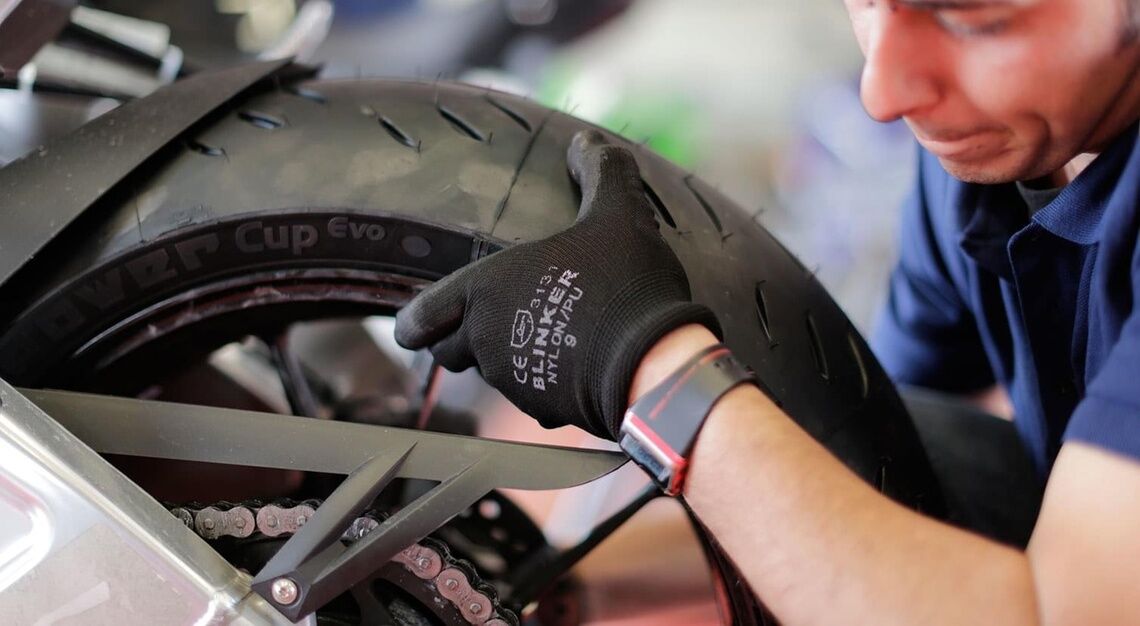
When should I change my motorcycle tires?
Replace your motorcycle tires when tread reaches the wear indicator, when any structural damage is found (sidewall bulge, cord exposure, cuts through the casing), or when 10 years have passed from the manufacture date on the DOT code, regardless of remaining tread depth. After 5 years of use, Michelin recommends annual professional inspection even if tread looks fine: rubber degrades from ozone, heat, and UV exposure in ways not visible from the outside.Learn more