Do electric vehicles need winter tires?
The unique profile of an electrical vehicle has a lot of implications for the choice of tires. An EV’s heavier weight and powerful instant torque exert more stress on tires than a gas-powered vehicle, which has led to a new generation of special tires for electric vehicles. But what about winter? Does an electric vehicle need separate winter tires when the temperature drops?
Obviously, a lot depends on the climate where you live. The main reason to use winter tires on any vehicle is to improve grip and traction when the roads turn slippery. Driving with winter tires on snow or ice can significantly improve braking performance and handling when handling and braking turns problematic.
Regardless of weather conditions, electric vehicles require a longer braking distance for the simple reason that they are heavier than a conventional car because of their battery packs. And instant torque, an EV’s ability to transfer all its power almost immediately to turn a car’s wheels, can easily end up just spinning the wheels when driving on ice.
What does an EV owner need to consider when deciding if they should switch to winter tires in the colder months? What are the advantages of winter tires specifically designed for electric vehicles and what is unique about their design and build?
What are winter tires what do they need to offer an EV in winter?
No matter what the season, the specific traits of an electric vehicle make it harder on tires. On average, EVs tend to wear out their tires faster compared to a conventional car, primarily because of their heavier weight and instant torque, as mentioned above.
Tires well-suited for EVs have been developed to better handle these challenges through the use of more durable tire compounds and tire design. A premium electric vehicle tire has also been engineered for low rolling resistance so that tire friction, how the tire meets the road, does not excessively drain battery range. And special tires for electric cars have been optimized to reduce tire noise, which becomes more noticeable in the relatively quiet operation of an EV.
A winter tire for an electric vehicle needs to do all of these things — offer durability, extended range and a quiet ride — but in more challenging conditions. Plus, it needs to deliver enhanced grip and safety to be able to handle the heavier weight of the vehicle for braking or acceleration on a slippery surface.
How do tire manufacturers add more grip to a winter tire, particularly a winter tire for electric vehicles? The main difference between summer and winter tires is the tire compound. Winter tires are built with softer compounds that enable them to remain flexible in colder temperatures, thus improving traction on the road.
The other difference is in the tire treads and how they are sculpted. The tread blocks contain more sipes, cutaways that increase grip by giving the tire more edges to grab the road. These openings also open up more void areas in the tire, which allows it to better clear rain and snow.
Noise and range in winter tires
When considering whether to use winter tires on your electric car, it is important to understand that adding more grip to a tire makes it noisier and increases rolling resistance. That’s why it is best to choose winter tires that have also been engineered for a quieter ride and an extended range. Premium winter tires for electric vehicles offset the extra grip through advanced technologies to reduce noise and special tire compounds and designs that limit rolling resistance.
Michelin uses piano noise reduction technology across its summer and winter lines to tune the shape of a tire’s tread blocks and grooves. Essentially, unwanted frequencies in a tire noise profile are tuned out or made less noticeable. Some vehicle tires are also equipped with a foam ring inside the tire cavity to further reduce undesirable noise.
To ensure an EV’s range, Michelin winter tires are built with advanced tread compounds and exclusive tread designs that are engineered to reduce rolling resistance. However, given that an EV is harder on tires, it is also important to choose a tire that can stand up to the heavier weight and stress of an EV.
Even if you do fit your EV with special winter tires, you’ll need to plan your drive carefully to get farther on a single charge. Colder temperatures present a lot of challenges to electric vehicle range. Basically, cold slows down the chemical reactions in a battery, which reduces the available energy.
Add to that the need to run the heat and the greater demands on a vehicle to navigate slippery conditions and the end result is a drop in EV range in winter. Simple steps like pre-heating the vehicle cabin while the electric car is still plugged in and driving in eco-mode can somewhat offset how winter tires and winter itself can deplete a battery.
The best winter tires for an electric vehicle
Given the unique profile of a tire and how it impacts range, noise and wear on an EV, an EV-optimized tire has to check a lot of boxes, no matter what the season. An EV tire for winter has to do all of that, plus offer added grip to navigate slippery conditions. The Michelin X Ice Snow tire is an excellent choice for offering the right balance of durable wear, quiet and range, along with enhanced braking capacity and the extra traction needed for peace of mind in winter driving.
For climates defined by the most challenging of winter conditions with icy roads and hard-packed snow, it is sometimes beneficial to switch to studded tires in winter, including on an electric vehicle. The Michelin X ICE North 4 studded tire (available in Canada) offers the ultimate control on ice1 with excellent winter traction. And while studded tires are among the noisiest, Michelin used a mathematical algorithm in the design of the X-Ice North 4 to optimize the noise level.
You should be aware that studded tires mean the car has to work harder, which for an electric vehicle translates to a loss in range. However, when used in heavy snow and ice, studded tires provide optimal traction over studless winter tires. Moreover, the studs minimize rubber wear, which increases durability, always an advantage with an EV. Michelin recommends winter tires, including studded tires, be used in areas where temperatures are regularly below 44°F. EV owners should also consult local regulations about any restrictions on the use of studded tires.
Winter tire maintenance and driving tips
Whether you choose to drive with EV winter tires or use an all-season specialized tire for your electric vehicle, there are a few simple steps you can take to maintain them. Monitoring the tire pressure monthly is the most important, although you should be aware that cold temperatures deflate tire pressure slightly, so they may require extra air in winter. Keeping your EV winter tires correctly inflated and ensuring that they are properly rotated and aligned over a longer winter season will protect them against premature wear.
How you drive can also help maintain your electric vehicle tires, both winter and summer. Eco-driving, smooth acceleration and smooth braking, reduces energy consumption and is especially helpful when driving an electric car in winter when the vehicle’s instant torque can be a challenge on slippery surfaces.
Follow the same procedures to store your electric vehicle winter tires as you would summer tires. Keep them in a cool, dry, dark and ventilated place, away from sunlight and heat sources. It is also a good idea to raise them off the ground to prevent moisture build-up. When to store your winter tires depends on your local weather. Seasonal tires provide optimal grip and performance when used in their designed season. Just like you would not wear snowboots to the beach in the summer, you also don't want to drive with winter tires in warm weather, so make sure to change them out when temperatures rise above 44°F.
Priorities
Choosing the best winter tires for an electric vehicle is similar to a gas-powered car. The guiding criteria is which tires will enhance vehicle traction on snow and ice. The particular traits of an EV, namely its heavier weight and instant torque, make a compelling case for switching to premium winter tires in wintery climates where concerns over safety and winter driving are paramount.
But tire choice is also always about your priorities in what you want from a tire. With an electric car, that usually centers around extended range, reduced tire noise and long wear. For winter driving, grip and safety get factored into the equation. Michelin makes both EV Ready summer and winter tires for electric vehicles that meet all these criteria, but an EV owner needs to be aware of which of these are most important to them so they can make the best tire choice regardless of the season.
For more facts and information about tires for electric cars, visit our FAQ page or our EV Tires page with links to in-depth articles about tires and EVs. Use the Tire Selector module here below to start shopping for the right tire for your vehicle or visit the Shop EV Tires page for an overview of Michelin’s EV-Ready tires.


Find tire dealers near you in seconds
Search among our dealers to find where your tire is available
FAQ
Read our Frequently Asked Questions.
The core requirements are the same — 3PMSF certification, correct load index, and appropriate compound for cold-weather grip. However, because EVs are heavier and have instant torque delivery, the load index and compound durability requirements are more stringent. An EV winter tire also needs to balance the grip-focused compound (which can increase rolling resistance) with range preservation — winter tires specifically engineered for EVs address this through compound and construction design.
Some reduction is expected: winter compounds for grip tend to have higher rolling resistance than summer or all-season compounds, and cold temperatures reduce battery capacity independently of tires. The combined effect varies by vehicle, conditions, and tire choice. EV winter tires engineered to minimize rolling resistance reduce this impact. The safety benefit of winter tires in cold conditions is the primary consideration — plan for reduced range and charging more frequently in winter rather than avoiding winter tires.
If the load index and speed rating match your EV's requirements and the tire fits your wheel, a standard winter tire will work. However, if your EV requires XL or HL load rating, the winter tire must also meet that rating. Check the door jamb sticker for all requirements. EV-optimized winter tires add the benefit of lower rolling resistance and sometimes acoustic foam, but a standard winter tire that meets the load requirements provides the safety benefit of winter traction.
When average daily temperatures consistently approach 45°F — the same threshold as any vehicle. Cold temperatures stiffen all-season tire compounds, reducing grip on cold, dry pavement before any snow falls. EVs are heavier, so the grip reduction from a stiffened compound has a proportionally larger effect on stopping distances. Earlier fitting ensures the EV has appropriate tire performance from the first cold days.
The storage process is the same: clean, dry indoors away from heat sources and ozone generators, ideally in sealed bags. If mounted on wheels, stack horizontally or hang. If unmounted, store upright and rotate occasionally. One EV-specific consideration: the tires may have been running at higher loads than comparable combustion car tires, which may accelerate aging slightly. Inspect them carefully when preparing for remounting.
Regenerative braking applies a deceleration force to the driven wheels. On very slippery surfaces, aggressive regenerative braking can cause wheel lock similar to hard friction braking. Most EVs allow the driver to reduce regenerative braking intensity, which provides more progressive deceleration — easier for the tires to manage on low-grip surfaces. Winter tires improve the grip available for both types of braking, but smooth inputs remain important regardless.
Legal Notices
Related articles
-
Understanding EV Tires
EV tires are not standard tires with a badge. They are engineered for three specific challenges: the added weight of battery packs (which may require XL or HL load ratings not needed on equivalent combustion vehicles), the tread wear caused by instant electric torque delivery during acceleration, and the cabin noise that becomes prominent when engine sound is absent. This page explains each challenge and what to look for when choosing a replacement tire for your EV.View more -
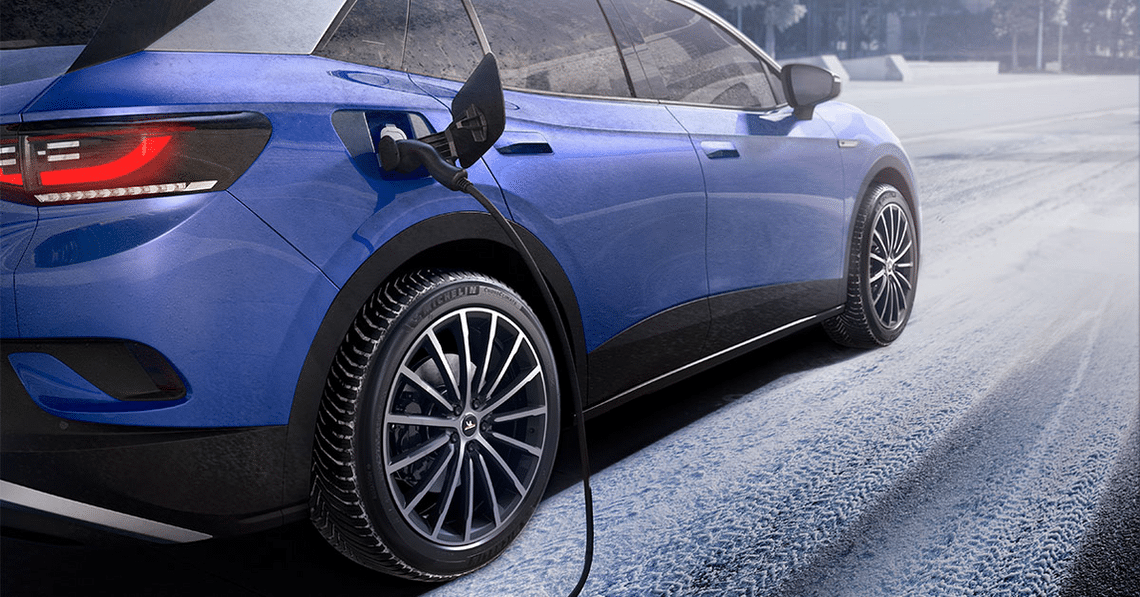
Winter Tire Guide for Hybrid and Electric Cars
Your EV or hybrid brakes on ice the same way any vehicle brakes on the same tires: the drivetrain does not help stopping. Because EVs are heavier than comparable combustion vehicles, their stopping distances on slippery surfaces are longer. Winter tires developed specifically for electric vehicles address this through cold-weather compounds for grip, combined with low-rolling-resistance construction to protect the battery range you are already managing carefully in cold temperatures.View more -

EV Winter Driving With Carl Nadeau
Professional driver Carl Nadeau explains three critical differences for EV drivers in winter: battery weight extends braking distances beyond a comparable combustion vehicle on the same tires; instant torque makes abrupt acceleration far more likely to cause wheelspin on slippery surfaces; and aggressive regenerative braking can cause rear wheel instability on ice. His specific guidance on pressure management, smooth throttle technique, and cold-weather range expectations applies uniquely to electric vehicles.View more -
What are High Load capacity tires?
If your EV came from the factory with tires marked HL on the sidewall, every replacement must also be HL-rated. HL (High Load) tires are engineered to carry more weight than XL tires at the same inflation pressure, developed specifically because some EV battery packs push vehicle weight beyond what existing tire standards covered. Fitting a standard or XL tire where HL is specified means operating the tire beyond its safe load capacity.View more -
Car noise: are electric cars quieter than gas cars?
Your EV removes engine noise but adds nothing to replace it. Tire noise, which you barely notice in a combustion vehicle, becomes the primary sound in the cabin at most speeds. Two sources dominate: tread pattern resonance (sound from air moving through the grooves) and cavity resonance (a low-frequency hum from air vibrating inside the tire itself). Acoustic foam bonded to the inside of the tire is the most effective solution specifically for cavity resonance, the type EV drivers notice most.View more -
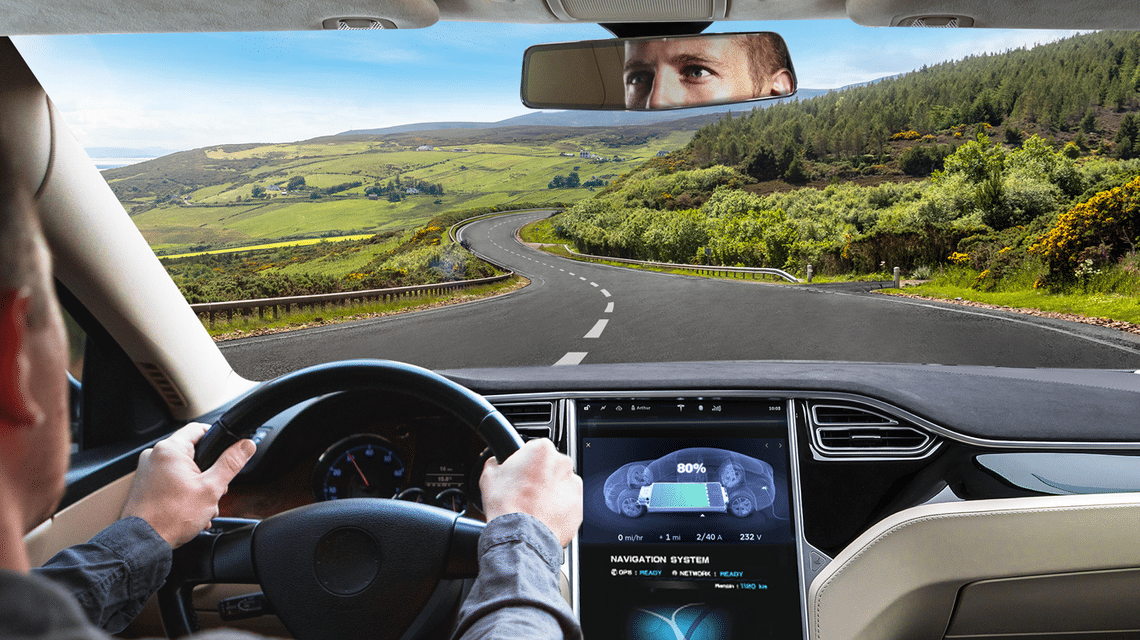
How tires impact your electric vehicle’s range
Every PSI below your vehicle's recommended tire pressure increases rolling resistance, which pulls more energy from the battery and reduces your range. This is one of the most direct and controllable factors in real-world EV efficiency. Tires with low-rolling-resistance compounds extend range further. Keeping tires at correct pressure and rotating regularly to maintain even wear are the two tire habits with the greatest consistent impact on how far your EV travels on each charge.View more -
How to Reduce Tire Wear
EVs wear tires faster than comparable combustion vehicles for two specific reasons: battery weight increases the load on every tire with every mile, and instant torque delivery puts higher torsional stress on the driven tires during acceleration. Rotating tires more frequently than the standard interval, maintaining correct pressure, using smooth progressive throttle inputs rather than hard launches, and choosing tires with compounds developed for EV use all reduce wear rate in measurable ways.View more -
EV Tire Pressure and Maintenance
Do not rely on TPMS to manage your EV's tire pressure. TPMS only alerts when pressure has dropped significantly below the recommended level, not when it has dropped enough to affect range and handling noticeably. Cold weather reduces tire pressure, and underinflated tires on an EV drain the battery faster while accelerating tread wear simultaneously. Check pressure manually at least monthly using the PSI on your door jamb sticker, not the maximum printed on the tire sidewall.View more -
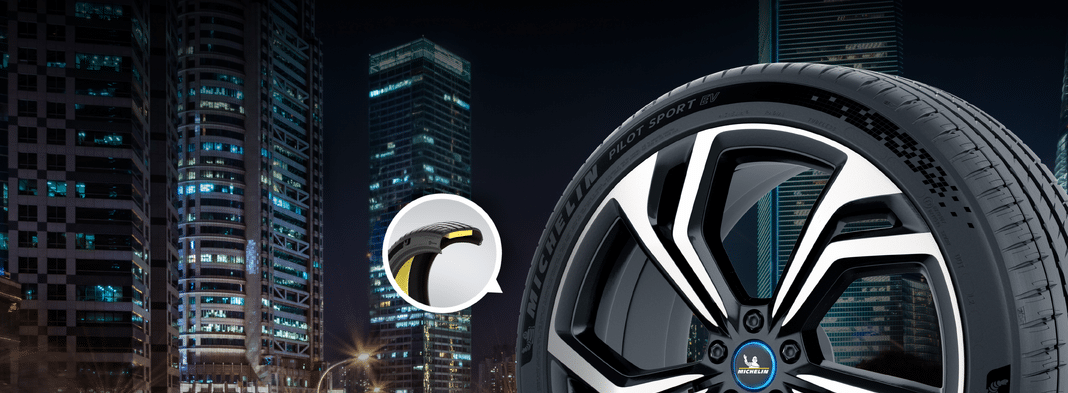
Quiet and Comfortable Ride with EV Tires
The dominant source of tire noise in an EV cabin is cavity resonance: air vibrating inside the tire at a low frequency that transmits through the wheel, axle, and body structure into the cabin. A ring of polyurethane acoustic foam bonded to the inside of the tire absorbs this resonance before it reaches the cabin. Correct inflation also reduces noise: an underinflated tire deforms more, transmits more road vibration, and generates more noise than one correctly inflated.View more -
EV Tire Buying Guide
Start with your door jamb sticker. If it specifies XL or HL, any replacement must carry the same designation. From there, choose based on the priorities that matter most for your driving: range (prioritize low rolling resistance), noise reduction (look for acoustic foam or noise-optimized tread design), or tread longevity (prioritize a durable compound developed for EV use). No single tire maximizes all three equally; know which matters most before comparing options.View more -
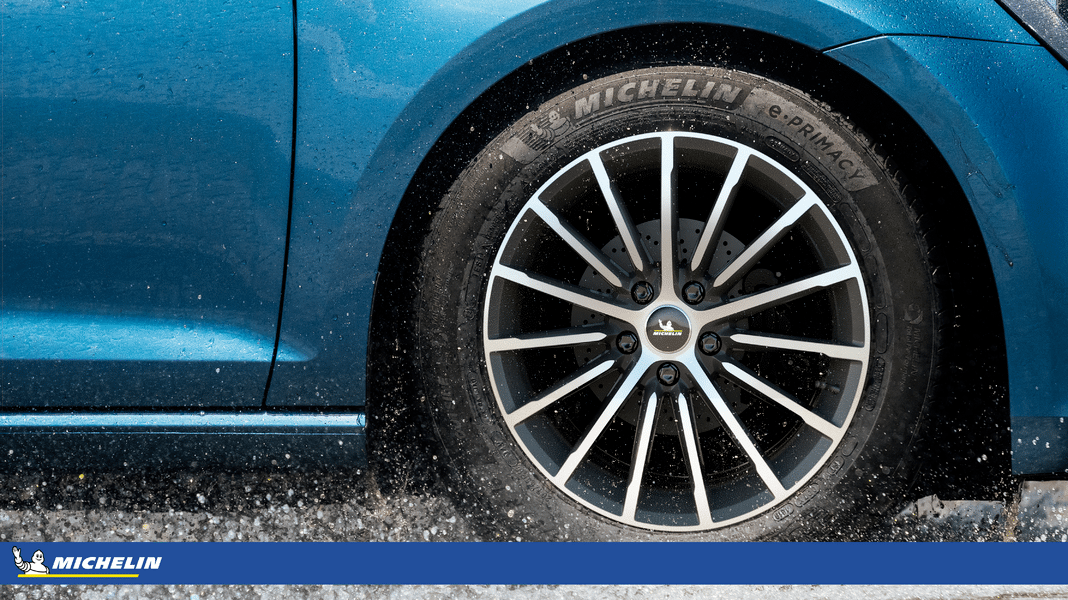
Optimize your EV with tires rated for a higher load capacity
Some EVs require HL (High Load) tires because their battery weight pushes the vehicle beyond what XL tires can safely support at normal inflation pressures. HL tires carry more load at the same pressure through reinforced internal construction. If your vehicle's door jamb sticker or current sidewalls show HL markings, the designation on replacements must match, not just the size. A standard load tire in the correct size does not solve a load capacity requirement.View more -
Plug-In Hybrid Vehicle
Your PHEV has the same tire challenges as a full EV in electric-only mode: battery weight, instant motor torque, and rolling resistance that draws from the battery. In hybrid mode, combustion characteristics add different demands. Low rolling resistance tires extend both electric-only range and fuel efficiency in hybrid mode. Check whether your PHEV specifies XL tires: many do because of battery weight, and replacements must carry that same designation.View more -
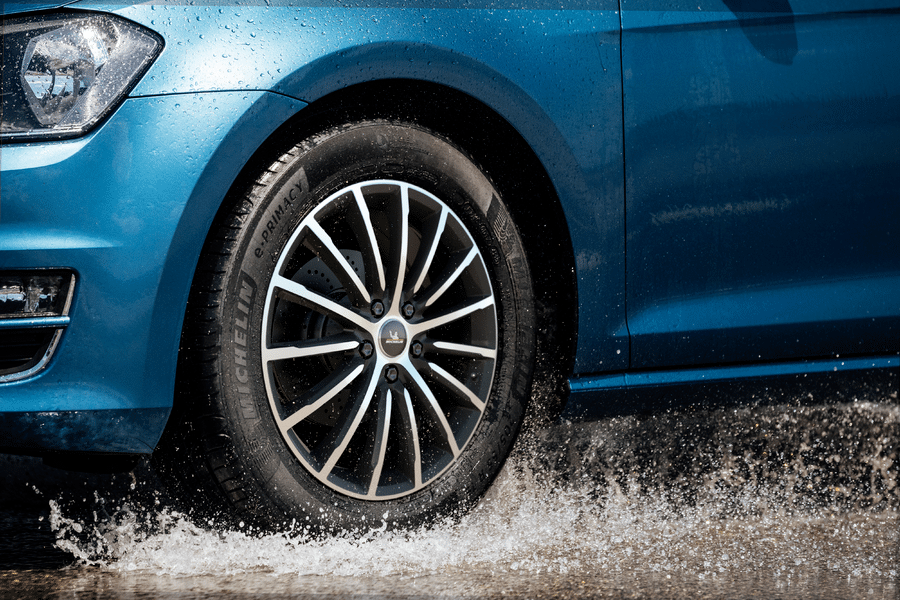
EV in Various Weather Conditions
Cold weather reduces your EV's battery capacity and your tire pressure at the same time: two compounding effects that both shorten range and reduce safety margin. Check pressure more frequently in winter and expect shorter range from the battery. Hot weather raises tire pressure; always check cold and never deflate based on a post-drive reading. Rain matters more on a heavier EV because greater vehicle weight extends braking distances, which makes adequate tread depth more critical than on a lighter combustion car.View more