EV tires for the long run: durability, wear and performance
Tires might very well be the unsung heroes of any car. After all, they have got a hard job, the only part of a vehicle that touches the road and keeps a car rolling. With an electric vehicle, the job of a tire is even more difficult. In fact, EVs are known to be tougher on tires, with studies indicating that tires may wear out faster on electric cars compared to when mounted on gas-powered vehicles.
Why is that? The obvious answer is weight, which largely comes from the EV battery. The other factor is instant torque, which powers an EV’s impressive ability to accelerate extremely fast. These two attributes, part of an EV’s unique profile, result in higher tire wear. However, EV owners have options to ensure that the tires they put on their electric vehicles can go the distance for a good long time. Let’s take a close look at how an EV impacts the durability, performance and wear profile of tires and then consider some options about what EV drivers can do to get the most out of tires for electric vehicles.
Instant Torque
While choosing an electric vehicle over its internal combustion engine (ICE) counterpart is often done out of concern for the environment or saving costs on gas, the excitement of instant torque is also a big draw. Few EV owners and their passengers are immune to the thrill of an electric vehicle’s impressive speed during acceleration.
One way to explain the wows and whoops instant torque usually elicits is to understand how the engine of an electric vehicle works. Torque is used in physics and mechanics, a measure of force needed to make an object spin on its axis. Think of it as a corollary to the push and pull of linear force, with torque being the twist used to move something in a circle. In a car, torque is the “oomph” or pulling power the engine delivers, and the greater the torque, the faster the acceleration.
ICE vehicles have torque, but the rotational force created by a gas-powered engine has to go through a lot of moving parts and processes before it reaches the wheels of a car. First, there’s the little explosion of fuel and air, which drives a slew of pistons, which then turns a crankshaft, which then checks in at a gearbox until finally this energy and force reaches the wheel and turns it along the road. That chain of events literally involves hundreds of parts and requires an ICE engine to “rev up” before it can reach faster speeds.
The electric vehicle, of course, takes a different tact. Its engine is pretty simple in comparison and with a lot fewer moving parts. Press the throttle of an EV and the battery power that action releases is directly transferred to the car’s main rotor and right to the wheels. No revving up, no waiting for the odometer needle to inch up to cruising speed but instead, the much-acclaimed instant torque and fantastic vehicle performance.
Besides blazing acceleration, those far fewer engine parts in an electric vehicle means that significantly less energy is lost to friction. This translates into reduced engine maintenance costs but also one super-efficient machine, especially compared to ICE vehicles. Nevertheless, all that energy instantly being transferred to the wheel is a big reason why electric vehicles can benefit from EV Ready tires.
Weight
If the engine on an electric vehicle is so simple with far fewer parts, why is an EV heavier than a gas-powered car? The EV’s battery is the primary reason, making electric cars heavier than conventional vehicles. And those batteries are only getting bigger as consumers look for electric cars with greater range as an antidote to range anxiety and concerns over how far an EV can get on a single charge.
The new EV battery technology is rapidly evolving to keep up with this demand for long or even ultra-long range. Rather than just keep increasing the battery size and weight, EV carmakers are shifting their focus to wringing more power out of a battery’s energy density. Manufacturers are also using lighter-weight materials to build electric vehicles, such as high-strength steel, polymer composites, carbon fiber and high-tech alloys, which can significantly reduce the overall weight of an EV.
But batteries and electric cars, particularly in the premium segment, have still been getting heavier in recent years. Currently, the average EV battery weight hovers around 1,000 pounds, although that greatly depends on the vehicle. The batteries are lighter in smaller cars but can weigh as much as 2,000 pounds in some of the newer ultra-long-range models.
One added benefit of the greater weight of an electric vehicle is how it provides more stability. That extra battery weight brings the car’s center of gravity lower and makes it much more stable to drive. From a handling perspective, this means electric vehicles can comfortably deal with tight curves even at higher speeds with little body roll and are much easier to drive in wet, icy, or snowy conditions, especially when equipped with the right tires.
Tire design for instant torque and weight
Simply put, instant torque combined with the heavier weight of an EV does increase tire wear. So, what does a tire need to stand up to the heavy-duty, fast-paced personality of an electric vehicle? Michelin has some answers, having spent decades already optimizing tires for long wear and top performance. Now in the era of electric cars, the tire manufacturer is doubling down on that expertise and has evolved the tire wear profile of Michelin tires even further to meet the unique demands of an electric vehicle.
What goes into making an EV tire wear longer? It starts with solid construction, which involves advanced techniques for building an extremely strong, high-performance tire carcass, the backbone of the tire. Michelin tire designers have also made great progress in varying the belt angles of EV Ready tires to optimize the tire’s shape and how it meets the road to take full advantage of the tire’s materials. Here too, Michelin has long been a leader in tire compounds and is applying that know-how gleaned over decades to develop more rigid materials that can handle all the instant torque and weight of an EV without sacrificing range or a quiet ride.
The tread design is the final and perhaps most important part of how to improve tire wear, combining an optimal placement of grooves and patterns in the rubber with the right tread compounds. Michelin’s Evertread™, an advanced generation tread compound, is designed to provide a durable tread life that can handle even the heavy-weight, torqued-up EVs now being released.
The Michelin Defender2 tire relies on the tough durability of Evertread™, along with state-of-the-art tire design and construction, engineered to deliver a long-wearing tire and features an exclusive tread design that Michelin has completely redesigned. The Defender2 tire can provide 2 years of additional treadlife compared to three leading competitive tires.1
Measures to prevent EV tire wear
Choosing EV Ready tires designed for the special profile of electric vehicles is the best way EV owners can ensure that their vehicle tires perform well and last long. But simple maintenance routines also go a long way in ensuring you get the most out of tires for electric cars. Check the tire pressure regularly to make sure you are driving on properly inflated tires and have them periodically rotated and aligned to promote even wear across all four wheels.
It is also often recommended to choose Michelin original equipment OE tires as replacement tires since they were developed to accommodate an EV’s specific traits. However, it is important to understand that EV manufacturers often prioritize low rolling resistance and tire noise reduction when pairing tires with EVs as a way to guarantee a long-range, quiet drive. The design and compounds of these tires favor range and comfort over longevity, so you need to set your priorities about what you expect EV tires to deliver and choose a tire like the Michelin Defender2 tire if you are concerned about tire wear.
Finally, how you drive can also extend the life of your EV Ready tires. The instant torque of an electric vehicle definitely offers an element of thrill and is part of the category’s big appeal. EV performance fans love the speed and excitement of an EV and its blazing acceleration. Still, pressing the pedal to the metal too often can wear down your tires faster, so it is best to enjoy that EV fun factor in smaller doses.
For more facts and information about tires for electric cars, visit our FAQ page or our EV Tires page with links to in-depth articles about tires and EVs. Use the Tire Selector module here below to start shopping for the right tire for your vehicle or visit the Shop EV Tires page for an overview of Michelin’s EV-Ready tires.


Find tire dealers near you in seconds
Search among our dealers to find where your tire is available
FAQ
Read our Frequently Asked Questions.
EVs are heavier and deliver torque more immediately than combustion vehicles, both of which accelerate tread wear. The practical responses are: rotate tires more frequently to distribute wear across all four, maintain correct inflation (underinflation increases wear on the edges; overinflation on the center), drive smoothly — particularly on acceleration where instant torque is most likely to spin the tires — and choose tires with compounds engineered for the extra demands of EV use.
Hard acceleration delivers a large torque spike that causes the driven tires to work against the road surface rather than rolling cleanly over it, scrubbing rubber away. This is particularly pronounced in EVs with instant torque delivery. Gradual, progressive acceleration — using the EV's throttle progressively rather than pressing fully — keeps the tires in rolling contact rather than scrubbing. The same applies to braking: smooth, progressive inputs preserve both tires and brake components.
More frequently than the standard interval for combustion vehicles. The higher wear rate from weight and torque means position-based wear inequalities develop faster. Check your vehicle and tire manufacturer's recommendations — many suggest rotating more frequently on EVs. Inspect tread depth regularly and rotate at the first sign of uneven wear across positions, rather than waiting for the scheduled interval.
Alignment matters for all vehicles, but the consequences of misalignment are amplified in EVs due to the higher wear rate. A misaligned tire on an EV scrubs wear into an already-faster-wearing tire, shortening life significantly. Have alignment checked at least annually and after any impact. The investment in an alignment check is small compared to the cost of prematurely replacing EV tires due to alignment-driven wear.
Yes. Tire compounds engineered to handle the weight and torque profile of EVs tend to wear more evenly and durably under those specific conditions than standard passenger car compounds not designed with EVs in mind. When replacing tires, consider models that are designed or evaluated for EV use — they often use tread compounds specifically formulated for the accelerated wear environment of electric vehicles.
Regenerative braking applies motor resistance rather than friction braking, which means it wears brake pads less but still decelerates through the tires. Under aggressive or abrupt regenerative braking, the deceleration force acts through the tires in a similar way to friction braking. Smooth, graduated regenerative braking — allowing the system to manage the deceleration rate progressively — is kinder to the tires and more efficient for energy recovery.
Legal Notices
1. Based on U.S. Department of Transportation Average Annual Miles per driver (13,500 miles) and Desrosiers Automotive Consultants estimate of annual average kilometers driven in Canada (23,000 km), and on a treadwear test using tires in size 225/65R17 on 2021 Toyota RAV4s. Actual on-road results may vary.
Related articles
-
Understanding EV Tires
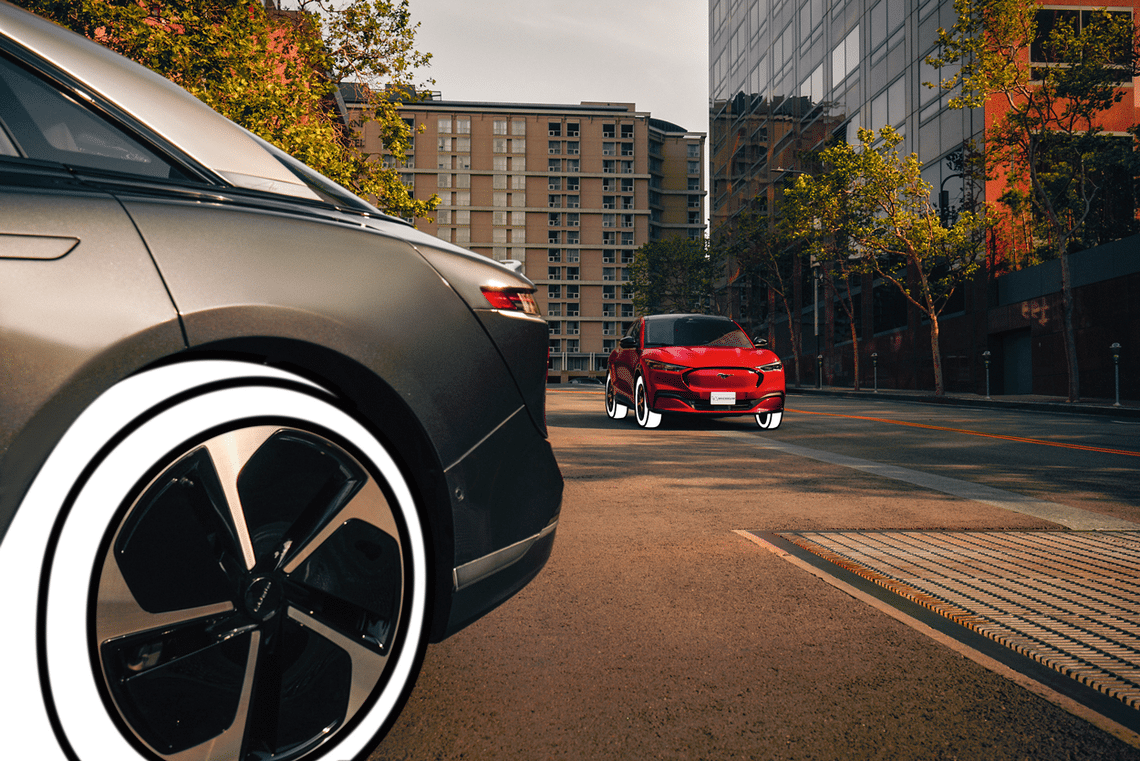
EV tires are not standard tires with a badge. They are engineered for three specific challenges: the added weight of battery packs (which may require XL or HL load ratings not needed on equivalent combustion vehicles), the tread wear caused by instant electric torque delivery during acceleration, and the cabin noise that becomes prominent when engine sound is absent. This page explains each challenge and what to look for when choosing a replacement tire for your EV.View more -
Winter Tire Guide for Hybrid and Electric Cars
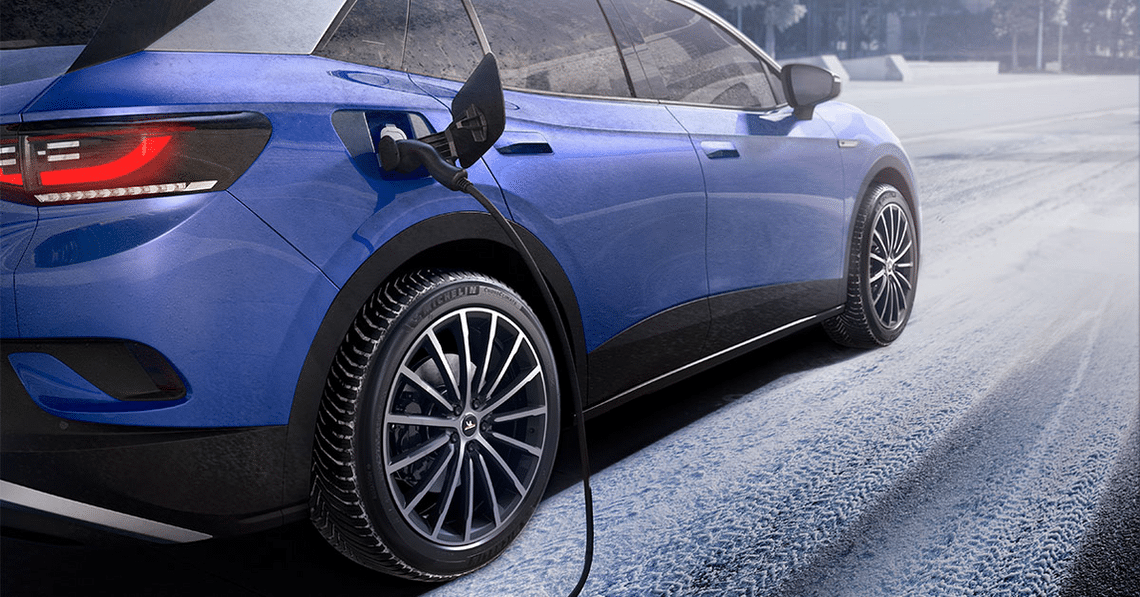
Your EV or hybrid brakes on ice the same way any vehicle brakes on the same tires: the drivetrain does not help stopping. Because EVs are heavier than comparable combustion vehicles, their stopping distances on slippery surfaces are longer. Winter tires developed specifically for electric vehicles address this through cold-weather compounds for grip, combined with low-rolling-resistance construction to protect the battery range you are already managing carefully in cold temperatures.View more -

EV Winter Driving With Carl Nadeau
Professional driver Carl Nadeau explains three critical differences for EV drivers in winter: battery weight extends braking distances beyond a comparable combustion vehicle on the same tires; instant torque makes abrupt acceleration far more likely to cause wheelspin on slippery surfaces; and aggressive regenerative braking can cause rear wheel instability on ice. His specific guidance on pressure management, smooth throttle technique, and cold-weather range expectations applies uniquely to electric vehicles.View more -
What are High Load capacity tires?
If your EV came from the factory with tires marked HL on the sidewall, every replacement must also be HL-rated. HL (High Load) tires are engineered to carry more weight than XL tires at the same inflation pressure, developed specifically because some EV battery packs push vehicle weight beyond what existing tire standards covered. Fitting a standard or XL tire where HL is specified means operating the tire beyond its safe load capacity.View more -
Car noise: are electric cars quieter than gas cars?
Your EV removes engine noise but adds nothing to replace it. Tire noise, which you barely notice in a combustion vehicle, becomes the primary sound in the cabin at most speeds. Two sources dominate: tread pattern resonance (sound from air moving through the grooves) and cavity resonance (a low-frequency hum from air vibrating inside the tire itself). Acoustic foam bonded to the inside of the tire is the most effective solution specifically for cavity resonance, the type EV drivers notice most.View more -
How tires impact your electric vehicle’s range
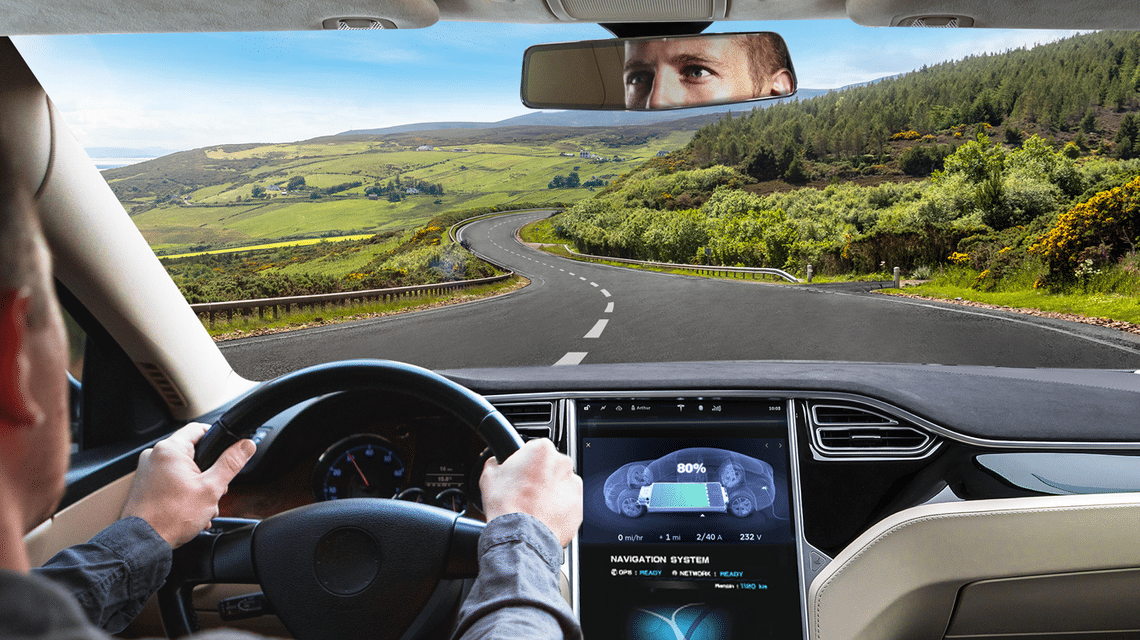
Every PSI below your vehicle's recommended tire pressure increases rolling resistance, which pulls more energy from the battery and reduces your range. This is one of the most direct and controllable factors in real-world EV efficiency. Tires with low-rolling-resistance compounds extend range further. Keeping tires at correct pressure and rotating regularly to maintain even wear are the two tire habits with the greatest consistent impact on how far your EV travels on each charge.View more -
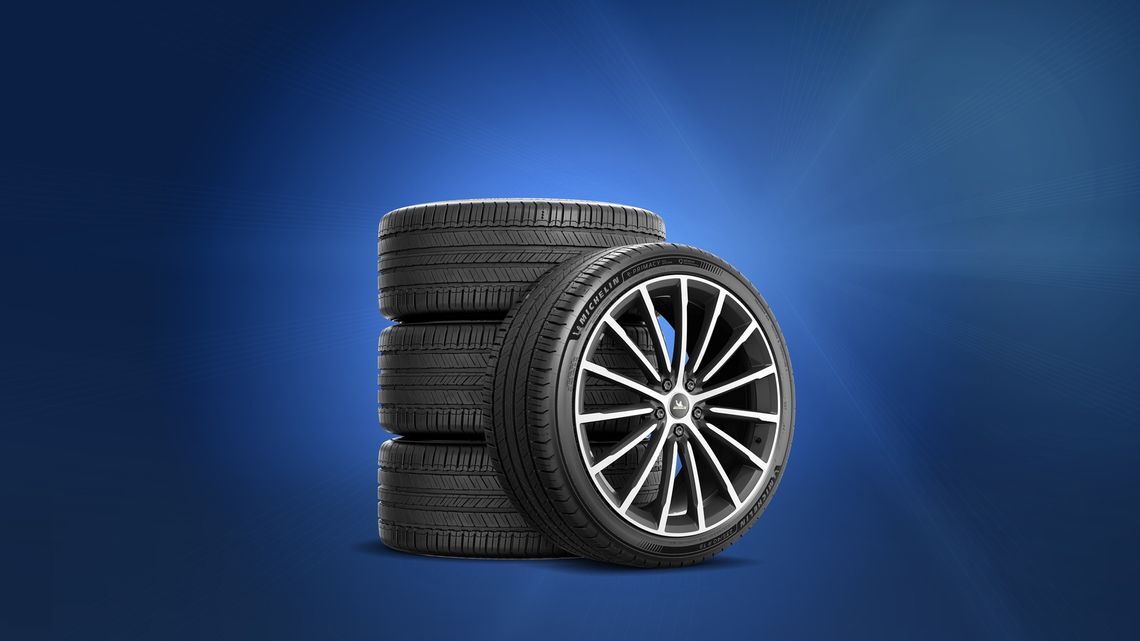
EV Tire Pressure and Maintenance
Do not rely on TPMS to manage your EV's tire pressure. TPMS only alerts when pressure has dropped significantly below the recommended level, not when it has dropped enough to affect range and handling noticeably. Cold weather reduces tire pressure, and underinflated tires on an EV drain the battery faster while accelerating tread wear simultaneously. Check pressure manually at least monthly using the PSI on your door jamb sticker, not the maximum printed on the tire sidewall.View more -
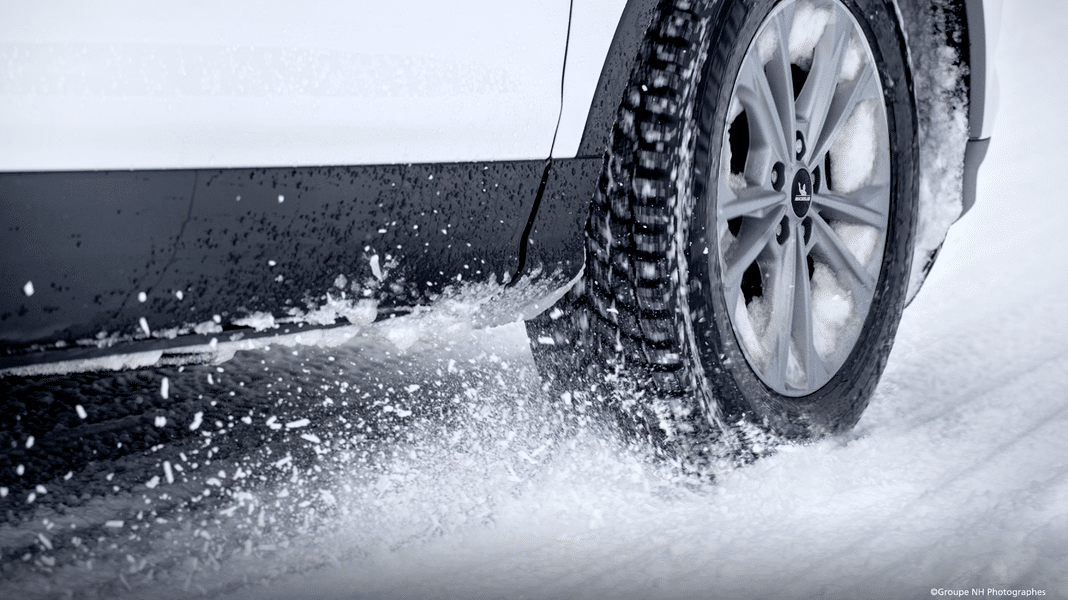
The advantages of using winter tires on an EV
Fit winter tires on your EV when temperatures consistently approach 45 degrees Fahrenheit, the threshold where all-season compounds begin losing grip regardless of whether there is snow or ice present. EV-specific winter tires balance the cold-weather grip of a dedicated winter compound with low-rolling-resistance construction, reducing the range penalty that standard winter tires can introduce. The heavier weight of an EV makes the braking advantage of winter tires proportionally more significant.View more -
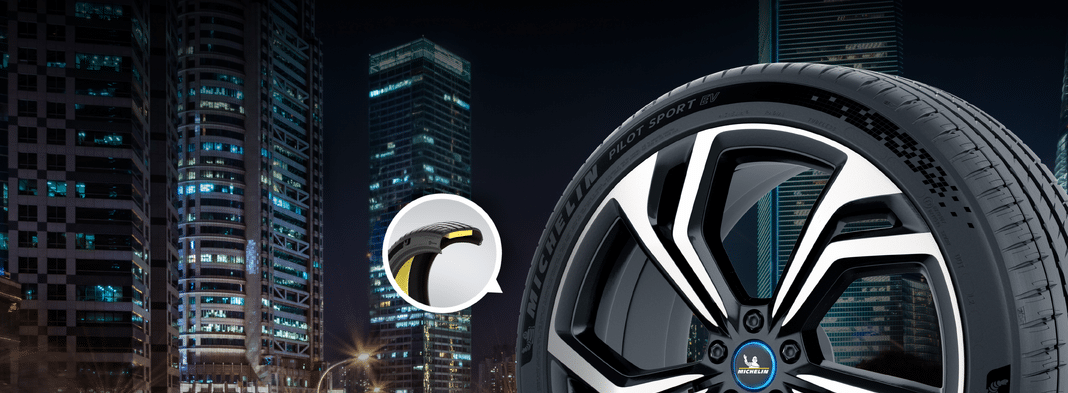
Quiet and Comfortable Ride with EV Tires
The dominant source of tire noise in an EV cabin is cavity resonance: air vibrating inside the tire at a low frequency that transmits through the wheel, axle, and body structure into the cabin. A ring of polyurethane acoustic foam bonded to the inside of the tire absorbs this resonance before it reaches the cabin. Correct inflation also reduces noise: an underinflated tire deforms more, transmits more road vibration, and generates more noise than one correctly inflated.View more -
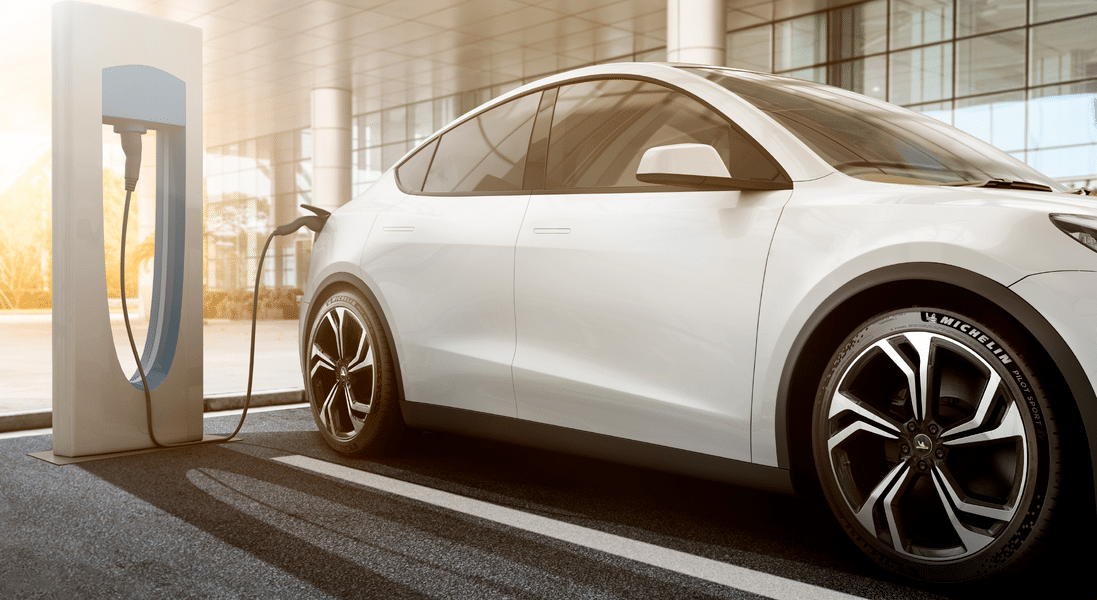
EV Tire Buying Guide
Start with your door jamb sticker. If it specifies XL or HL, any replacement must carry the same designation. From there, choose based on the priorities that matter most for your driving: range (prioritize low rolling resistance), noise reduction (look for acoustic foam or noise-optimized tread design), or tread longevity (prioritize a durable compound developed for EV use). No single tire maximizes all three equally; know which matters most before comparing options.View more -
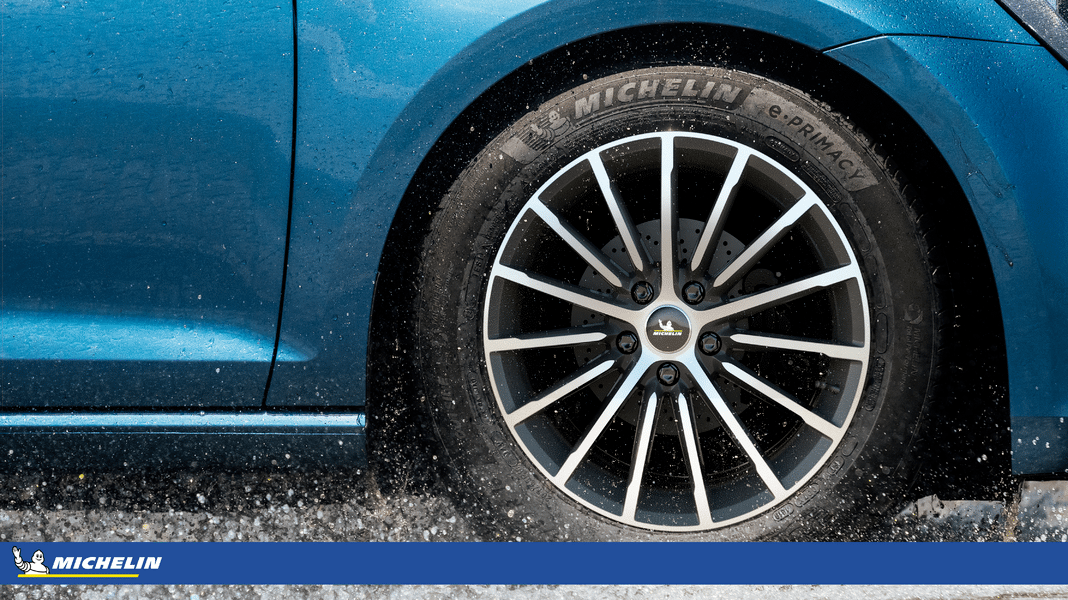
Optimize your EV with tires rated for a higher load capacity
Some EVs require HL (High Load) tires because their battery weight pushes the vehicle beyond what XL tires can safely support at normal inflation pressures. HL tires carry more load at the same pressure through reinforced internal construction. If your vehicle's door jamb sticker or current sidewalls show HL markings, the designation on replacements must match, not just the size. A standard load tire in the correct size does not solve a load capacity requirement.View more -
Plug-In Hybrid Vehicle
Your PHEV has the same tire challenges as a full EV in electric-only mode: battery weight, instant motor torque, and rolling resistance that draws from the battery. In hybrid mode, combustion characteristics add different demands. Low rolling resistance tires extend both electric-only range and fuel efficiency in hybrid mode. Check whether your PHEV specifies XL tires: many do because of battery weight, and replacements must carry that same designation.View more -
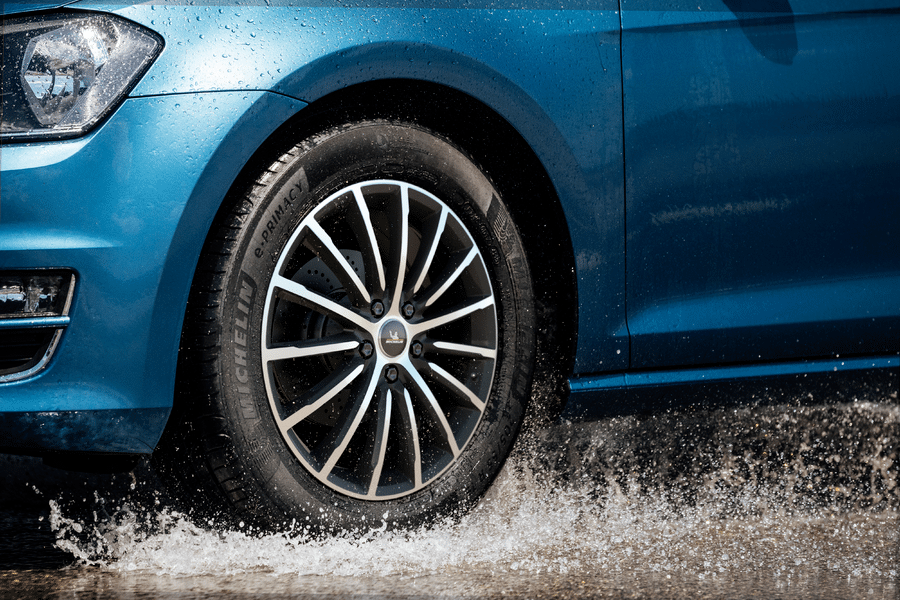
EV in Various Weather Conditions
Cold weather reduces your EV's battery capacity and your tire pressure at the same time: two compounding effects that both shorten range and reduce safety margin. Check pressure more frequently in winter and expect shorter range from the battery. Hot weather raises tire pressure; always check cold and never deflate based on a post-drive reading. Rain matters more on a heavier EV because greater vehicle weight extends braking distances, which makes adequate tread depth more critical than on a lighter combustion car.View more