Why Winter Driving Is So Challenging
Extreme weather: Drivers face snow, slush, black ice, and freezing rain that can appear without warning.
Regional differences: In northern states, heavy snow and freezing temperatures create long-lasting winter conditions. In mountain regions, chain controls are often required on steep passes. Along the coasts, sleet and ice storms can quickly turn roads treacherous.
Step-by-Step Guide: Driving on Ice and Snow
Keep both hands on the wheel to maintain full control.
Slow down before turns, reducing speed in a straight line.
Maintain a steady speed in curves and avoid sudden acceleration.
Steer smoothly; sharp movements increase the risk of losing control.
Brake gradually in a straight line and avoid braking mid-turn.
Increase following distance to 8–10 seconds behind the car ahead.
Recover traction safely: if your wheels lock, release the brake, regain control, then reapply gently.
Avoid lane changes in slush unless the pavement is clear.
Check chain clearance if using tire chains, ensuring proper spacing around the tires.
Seasonal Timing and Tire Preparation
Winter tires are designed for cold, not just snow. Their specialized rubber remains flexible and grippy below 45°F, while all-season tires harden and lose traction on cold pavement.
Tip: Do not wait for the first snowfall. Cold temperatures alone can affect tire performance.
Learn more in our guide on Winter Tire Timing & PSI Tips.
Preparing Your Vehicle
Before the first major freeze, make sure your car is winter-ready. A few simple checks can help prevent breakdowns and improve safety.
Tires and brakes: Use tires with the Three-Peak Mountain Snowflake (3PMSF) symbol and maintain correct pressure.
Fluids and visibility: Refill with winter-rated washer fluid, replace wiper blades, and clear all exterior lights.
Battery and heating: Cold temperatures reduce battery power. Test your battery and check your heater and defroster.
Emergency kit: Keep essentials like a blanket, shovel, flashlight, and traction aids in your vehicle.
For more details, visit our Vehicle Winter Prep Checklist.


Find tire dealers near you in seconds
Search among our dealers to find where your tire is available
FAQ
Read our Frequently Asked Questions.
Having the right tires fitted before snow arrives. Winter tires make the most significant difference to traction, braking, and control in cold and snowy conditions — more than any driving technique. Install them when average daily temperatures consistently approach 45°F, not when the first snow falls. Beyond tires, clear all snow and ice from the entire vehicle before driving — roof, hood, mirrors, and lights — not just the windshield.
Apply the brakes earlier and more gently than you would on dry road. On slippery surfaces, the friction available for braking is much less, so stopping distances are longer. In a vehicle with ABS, firm pressure on the brake pedal allows the system to manage wheel lock. Without ABS, threshold braking — applying pressure just before the wheels lock — is more effective than pumping. The key in either case is to brake in a straight line before a corner, not during or after turning into it.
Look and steer where you want the vehicle to go, not where it's currently heading. In a front-wheel skid (understeer), ease off the accelerator and give the front wheels a moment to regain grip before steering. In a rear-wheel skid (oversteer), steer gently in the direction the rear is sliding to correct the yaw. Avoid sudden inputs in either case — overcorrection is a common cause of a slide becoming a spin. Smooth, deliberate movements recover control more reliably than panic reactions.
No. AWD and 4WD help the vehicle accelerate on snow by putting power to more wheels, but they have no effect on braking or cornering, which are purely tire functions. An AWD vehicle on standard all-season tires brakes on ice using the same contact patch as any other vehicle. Many AWD drivers overestimate their vehicles' capability in snow precisely because it feels more confident accelerating, and then find braking and cornering performance no different from a two-wheel-drive car. Winter tires on all four wheels make a far greater difference to total vehicle control.
Significantly more than dry conditions — the exact amount depends on speed, surface, and vehicle, but the principle is to allow enough space that you can stop completely if the vehicle ahead stops suddenly. On packed snow or ice, even a well-maintained vehicle with good winter tires needs far more distance to stop than it would on dry pavement. When in doubt, more space is always safer. If the traffic situation doesn't allow adequate following distance, reduce speed until it does.
At minimum: a snow brush and ice scraper, a small shovel, traction aids (sand, cat litter, or traction mats), a blanket, a flashlight, a phone charger, and water. In remote or mountain areas, add extra warm clothing and food. These items address the most common scenarios — getting stuck, waiting out a storm, or a breakdown in cold conditions. A first aid kit is worth keeping in the vehicle year-round regardless of season.
Related articles
-

Driving At Night
Your headlights at normal speed illuminate less road ahead than the distance you need to stop if something appears in that range. Reduce speed so you can stop within what you can see. At night, clean headlights, correctly inflated tires for maximum braking grip, and adequate tread depth for shorter stopping distances are the three vehicle-side factors with the most direct impact on nighttime safety.View more -
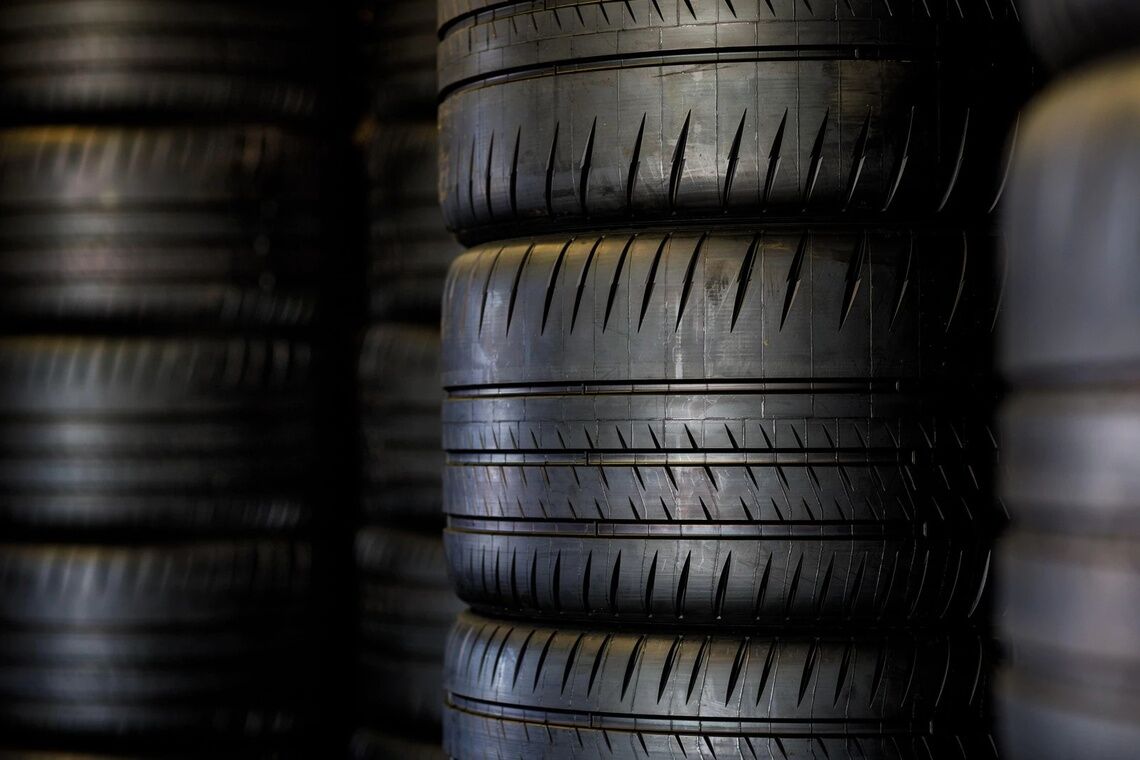
Driving in Fog
High beams in fog make visibility worse, not better: the light bounces off the water droplets and back into your eyes. Use low beams or dedicated fog lights, reduce speed significantly beyond what feels necessary, and leave following distance based on time rather than visual estimation of distance. Navigate by road markings rather than by the tail lights of the vehicle ahead, which can lead you too close without realizing it.View more -
Driving in High Winds
On exposed roads or bridges in high wind, keep both hands firmly on the wheel and avoid sharp steering corrections in response to gusts. Overcorrecting after a crosswind gust causes as much instability as the gust itself. Tires at correct pressure maintain better lateral contact stability in crosswinds than underinflated tires. If conditions are severe, reduce speed and maintain extra lateral distance from large vehicles, which create turbulence that amplifies crosswind effects.View more -

Driving in Mud
The key to driving through mud is maintaining momentum without spinning the wheels. Spinning digs you in faster than anything else. If stuck, do not spin: place traction aids under the driven wheels, attempt a gentle rocking motion forward and back, and try to move on the first attempt with smooth, progressive throttle. This page covers both the specific driving technique for muddy surfaces and the tire tread characteristics that provide the best traction in soft conditions.View more -
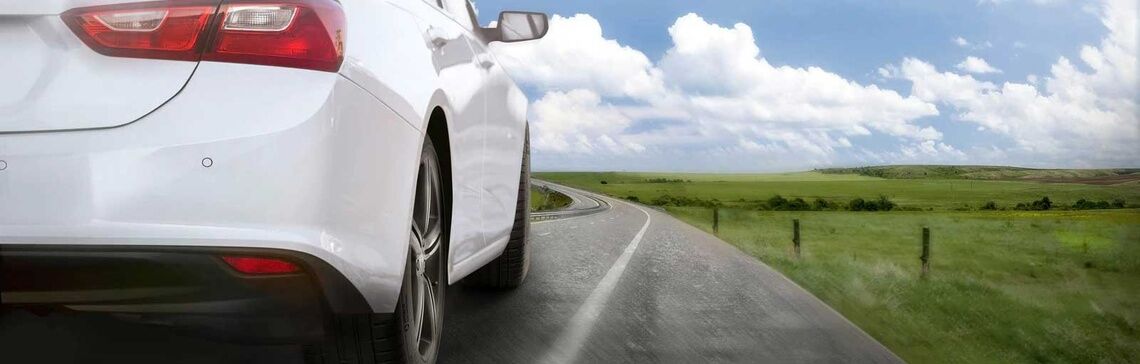
Driving on the Highway
Sustained highway speed generates more heat in your tires than urban driving. An underinflated tire builds heat faster than a correctly inflated one at the same speed, which increases the risk of structural failure over a long journey. Check pressure before any long highway trip, particularly in summer when ambient heat adds to the load. Also inspect tread depth before a motorway journey: a tire near the wear limit is significantly less capable at speed than at lower urban speeds.View more -

Driving in the Mountains
On long mountain descents, use engine braking by downshifting to a lower gear rather than riding the foot brake continuously. Brake fade from overheated brakes is a real risk on repeated descents, and engine braking reduces the load on the brakes significantly. Temperatures drop with altitude; if you are driving into a mountain area where conditions will be substantially colder than where you departed, confirm your tires are appropriate for those lower temperatures.View more -

Preparing for Winter: How Cold Affects Tire Pressure and When to Switch Tires
Your vehicle is only as safe as its tires. Even the best winter tires cannot perform properly if they are installed too late or are underinflated in cold weather. Understanding how temperature changes affect tire pressure, and knowing when to make the seasonal switch, are key to staying safe and confident on winter roads.View more -
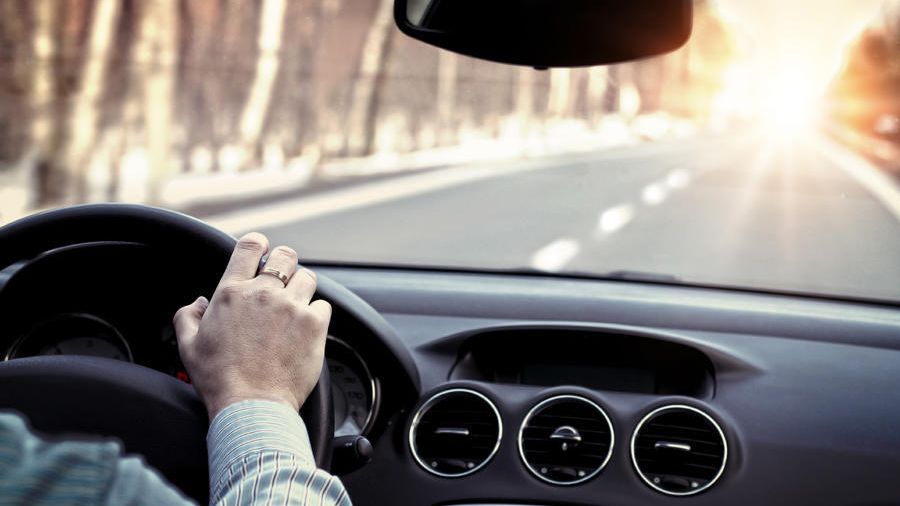
Fatigue Driving
At measurable fatigue levels, driving impairment is comparable to impairment from alcohol. Coffee and fresh air delay the onset of fatigue but do not cure it. The only effective remedy is rest. On journeys over two hours, plan a stop regardless of how alert you feel: fatigue onset is gradual and drivers consistently underestimate how impaired they have become. Warning signs include drifting between lanes, missing exits, and difficulty keeping your focus on the road.View more -

Safety Precautions While Driving
View more -

Road Trip Tips
Before a long trip, check all four tires and the spare: inflation, tread depth, and a visual inspection for sidewall damage. A tire problem at mile 300 of a 500-mile journey is a very different situation from one that occurs near home. Pack a portable tire inflator, a pressure gauge, and your roadside assistance contact details. Schedule rest stops every two hours regardless of schedule pressure; fatigue-related incidents increase sharply beyond two hours of continuous driving.View more -

Driving for Fuel Economy
Correct tire pressure is one of the most accessible fuel efficiency improvements available to any driver. Underinflated tires increase rolling resistance, requiring the engine to work harder to maintain the same speed. Beyond pressure, smooth acceleration and early, gradual braking reduce the energy wasted in repeated hard stops and sharp starts. Both habits extend tire life as a secondary benefit, making fuel economy driving one of the most practical forms of tire care.View more