- Knowing the right action before a blowout, brake failure, or skid happens means you respond deliberately rather than instinctively, which is almost always the wrong move. This hub covers the specific situations every driver should understand before they occur, not after.

-

Regaining Steering Wheel Control
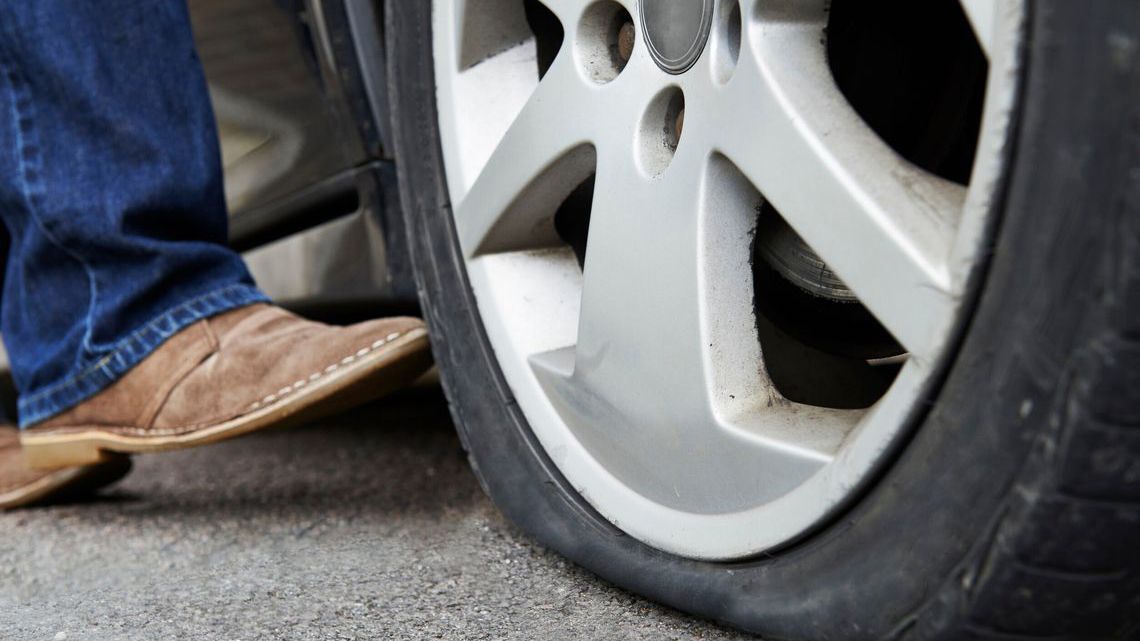
If a front tire blows out, your instinct will be to brake hard. That instinct is wrong and will make the situation significantly worse. The correct response is to grip the wheel firmly, hold the accelerator briefly to stabilize the vehicle, then ease off gradually and steer toward the shoulder as speed drops naturally. This page explains the specific counterintuitive technique for blowouts, skids, and hydroplaning, each of which requires a different but deliberate response.View more -

Brake Problems
If your brakes suddenly feel soft or lose pressure while driving, pump the pedal rapidly to try to build hydraulic pressure, look for a safe exit from the road immediately, and apply the parking brake gradually only as a last resort. This page also covers the warning signs to watch for before brake problems become critical: a spongy pedal, grinding noise, pulling to one side during braking, and a pedal that sits closer to the floor than usual.View more -

Tire Blowout
Do not brake hard during a blowout. The sudden pull toward the failed side combined with hard braking can cause a spin or roll. The correct response: grip the wheel firmly, maintain your speed briefly to stabilize, ease off the throttle gradually, and steer progressively toward the shoulder as speed drops naturally. This page explains why this approach works, the causes most responsible for blowouts, and the maintenance habits that significantly reduce your risk.View more -

Car Emergency Kit
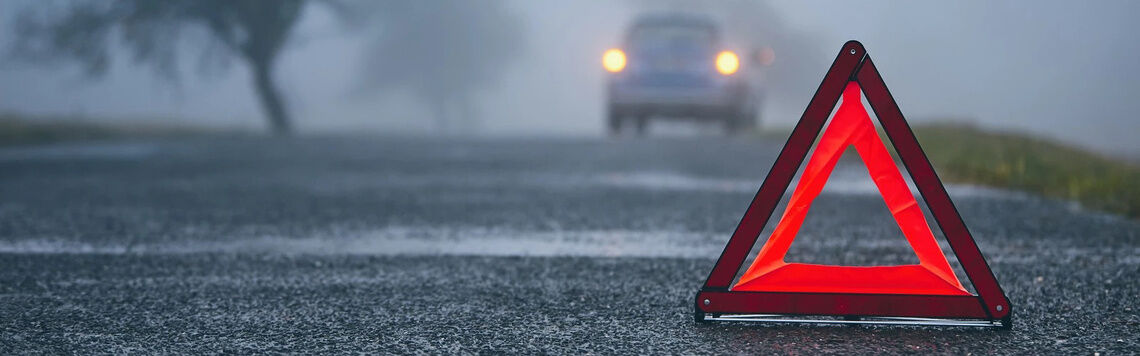
Your emergency kit needs to answer three questions: Can you be seen by approaching vehicles? Can you stay warm if stranded? Can you move the vehicle or call for help? The core items are warning triangles or reflective flares, a thermal blanket, a portable jump starter or jumper cables, a flashlight with spare batteries, a small shovel, traction aids, and roadside assistance contact details written on paper. For winter travel, add warm spare clothing and extra traction materials.View more -

General advice in emergency situations
The response that keeps people safe in a driving emergency is almost always the calmest, most deliberate one. Panic produces sharp inputs that turn manageable situations into serious ones. Activate hazard lights immediately, move progressively and safely off the road, stay inside the vehicle if stopped on a motorway shoulder, and give emergency services your location as specifically as you can. This page reinforces the universal principles that apply across every type of driving emergency.View more
Related topics
FAQ
Stay as calm as possible and take one action at a time. Panic leads to overcorrection — sharp steering inputs, sudden hard braking, or erratic acceleration — which can turn a manageable situation into a crash. Grip the wheel firmly, ease off the accelerator, look toward where you want the vehicle to go, and move progressively toward a safe place to stop. Activate your hazard lights so other drivers know something is wrong.
The three most common tire emergencies are a sudden blowout (rapid air loss), a slow puncture that causes gradual handling changes, and a flat discovered when you return to the vehicle. Of these, a blowout at speed is the most dangerous because it happens without warning and can immediately affect steering. The good news is that proper tire maintenance — correct inflation, adequate tread, and no unrepaired damage — significantly reduces the likelihood of all three.
Whenever continuing is unsafe or the situation is beyond what you can handle reliably. If the emergency happens in heavy traffic, on a busy highway with no safe shoulder, at night on an unlit road, or involves a vehicle fault you can't diagnose, waiting for professional help is the right call. A flat on a safe shoulder is manageable; the same flat in a tunnel or at the crest of a hill is not. Roadside assistance is part of the safety plan, not a last resort.
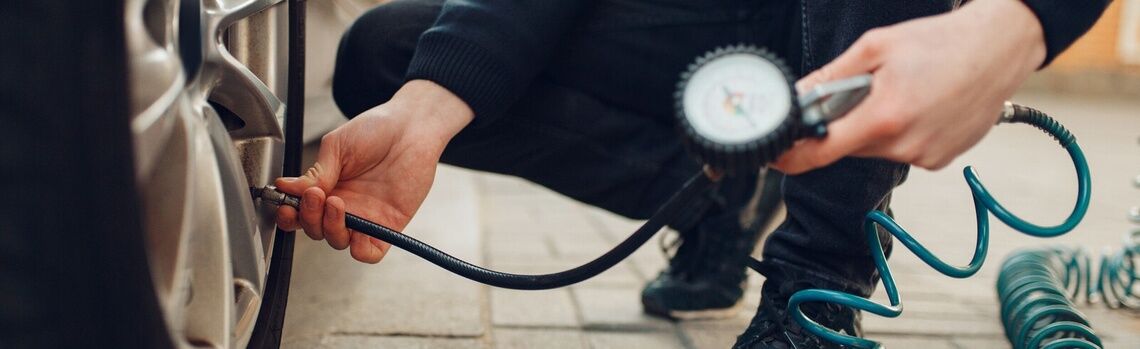
Regular vehicle checks, particularly tire pressure and tread depth. Most tire-related driving emergencies — blowouts, flat tires, handling failures — can be traced back to a tire that was already compromised before the journey started. A monthly pressure check and a quick visual inspection every time you approach the car are the simplest, most effective ways to catch problems before they become emergencies.
Directly — higher speed means more kinetic energy, less reaction time, and more severe consequences if control is lost. A tire blowout at low speed is a nuisance; the same failure at highway speed is potentially life-threatening. An emergency stop that works cleanly in a parking lot may not work on a wet highway. This is why reducing speed when conditions or vehicle behavior feel uncertain is always the correct first response.
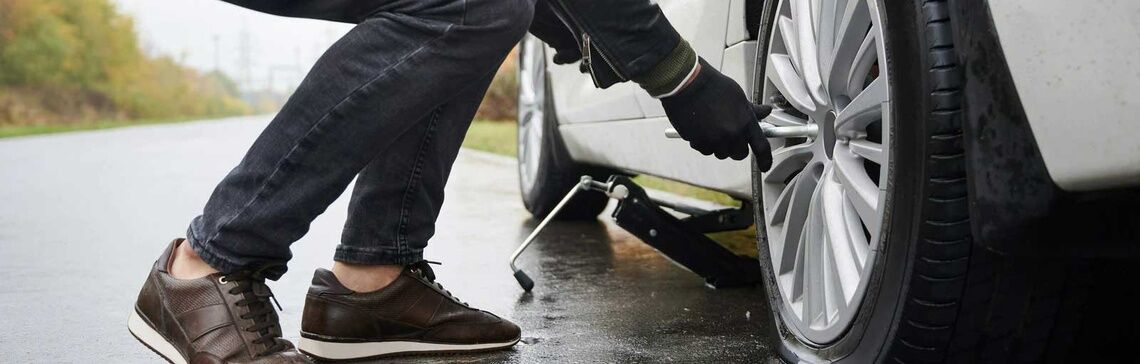
At minimum: a serviceable spare tire with correct inflation, a jack, and a lug wrench. Beyond those basics, a warning triangle or reflective flares, a flashlight, a basic first aid kit, a high-visibility vest, a phone charger, and roadside assistance contact details. In cold climates, add a blanket, ice scraper, and small shovel. These items don't prevent emergencies but they significantly improve your options when one happens.