What are the basics?
If you switch between sets of tires, proper storage ensures that your tires’ appearance and performance are maintained.
Tires should always be stored in a cool, dry, clean, indoor environment.
If tires sit outdoors, unused for long periods of time (a month or more), their surfaces will become dry and surface cracks can appear.
Before storing your tires:
Before removing your tires, note their position on your car. This will allow you to properly rotate your tires next time you mount them to ensure that they wear evenly.
Inspect each one for damage or uneven wear.
Clean your wheels and tires with water and dry them well to limit any corrosion.
Remove any stones or debris that have been trapped in the tire grooves.
Storing your tires:
Store your tires indoors in a clean, cool and dark location away from direct sunlight, sources of heat and ozone such as hot pipes or electric generators.
If you are storing outdoors (recommended for a short time only), raise tires off the ground and use waterproof covering with holes to prevent moisture build-up.
Be sure the surfaces on which tires are stored are clean and free from grease, gasoline, solvents, oils or other substances that could deteriorate the rubber.
For aesthetic reasons, if your tires have whitewall or raised white lettering, store them with the whitewall or raised white lettering facing each other. Otherwise, black rubber could stain them.
If tires are on a vehicle parked for a long period, the weight of the vehicle needs to be taken off the tires by jacking it up or removing the tires. Failure to do this may cause irreversible damage.
Tire Registration
Make sure your tires are registered to receive direct notification in the event of a safety-related recall.


Find tire dealers near you in seconds
Search among our dealers to find where your tire is available
FAQ
Read our Frequently Asked Questions.
Keep them in a cool, dry, indoor location away from direct sunlight, heat sources, and ozone generators such as electric motors or generators. Before storing, clean each tire with water and dry it thoroughly. Remove any stones or debris from the tread grooves. Mark the position each tire came from so you can rotate them correctly at the next fitting. Where possible, store in a sealed plastic bag to limit the ozone exposure that dries out rubber over time.
Both are done, but the approach differs. Mounted tires can be stacked on their sides or hung horizontally — their weight is distributed around the rim rather than resting on the rubber. Unmounted tires should stand upright on their tread and be shifted occasionally to prevent flat spots from developing. Don't stack unmounted tires flat on top of each other for long periods; the weight of one tire pressing on the bead of another can distort it.
Properly stored tires retain their performance characteristics for a reasonable period, but rubber does age during storage. Michelin recommends inspecting any tire closely if it has been stored for several years. The same five-year inspection and ten-year replacement guideline applies from the manufacture date, whether the tire was in use or sitting in storage. Tires kept in poor conditions — exposed to sun, ozone, or temperature extremes — will age faster than those stored correctly.
Short-term outdoor storage with adequate protection is manageable, but it accelerates aging compared to indoor storage. If tires must be stored outside, raise them off the ground to prevent moisture absorption from below and cover them with a waterproof cover that has ventilation holes — trapping moisture under a sealed cover creates its own problems. Avoid direct sunlight, which degrades rubber compounds. Get them indoors as soon as possible.
If the tires are mounted on rims, reducing the inflation pressure before storing is advisable — not to flat, but below the normal driving pressure to reduce structural stress during storage. When you refit them, inflate to the vehicle manufacturer's recommended pressure before driving. If the tires are unmounted, pressure management is not a factor in the same way.
Inspect them before refitting. Look for surface cracking in the sidewall or tread — fine surface cracks, sometimes called weatherchecking, indicate the rubber has started to dry out. Significant cracking, particularly cracks that open when the tire is flexed, means the tire has degraded beyond safe use regardless of tread depth. Check the manufacture date in the DOT code and apply the five-year inspection and ten-year replacement guideline from that date, not from when the tire was last driven on.
Related articles
-
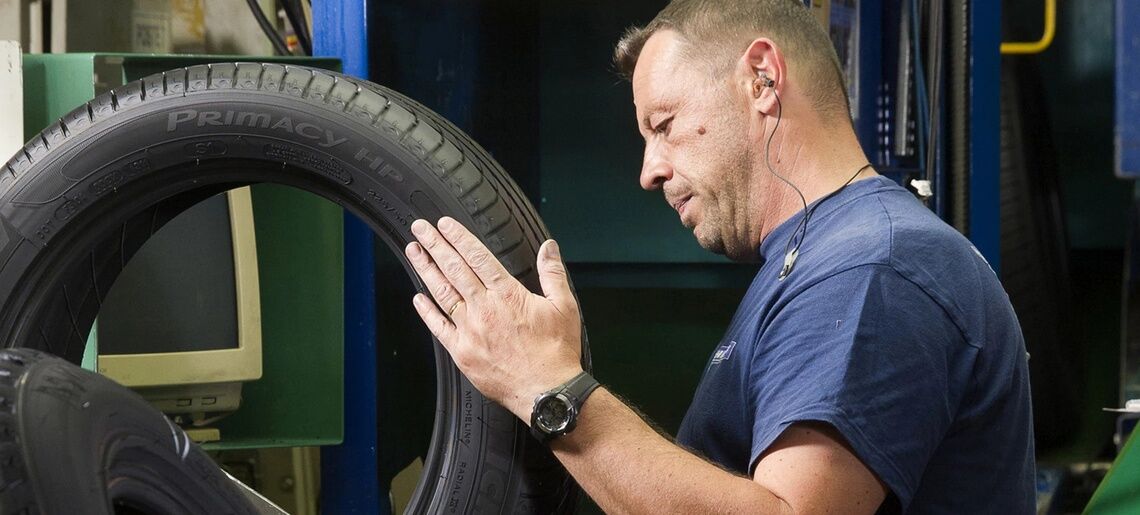
Why is tire maintenance important?
Tires lose air naturally, around one PSI per month, even without a puncture. Running a few PSI below the recommended pressure consistently shortens tire life, increases fuel consumption, and in severe cases can lead to a structural failure at highway speed. This page explains the specific consequences of neglected tire maintenance so the case for regular checks is clear and concrete.View more -

How to Change a Car Tire?
Changing a flat tire on the roadside takes about 20 minutes when you have practiced beforehand. Before you need to do it at night on a busy road, confirm your spare is in the trunk and inflated, find your jack, and know how to use both. This step-by-step guide covers vehicle positioning, safe jacking, lug nut sequence, and what to check before driving away on the spare.View more -
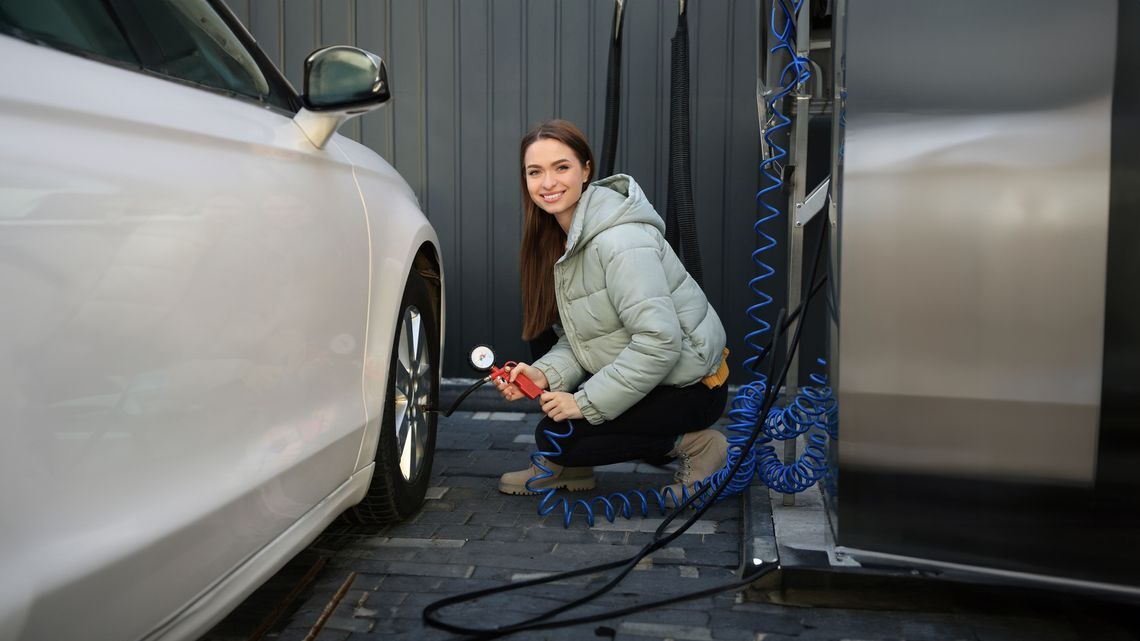
How to Properly Inflate Your Car Tires
Tire inflation is an important factor to ensure your safety and that of your passengers. If your tire pressure is incorrect, it can also impact your vehicle's operating costs through premature tire wear and higher-than-normal fuel consumption.
In this article, you will learn when you should check your tire pressure and how to inflate tires in 3 simple steps. You will see that tire inflation has to be done differently depending on whether your tires are cold or warm and that the spare wheel should also be checked regularly, although not as often as the other tires.
We will also address the question of the portable tire inflation compressor as an alternative to gas stations and help you decide if you should inflate tires with nitrogen.View more -
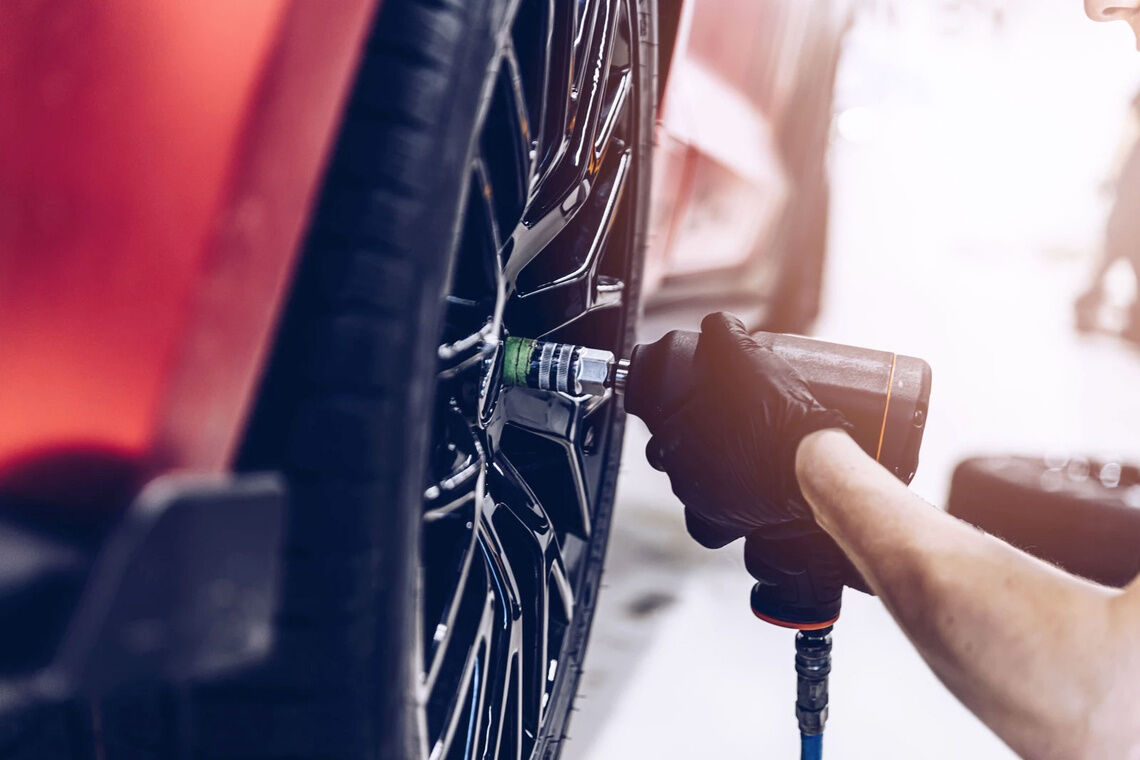
Tire Rotation: Why It Matters and How to Do It
Interchanging tires on a regular basis is an important step in tire maintenance, as it increases tire life, maintains balanced vehicle control, and promotes even tread wear. Tires wear differently depending on where they are mounted on the vehicle; therefore, adhering to specified rotation schedules helps distribute wear more evenly across all four tires over time. Tire rotation, paired with proper tire inflation, wheel alignment, and wheel balancing, helps ensure predictable vehicle performance.View more -
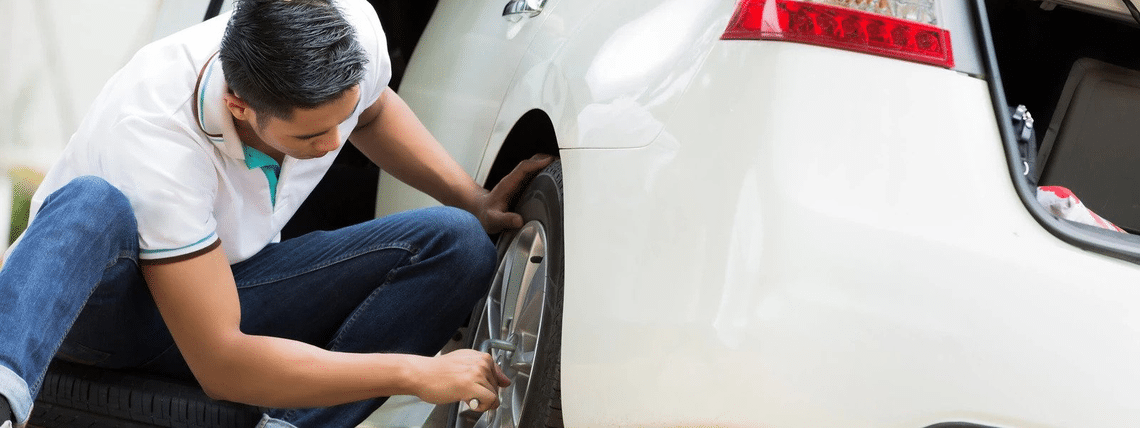
Can My Tire be Repaired?
A nail in the tread that has not gone all the way through may be repairable. A nail in the sidewall never is. The qualifying criteria for a safe repair are specific: the puncture must be confined to the tread area, be no larger than 1/4 inch (6mm), and be assessed by a professional with the tire off the wheel. Sidewall damage, run-flat damage, and any tire that was driven flat require replacement, not repair.View more -
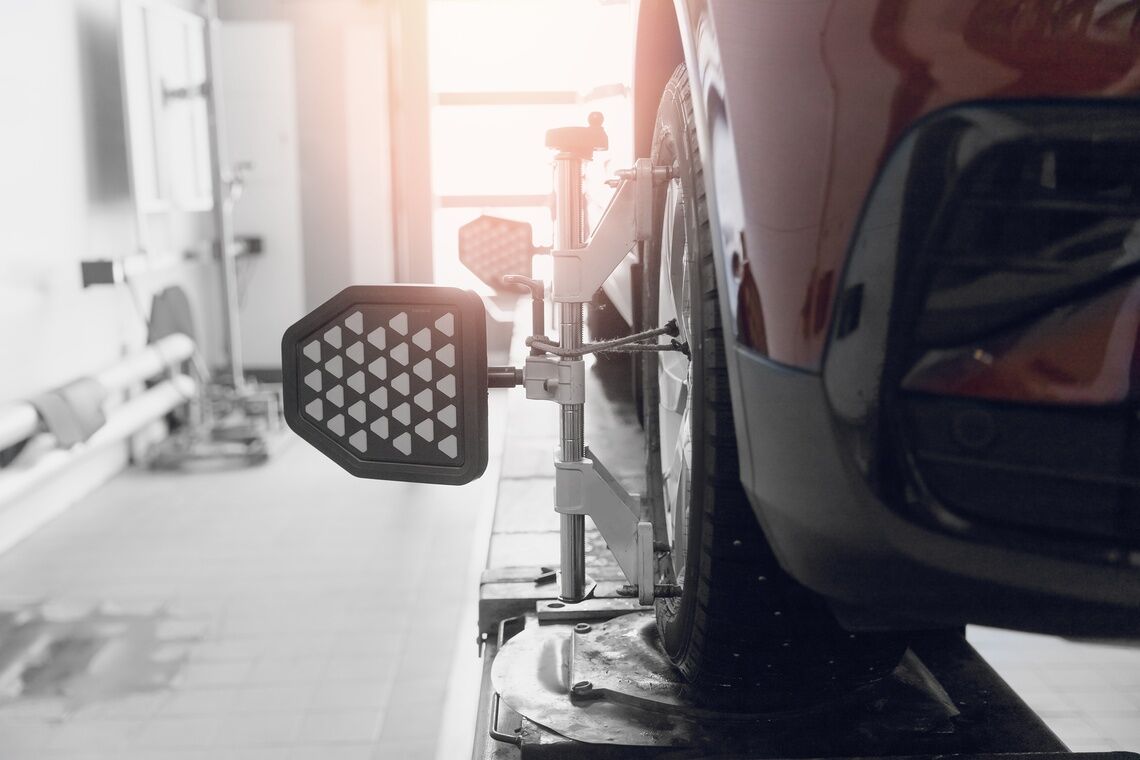
Wheel Alignment and Balancing: Why They Matter
Wheel alignment and wheel balancing are important yet often misinterpreted services that impact tire performance. While these services are frequently recommended together, each addresses distinct issues that significantly influence tire wear, vehicle handling, and operational efficiency.
Understanding how alignment, balancing, mounting, and wheel fitment work together can help you protect your tires, improve driving comfort, and avoid unnecessary wear.View more -

Visual Tire Inspection Before Installation
Before installing new or used tires, perform a thorough visual check. This step ensures proper mounting and supports optimal tire performance. Skipping or hurrying through this phase may result in vibrations, air loss, handling issues, or premature tire wear after installation.View more -
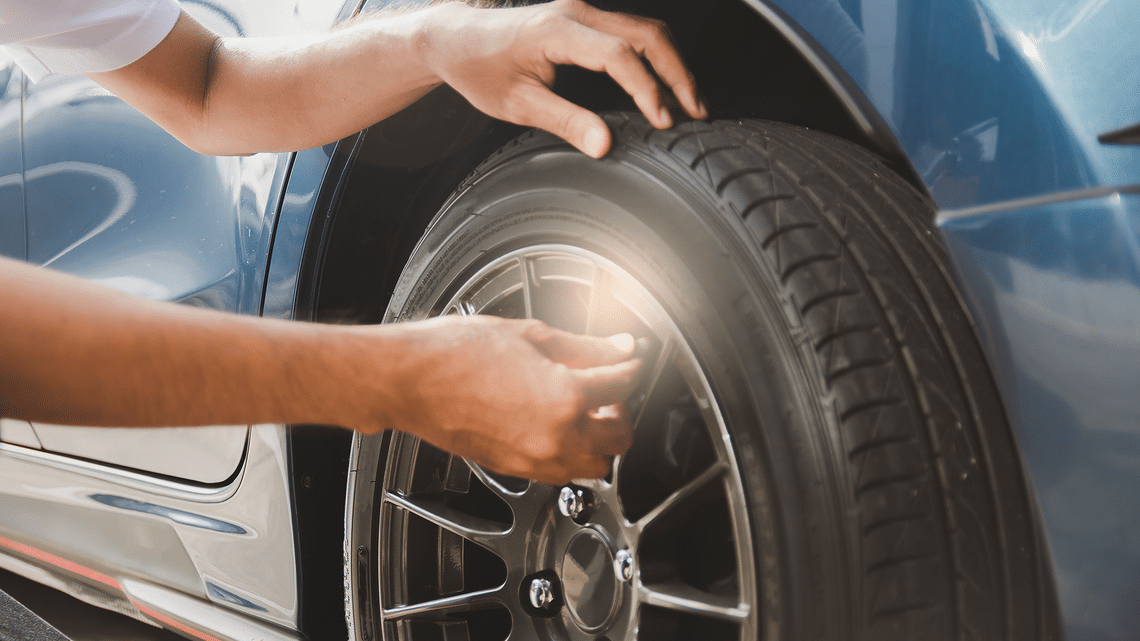
Routine Tire Care Tips
Four habits protect your tires and your safety: check pressure monthly with a gauge, rotate every 6,000 to 8,000 miles, get alignment checked annually or after any significant impact, and keep tires clean by rinsing with water after exposure to road salt or chemicals. None of these require specialist skills or expensive equipment. This page lays them out so you can incorporate them into your regular vehicle routine.View more