Winter Tires or Snow Tires: What’s the Difference?
Most drivers use the terms interchangeably, but here’s the key difference:
Snow Tires (Older Term): First designed mainly for deep snow traction. They had chunky tread patterns that worked in snow but were less effective on ice, wet roads, or cold, dry pavement.
Winter Tires (Modern Term): Built for all cold-weather conditions, like snow, ice, slush, rain, and frozen pavement. Thanks to softer rubber compounds and advanced tread designs, they provide shorter braking distances and more control in Canada’s unpredictable winters.
Today, “winter tires” is the preferred and more accurate term, reflecting the evolution of tire design and performance.
What Makes Winter Tires Unique
Winter tires are designed to stay flexible when temperatures fall below 45°F. This flexibility helps them maintain grip on cold, dry pavement as well as on ice and snow.
Key Features:
Rubber compounds that remain soft in freezing temperatures.
Deeper tread grooves and sharp edges that grip snow and ice.
Tiny cuts in the tread, called sipes, that act like claws for extra traction.
Look for these markings:
3PMSF (Three-Peak Mountain Snowflake): Confirms the tire meets the industry’s severe snow traction standard.
Ice Grip symbol: Found on select tires designed for enhanced performance on icy roads.

Why Equip Your Vehicle with Winter Tires
When temperatures drop below 45°F, all-season and summer tires begin to harden, which reduces their ability to grip the road. This temperature threshold marks the point where switching to winter tires becomes essential. Built with flexible rubber compounds that stay soft in the cold, winter tires give you greater control and confidence. Their specialized tread patterns help shorten braking distances on icy or snowy roads, improve handling in slush and freezing rain, and reduce the risk of sliding on black ice.
Even in regions where winter weather varies, winter tires remain the safest choice.
Why Choose Michelin Winter Tires
Michelin designs winter tires to perform in the most demanding cold-weather conditions:
Increased number of sipes for maximum traction on icy surfaces.
Aggressive tread patterns that channel away slush and snow.
Deep tread depth for improved grip in heavy snow.
Specialized rubber compounds that remain flexible in extreme cold.
The result: reliable handling, shorter stopping distances, and greater confidence on winter roads.


FAQ
Read our Frequently Asked Questions.
Winter tires differ in three fundamental ways. Their rubber compound stays flexible in temperatures below 45°F, rather than hardening like all-season and summer tire compounds. Their tread pattern uses a higher density of sipes — fine cuts in the tread blocks — that create additional biting edges to grip snow and ice. And their tread design includes larger, more aggressive grooves for evacuating slush and snow from the contact patch. Together, these characteristics deliver traction in cold conditions that other tire types cannot match.
They help on both, though the degree varies by tire type. Studless winter tires are significantly more effective than all-season or summer tires on ice, because their flexible compound and dense siping maintain contact and grip at low temperatures. Studded winter tires add metal pins that physically penetrate the ice surface, providing additional grip on glazed ice in particular. The improvement in stopping distance on snow and ice compared to summer tires is meaningful — Michelin's own testing data, alongside independent sources, consistently reflects this difference.
Look for the Three-Peak Mountain Snowflake (3PMSF) symbol — a snowflake inside a mountain silhouette. This is the standardized certification mark for severe snow performance. The M+S (Mud and Snow) marking also appears on winter tires, but M+S alone does not certify winter performance. Some tires also carry an Ice Grip symbol, which indicates additional testing for ice braking performance. The 3PMSF is the primary marking to look for when confirming a tire is a genuine winter tire.
You can, but Michelin does not recommend it. The flexible compound that makes winter tires effective in cold conditions wears faster on warm, dry roads and becomes less effective for cold-weather use in subsequent seasons. Using winter tires in summer also produces more road noise, softer handling feel, and faster tread wear than keeping them for cold-weather use only. Fitting and removing them seasonally protects their cold-weather performance and extends the life of both tire sets.
Yes, if temperatures in your area regularly fall below freezing. City driving doesn't eliminate ice — intersections, bridges, shaded streets, and overnight freezing create conditions where a winter tire's grip advantage matters even at low speeds. Stopping distances on ice are shorter with winter tires regardless of whether you're on a highway or a city block. The case for winter tires in cold climates applies to urban driving just as much as rural or highway driving.
The terms are often used interchangeably, but winter tire is more accurate. Snow tires is an older term that sometimes brings to mind chunky, aggressive-looking tires built mainly for deep snow. Modern winter tires are engineered for a much broader range of cold-weather conditions: dry cold, freezing rain, slush, packed snow, and ice. Their effectiveness comes primarily from the compound's cold-temperature flexibility and dense siping, not just an aggressive tread pattern.
Related articles
-

When to Replace Tires
There is no single rule that determines how long a tire will last. Tire lifespan depends on a combination of factors, including tire design, driving habits, climate, road conditions, and how well the tires are maintained.
Rather than relying on mileage alone, Michelin recommends regular inspections and paying attention to both visible signs and changes in performance that may indicate a tire needs to be replaced.View more -
How to Choose the Right Tires
Start with your vehicle's door jamb placard, which lists the required tire size and load index. Then factor in your driving environment: frequent highway miles, city stop-and-go, rain, or winter conditions each point toward different tire priorities. This guide walks through each decision point so the right tire becomes clear before you set foot in a shop, and you are not relying solely on a salesperson's recommendation.View more -
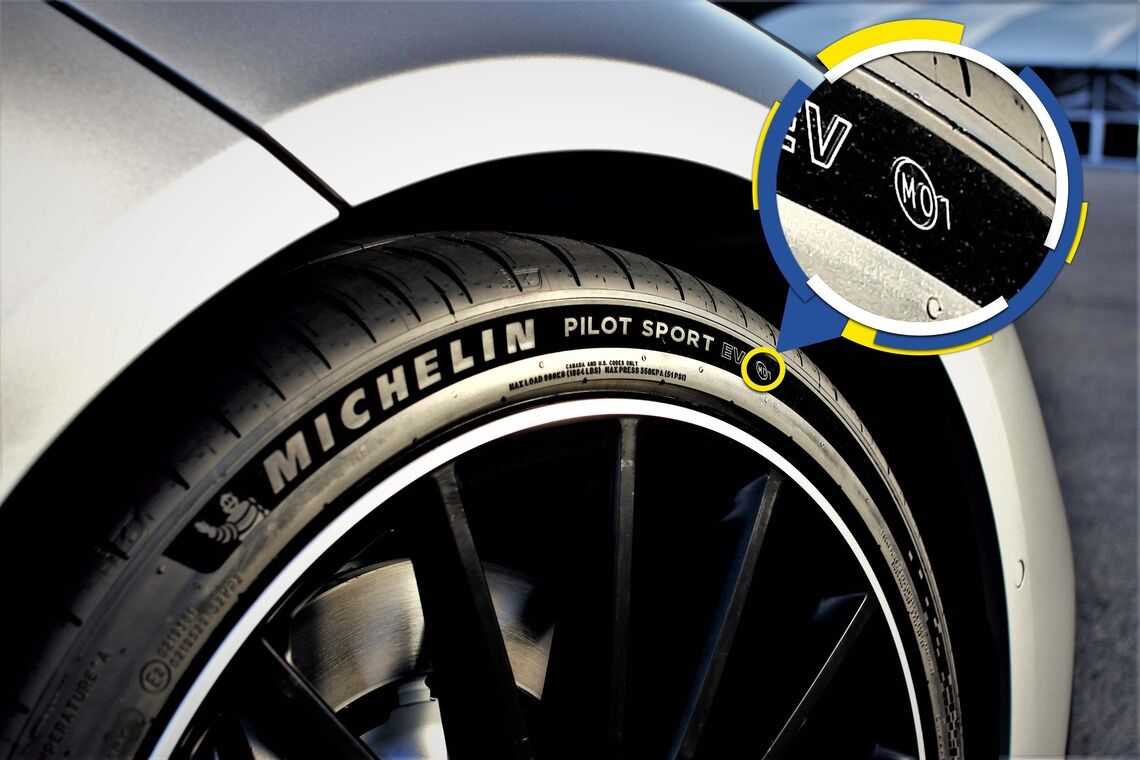
Michelin-Developed Marked Tires
Michelin believes that close collaboration with vehicle manufacturers is essential when developing high-performance tires. Every vehicle has unique characteristics that influence how a tire should perform, including weight distribution, power output, chassis design, and suspension tuning.
Michelin-developed marked tires are engineered to match these vehicle-specific requirements. Designed and approved jointly by Michelin and the automaker, these tires are tuned to help ensure the tire performs as intended on the vehicle for which it was developed.View more -
How to Prepare for a Tire Dealer Visit
Easily prepare for your visit to the dealer with Michelin's guide. Be sure to ask your tire dealer these 5 questions to ensure you get everything you need.View more -
Can You Mix Tires? What to Know Before You Do
Maintaining your car in the configuration set by the manufacturer is the safest approach for tire replacement. This means following the tire specifications outlined on your car's placard, in the owner's manual, and in any OE (original equipment) technical bulletins. This is essential, as these documents take into consideration how the car was built to manage load, steering, braking, and stability, especially when replacing just one or two tires.View more -

Choosing the Right Tire Size for Your Vehicle
Selecting the correct tire size is essential for proper fitment, performance, and safety. Tire size information is defined by standardized tire markings and can be found on the tire sidewall, in your vehicle owner’s manual, or on the vehicle tire information placard. Knowing where to locate this information and how to interpret it helps ensure replacement tires meet your vehicle manufacturer’s specifications.View more -
How to compare tires?
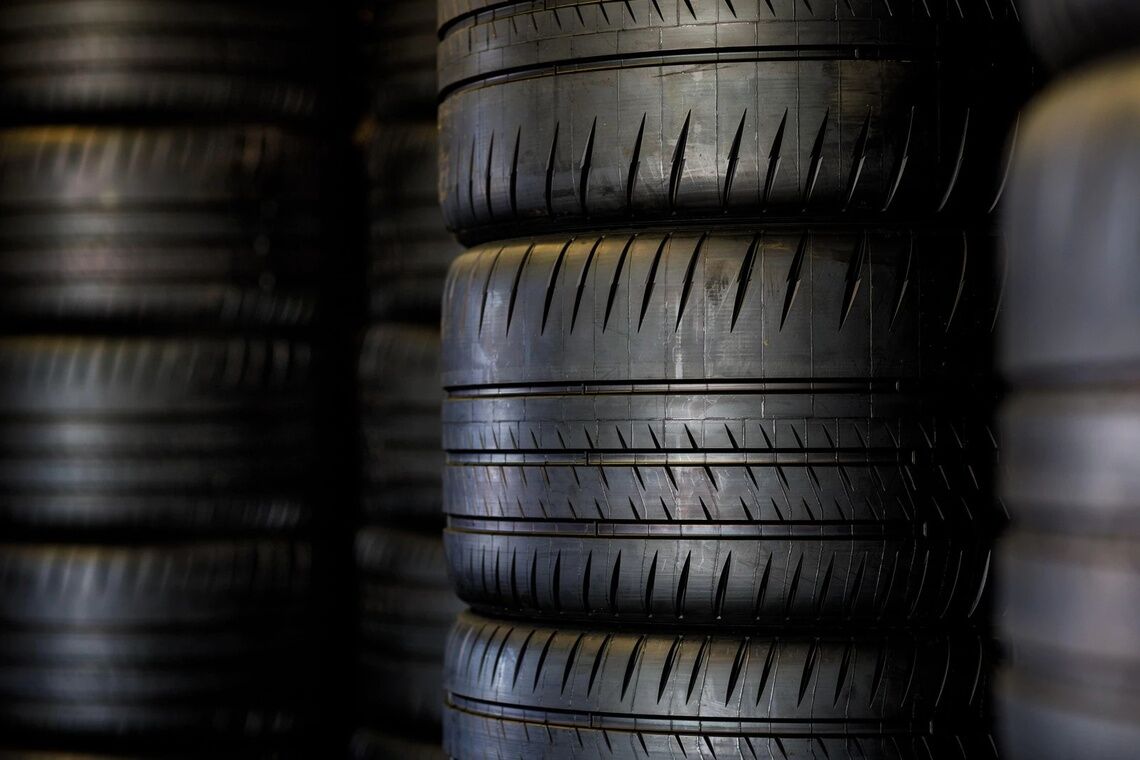
On what basis should you compare tires to select the one that will give you complete satisfaction? This article is about the main performance criteria to consider, the decision aids you can use and Michelin's best advice. We will discuss how to select the one you need within the same tire line and provide you with decision aids, such as independent tire tests, labelling and tire comparison sites. Finally, we will discuss another important criterion: long-term performance.View more -
Do I Need Seasonal Tires?
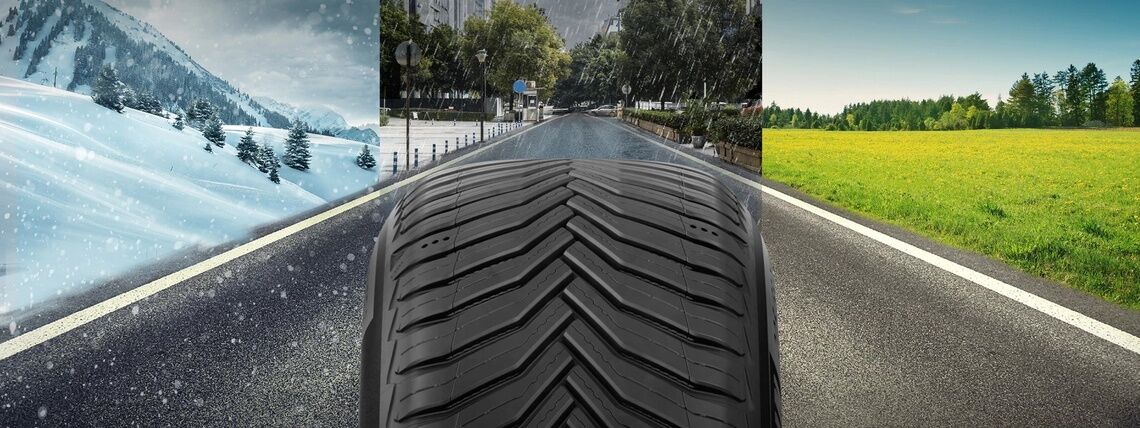
All-season tire rubber begins stiffening below 45 degrees Fahrenheit, reducing grip on cold, dry roads before any snow appears. Summer tires are even more temperature-sensitive. Winter tires use compounds formulated to stay flexible and grippy through the full cold season. This page explains what each category is actually designed for, what it compromises, and which one matches your climate.View more -

Winter Tire Buying Guide
Whether you are a first-time car owner, new to winter driving, or simply looking to make the safest choice for your vehicle, this guide covers everything you need to know about buying winter tires. From understanding the difference between winter, all-season, and summer tires to recognizing important tire symbols and studded options, here is how to stay safe through the coldest months of the year.View more -
Summer vs. Winter vs. All-Season Tires
Choosing the right tire depends on where you live, the time of year, and how you use your vehicle. Each tire type, summer, all-season, or winter, has unique strengths and limitations. Knowing when to switch helps you stay safe and maintain peak performance throughout the year.View more