The 3 types of bike punctures
You may not know it yet: there are three types of bike punctures to which your bicycle tires are exposed. And for each one we share our recommendations.
1 - Perforation and cuts
Nails, stones, thorns, etc. may be the cause of perforation of the inner tube or tubeless tire. The aggressive nature of the components of some road surfaces can also give rise to cuts.
The thickness and quality of rubber, the density of the casing cords and the presence of a textile reinforcing ply are factors which affect the tire's resistance to these bike punctures.
The type of inner tube used also has an effect: nature of the rubber, thickness and the presence of a self-sealing liquid.
How to prevent perforation and cuts?
If you are using Tubetype, Michelin recommends MICHELIN PROTEK MAX inner tubes for Mountain Bikes in particular and for urban use and city trekking.
Its special design combined with a self sealing liquid ensures a good bike puncture protection.
2 - Pinch Puncture (Snake Bite Puncture)
This kind of bike puncture happens when the inner tube is pinched between the rim flange and the ground when passing over an obstacle at high speed (a pothole, for example).
How to prevent pinch puncture?
We advise you to ensure that the tire pressure is always as recommended by the tire manufacturer. Maintaining the correct tire pressure is critical for both performance and safety; improper pressure can lead to a rapid air loss and/or impact performance.
Also note that a tire with a wide cross-section, thick sidewall and a thick-walled inner tube can resist this type of pinching.
How to Prevent Rim Wall Perforation?
This type of perforation occurs when the rim tape is unsuitable (width, material, incorrect centring, etc.) or in poor condition. This type of perforation is identified by the position of the hole in the tube, which is on the rim side, not on the tread side.
How to prevent perforation by the rim wall?
To avoid this type of bike puncture, we recommend changing the rim tape each time a tire is replaced, as we do for new inner tubes.
Equip yourself with puncture-resistant bike tires
While the above precautions can reduce the risk of a bike puncture, you can also opt for greater peace of mind for your rides on the road by equipping yourself with puncture-resistant road tires.
Our MICHELIN Power range has been precisely designed to meet all your needs and to offer you strong resistance to bike punctures.
Featured Tires
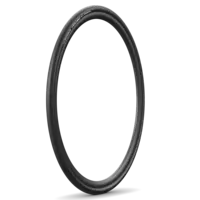
Michelin POWER ALL SEASON COMPETITION LINE
Maintain maximum grip in all weather conditions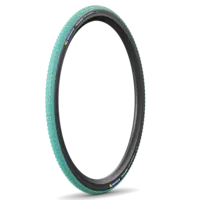
Michelin POWER CYCLOCROSS JET COMPETITION LINE
The cyclocross tire with tubular performance(1)
Michelin POWER CUP COMPETITION LINE
Inspire your confidence with the MICHELIN Power Cup tire for racing and training
Michelin POWER ADVENTURE COMPETITION LINE
Enjoy freedom beyond the road with the Michelin Power Adventure tire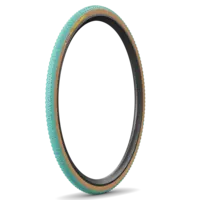
Michelin POWER CYCLOCROSS JET TUBULAR RACING LINE
Our Tubular CX Racing Tire - The latest generation of the legendary MICHELIN® green compound


FAQ
Read our Frequently Asked Questions.
Michelin identifies three: perforation punctures (caused by sharp objects like nails, glass, or thorns penetrating the tread and tube), pinch flats or snake bites (caused when the tube is pinched between the rim and an obstacle during a hard impact, creating two holes near each other), and rim-side punctures (caused by a faulty or damaged rim tape allowing spoke nipples or rough rim edges to contact the tube). Each type has different causes and prevention approaches.
The tire's construction is the primary defense. Tires with denser casing cord, thicker tread rubber, and reinforcing textile plies between the tread and casing resist perforation better than lighter, performance-focused tires. The inner tube material also matters — a thicker butyl or self-sealing tube is harder to perforate than a thin racing tube. Riding choices help: avoiding glass-strewn road shoulders, gutters, and debris-laden road surfaces eliminates many encounters with sharp objects.
A pinch flat happens when the tire is compressed so hard by an impact — hitting a pothole, kerb edge, or large rock — that the tube is squeezed between the tire and the rim. Prevention: maintain the correct tire pressure (underinflated tires are far more vulnerable), choose a tire with wider cross-section and thicker sidewalls for riding on rough surfaces, and use tubeless where possible — tubeless setups eliminate pinch flats entirely because there's no tube to pinch.
In two ways. First, there's no inner tube — pinch flats are impossible. Second, sealant inside the tire automatically seals small punctures from sharp objects before significant air loss occurs. Most small perforations from glass, thorns, and debris seal within seconds as the sealant reaches the hole through air pressure and wheel rotation. Larger cuts may not seal automatically and would require stopping to plug or fit an emergency tube. The combination eliminates the most common puncture types for most riding conditions.
Yes, in different ways for different puncture types. For pinch flats, higher pressure is protective — a harder tire is less likely to be compressed far enough to pinch the tube. For perforation punctures, pressure has less impact — the casing and tread thickness are more relevant. For tubeless setups, running at appropriate lower pressures doesn't increase puncture risk from perforation (the sealant handles that), but running too low still risks the bead unseating or the tire's sidewall folding.
Yes, Michelin recommends replacing the rim tape every time the tire is replaced. The rim tape prevents the tube from contacting spoke nipples and rim edges inside the rim. A rim tape that is cracked, torn, or displaced can cause punctures from the inside that don't have any obvious outside cause. Since the tape is inexpensive and the labor to access it is already done during a tire change, replacing it each time is simple preventive maintenance that eliminates one reliable source of recurring flats.
Related articles
-

How to use bike tire sealant ?
Tire sealant is a game-changer for cyclists, offering automatic puncture repair and improving the performance of tubeless-ready tires. Whether you're riding on the road, gravel, or mountain trails, knowing how to apply and maintain tire sealant can help prevent flats and extend the life of your tires. In this guide, we’ll cover why you need tire sealant, how to apply it, and best practices for maintenance.Learn more -

What should I do if my back bike wheel wobbles?
You're riding your bike and you feel a bump at the rear with each turn of the wheel, a lateral or vertical shake, which is not only unpleasant but can also, in some cases, destabilise the bike and even lead to a fall. It is therefore important to deal with the problem as quickly as possible to enjoy a better cycling experience. So what should you do if your back bike wheel wobbles? Find the answers in our article.Learn more -
How to store bike tires properly
Storing your tires (mounted or dismounted) may sometimes be necessary. What special precautions should you take for bike tire storage to preserve them as much as possible? Should tires be stored differently depending on whether they are tubeless, tubed or tubular? You'll find out all you need to know after reading our experts' recommendations in this article.Learn more -

How to break in new tires properly
New bicycle tires carry a manufacturing release agent on the outer surface that reduces grip until it wears away through road contact. During the first few rides, avoid aggressive cornering, emergency braking, and slippery surfaces. Tubular tires additionally need 24 hours of inflation before first use to allow manufacturing solvents to evaporate from the casing. Grip improves progressively as the surface agent wears off, typically over the first three to four rides.Learn more