-
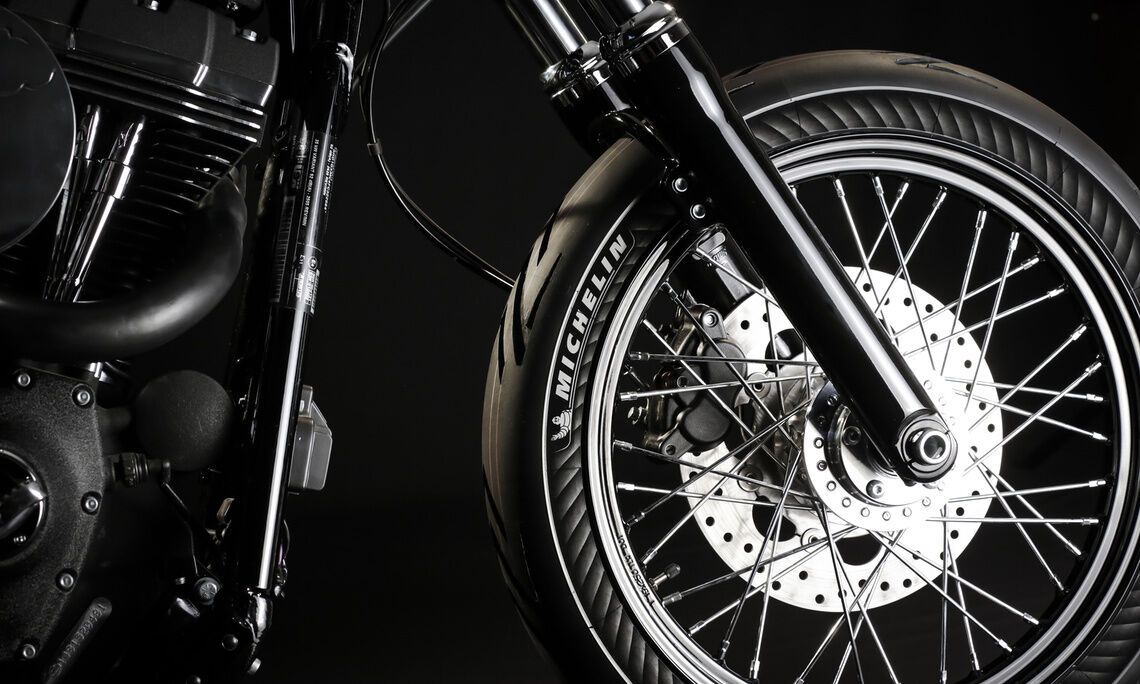
Tire wear and tear
View more -
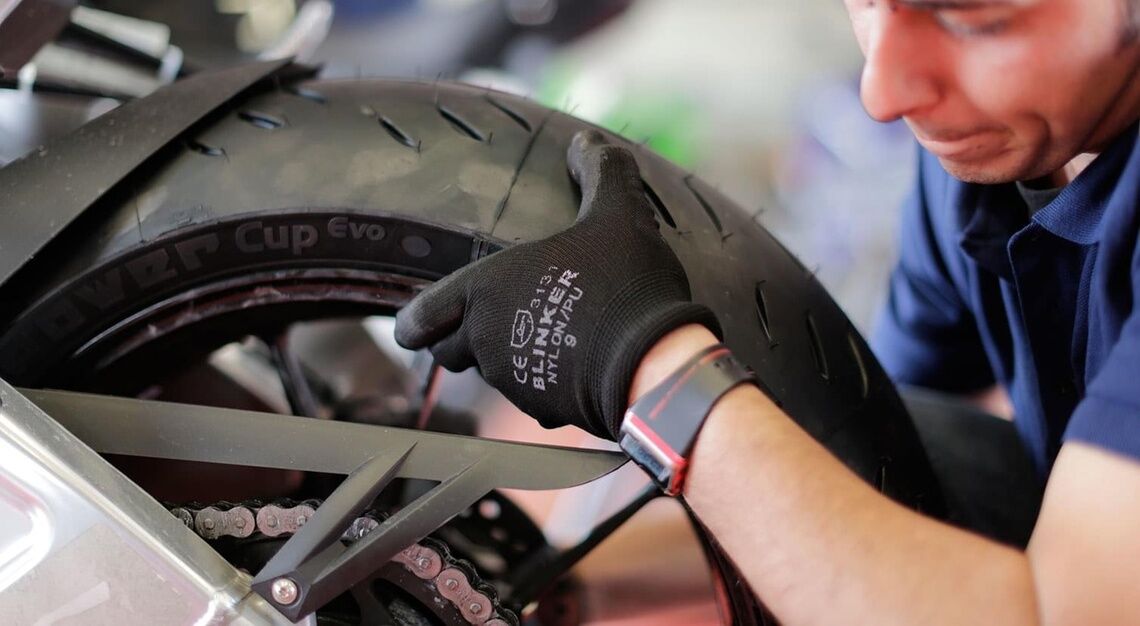
When should I change my motorcycle tires?
View more -

How to Check Your Tire Pressure
Make sure you check your tire pressure at least once a month and before any long journeys.View more -

Track Tires Recommended Pressure
SET THE RIGHT PRESSURE FOR YOUR MOTORCYCLEView more -

Off-Road
Correct inflation is essential for the safety and longevity of your tires. A tire gradually loses air over time.
It is therefore essential to check its 'cold' pressure before each ride. If the pressure is checked when out on a ride (or soon after), be aware that the air in the tire is 'hot' - In fact, when riding, the pressure increases, so you should never deflate a tire that has just been ridden on.
If the pressure (when tested cold) is lower than the recommended 'cold' pressure, it is essential to replace the missing air. After checking, do not forget to replace the valve cap which is a core part of the seal (along with the valve itself). It is recommended to change the valve assembly and cap each time you remove/replace the tire, as it is key to ensuring the integrity of the whole assembly.View more -

How to store your motorcycle for winter: a step-by-step guide
Your motorcycle needs proper attention before months in storage. Correct winter storage is essential for keeping your motorcycle safe and in good condition, ready for when riding season returns.
There are many steps to the winterising process, but following a checklist can help you avoid costly mechanical issues, saving you time and money. Different motorcycles have unique needs, so check your owner’s manual for your make and model’s specific winter storage requirements as maintenance procedures can vary between different vehicles.
Preparing your bike for winter storage helps ensure you won’t discover any mechanical issues when it comes to de-winterising in spring.View more -

Why de-winterising a motorcycle is a must
After sitting in storage over winter, your motorcycle needs proper attention before hitting the road again. De-winterising isn’t just recommended – it’s necessary to ensure the safety, performance, and longevity of your bike. Not all motorcycles are the same. Always check your specific make and model’s requirements, as maintenance needs vary from one motorcycle to another. If in doubt, check the owner’s manual for manufacturer-specific guidance. In spring, when the roads are clear and temperatures rise, taking the time to prepare your motorcycle pays off.View more -

Motorcycle tire tread depth: what is the legal limit?
Each country has its own motorcycle tire tread depth legal limit. In the U.S., federal regulations require a minimum depth of 1/32 inch, but some states, such as New York and Texas, mandate 2/32 inch. What is this limit? What is it for? What are the risks if it is reached? Find the answers in our article.View more -

MOTORCYCLE HANDLEBAR VIBRATION, WOBBLE, AND OTHER HANDLING DIFFICULTIES
Some unpleasant sensations can occur while riding your motorcycle: vibrations, wobbles, kickbacks or weaves. Why do these phenomena happen and how can they be solved?
Read the answers in our article.View more -

Breaking in new motorcycle tires
Your motorcycle or scooter tires have reached a point where they need to be replaced. Once you've fitted your brand new tires, all you have to do is get on the road. But not just any old way! Your new tires need a break-in period without which the risk of a fall is possible. How to break in new motorcycle tires? Read our tips to get you through this phase without any problems.View more -

What Is Motorcycle Tire Damage?
You may not have heard of motorcycle tire breakdowns because they are rarely discussed. Yet they are a significant topic for any tire, specifically racing tires, especially if you handle and store them.
Why is it important? If the temperature of the tires is not respected, they can suffer severe damage and become unsuitable.
This article will teach you the risks and precautions for motorcycle tire breakdown.View more