Find Dealers

Related topics

FAQ

Read our Frequently Asked Questions.

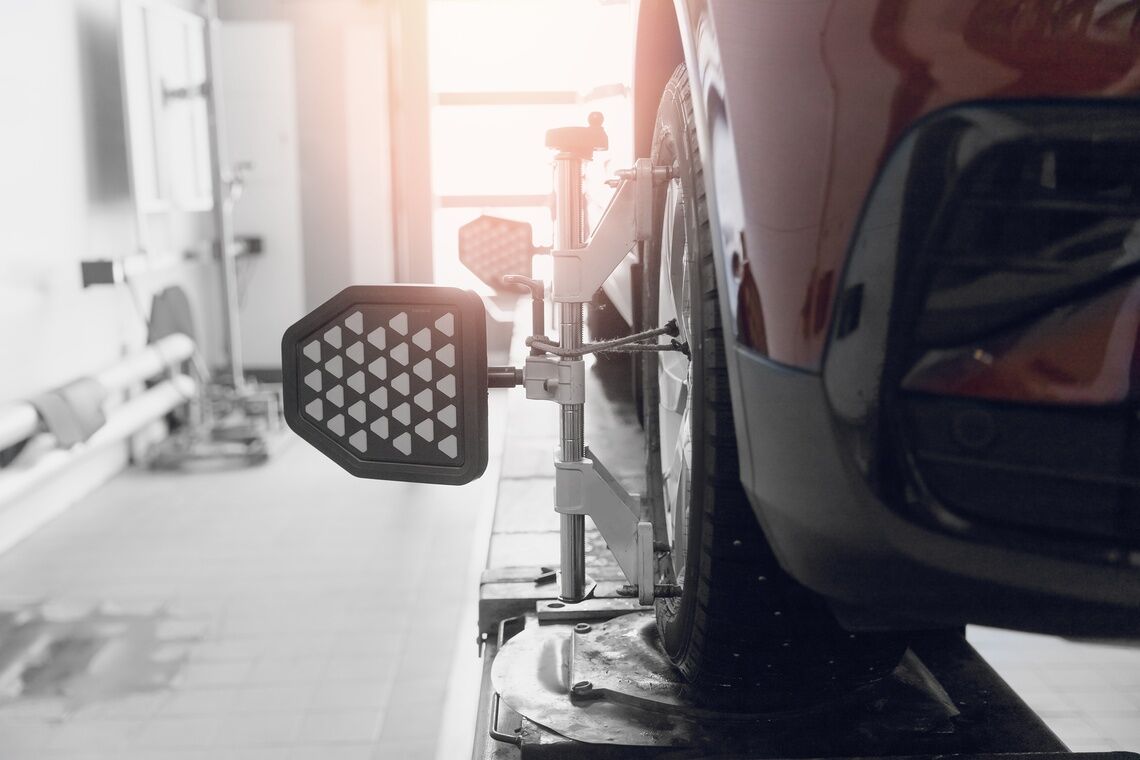
Tire maintenance covers the standard checks and services that keep your tires safe and performing as they should. The main areas are inflation pressure, tread depth, visual condition, rotation, wheel alignment, and wheel balancing. None of these tasks is complicated on its own, but skipping any of them consistently tends to show up as premature wear, unpredictable handling, or an unexpected failure at the worst time.

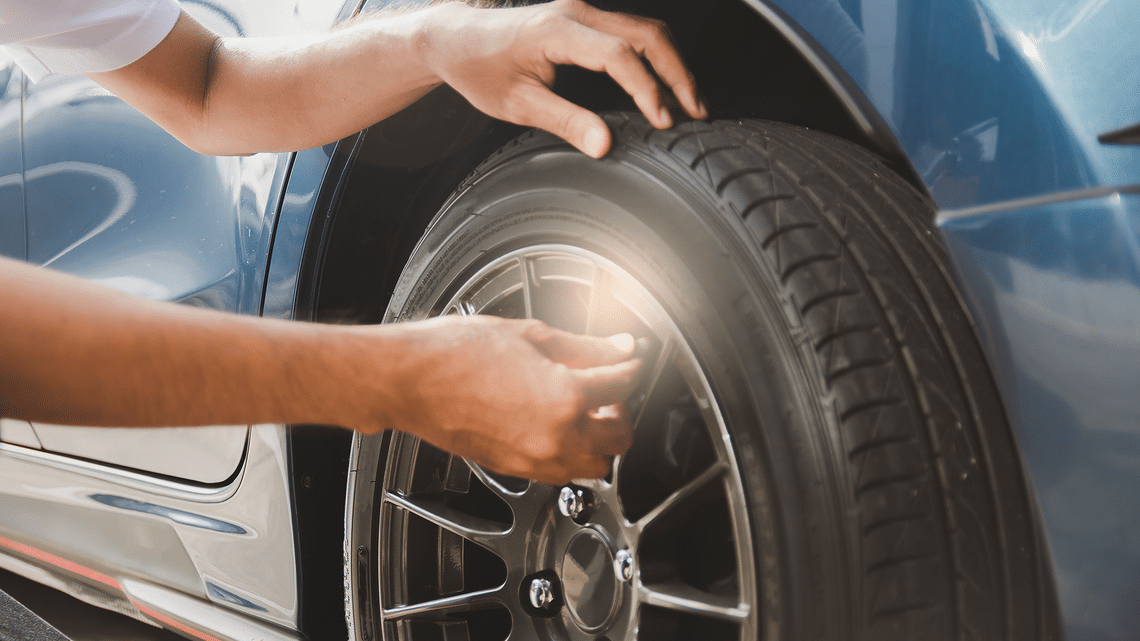
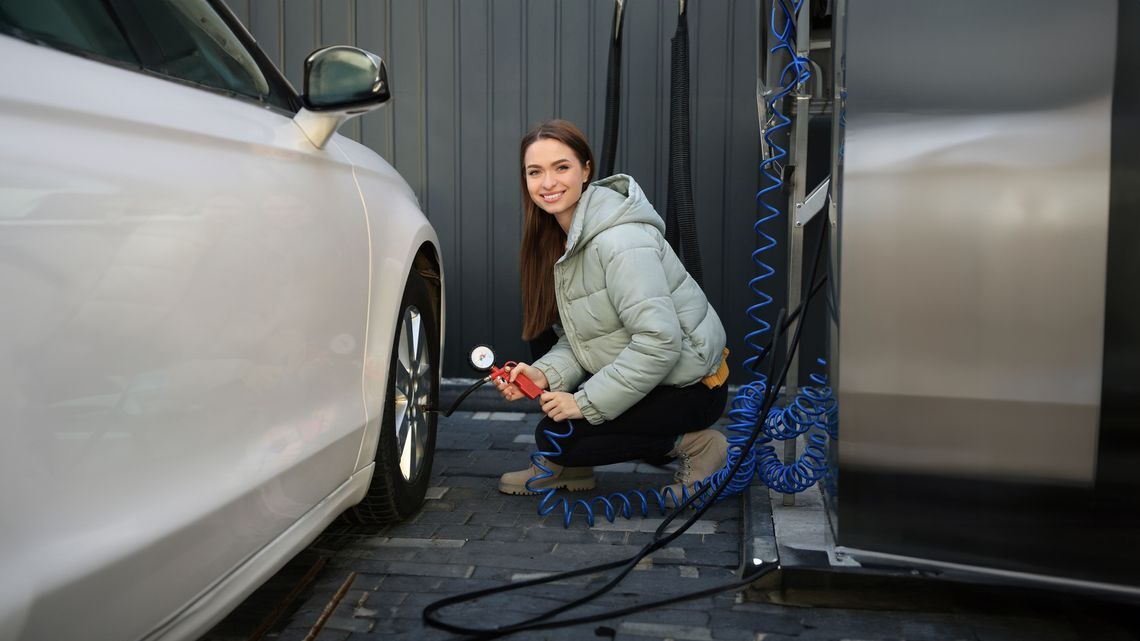
Tire pressure should be checked at least once a month and before any long trip. Visual inspections — a quick look around each tire for cuts, bulges, or embedded objects — are worth doing every time you walk to your car. Tread depth should be checked monthly alongside pressure. Rotation, alignment, and balancing follow a schedule set by your vehicle manufacturer, typically every 6,000 to 8,000 miles for rotation.

Yes, in a few ways. A tire running significantly under its recommended pressure can wear out sooner than it should, cutting into the life you paid for. Misalignment eats through tread on one edge while the rest of the tire still has life left. Skipped rotations create uneven wear across all four tires, meaning you replace the set earlier than necessary. The maintenance itself costs far less than replacing tires ahead of schedule.

Build two habits: check pressure and do a visual inspection on the first of every month, and book rotation at every oil change or every 6,000 to 8,000 miles. Most tire shops will check alignment and balance during rotation, so you don't need separate appointments. Setting a recurring reminder on your phone takes about ten seconds and removes the guesswork.

Directly. Tires running low on pressure increase rolling resistance, which makes the engine work harder to move the car. Even a moderate pressure shortfall across all four tires can push fuel consumption up noticeably. Properly inflated, correctly aligned tires with even tread let the vehicle roll with less effort, which shows up at the pump — and for EV drivers, in range.

A few things should prompt an immediate inspection:

  • The vehicle pulling consistently to one side on a straight, level road

  • Steering wheel vibration at highway speeds

  • A visible bulge, bubble, or crack on any sidewall

  • Tread that looks visibly lower on one edge than the other

  • The TPMS warning light coming on

  • Pressure dropping faster than the normal slow seep over time