Key Tire Replacement Guidelines
After Five Years: Increased Inspection Recommended
After five years of service, tires should be thoroughly inspected at least once a year by a trained tire professional. These inspections can help identify signs of aging or damage that may not be immediately visible.
This recommendation applies even if the tires appear to be in good condition and have not yet reached the treadwear indicators.
Ten Years: Maximum Recommended Service Life
As a precaution, Michelin recommends replacing tires ten years after their date of manufacture, regardless of remaining tread depth or apparent condition. This recommendation includes spare tires.
Over time, the materials within a tire can degrade, which may affect durability and performance even if the tire has seen limited use.
Proper Care Can Help Extend Tire Life
Routine maintenance plays an important role in maximizing tire lifespan and supporting overall tire safety. This includes:
Maintaining recommended inflation pressure
Rotating tires at recommended intervals
Keeping wheels properly aligned and balanced
Following vehicle manufacturer maintenance guidelines
For vehicles equipped with original equipment tires, always follow the vehicle manufacturer’s recommendations for tire replacement.
Signs That Tires May Need to Be Replaced
While tread depth is an important indicator, it is not the only factor to consider when determining whether tires should be replaced. Michelin recommends paying attention to the following signs of wear or damage.
Treadwear Indicators
Tires are equipped with built-in treadwear indicators located within the tread grooves. When the tread surface wears down to the same level as these indicators, 2/32 inch (1.6 mm), the tire has reached its minimum tread depth and should be replaced.
Sidewall Damage
Cuts, cracks, bulges, or blisters on the sidewall may indicate structural damage. Sidewall damage cannot be repaired and may increase the risk of tire failure.
Any tire showing visible sidewall damage should be inspected immediately by a trained tire professional.
Vibrations or Changes in Ride Feel
Unusual vibrations, pulling, or changes in handling may indicate uneven wear, internal tire damage, or other tire-related issues. These symptoms can occur even when tread depth appears acceptable.
Persistent vibration or handling changes may also be related to wheel alignment or balance issues, which should be inspected to determine whether tire replacement is necessary.
Decline in Performance
Reduced grip, longer braking distances, or decreased traction, especially in wet conditions, may signal that a tire is no longer performing as intended, even if legal tread depth remains.
Performance decline can result from tire aging, uneven wear, or internal material degradation.
How to Check the Manufacturing Date of a Tire
To determine a tire’s age, locate the DOT (Department of Transportation) code on the tire sidewall.
The final four digits of the DOT code indicate the week and year of manufacture.
For example, a DOT code ending in 3520 means the tire was manufactured during the 35th week of 2020.
While tire age alone does not determine whether a tire is serviceable, it is an important factor when considered alongside wear, condition, and performance indicators.


Find tire dealers near you in seconds
Search among our dealers to find where your tire is available
FAQ
Read our Frequently Asked Questions.
Tread depth is the most common trigger, but it's not the only one. Replace tires when: the tread reaches the legal minimum depth indicated by the built-in wear bars, visible damage appears on the sidewall (bulges, cuts, or cracks), the tires have been in service for ten years from the manufacture date regardless of tread, or performance changes — such as persistent vibration or reduced wet-weather grip — suggest internal degradation.
No. A tire can have adequate tread and still need replacing. Age-related rubber degradation, UV and ozone damage, and internal structural damage from impacts can compromise a tire that looks acceptable on the outside. Vibration that wasn't there before, a persistent pull to one side, or unusual handling behavior after hitting a pothole are all signs worth having inspected. Michelin recommends against relying on appearance or mileage alone.
Yes, particularly if they're several years old. Rubber degrades over time from heat cycles, UV exposure, and ozone in ways that aren't visible on the surface. Michelin recommends a close inspection by a tire professional after five years of use, and replacement by ten years from the manufacture date — regardless of how much tread remains. The manufacture date is in the last four digits of the DOT code on the sidewall.
The ideal is always four matching tires. If only one is damaged or worn, the replacement should match the other three as closely as possible in brand, model, size, and remaining tread depth. If replacing two, fit both on the rear axle. Replacing a single tire on an AWD or 4WD vehicle requires extra care, as significant differences in circumference across the four tires can stress the drivetrain. Consult the vehicle manufacturer's guidelines or a trained technician before replacing just one tire on those systems.
Yes. Spare tires age on the same timeline as regular tires, whether they've been used or not. A compact spare that has never been driven on still ages from the manufacture date stamped in its DOT code. Michelin's ten-year guideline applies to spares as well. Check the spare's inflation pressure at least once a year and inspect it for cracking or damage.
The following should prompt immediate replacement without waiting for the tread to wear down:
Any bulge or bubble on the sidewall — this indicates internal cord damage
Cuts or gashes deep enough to expose the underlying fabric cords
Cracking in the sidewall or tread that opens when the rubber is flexed
Tread or sidewall damage from running the tire while flat
Any puncture in the sidewall — sidewall damage cannot be repaired
Related articles
-

How To Choose Tires
What should you think about when choosing a tire?View more -
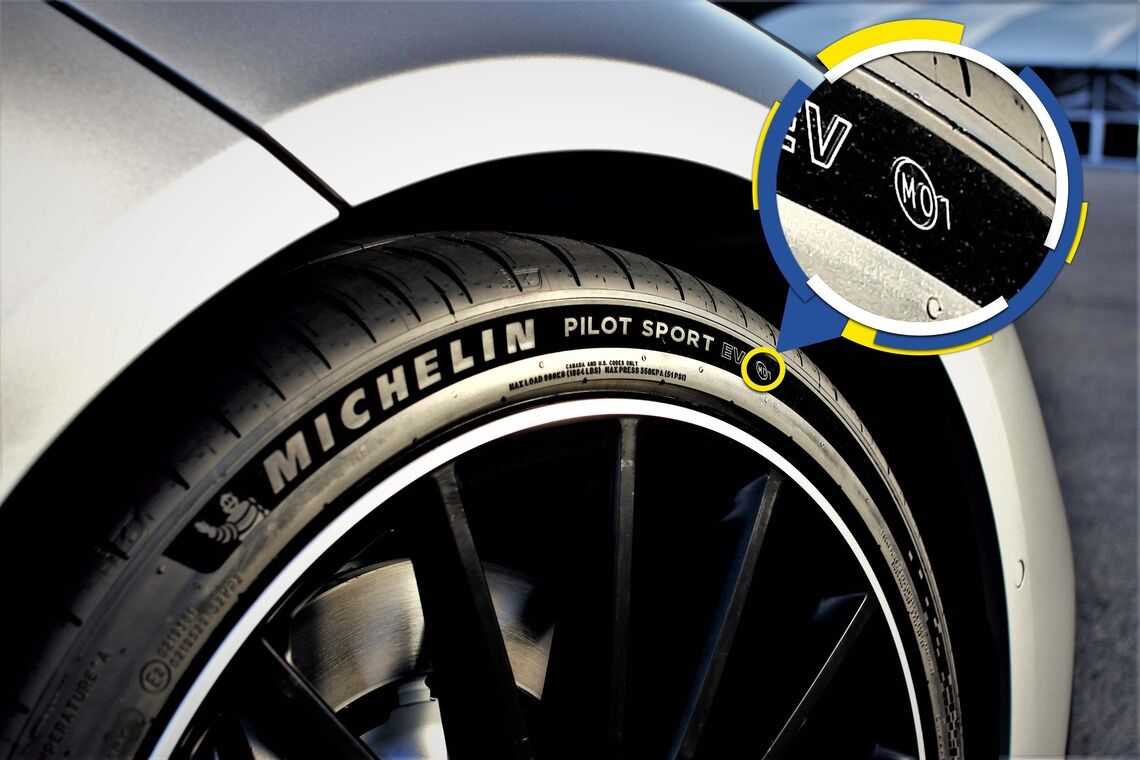
Michelin-Developed Marked Tires
Michelin believes that close collaboration with vehicle manufacturers is essential when developing high-performance tires. Every vehicle has unique characteristics that influence how a tire should perform, including weight distribution, power output, chassis design, and suspension tuning.
Michelin-developed marked tires are engineered to match these vehicle-specific requirements. Designed and approved jointly by Michelin and the automaker, these tires are tuned to help ensure the tire performs as intended on the vehicle for which it was developed.View more -
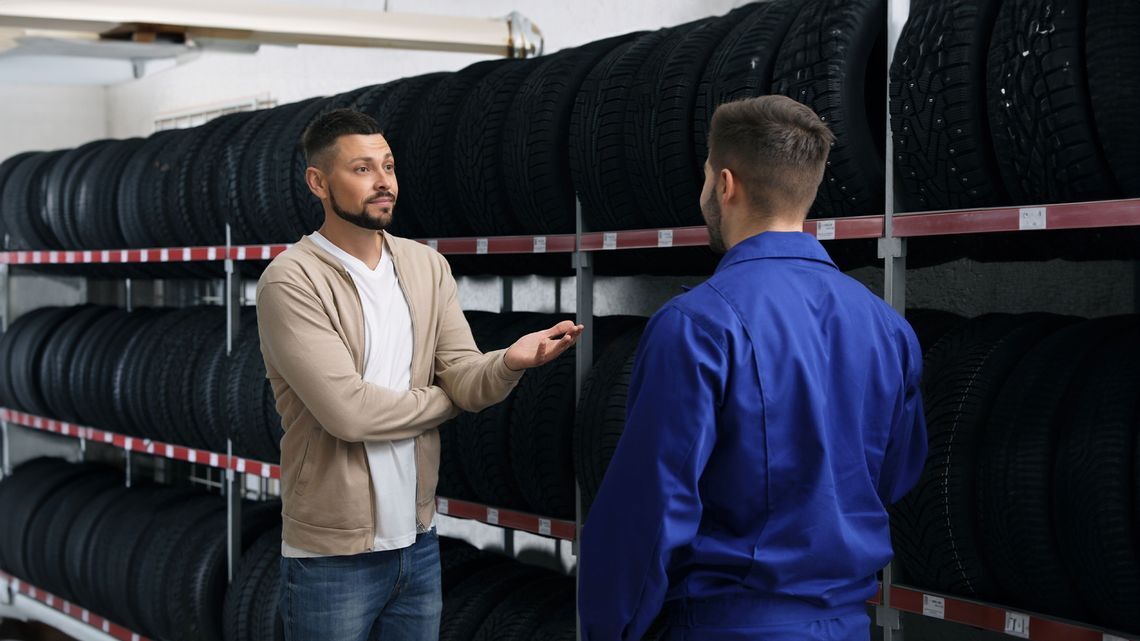
Preparing for Your Visit to the Tire Dealer
Easily prepare for your visit to the dealer with Michelin's guide. Be sure to ask your tire dealer these 5 questions to ensure you get everything you need.View more -
What to Know Before Mixing Car Tires
Maintaining your car in the configuration set by the manufacturer is the safest approach for tire replacement. This means following the tire specifications outlined on your car's placard, in the owner's manual, and in any OE (original equipment) technical bulletins. This is essential, as these documents take into consideration how the car was built to manage load, steering, braking, and stability, especially when replacing just one or two tires.View more -

Choosing the Right Tire Size for Your Vehicle
Selecting the correct tire size is essential for proper fitment, performance, and safety. Tire size information is defined by standardized tire markings and can be found on the tire sidewall, in your vehicle owner’s manual, or on the vehicle tire information placard. Knowing where to locate this information and how to interpret it helps ensure replacement tires meet your vehicle manufacturer’s specifications.View more -
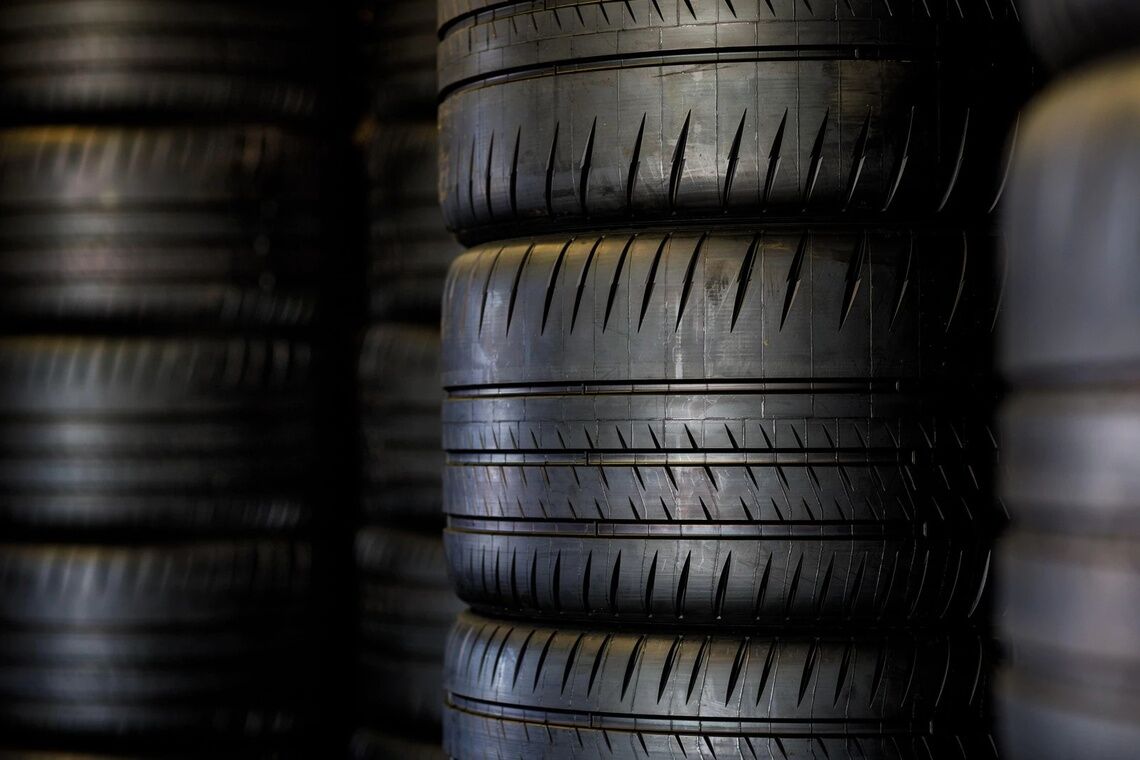
How to compare tires?
On what basis should you compare tires to select the one that will give you complete satisfaction? This article is about the main performance criteria to consider, the decision aids you can use and Michelin's best advice. We will discuss how to select the one you need within the same tire line and provide you with decision aids, such as independent tire tests, labelling and tire comparison sites. Finally, we will discuss another important criterion: long-term performance.View more -
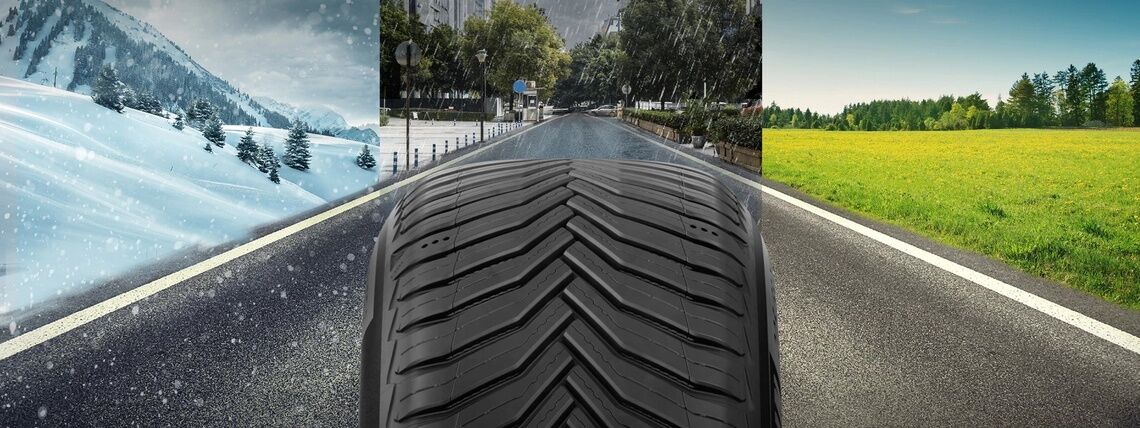
Differences in Types of Seasonal Tires
All-season / Summer / Winter tires: what is the difference?View more -

Winter Tire Buying Guide
Whether you are a first-time car owner, new to winter driving, or simply looking to make the safest choice for your vehicle, this guide covers everything you need to know about buying winter tires. From understanding the difference between winter, all-season, and summer tires to recognizing important tire symbols and studded options, here is how to stay safe through the coldest months of the year.View more -
Summer vs. Winter vs. All-Season Tires
Choosing the right tire depends on where you live, the time of year, and how you use your vehicle. Each tire type, summer, all-season, or winter, has unique strengths and limitations. Knowing when to switch helps you stay safe and maintain peak performance throughout the year.View more