Before driving:
Before driving:
- Prior to setting off, check your brakes; test them and check the brake fluid.
- Carry the tools necessary in case you break down.
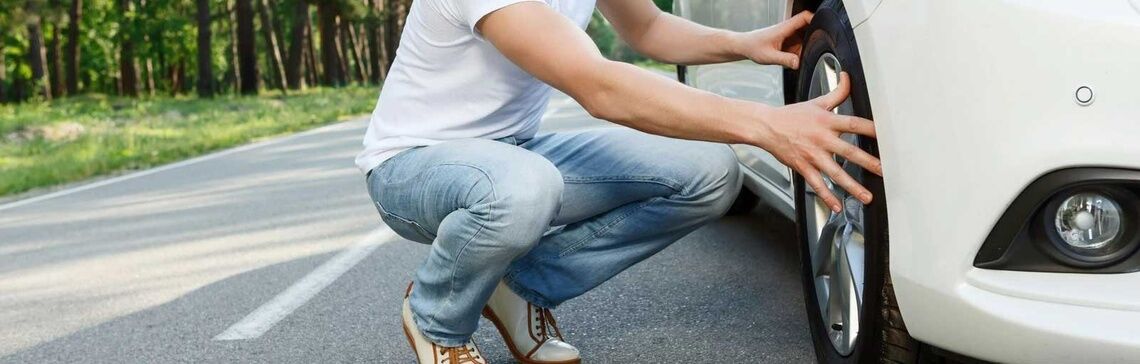
- Check the condition of your spare tire: the appropriate pressure is especially important.
- Carry extra food, appropriate clothing and emergency aids.
- Check the weather and road conditions in the mountain area and choose your route wisely.
- Tell at least one other person where and when you are traveling and when you are due back so they can alert emergency services If you don't return on time.
While driving
- Blow your horn in advance if your view is blocked during cornering.
- Drive carefully and slow down in turns, especially when your view is blocked.
- Never speed or pass in sharp turns where you may not see oncoming vehicles.


Find tire dealers near you in seconds
Search among our dealers to find where your tire is available
FAQ
Read our Frequently Asked Questions.
Sustained descents and ascents, tighter curves, limited sight lines, and rapidly changing conditions. On descents, braking is continuous rather than occasional — which builds heat in both the brakes and the tires. On climbs, the engine works harder. Curves arrive without much warning on narrow mountain roads, and weather can shift from clear to fog, rain, or snow within a short distance of elevation change. Each of these requires a different approach than flat highway driving.
Use engine braking rather than riding the brake pedal continuously. On a manual vehicle, engage a lower gear before the descent begins. On an automatic, use the manual shift mode or the engine brake / grade control setting if available. Continuous use of the foot brake on long descents builds heat in the braking system, which can reduce brake effectiveness — a condition called brake fade. Reserve the foot brake for supplementary use and specific slowing, not as the primary method of controlling speed throughout a long descent.
Altitude itself has a minimal effect on tire pressure. Temperature, however, does — and mountain conditions often involve significant temperature drops as you gain elevation. Cold air reduces tire pressure. If you ascend from a warm valley to a cold mountain pass, check pressure at the top and adjust if needed, using the vehicle manufacturer's recommendation, not a compensated estimate. Always inflate or deflate based on cold tire pressure readings.
Chain controls are legally mandated on certain mountain passes in some states (California, Colorado, Oregon, and Washington, among others) during winter storms — road signage and state DOT alerts provide real-time requirements. Winter tires with the 3PMSF certification satisfy chain control requirements in many jurisdictions; check the specific state rules before travel. Even outside of legal requirements, if you're driving mountain roads when temperatures are at or below freezing, winter tires are the appropriate choice regardless of whether snow is visibly falling.
Slow down well before the point where you'll meet and give the other vehicle as much space as possible. On single-lane mountain roads, the convention in many countries is that the vehicle heading uphill has priority, as it's harder to restart on a gradient. Make eye contact with the other driver if possible and proceed only when it's clear there's enough space. Never assume the other driver has seen you — use your horn on blind curves to signal your presence, as is standard practice on many mountain roads.
Tires first — correct inflation, adequate tread depth, and the right tire type for the expected conditions. Brakes next — a long descent on worn brakes is a genuine risk. Fuel level matters more than on flat roads, since mountain driving is more fuel-intensive and service stations are often further apart. If traveling in winter or early spring, confirm whether the route is currently passable and whether chain controls are in effect. Check your spare tire and make sure it's inflated and in usable condition.
Related articles
-
Driving At Night
View more -
Driving in Fog
View more -
Driving in High Winds
View more -
Tips for Safe Driving on Ice & Snow from the Experts
Winter driving requires patience, preparation, and skill. Mastering a few key techniques can make all the difference, helping you stay in control on unpredictable snowy and icy roads. These expert tips from Michelin will help you drive safely and confidently all winter long.View more -
Driving in Mud
View more -
Driving on the Highway
View more -
Preparing for Winter: How Cold Affects Tire Pressure and When to Switch Tires
Your vehicle is only as safe as its tires. Even the best winter tires cannot perform properly if they are installed too late or are underinflated in cold weather. Understanding how temperature changes affect tire pressure, and knowing when to make the seasonal switch, are key to staying safe and confident on winter roads.View more -
Fatigue Driving
View more -
Safety Precautions While Driving
View more -

Road Trip Tips
View more -
Driving for Fuel Economy
View more