Which Inner Tube Do You Need for Your Bike?
1 - What inner tube size do I need?
Look at the sidewall of your tire. The size can be given in millimetres, inches or ETRTO measurements. To find out more about this, you can read our article "Understanding Bike tire Sizes". The inner tube for your bike must be compatible with the diameter and width of the tire.
2. Choosing the Right Valve Type
If several valve options are offered, you will have to choose between a "STANDARD” valve (also called "Shrader") and a "PRESTA" valve.
How to Install a Tube-Type (or tire with tube) Tire on Your Bike
Installing an inner tube or a tubeless tire may seem complicated, but by following these step-by-step instructions, you’ll have your tire mounted correctly in no time.
Fitting a standard tire with an inner tube
1- Carefully check the condition of the rim. A rim in poor condition – broken or cracked – must be changed as it may cause leaks and deflate the tire.
2- Check the condition of the rim band. A broken or cracked rim band around the rim should be changed. A rim band in poor condition is often the cause of punctures. To fit, superimpose the valve and rim holes and keep them in line.
3- Insert the 1st bead of the tire into the rim.
4- Inflate the inner tube slightly to make it round and insert it into the tire, starting with the valve. For latex inner tubes, do not forget to apply talc to facilitate positioning in the tire.
5- Do the same for the second bead, always starting opposite to the valve and positioning the bead right into the rim well. Finish fitting at the level of the valve.
Fitting a Tubeless tire
1- Use a Tubeless Ready compatible or UST rim. Carefully check the condition of the rim. A rim in poor condition - broken or cracked – must be changed as it may cause leaks.
2- The rim must be lubricated all around the circumference to help the tire slide when being fitted and, in particular, to ensure it is correctly centered. The lubricant to be used must be of the “soapy water” type or equivalent – no oil or grease. The improper use of oil or grease can lead to deterioration of the rubber compounds, slipping, or failure in seating the tire.
3- Start by inserting the first bead opposite to the valve, taking great care to position the bead right into the rim well.
4- Do the same for the second bead, always starting opposite to the valve and positioning the bead right into the rim well. Finish fitting at the level of the valve.
5- Inflate the tire until inserted, without exceeding the maximum pressure indicated on the sidewalls. Make sure the tire is correctly centered. Adjust the pressure after a few kilometres.
Tubeless Ready (MTB)
All MTB Michelin tires in foldable bead are tubeless ready (Performance Line and Racing Line) and can be mounted without inner tubes, provide that :
you use a Tubeless Ready-UST rim
the maximum pressure indicated on the tire sidewalls is not exceeded
sealant liquid such as latex is added
the tire pressure is checked before every ride
How to Remove a Bike Tire
1 - Unclip the tire beads and push them into the rim channel.
2 - Use tire levers to remove the first bead, positioning them 4 inches apart near the valve.
3 - Carefully work one tire lever around the rim to fully remove the first bead.
4 - Remove the second bead by hand.
Michelin Protek Max inner tube
In order to avoid punctures during your ride, the Michelin Protek MAX inner tube uses two different technologies:
the presence of raised bumps and its compressing action causes the hole to naturally seal itself, or at least it reduces the loss of tire pressure
the self-sealing liquid reaches the hole through the combined effect of the air inside the tube and the rotation of the wheel.
The hole could be partially sealed if the puncture is very large, and if the sidewalls have been punctured. If a puncture occurs, the object which has caused the puncture can be removed from the tire. The whole unit must nevertheless be functional, including rim, tire and inflated Protek Max inner tube, before and after the removal. This tube has not been designed to be repaired.
Caution during use :
Presence of sealing liquid inside the inner tube.
If the Protek Max inner tube is accidentally ruptured, part of the sealing product may spill out; this product may cause irritation, therefore do not swallow and avoid all possible contact with the skin, mucous membranes and eyes. If swallowed or in case of contact with eyes, seek medical advice.
Do not place the valve near your mouth.
Recommendations
Bike Tire Maintenance Tips
To keep tires as long as possible, you should check them before each ride. Remove any foreign bodies trapped in the rubber with a small screwdriver. tires should be washed with water because abrasive products can damage the fabric. Use small rubber repair patches on the inside of any small cuts through the ply. Rainwater makes flint in the roadway more apparent; this sharply attacks treads causing cuts that may perforate the casing.
Proper Tire Storage
When not in use, tires should be stored in a cool, dark place. You should also avoid leaving your bike in the sun when not in use.
Handling Punctures
In case of puncture, our recommendation is to replace the rim band each time the tire is replaced, as well as when the inner tube is replaced.
Proper Direction for MTB Tire Installation
Why a particular direction for fitting ?
The direction in which a tire is fitted will enable the user to optimize the performance of the tires in terms of braking and traction. In general, the front tire is more involved in braking while the rear tire gives maximum traction. The rolling direction is marked directly on the tire by an arrow. The tires are also marked “Front” and “Rear”.
Understanding Tire Pressure for Optimal Performance
Pressure varies according to the weight of the rider (as for the road) but other parameters, such as the section, bike (front suspension or full suspension for mountain bikes) and use are important factors for the final choice.
FAQ
Read our Frequently Asked Questions.
Match the tube to the tire size and valve type. The tube must be compatible with the diameter and width of the tire — this information is on the tire sidewall in one of three formats: ETRTO (e.g. 25-622), imperial (e.g. 700 x 25C), or metric. The valve type must match the rim's valve hole: Presta or Schrader. Tubes cover a range of widths rather than an exact size, so a tube rated for 25–28mm would fit both a 25mm and a 28mm tire.
Presta valves are narrower and lighter, require a smaller hole in the rim, and require unscrewing a small metal shell before inflating. They're standard on road bikes and higher-end mountain bikes where rim solidity and weight matter. Schrader valves are wider, the same size as car tire valves, and are more robust. They're common on mountain bikes and city bikes where simplicity and compatibility with standard pumps and gas station compressors is valued. The valve type is determined by your rim's valve hole size — you can't fit a Schrader valve in a Presta hole without an adapter.
Latex tubes are made from natural rubber rather than butyl rubber. They're lighter and offer lower rolling resistance, which is why competitive road riders sometimes use them. The trade-off is that latex is more permeable — it loses pressure faster than butyl, requiring inflation before each ride. Latex tubes are also more fragile and more expensive. For competitive racing where every watt matters, latex tubes are a genuine performance upgrade. For everyday riding where convenience matters more, butyl tubes are the practical choice.
A self-sealing tube contains a sealant liquid inside that automatically plugs small punctures — caused by nails, thorns, or small sharp objects — as the tube rotates. The sealant reaches the hole through the effect of air pressure and the wheel's rotation. This significantly reduces the number of flats that require a roadside stop. Michelin's Protek Max inner tube uses this approach, combining a self-sealing liquid with a reinforced design. For urban commuters and mountain bikers where punctures are frequent, self-sealing tubes offer a meaningful convenience benefit.
Michelin recommends replacing the rim tape every time the tire is replaced. The rim tape protects the tube from the spoke holes and any rough edges inside the rim — a damaged or cracked rim tape is a common cause of punctures from the inside of the tire. Starting with fresh rim tape whenever a new tire is fitted is simple preventive maintenance. Similarly, the valve cap and valve stem should be in good condition — replace if they show any cracking or corrosion.
Inflate the tube slightly before fitting — just enough to give it a round shape without being stiff. This prevents the tube from folding or creasing against the tire bead during installation. When inserting the second bead of the tire onto the rim, start at the opposite side from the valve and work around to the valve last. At the valve, check that the tube isn't twisted or pinched before final seating. Inflate slowly and pause to confirm the bead is seated evenly before reaching full pressure.
Related articles
-
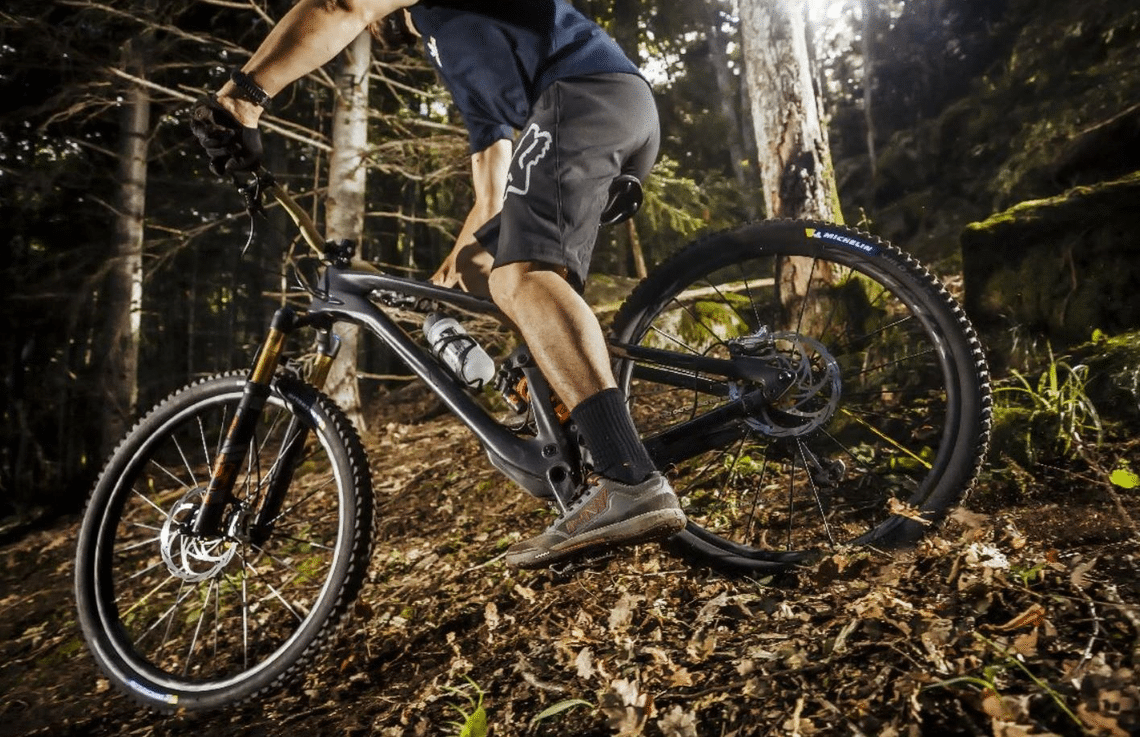
How to choose your bike tire?
Start by identifying your riding category: road and performance, city and commuting, or mountain biking. Each has different requirements for tread, casing, width, and construction. Within your category, identify the surfaces you ride most and whether your primary priority is speed, durability, or puncture protection. Confirm what your bike can fit in terms of tire width, and decide between tube-type, tubeless ready, and tubular setups based on how much flat protection you want versus installation simplicity.Learn more -
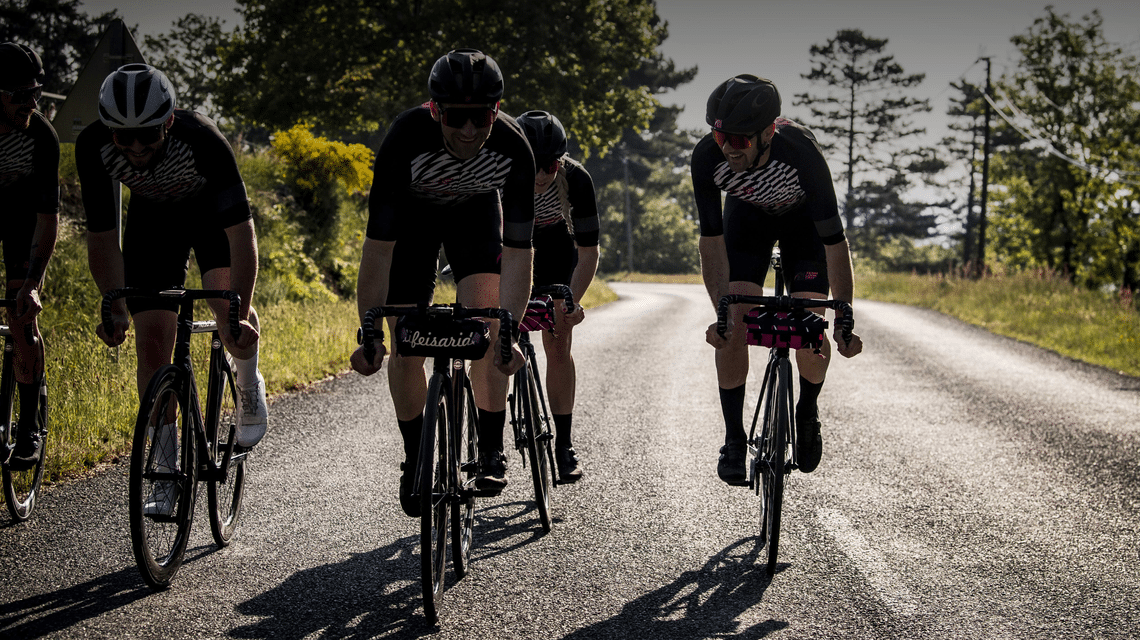
How to choose the best road bike tires for your use
For competitive road racing, the priority is low rolling resistance and wet-weather grip. For regular training, durability and puncture resistance matter more than outright speed. For year-round riding in all weather, an all-season road tire with a reinforced tread and cold-weather compound is worth the modest rolling resistance penalty. Wider tires (28mm or 30mm) at the right pressure now roll as efficiently as narrower tires did previously, while providing more comfort and better grip on real road surfaces.Learn more -
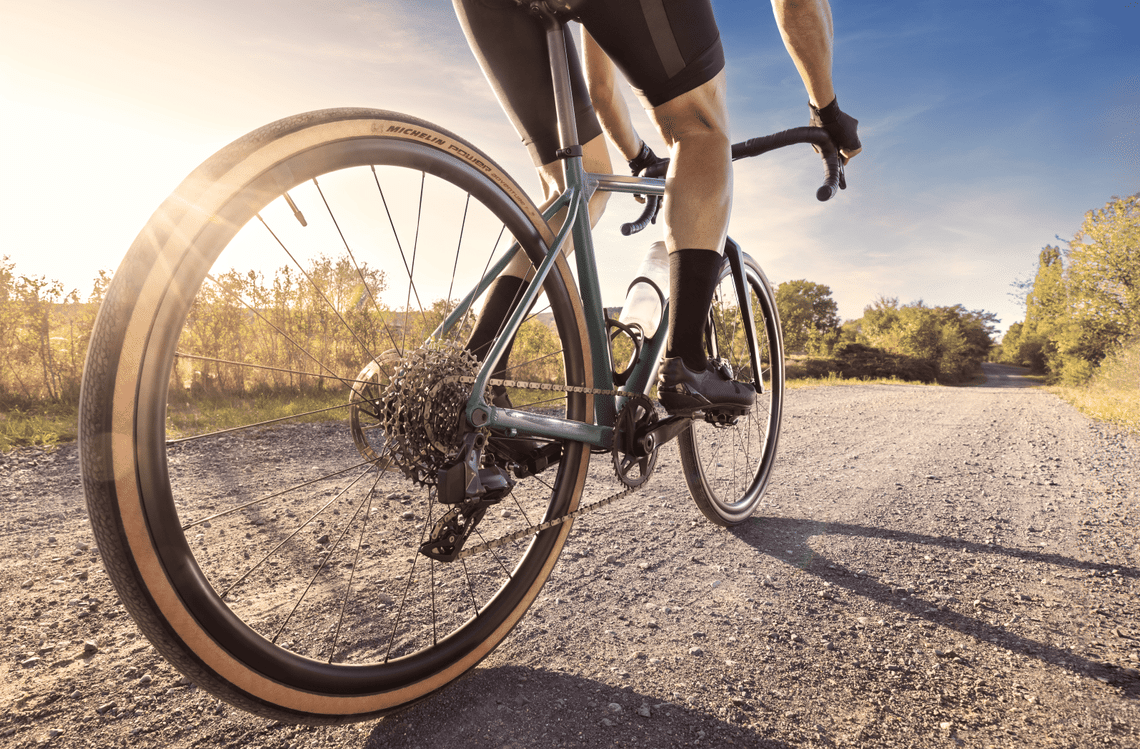
How to choose the best gravel tires for your bike?
The right gravel tires can make all the difference, especially when you venture off the beaten path. This is particularly true for gravel cycling, where tire selection directly impacts your riding experience. In this article, we'll walk you through the key factors for choosing the best gravel tires, explain the differences between our models, and help you find the perfect option based on your riding style and the terrain you'll encounter. Get ready to ride with confidence, comfort, and speed on diverse trails!Learn more -
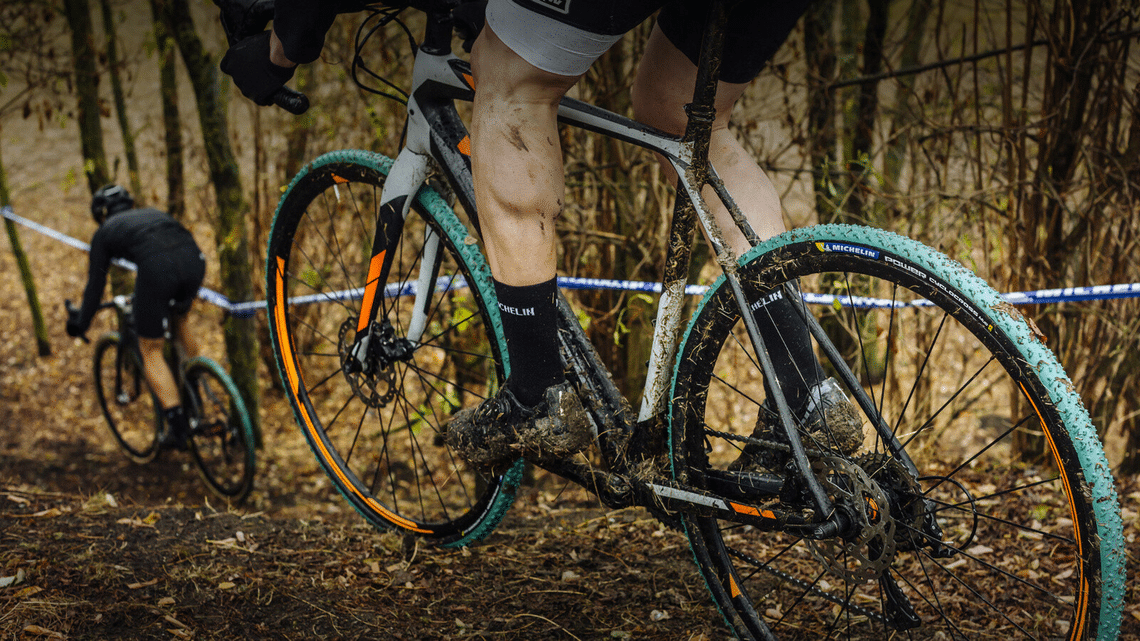
How to choose your cyclocross tires?
Competitive cyclocross riders typically run two sets: a dry-conditions tire with a faster-rolling center and moderate knobs, and a mud tire with an open, aggressive tread that clears saturated ground. The UCI maximum tire width for competition is 33mm. For occasional cyclocross riding without dedicated wheels, a versatile 33mm gravel tire covers mixed conditions well without the cost of a second wheel set. For muddy competition conditions, a dedicated mud-specific tubeless ready or tubular option delivers the best results.Learn more